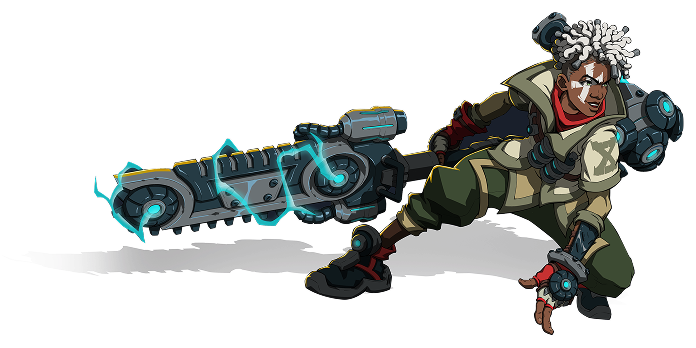
Explore the vibrant realm of stylized game art, where creativity and technical skill unite. With exaggerated features and dynamism of textures, it’s these very elements that make the gaming experiences forever etched in memory. Be amazed by how stylized artwork, from classic titles to modern-day masterpieces, continues to whisk players away. Get inspired by the tips and techniques to bring your imaginative creations to life.
What is Stylized Game Art?
To define stylized art, it is a form of artistic expression that deviates from realism, incorporating exaggerated or abstract elements to create visually striking and imaginative works.
Game developers use stylized game art for several reasons:
- Creative Freedom: Artists can explore unique aesthetics and push visual storytelling boundaries.
- Timeless Appeal: Games with stylized graphics age better than realistic ones, as they are less tied to technology limits.
- Performance Efficiency: Stylized graphics are less demanding on hardware, ensuring smoother performance across more devices.
Stylized vs. Realistic Art: A Comparative Insight
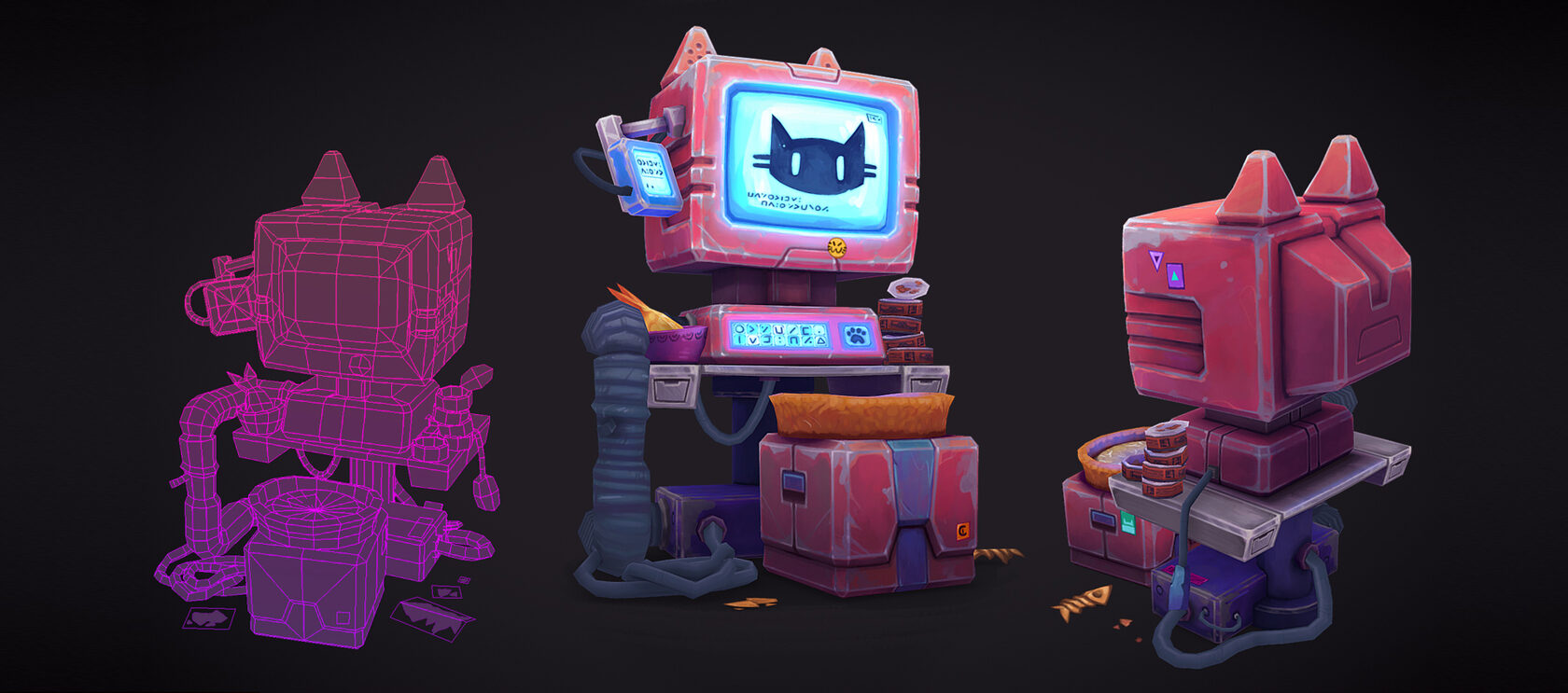
The way both realistic and stylized depict the world is a whole different ballpark. Stylized art, including stylized character design, is a form of exaggeration: exaggerated proportions (eg gigantic feet and a tiny waist), the use of bright colors and imaginative worlds. The stylized art style opens up more expressive options for devs and allows them to create an unique identity. Examples of stylized games include titles like “The Legend of Zelda: Breath of the Wild” and “Overwatch,” renowned for their distinctive and memorable aesthetics.
In contrast, games with realistic graphics aim to mimic reality with attention to realistic textures, precise lighting, and intricate surroundings. Realistic video games, such as “The Last of Us Part II” and “Red Dead Redemption 2,” offer players immersive experiences in lifelike environments, adding authenticity and realism to enhance the narrative and emotional connection for players.
For better understanding, we’ll explore the differences between these two art styles across several key aspects.
Lightning
Realistic video games use global illumination, light maps, and ray tracing to simulate real-world light behavior. These provide lifelike shadows, reflections, and lighting effects, giving the feeling of a real-world setup. All these combined increase the feeling of being there and the sense of realism in the gaming activity. Games with a stylized look use lighting to create atmospheres and vibes, sometimes not sticking to realistic standards but boosting the game’s visual beauty and emotional resonance.
Textures
Games with realistic graphics rely on high-resolution, photo-sourced textures to achieve a lifelike appearance. This involves detailed surface textures replicating materials like skin, fabric, and metal. Stylized games use hand-painted textures, solid colors, pixel art, and other abstractions to bring their art styles to life.
Proportions
Characters and objects in realistic games reflect actual human, animal, and object proportions. Stylized games play with proportions for artistic reasons, resulting in features like huge heads, elongated limbs, or exaggerated weapons.
Animations
Realistic animation aims for lifelike fluidity and weight through motion capture data, making character movements appear natural and convincing. Stylized animation allows exaggerated poses, snappiness, or flourish, creating more expressive and dynamic movements that enhance the game’s stylized art style.
Camera Effects
Realistic games model camera behaviors like lens flares, motion blur, and depth of field to match real optics, creating a cinematic experience. Stylized games simulate such effects only when they serve the art style.
The debate of realistic vs. stylized art often boils down to the intended experience and target audience. Realistic art is perfect for story-based games and simulations because it can provide a more engaging and emotionally profound experience. Alternatively, artistic games can attract gamers with their distinctive visual style and imaginative representation, frequently drawing in a wider range of players.
How to Create Stylized Character Arts for Games
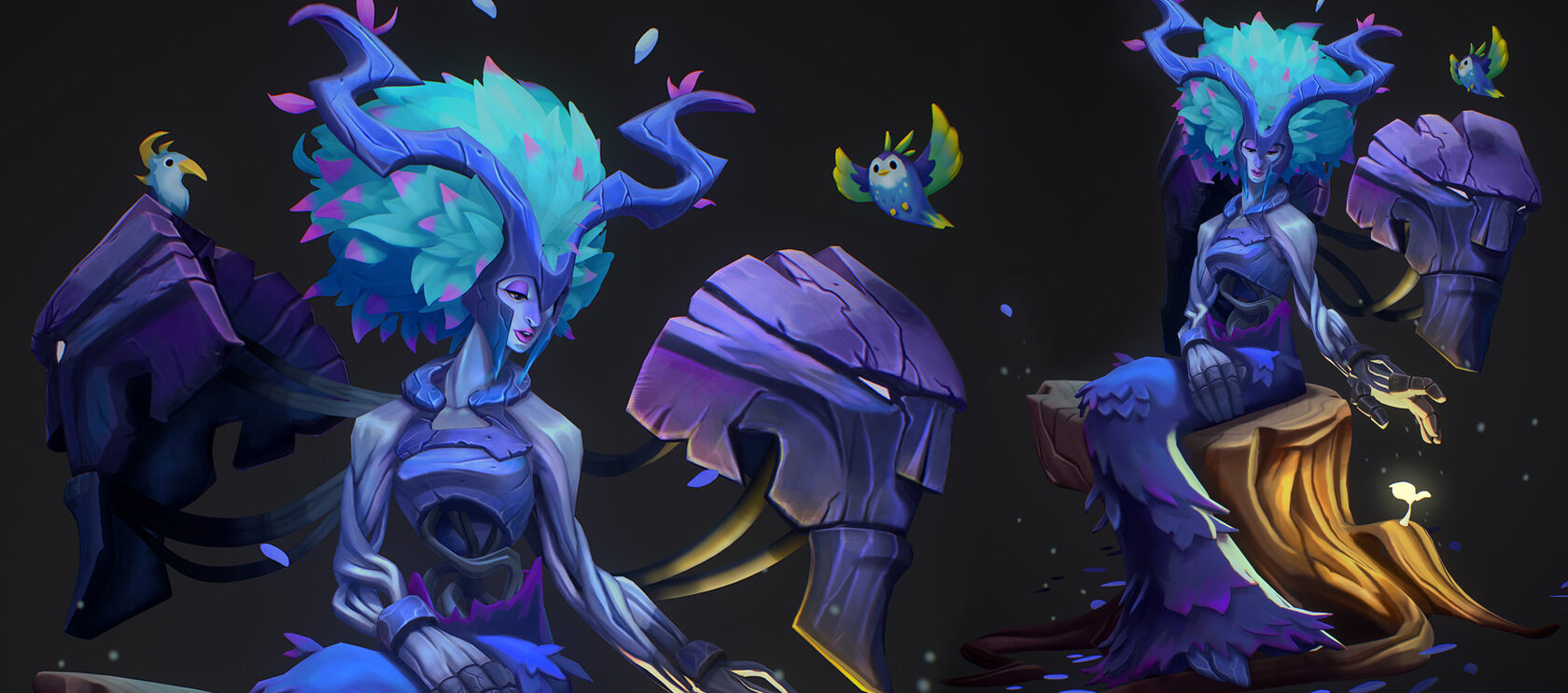
Creating stylized characters starts with an idea and progresses through various developmental stages until a final piece of art is completed. These steps ensure your final product meets the vision and enriches a gamer’s experience.
Examples of Stylized Art in Legendary Video Games
Stylized art in video games has given rise to some of the most memorable and beloved titles in gaming history.
The Legend of Zelda: Breath of the Wild
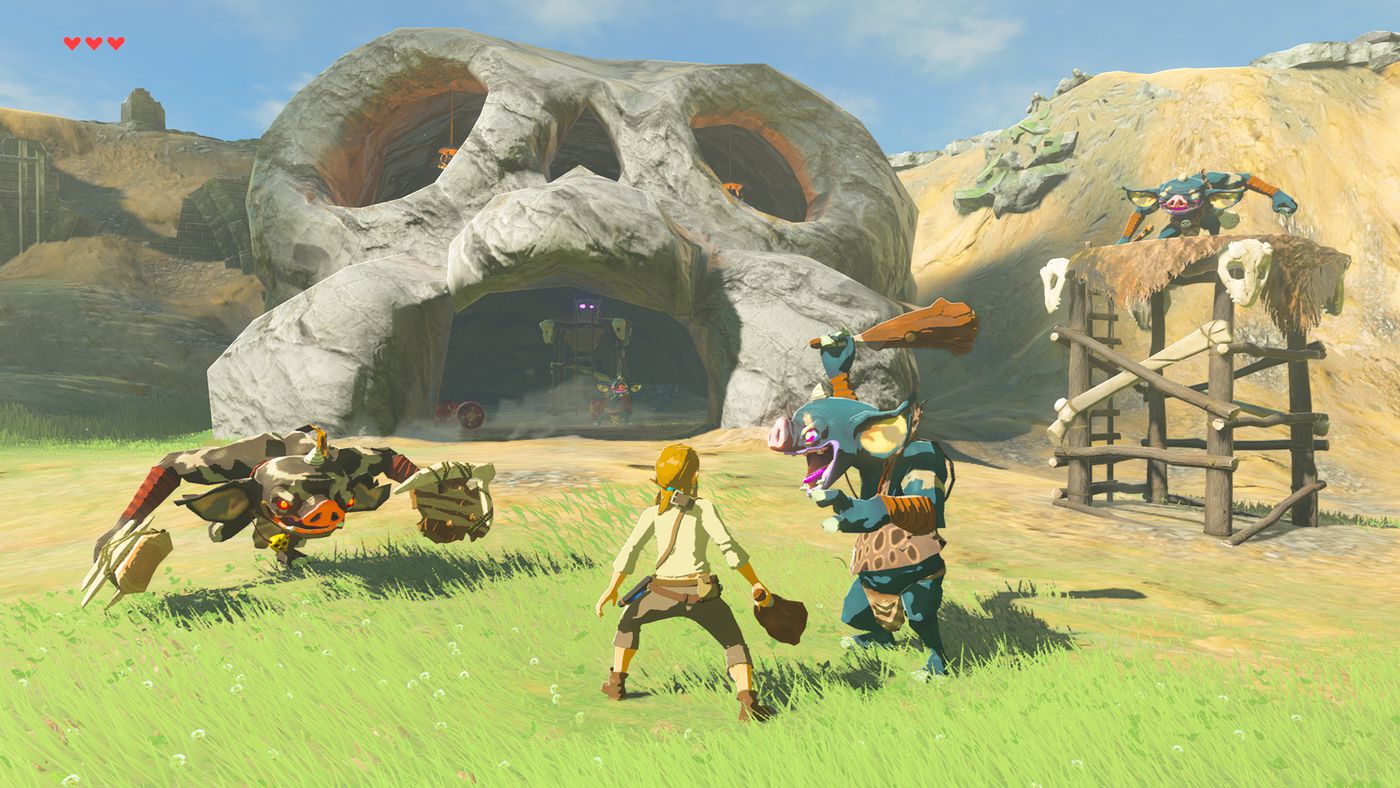
Developed by Nintendo and released in 2017, The Legend of Zelda: Breath of the Wild is set in a vast, open world filled with stunning landscapes and imaginative creatures. The stylized game textures and character designs create a vibrant, immersive experience. The game’s enduring appeal comes from its use of cel-shading and hand-painted textures, creating a visually striking and impressive experience for players and developers alike.
Hades
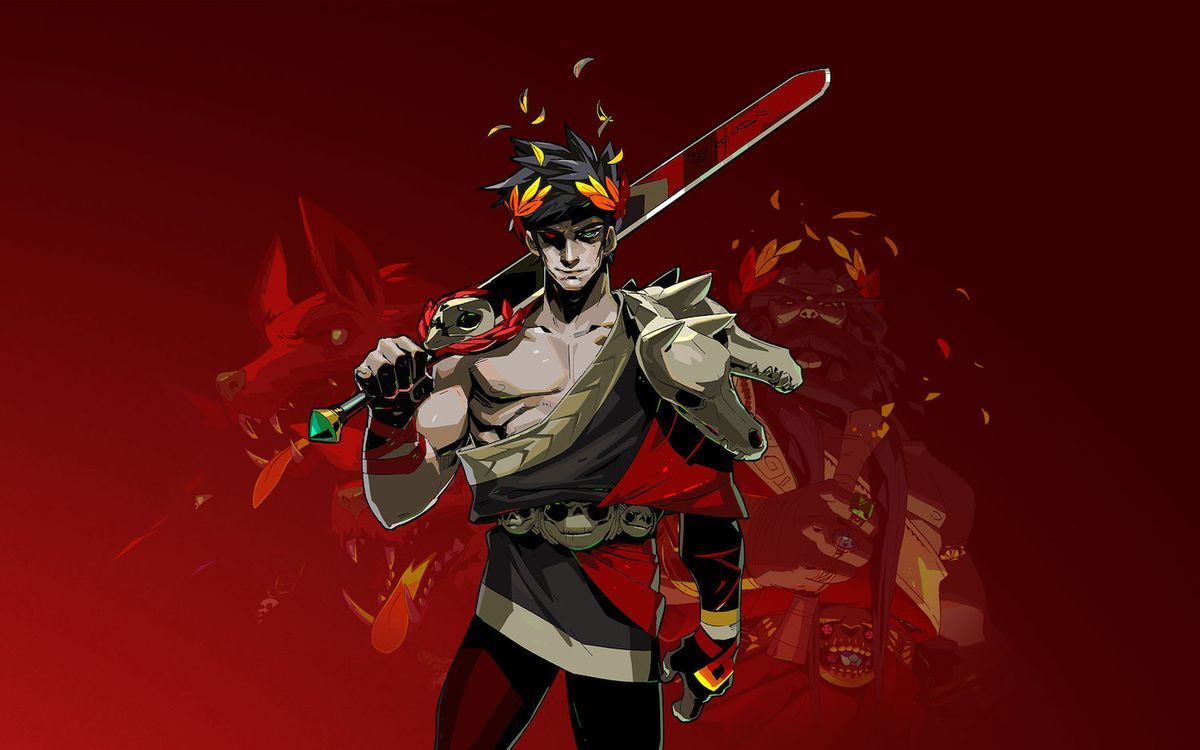
Players in Hades take on the role of Zagreus, Hades’ son, who is trying to break free from the Underworld and reach Mount Olympus. Created by Supergiant Games and released in 2020, this is a rogue-like dungeon crawler. The game can be played on PC, Nintendo Switch, PlayStation 4, PlayStation 5, Xbox One, and Xbox Series X/S.
Fortnite
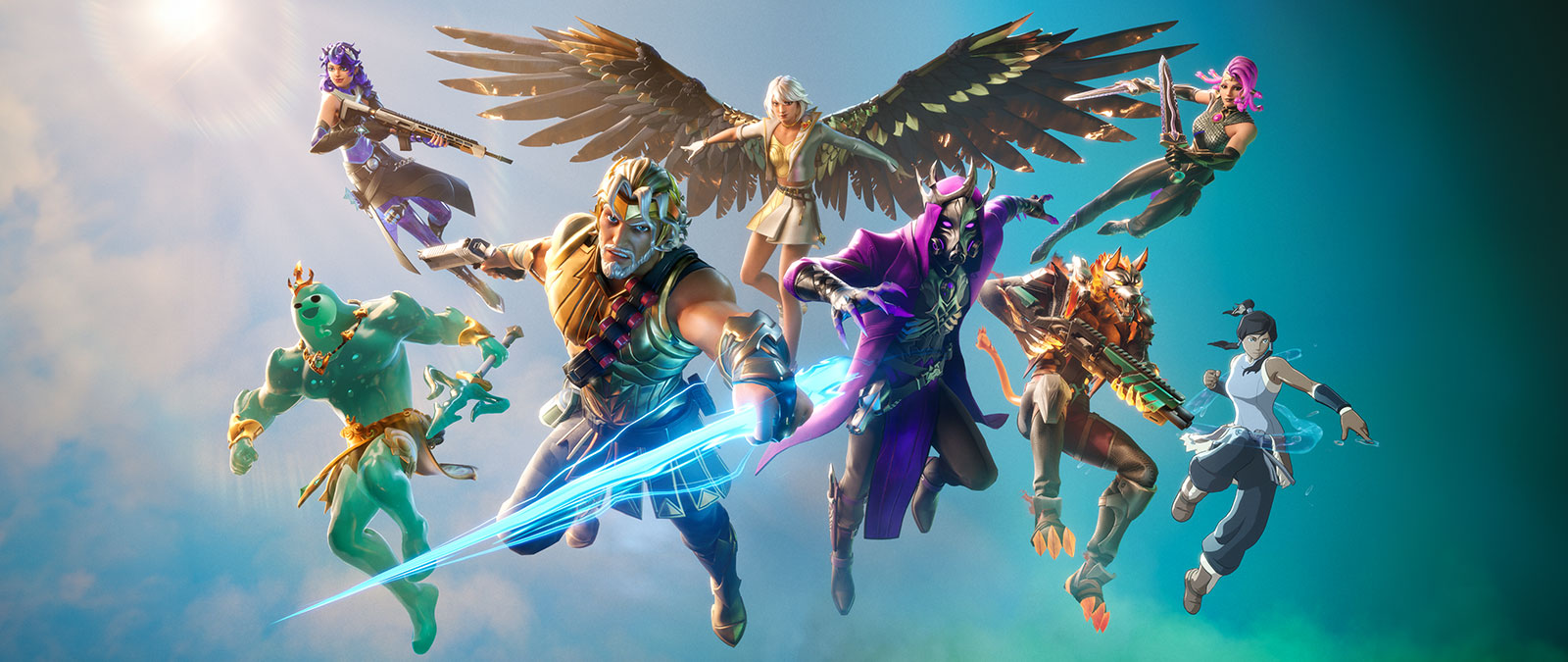
Developed by Epic Games and released in 2017, Fortnite quickly blew up into a global phenomenon. The game rocks a vibrant, cartoonish art style that grabs a wide audience. The colorful and playful textures and character designs make it stand out visually. With exaggerated proportions and dynamic animations, the game’s aesthetic is super engaging and fun. In Fortnite, one jumps into battle royale matches on an ever-changing island. Plus, it’s available on pretty much every platform: PC, PlayStation 4, PlayStation 5, Xbox One, Xbox Series X/S, Nintendo Switch, iOS, and Android.
Honkai: Star Rail
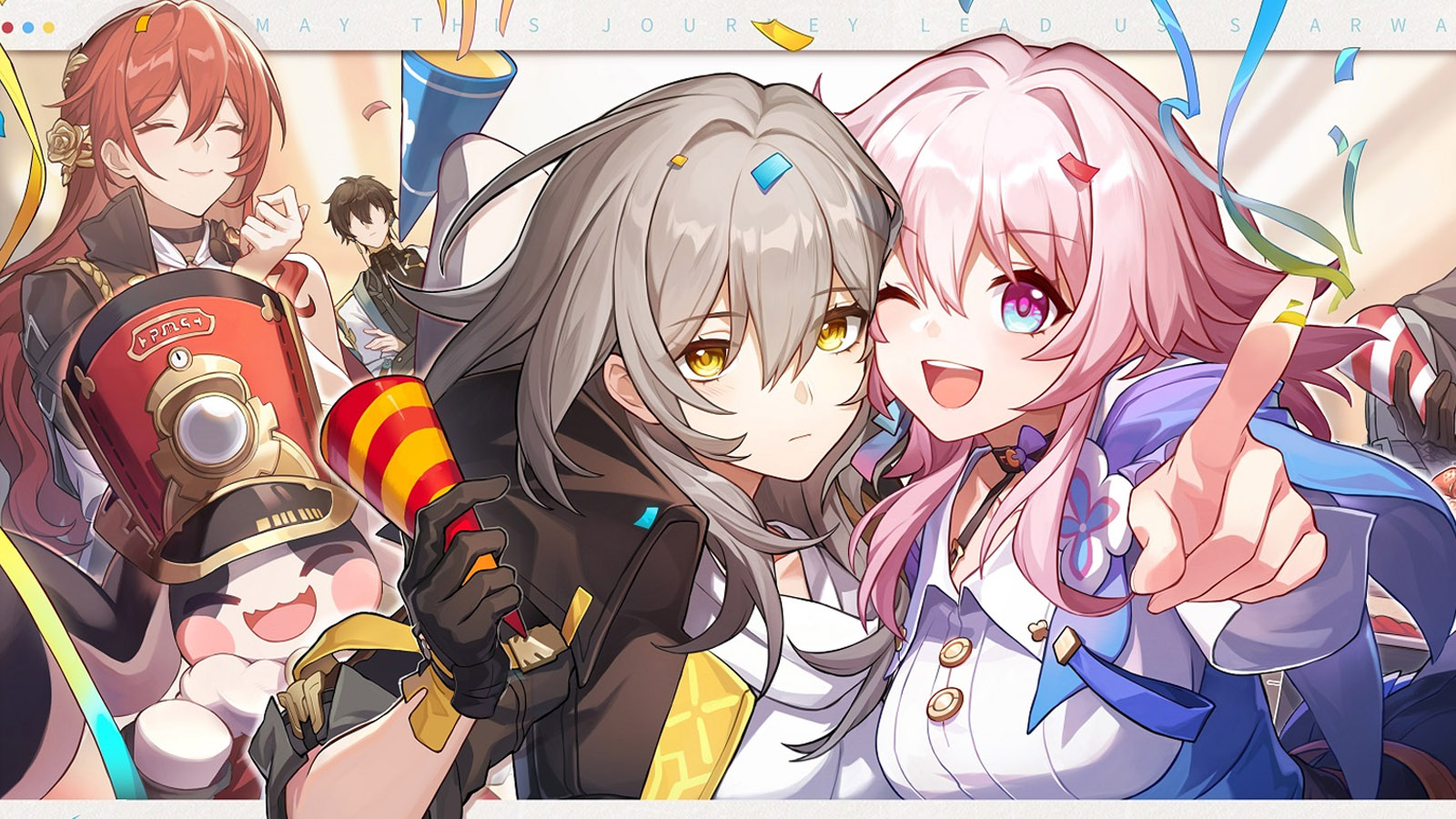
Featuring stunning anime-inspired graphics and a futuristic setting, Honkai: Star Rail showcases the technical prowess of miHoYo in creating visually captivating games. The game features unique, highly detailed characters with dynamic lighting and intricate animations that bring them to life.
Stylized Character Design Tips and Tricks
Creating captivating stylized game art is a mix of creativity, technical skill, and artistic flair. Here are some tips to help you master the art of stylized character design and craft visually stunning games.
- Stylized character design thrives on exaggeration. Amplify certain features like larger eyes, elongated limbs, or oversized weapons to create a unique and memorable visual identity. When learning how to draw stylized characters, focus on accentuating features that convey personality and emotion.
- Maintaining a consistent art style across all game elements is crucial. This means using a cohesive color palette, similar line work, and uniform shading techniques.
- Strong silhouettes are key in stylized game art. Ensure your characters and objects are easily recognizable by their outlines alone. Simplify and refine shapes to create clear, distinct silhouettes.
- Stylized animation breathes life into your characters. Use dynamic, exaggerated movements to express emotions and actions. Incorporate stylized 3D animation techniques to add fluidity and personality to your characters’ movements.
- Opt for hand-painted textures, solid colors, and artistic techniques that complement your art style when creating textures for your stylized game environment.
- Study other titles with successful stylized game graphics Analyze their designs and how they achieve a cohesive visual style. Drawing inspiration from established stylized art games can provide valuable insights for your projects.
Understanding what is stylized art and how to implement it effectively is crucial. Integrate these suggestions into your workflow to boost your performance and provide an interactive, visually impressive experience. For those looking to bring their wildest ideas to life, contact Argentics. Our artists are ready to transform your most ambitious concepts into stunning game art!