Motion design in video games occupies that weird space where players seldom even discuss them, but instantly sense when they are absent. Menu transitions, animated HUD elements, reward screens, ability prompts, loading sequences, logo stingers, tutorial cues, and cinematic UI can dictate exactly how polished and responsive a game feels.
So, what does a motion graphics designer do in a game production pipeline? In simple terms, this specialist designs and animates visual communication inside and around the game.
A good motion graphics designer communicates with game designers, UI/UX designers, art directors, technical artists, product owners, and developers. They know implementation limits, engine constraints, asset handoff, performance budgets, and iteration cycles. They can make motion systems that are attractive and consistent, and still do not overwhelm the build.
Key Takeaways
- Motion graphics make a game feel polished, responsive, and easier to read.
- A motion graphics designer is not the same as an animator or VFX artist. The role is more about motion as part of UI, UX, and player communication.
- The designer may join at any stage of production, from early style direction to final trailer polish.
- The strongest candidates understand both visual design and engine logic.
- Engine knowledge helps the art and development teams speak the same language.
- Outsourcing is often the most flexible option when a team needs motion graphics, UI support, trailers, and promo assets without hiring in-house.
- Argentics can support motion graphics work from concept to final launch assets.
What Is a Motion Graphics Designer?
A motion graphics artist is a design specialist who works with motion as part of a product’s visual language. In gaming, this role is responsible for how static design assets behave over time: how they enter the screen, react to player actions, support hierarchy, and create a sense of polish without hurting usability.
The role is close to animation and VFX, but the hiring profile is different.
- An animator is usually evaluated through movement quality, timing, posing, acting, and character or object behavior.
- A VFX artist is evaluated through effects logic, particles, shaders, simulations, and gameplay readability.
- A motion graphics designer is evaluated through design thinking, composition, typography, UI awareness, timing, brand consistency, and the ability to make motion useful rather than decorative.
What Does a Motion Graphics Designer Do in a Game Project?
A motion graphics designer is responsible for the animated layer the player sees around the core gameplay. Their work is the motion that makes menus, HUDs, rewards, trailers, and platform assets feel finished and intentional.
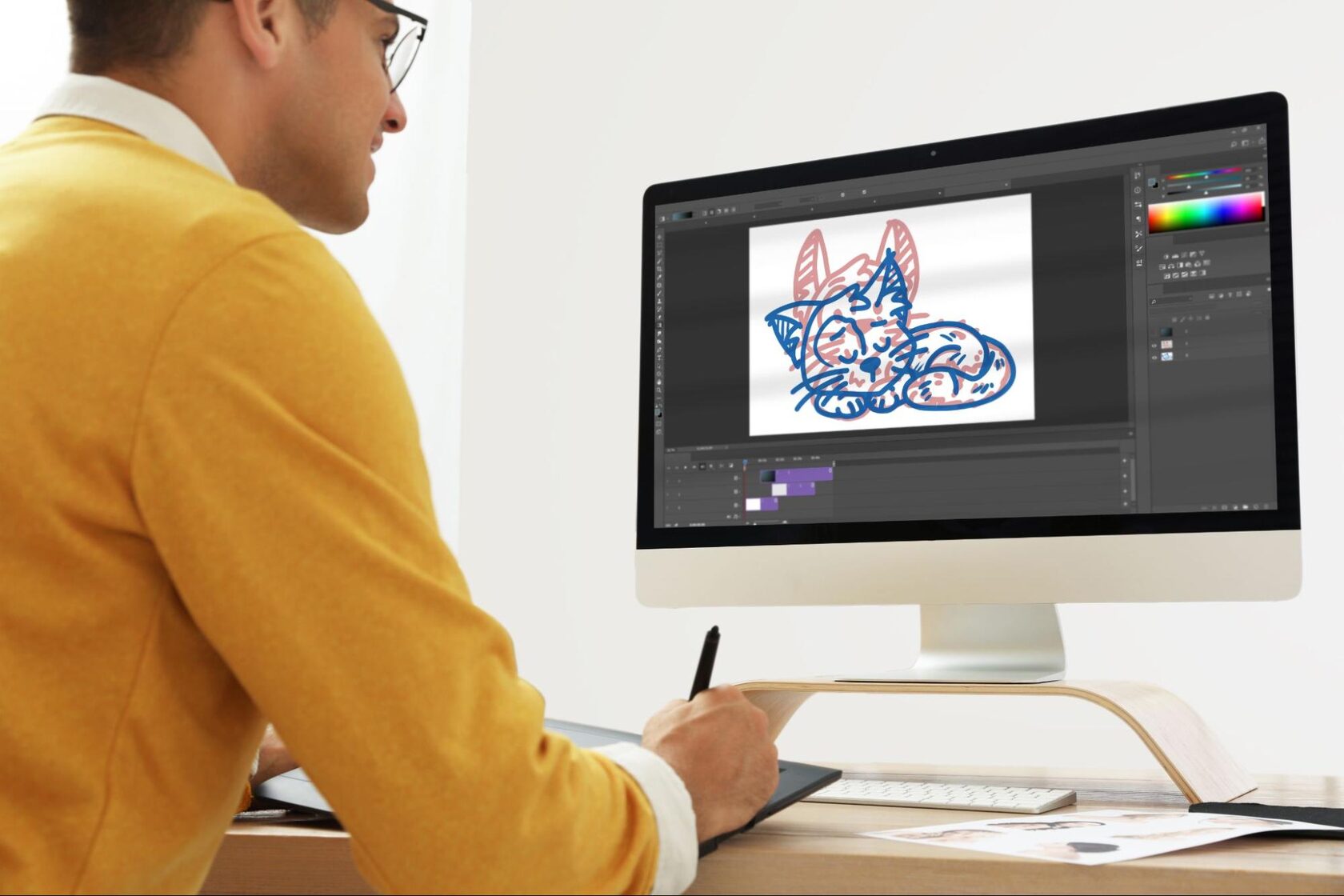
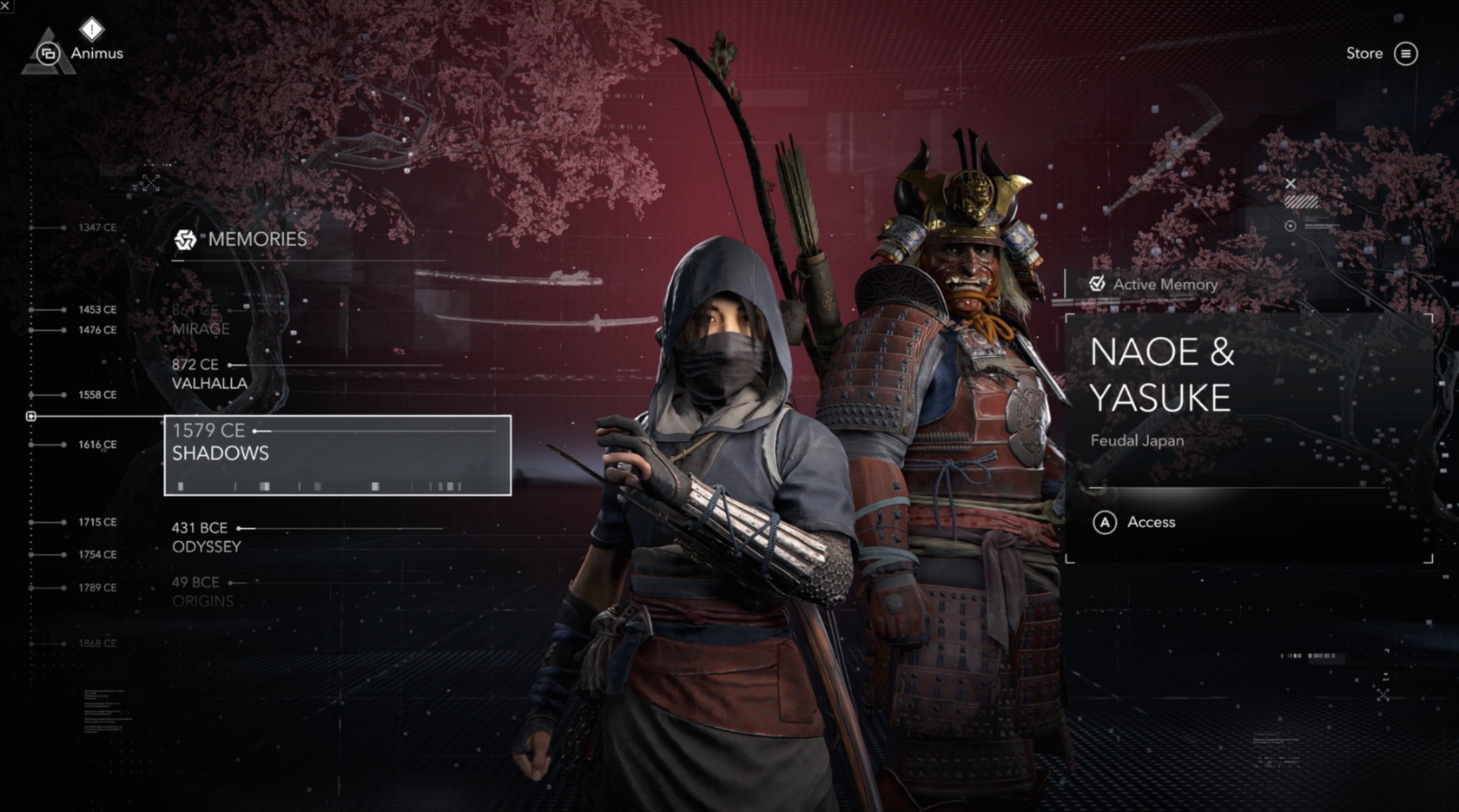
This usually starts with UI animations in the game interface. People see how menu panes slide in with proper timing. Buttons react when hovered, tapped, locked, or disabled. HUD elements appear only when needed. Damage indicators, quest updates, cooldown states, inventory changes, and matchmaking screens move in a way that helps the player read the game faster.
A good example is a reward screen. The designer decides how the item appears, how long the reveal takes, where the player’s eye should go first, and when the “claim” action becomes available. If the timing is too slow, the loop feels annoying. If it is too flat, the reward feels cheap. This is where motion graphics production becomes part of product design.
Motion Graphics in the Game Production Pipeline
Motion graphics typically make their way into the pipeline earlier than most teams intend. If the first animated UI only shows up during the polishing stage, the team typically finds itself solving problems that should have been fixed in the visual system.
Key Skills and Tools Motion Graphics Designers Use in Games
In games, a motion graphics designer requires more than a good eye for timing. Since the job is adjacent to UI/UX, technical art, and engine implementation, the best specialists have an understanding of how motion should feel and how it will be shipped.
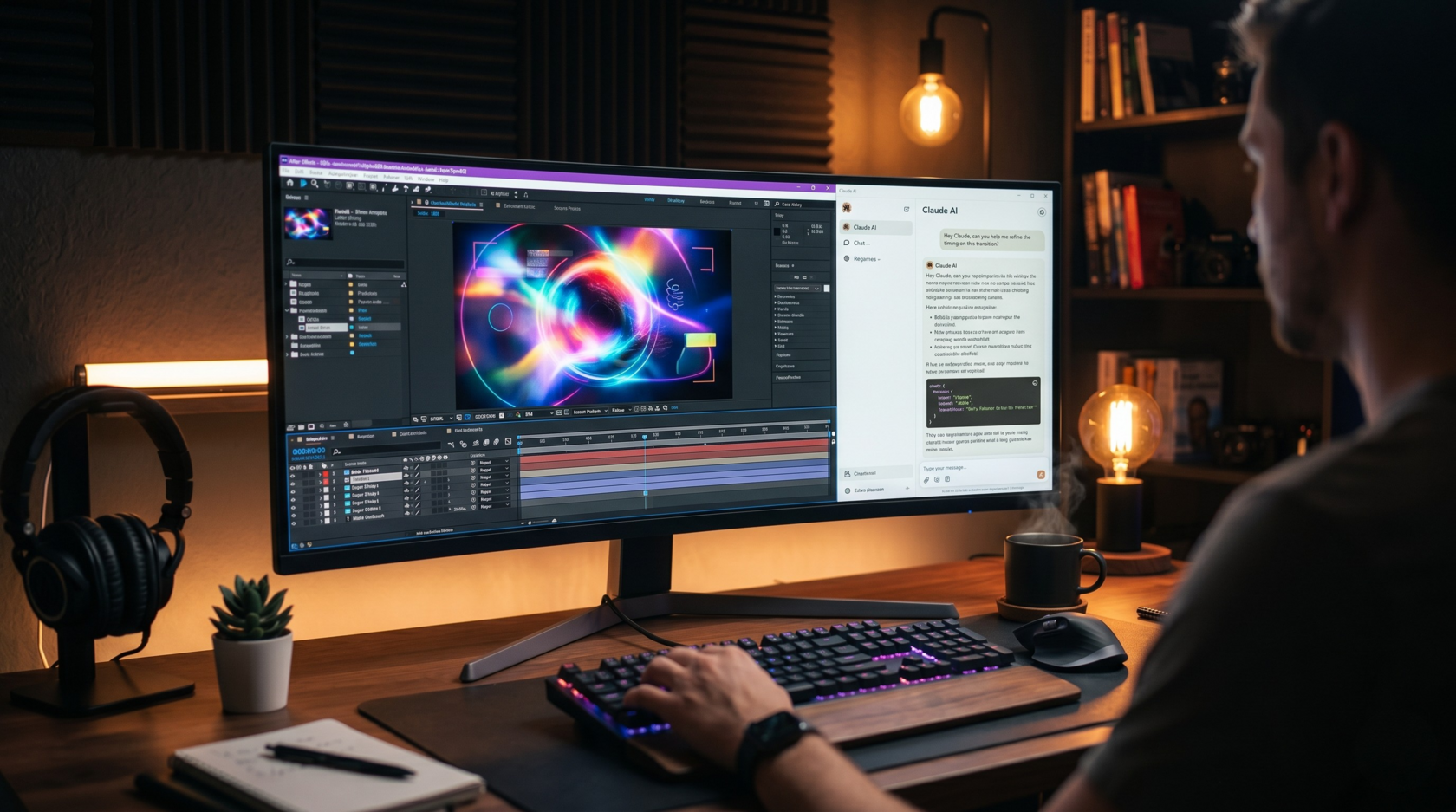
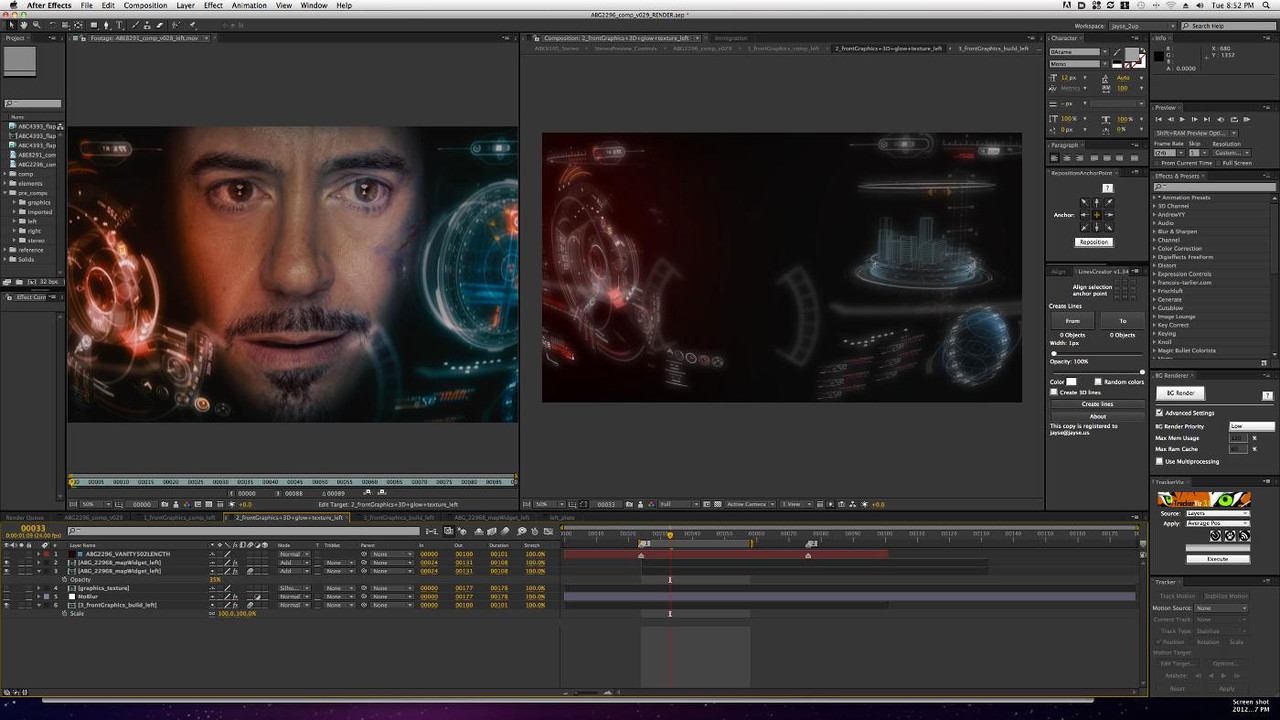
Classic motion graphics software, such as After Effects, still runs most workflows. It is the standard environment for UI motion concepts, trailer graphics, animated typography, logo reveals, transition studies, and reward sequence prototypes. Cinema 4D is usually used when the project requires 3D graphic elements, whether they are animated badges or cinematic title cards. These tools help designers to explore motion quickly before the team commits to an engine-side setup.

How to Hire a Motion Graphics Designer for Your Game
When you decide to hire a motion graphics designer for a game, the important question is what production format fits your team, timeline, and asset pipeline.
There are three common options: in-house hiring, freelance work, and outsourcing to a game art studio. Each can work, but they solve different problems.
In-House Motion Graphics Designer
An in-house designer makes sense if motion graphics will be a constant part of your production pipeline. For example, if you are building a live service game with frequent events, battle pass updates, store refreshes, trailers, and UI iterations, having this specialist inside the team can be useful.
Pros:
- Deep knowledge of the product and art direction.
- Faster internal communication.
- Better long-term ownership of motion systems.
- Easier collaboration with UI/UX, game design, and engineering teams.
Cons:
- Longer hiring cycle.
- Higher fixed cost.
- Harder to replace or scale quickly.
- May be underused if the project does not need constant motion work.
Freelance Motion Graphics Designer
Freelancers are usually a good fit for isolated tasks: a trailer, a logo animation, several store videos, a few reward screens, or a specific UI animation pack.

Outsourcing Studio
An outsourcing studio is often the strongest option when you need motion graphics as part of a broader production pipeline. This is especially relevant if your team needs UI motion, trailer graphics, Steam or App Store assets, animated promo materials, cinematic overlays, and game-ready implementation support at the same time.
Pros:
- Access to several specialists.
- Easier scaling during production peaks.
- Art direction, production management, QA, and delivery control included.
- Better coverage across motion, UI, 2D/3D art, VFX, and engine-ready assets.
- Lower management load for the client.
- More predictable delivery than relying on one freelancer.
Cons:
- Requires clear onboarding and documentation.
- May cost more than a single freelancer.
- Needs alignment on communication, review cycles, and file standards.
The main advantage is that an outsourcing studio can join the project at different stages. If the game is in pre-production, the studio can help define the motion direction. If production is already running, it can create animated UI kits, HUD behavior, reward screens, and promo assets. If the game is close to launch, it can focus on polish, trailers, store videos, and marketing materials.
What to Check in the Portfolio
A good portfolio should show more than stylish animation. For game projects, look for evidence that the designer or studio understands interactive products.
Check for:
- UI animations.
- HUDs, menus, reward screens, store screens, and loading screens.
- Game trailers with readable title cards, callouts, and pacing.
- Work that matches your genre or platform.
- Consistency across a full visual system.
- Clean timing.
- Examples of engine-ready or modular assets.
- Before/after cases where motion improved clarity or polish.
Red flag: a portfolio that looks like advertising only. Film, brand, and commercial motion design can be beautiful, but games need motion that reacts to input, supports UX, and fits technical limits.
What to Ask Before Hiring
Before choosing a specialist or studio, ask questions that reveal how they think about production, not only visuals.
Useful questions:
- How do you prepare motion assets for Unity or Unreal?
- Which parts would you export as video, and which would you rebuild in engine?
- How do you document timing, easing, states, and transitions?
- Can you work with an existing UI kit or design system?
- How do you handle localization and different screen ratios?
- Do you provide editable source files?
- How do you organize review rounds and version control?
- Have you worked with live ops assets, store pages, or trailer production before?
You want a team that understands how motion moves through the production pipeline.
For many game teams, outsourcing provides the best combination of quality, speed, and flexibility. You do not have to build a full internal motion department, but you still get structured production support.
If you need a motion graphics partner for your game, Argentics can support the project from early style exploration to production assets, trailers, store materials, and final polish. Get in touch with the Argentics team to discuss what stage your game is in and what motion graphics support would bring the most value.
FAQ
In short: No. While AE is the industry standard for “pre-viz” (visualizing how a menu or transition should look), game studios need designers who can bring those designs into the engine.
You don’t need to be a software engineer, but you should understand:
- Easing Curves: Understanding the math behind “snappy” vs. “fluid” motion.
- Optimization: Knowing how to keep file sizes low and draw calls down.
- Visual Scripting: Familiarity with Blueprints (Unreal) or Shader Graph is a massive competitive advantage.
While AI can generate simple motion, the implementation (making it work within a complex game engine) and intentionality (matching the game’s specific brand/vibe) still require a human touch.