A fresh look at nostalgic video games shows up now and then, though how they come back isn’t always the same. Sharp graphics pop up in some versions, along with smoother play and fewer crashes. These stay close to the original bones.
Meanwhile, total overhauls emerge using the latest gaming technologies, swapping out core systems while stretching what the game can do creatively. One version holds onto the past, just cleaner and more stable; another tears down walls to build something meant for today’s players. The difference between remake and remaster lies in purpose: one honors history, the other redraws it. Let’s jump into detailed explanations with real-life examples.
Key Takeaways
- A remaster improves visuals and performance.
- A remake rebuilds core systems and game mechanics from the ground up.
- Remasters work best when the original design still feels strong and relevant.
- Remakes are more suitable when outdated mechanics and structure require deeper reconstruction.
- Nostalgia alone does not guarantee success.
- The wave of upcoming projects like Gothic 1 Remake and Max Payne 1 and 2 Remake proves that legacy franchises remain a major creative and commercial focus for the industry.
Remaster vs Remake: What’s the Difference?
What Is a Remaster?
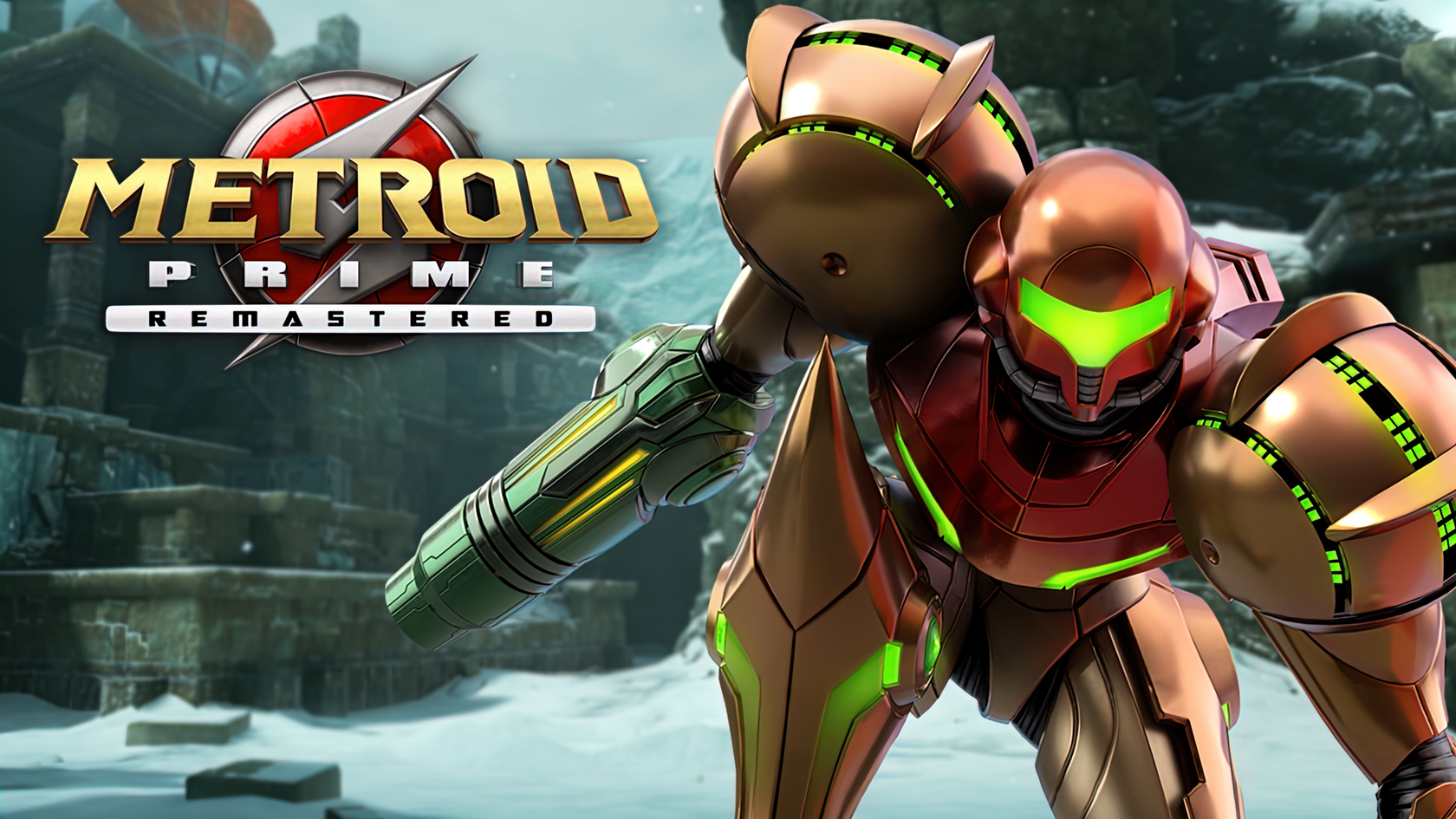
A game remaster is a technically upgraded edition of an existing title built on the original codebase and design framework. Simply speaking, same core, just better under the hood. Even so, visuals get sharper, sounds clearer, and lights more natural.
The changes are production-layer elements:
- texture resolution;
- lighting models;
- frame rate stability;
- audio clarity;
- UI scaling;
- hardware optimization.
What Is a Remake?
By comparison, a video game remake is a complete reworking of a previous title. It usually features an updated engine, modern development pipelines, and frequently completely re-designed systems. Although the original concept and characters can be used as references, core gameplay mechanics, level architecture, combat systems, AI behavior, camera perspective, and even the narrative structure can be rebuilt or expanded.
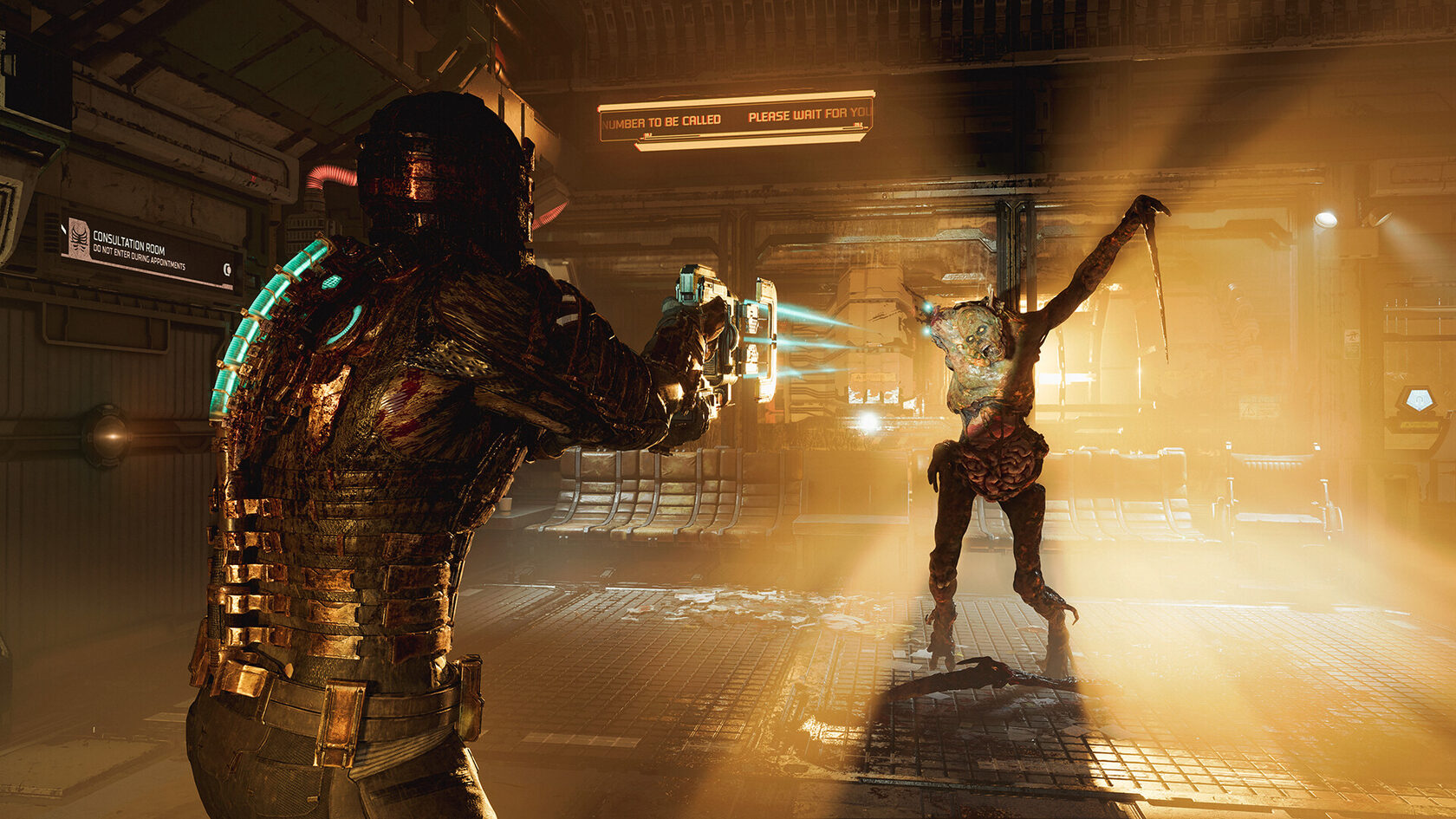
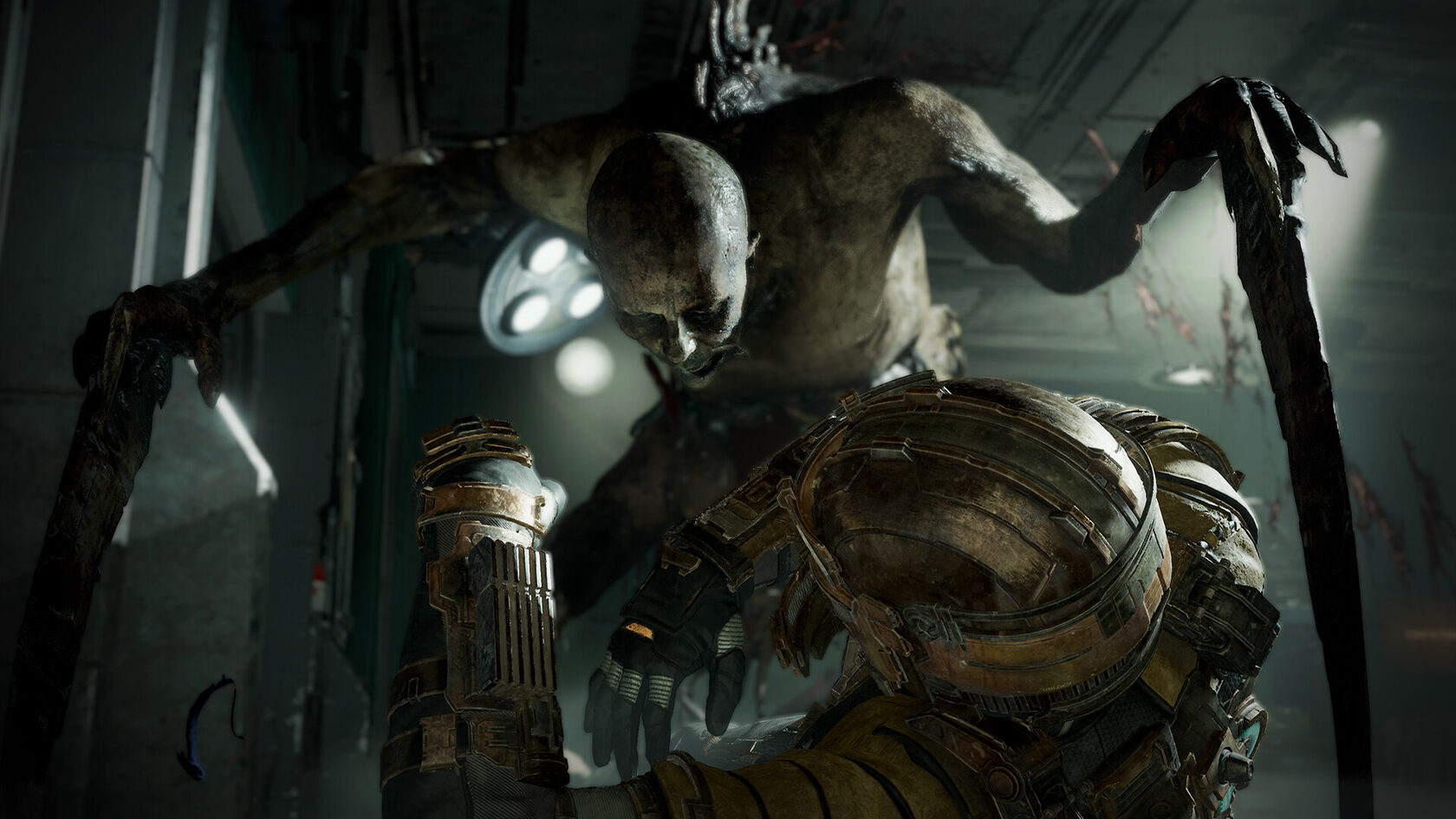
Remakes, unlike game remasters, are at the design level and not at the presentation layer. Dead Space is a prime example of this approach. The 2008 original was rebuilt within a contemporary engine, enhanced with reimagined sound systems, smooth environmental shifts, greater narrative integration, and systemic combat improvements.
Why This Comparison Matters
The discussion around remasters and remakes only intensifies because the industry continues to return to its own legacy. Every year, there’s another polished reissue. Another franchise revived for current hardware.
To gaming fans, this pattern is about attachment. Players want to return to those familiar worlds, only now with the latest production values. At the same time, what people expect has shifted. Success cannot be assumed just because something feels recognizable.
Certain reboots reach further, offering updated versions that surpass earlier ones through sharper timing, deeper gameplay, and richer worlds. A fresh take on Resident Evil 2 turned static camera angles into fluid, close-follow tension, earning wide praise and breathing new life into the series.
For studios, the projects must strike a balance between commercial security and creative risk. For audiences, they weigh an uneasy balance: preservation vs. evolution. The tension between memory and modernization is why the difference between remaster and remake persists in industry debate.
Remaster Success Stories
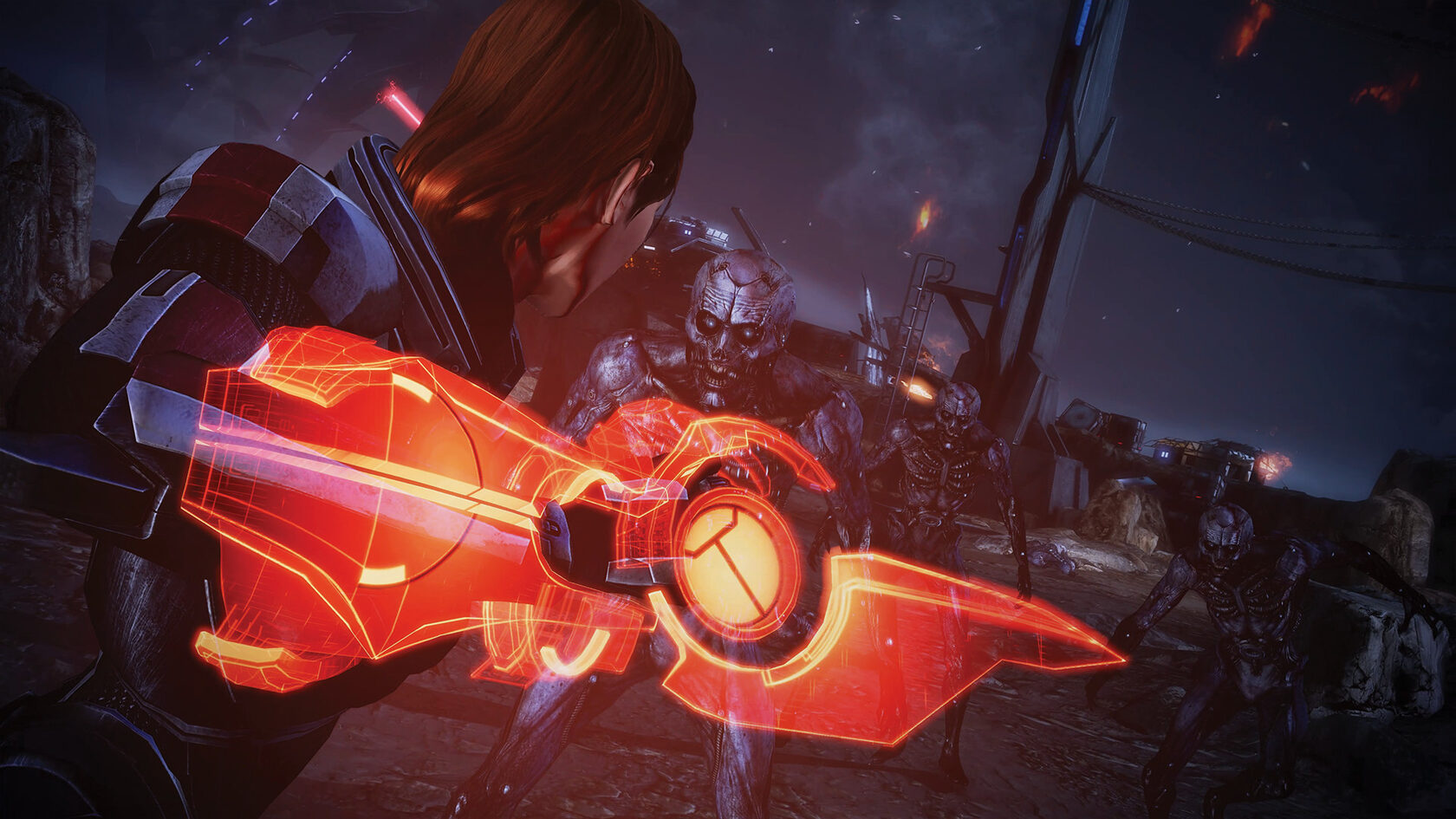
Mass Effect Legendary Edition
Originally released between 2007 and 2012, the Mass Effect trilogy defined a generation of story-driven RPGs. In 2021, BioWare returned with the Legendary Edition. The game dev studio decided on a comprehensive remaster, retaining the core design while refining visuals and flow.
Each of the three games now features sharper textures, improved lighting, advanced shaders, refined character visuals, and smoother performance. There is also unified launcher access, a shared character creator, bundled DLC, and gameplay rebalancing. Rebalancing is seen particularly in the first game, which benefited from the most substantial technical improvements.
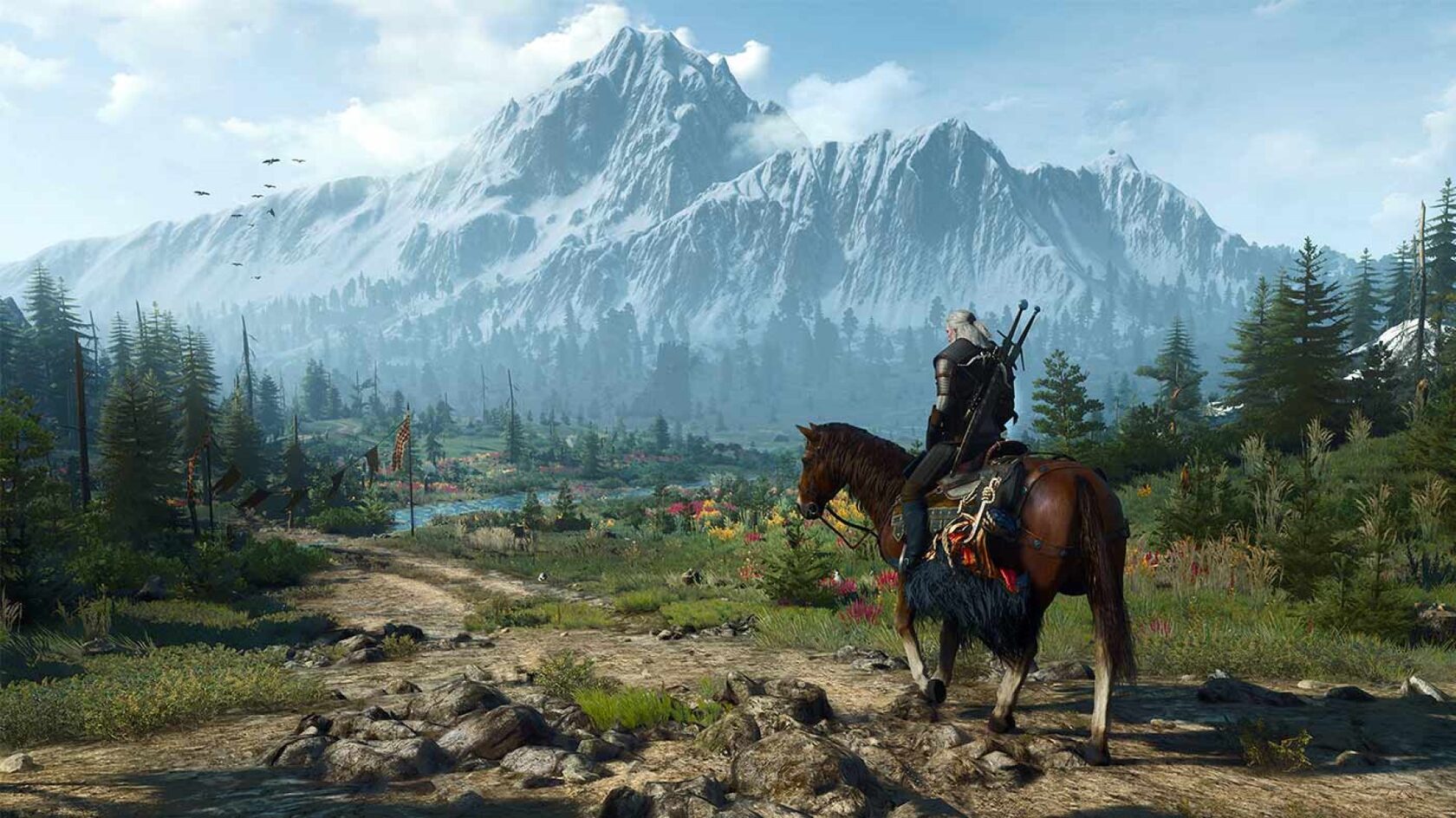
The Witcher 3: Wild Hunt. Next-Gen Update (Version 4.0)
Released on December 14, 2022, the next-gen update for the PlayStation 5, Xbox Series X|S and PC was a free technical redesign. CD Projekt Red focused on performance, fidelity, and accessibility.
Version 4.0 introduced many things:
- ray tracing;
- 60fps performance modes;
- decreased load times;
- updated textures;
- cross-progression;
- a series of Netflix-style cosmetics content for the series adaptation.
Final Fantasy Pixel Remaster
Between July 2021 and February 2022, the Pixel Remaster collection launched on mobile devices and PCs. By April 2023 (coinciding with the series’ 35th anniversary), a compilation arrived for PlayStation 4 and Switch. Later, in September 2024, editions for Xbox Series X and Series S appeared, introducing these classic titles to Microsoft’s platforms for the first time; notably, this also brought a proper standalone PC launch for both Final Fantasy I and II.
Successful Remakes That Redefined Classic Games
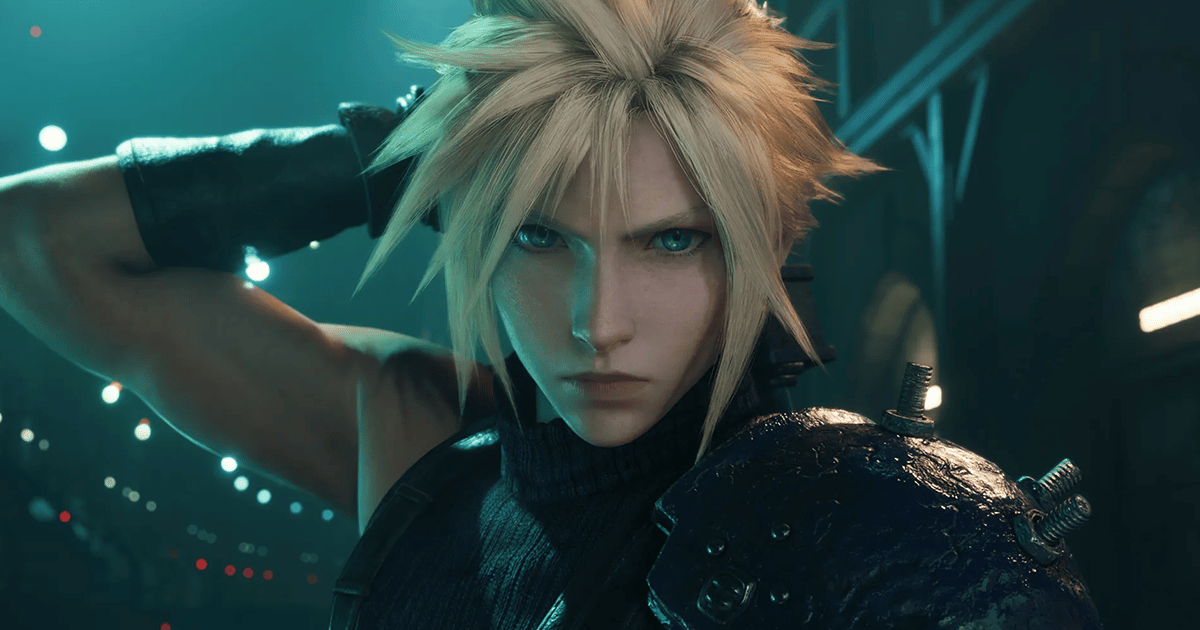
Final Fantasy VII Remake
Square Enix preferred revitalization to preservation. Rather than polishing its textures, the studio rebuilt Midgar at a cinematic scale.
What had been confined to a few opening hours became a full-length, more expansive narrative. Side characters gained depth. The story beats stretched, shifted, and occasionally upended fan expectations. The original Active Time Battle system became a hybrid action model, real-time movement with tactical command pauses, taking action away from menu-driven calculation and turning it into kinetic choreography.
Dead Space
Out in 2008, the first Dead Space reshaped what survival horror could feel like. A fresh version arrived in January 2023, crafted entirely anew by Motive Studio for PS5, Xbox Series X|S, and computers. The studio reconstructed the USG Ishimura in a modern engine. Smooth movement between areas replaced loading breaks, while light behavior and world textures gained richer precision. Combat flow and progression were refined, and a new layered audio system amplified tension throughout the ship.
Side missions grew more involved; now Isaac Clarke speaks through every moment, drawing players closer into his experience. Several reviewers described it as one of the rare remakes that were better than the original.
Demon’s Souls
Perhaps among the most vivid examples of games rebuilt for a new generation stands Demon’s Souls (2020). Originally released in 2009 for PlayStation 3, the game set the groundwork for the Souls format. Now, over a decade later, Japan Studio and Bluepoint Games reconstructed it as a PlayStation 5 launch title that maintained its punishing design philosophy but brought every layer of production up to date.
When Remasters and Remakes Go Wrong
Updating a classic doesn’t automatically bring cheers. Nostalgia increases expectations…and expectations amplify disappointment. The instant that an announced revival seems hurried, undercooked, or technically unstable, there is a backlash. Few things spread faster than frustration inside an entrenched fan base.
Let’s try Grand Theft Auto: The Trilogy – The Definitive Edition. Presently touted as a slick return to the three era-defining titles, it was released with performance issues, visual inconsistencies, and technical glitches that quickly turned anticipation into criticism. Players were raising their eyebrows at the quality control instead of noisy celebrations. The word “bad remasters” caught on, and Rockstar suffered damage to its reputation in addition to the expense of post-launch patches.
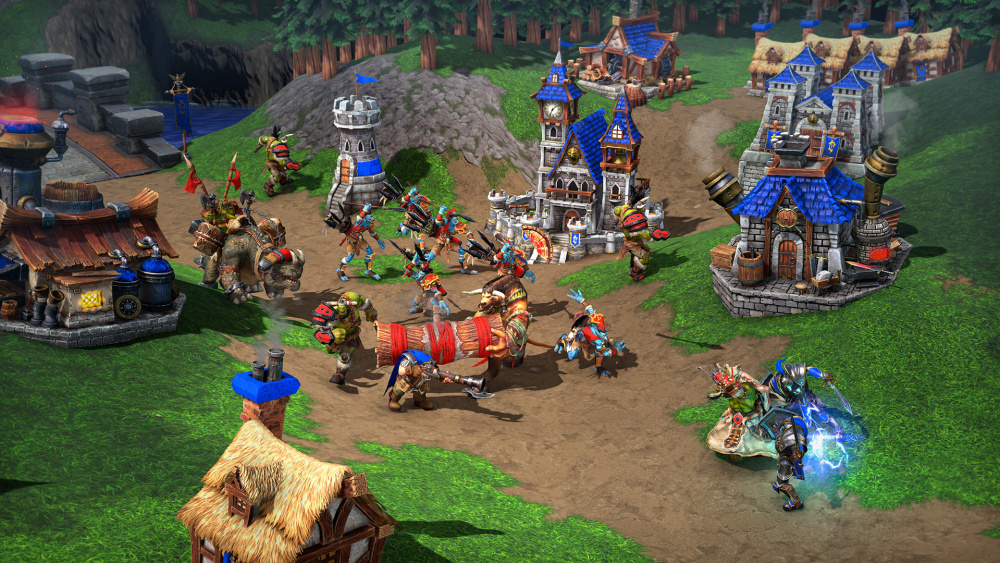
Warcraft III: Reforged also set off this same reaction. Billed as a contemporary overhaul of a strategy touchstone, it came with missing features present in the original and upended user-generated content policies with a mixed following. Community ratings plummeted. For many, the remake games’ risk became visible to those observing in real time: bigger budgets, more in-depth redesigns, and a greater emotional investment portend harsher consequences when execution goes astray.
Which One Really Works Best?
There is no universal winner. The real issue is not which one is best. It’s which one’s right for a given case.
A remaster works well when the basic game mechanics are what you need them to be. If the pacing feels responsive, the controls stay intuitive, and the design philosophy hasn’t aged out of relevance, structural reinvention is unnecessary.
A remake joins the debate when the foundation itself feels dated. Outmoded combat systems, rigid progression loops, and limited AI behaviors (or even their absence) are signals of a deeper reconstruction than that of just updating their graphics alone. What people expect from contemporary design standards, smoother interaction, and systemic depth, is a lot more than just modern audience development.
Upcoming Remakes and Remasters to Watch
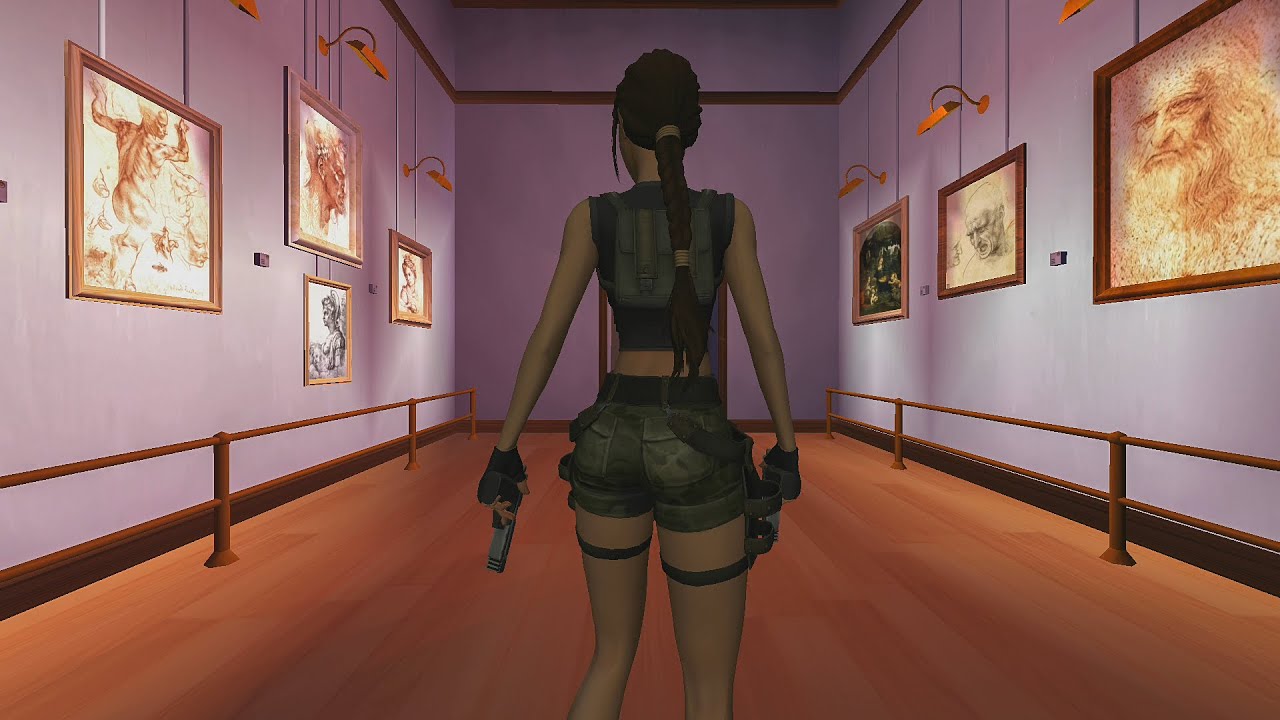
Old-school role-playing world fans should watch for Gothic 1 Remake, which seeks to update its often clunky combat to a modern appearance but keep the roots of the original’s rough-edged charm. On the other hand, The Witcher Remake aims to deliver a complete rebuilt version of the 2007 cult RPG in Unreal Engine 5, at last letting today’s folks enjoy Geralt’s first adventure.
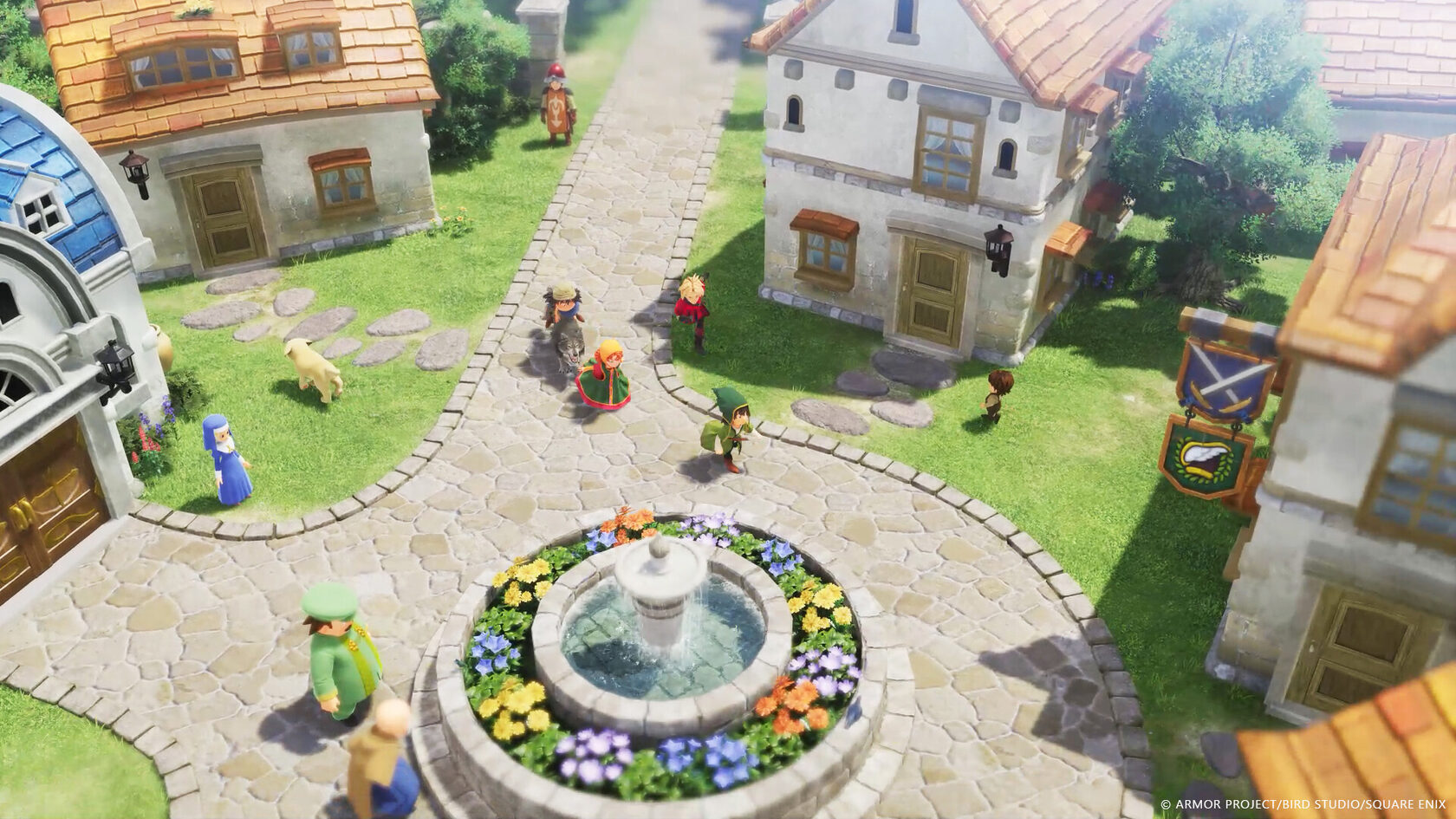
JRPG fans also have plenty on their hands. Dragon Quest VII Reimagined simplifies mechanics and recontextualizes visuals to match a diorama-style aesthetic, and Persona 4 Revival is gearing up to re-introduce Inaba’s otherworldly mystery to a new generation.
FAQ
This is a classic debate.
- Part I (Remake): Rebuilt using the Part II engine. Models, animations, and AI were recreated from zero to match modern standards.
- Part II (Remastered): Mostly a technical patch for PS5, but the core game is the exact same build from 2020.
Games like Shadow of the Colossus (PS4) or Demon’s Souls (PS5) are “1:1 Remakes.” Every rock and enemy is in the same place, but every single asset was created from scratch for a new engine. People call these “Remakes” because of the technical effort, even if the gameplay is a “Remaster” of the original experience.
A port (or “re-release”) is simply making the game run on a new console with zero to minimal changes. Think of it as a “copy-paste” with a few bug fixes to make it compatible with modern hardware.