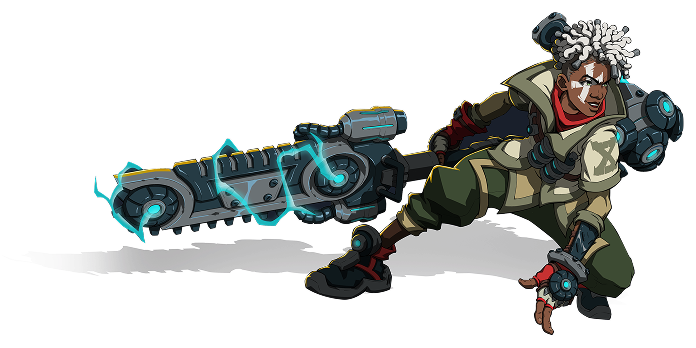
What makes a 2D game memorable? Perhaps it’s the pixel-perfect characters who jump through the treacherous landscapes, the immersive environments oozing with atmosphere, or the polished and intuitive interface that keeps you focused on the action. Every texture, icon, and background works together to tell a story and help you get into another world.
This is the world of 2D game art – one of the pillars of video game design that gives life to virtual experiences. For gamers and aspiring developers alike, a grasp of 2D artwork production is the introductory note to learning how to tell stories through interactive entertainment. In this post, we’ll explore the diverse roles 2D game art plays, dive into its captivating styles, and break down the secrets behind high-quality design.
What is 2D art?
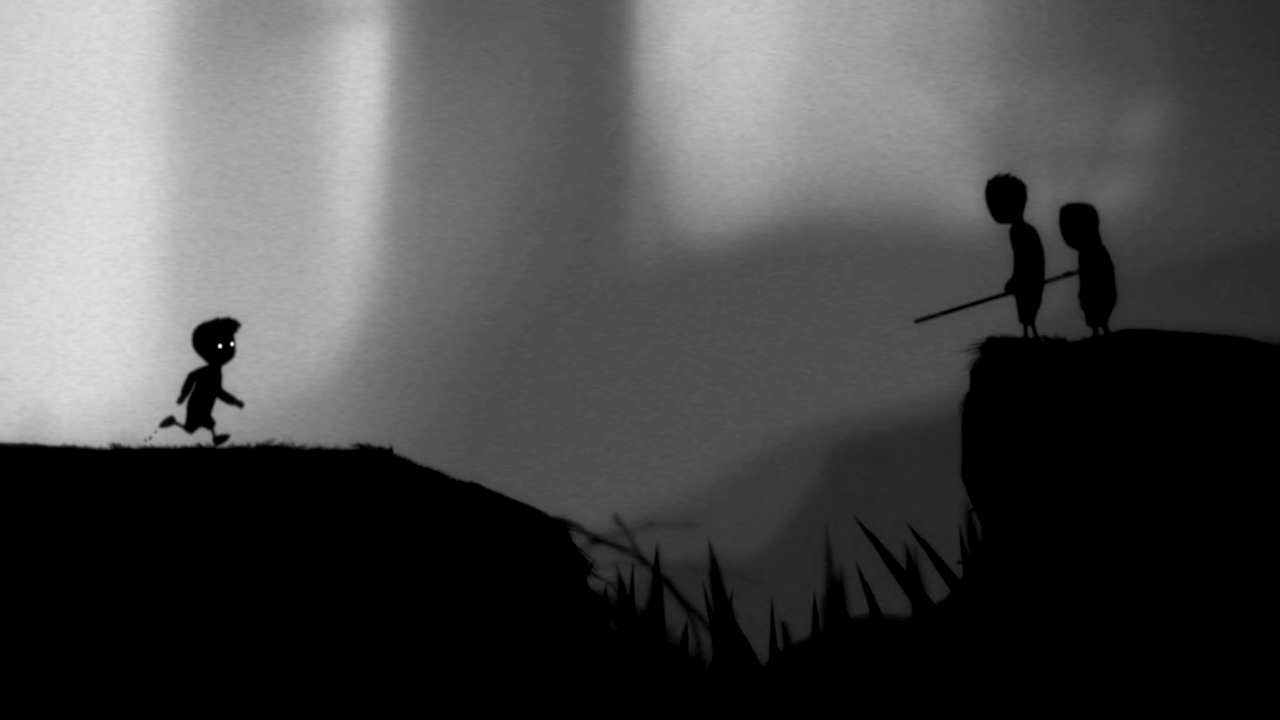
At its essence, 2D game art is the visual heartbeat of a game. Unlike 3D art, which operates in fully rendered dimensional spaces, 2D art uses flat visuals to create dynamic, immersive experiences. And if that “flat” offers any connotations of plainness, a 2D video game is just as capable of delivering an impression as 3D titles. Consider the hand-drawn enchantment of Hollow Knight, the pixel-perfect retro aesthetic of Celeste, or the haunting shadows in Limbo.
Types of 2D Game Art
From the brave characters you manage to the vibrant worlds you navigate, each artwork contributes uniquely to the gaming experience. Let’s analyze the main types of 2D art and explore how they bring games to life.
Character Art: Crafting the Stars of the Game
Character art is where players make their first connection with the game. This is the creation of protagonists, NPCs, and enemies who are supposed to be aesthetically pleasing, emotionally engaging, and playable. The process starts with a series of concept sketches to establish the character’s personality and then moves into detailed designs that account for movement and interaction.
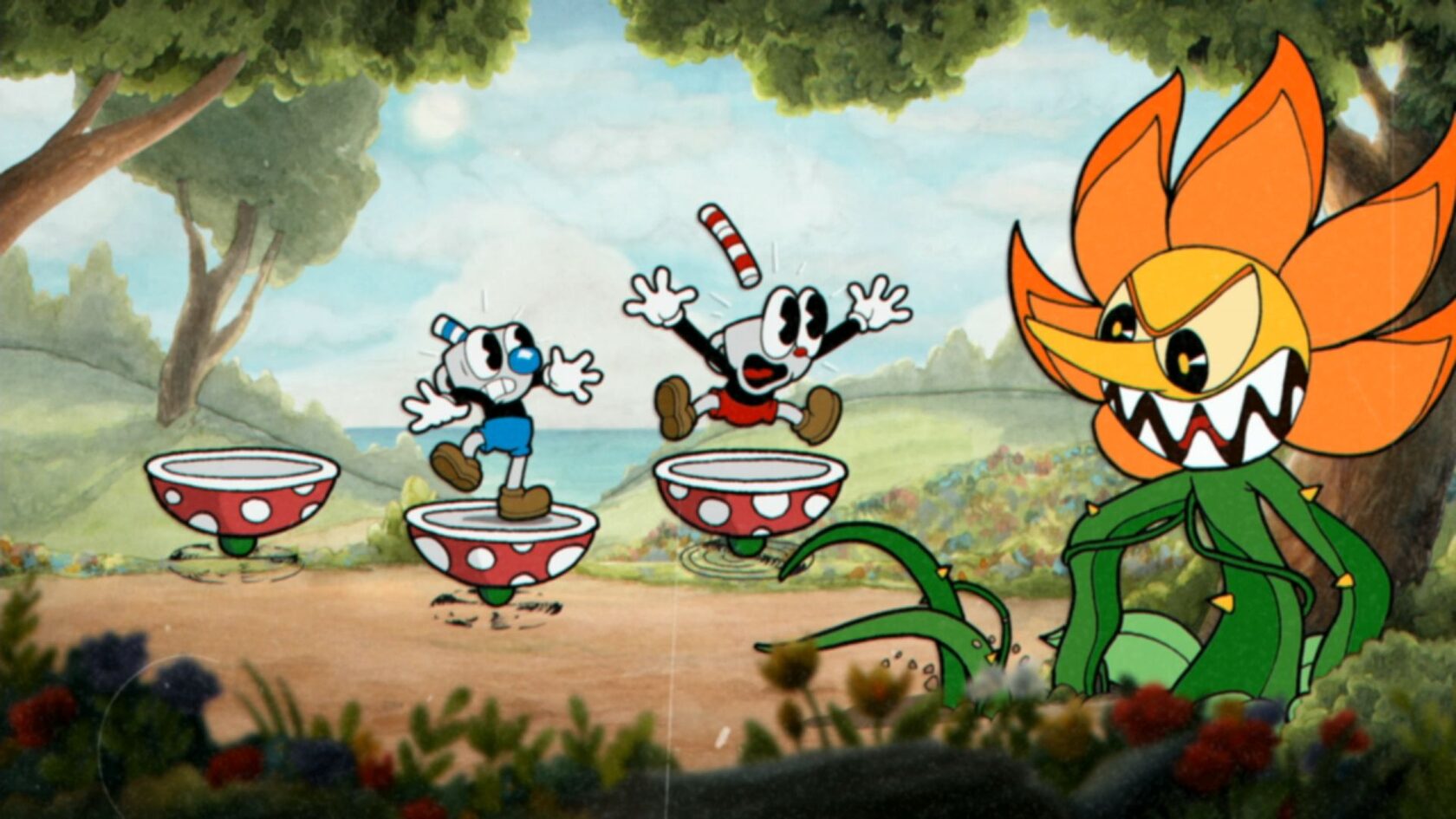
Character art goes beyond just creating a “cool look”; it involves designing personalities, crafting movement styles, and ensuring these elements reflect the game’s story. Consider Cuphead as an example. The game’s distinctive, hand-drawn art—echoing the style of 1930s animation—is striking and gives the characters extreme personality through their exaggerated movement. Whether fighting against quirky bosses or running through manic levels, one can never forget the character art in every encounter.
Environment Art: Building Immersive Worlds
The environments in a game aren’t just backdrops—they’re the stages where the action unfolds. Environment art sets the tone, defines the atmosphere, and creates opportunities for exploration and discovery.
UI Art: Guiding Players with Style
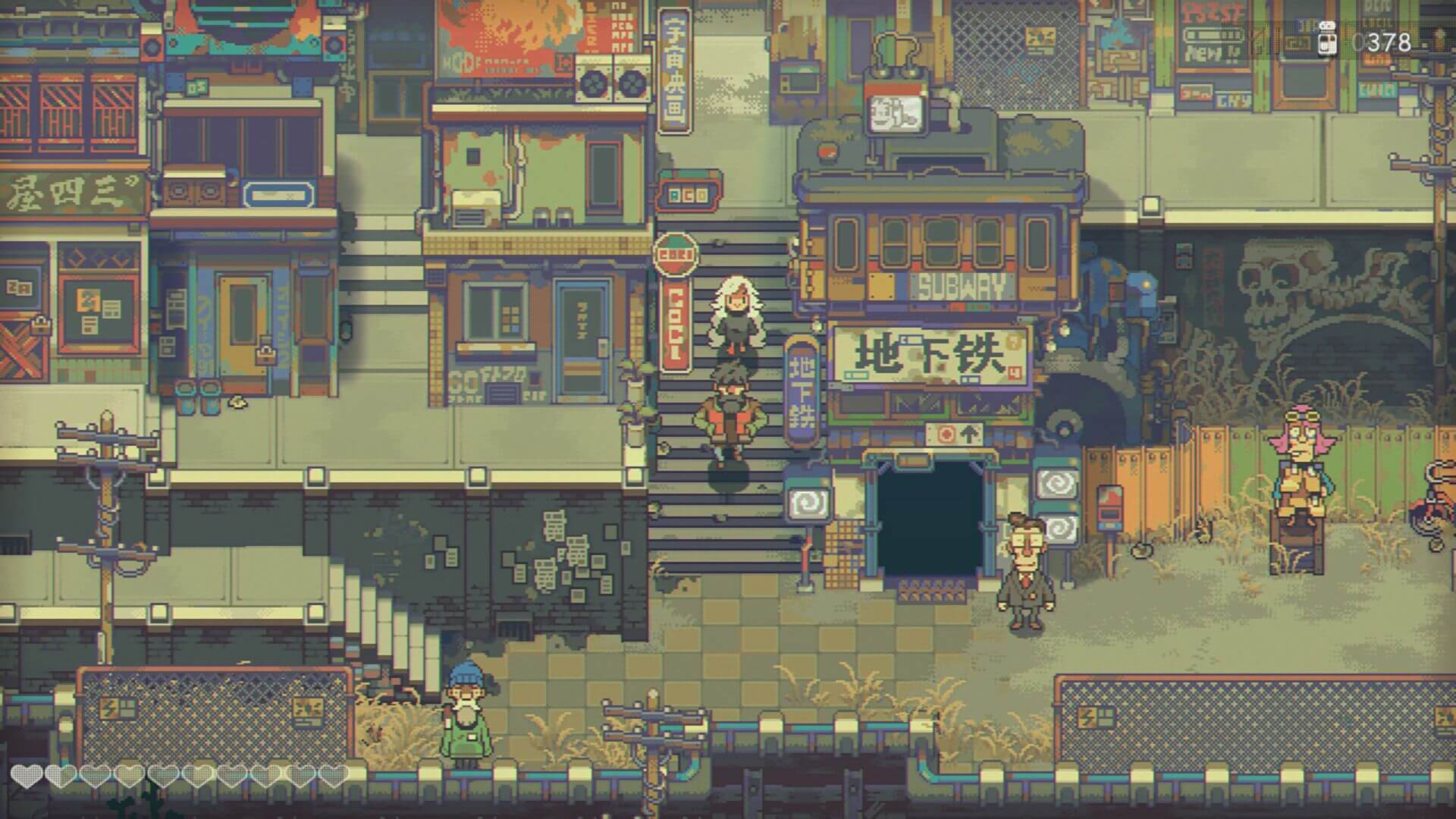
User Interface (UI) art might not be the first thing you notice, but it’s crucial for keeping players engaged and informed. From health bars and inventory menus to mission trackers and maps, UI art allows gamers to concentrate on the action while avoiding getting bogged down in mechanics.
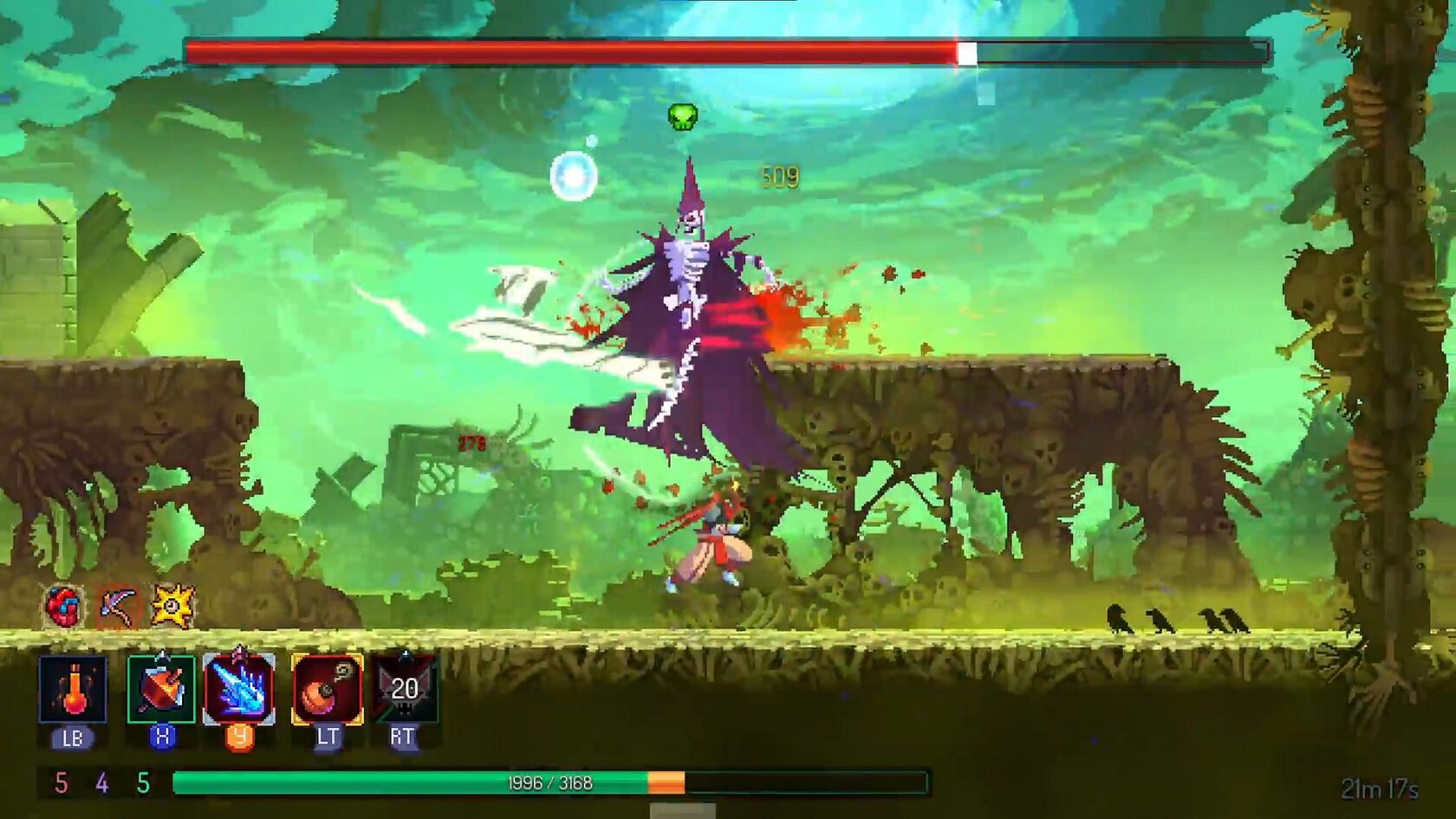
Take Among Us, where players can focus on their tasks—or their alibis—thanks to its simple and minimalist user interface. On the other hand, a game like Dead Cells uses slick, stylized user interface components that complement the game’s fast-paced, roguelike gameplay.
Object Art: Equipping the Player’s Arsenal
What is a game without loot, gear, and collectibles? Object art is the representation of all items that players acquire, use, or interact with in the course of the game. These assets need to stand out visually while blending seamlessly with the game’s style, be it weapons, power-ups, or keys to get to the next level
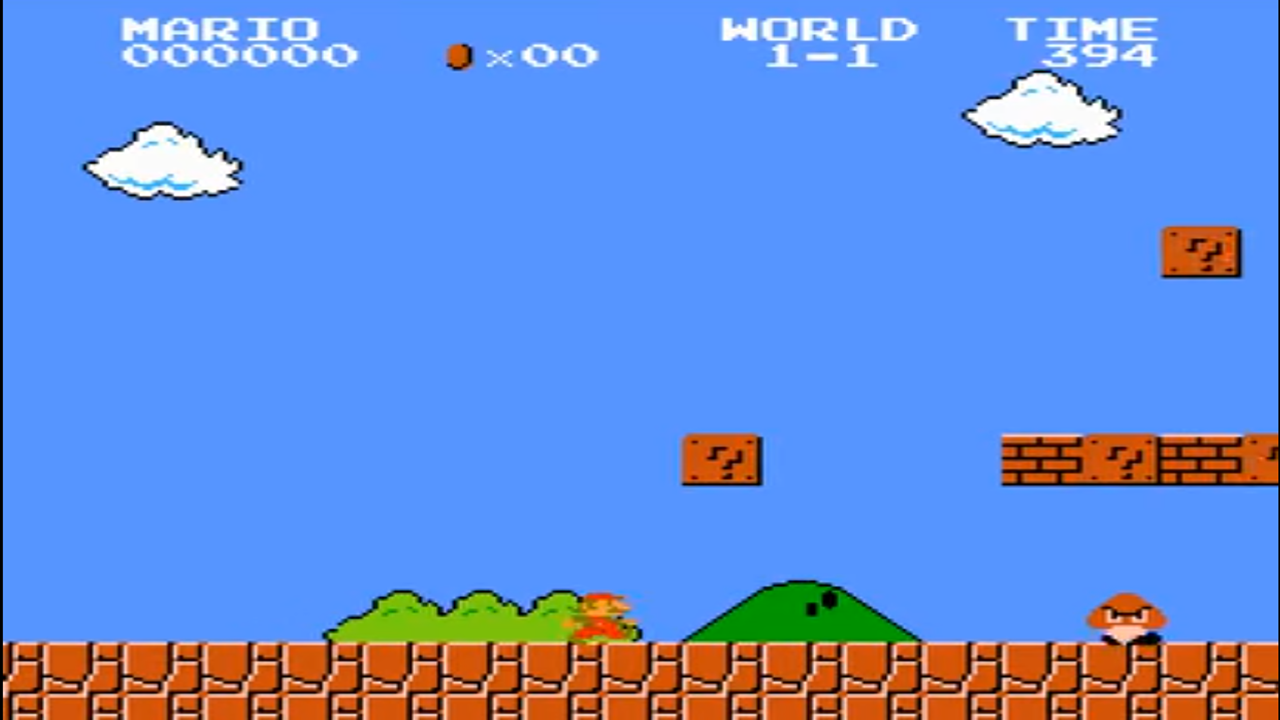
The iconic mushrooms and fire flowers in Super Mario Bros. exemplify this. Each item is instantly recognizable and communicates its function at a glance. In The Legend of Zelda series, objects like the Master Sword and rupees are more than just assets—they’re integral to the player’s journey and are often woven into the game’s lore. Good object art makes pickups feel rewarding and adds excitement to the exploration and progression parts of the game.
Popular 2D Art Styles
When it comes to 2D video games, art styles do more than just define a game’s look—they shape its entire personality. From whimsical adventures to eerie thrillers, the art style sets the tone, tells a story, and keeps players hooked. Here’s a dive into the most popular 2D game art styles and the games that showcase them best.
Flat Art: Clean, Minimalistic, and Bold
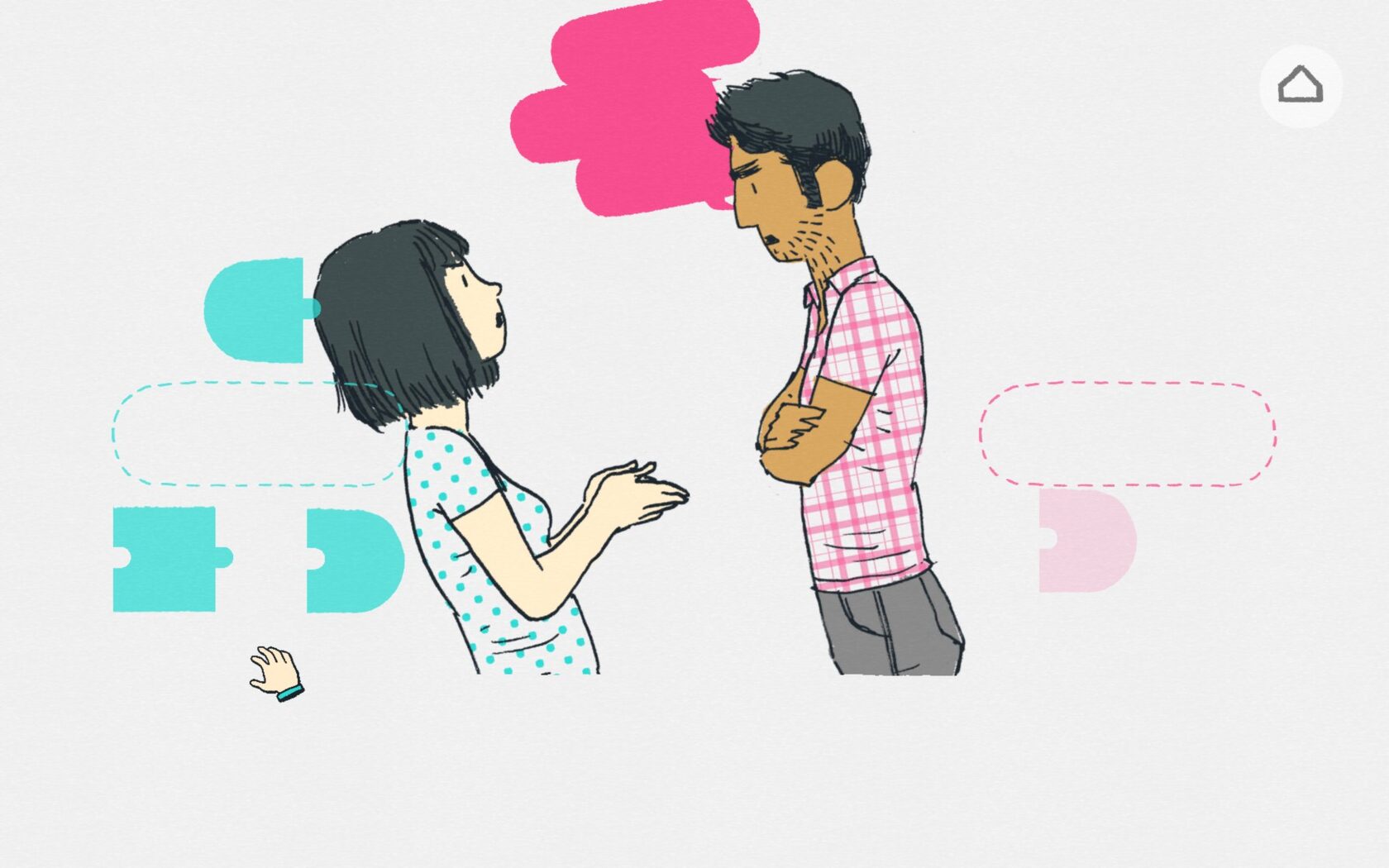
Flat art features simple yet bold colors, clean lines, and minimal shading. This style emphasizes clarity and straightforwardness, so it works well in games that want to focus heavily on narrative. While simple on the surface, flat art can pack an emotional punch when paired with compelling gameplay and storytelling.
In Florence, players experience a young woman’s journey through the highs and lows of her first romantic relationship. The background art style, which is bright and colorful yet feels almost like a comic book panel, captures both the simplicity and intensity of her emotions. The images tell a story about everything from joyful dates to heartbreaking goodbyes, making for an incredibly intimate story about love and finding oneself.
Cutout Art: Layered, Quirky, and Full of Personality
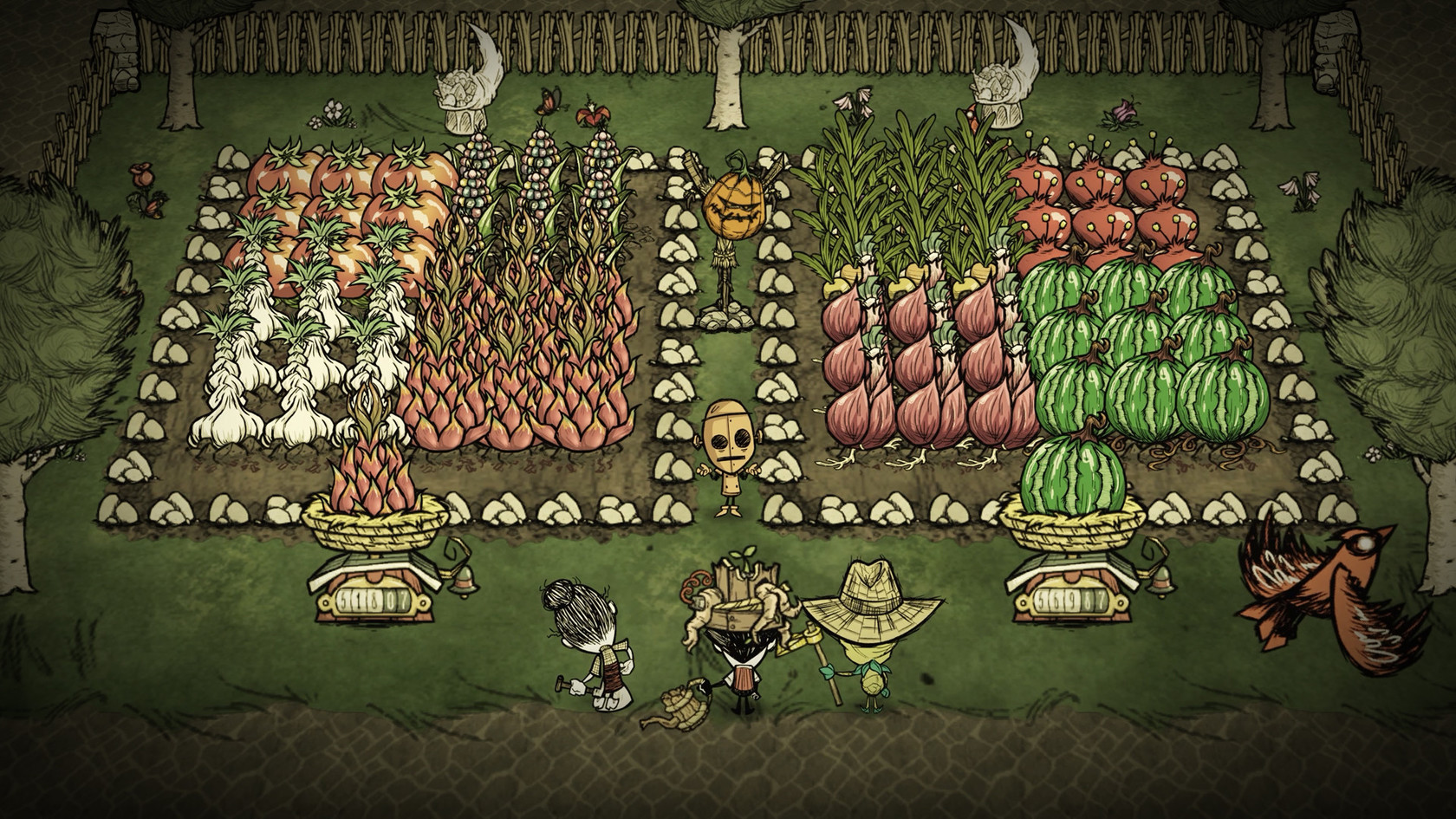
Cutout art mimics the appearance of paper cutouts layered on top of each other, often resembling stop-motion animation. It stands out for its handcrafted feel and is perfect for games with quirky or surreal themes.
Don’t Starve takes the cutout art style and cranks up the creep factor. The game’s dark survivalist tone perfectly complements the eerie, Tim Burton-esque visuals. Every tree, character, and shadow feels painstakingly cut out from construction paper, adding a charm layer to that unsettling gameplay.
Geometric Art: Shaped by Symmetry and Precision
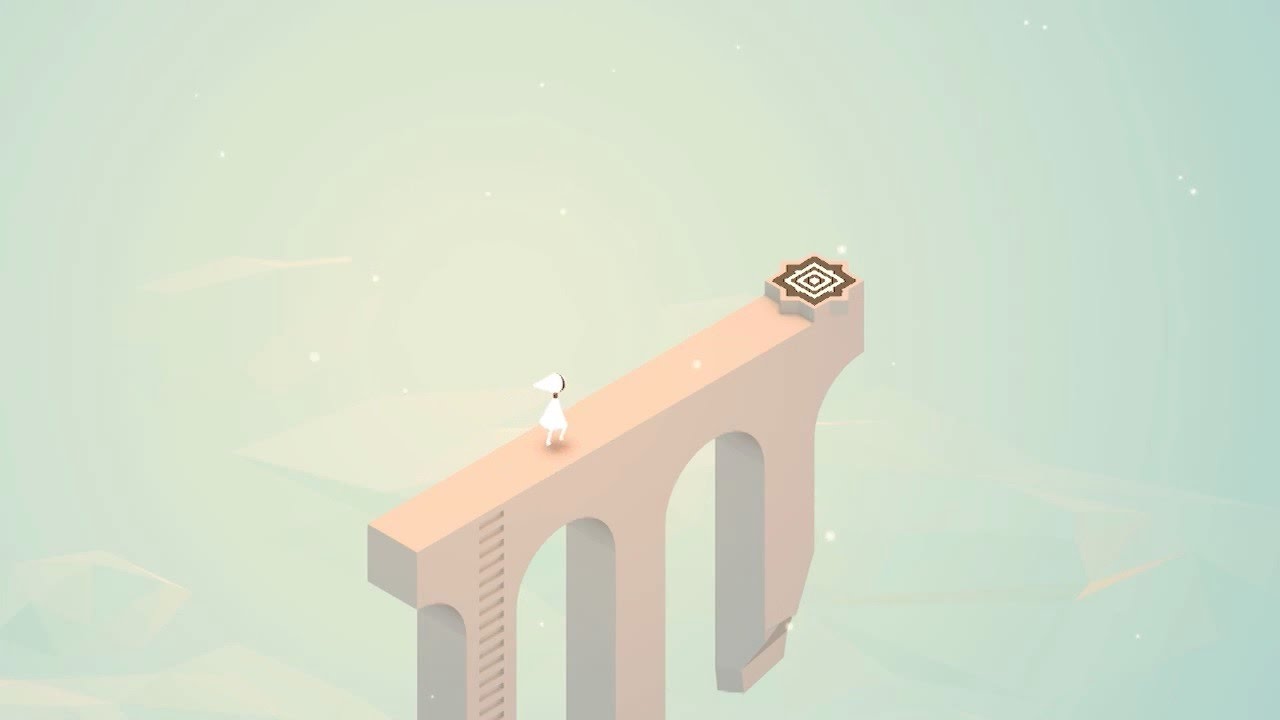
Geometric art creates eye-catching compositions using shapes, triangles, squares, and circles. The approach is minimalist and contemporary while often combining aesthetics with gameplay mechanics.
Few games have utilized geometric art as successfully as Monument Valley. Its isometric visuals and Escher-like architecture transform every level into a mind-bending puzzle. The art style complements the gameplay but, in fact, makes up its very essence.
Monochromatic Art: Minimal Colors, Maximum Impact
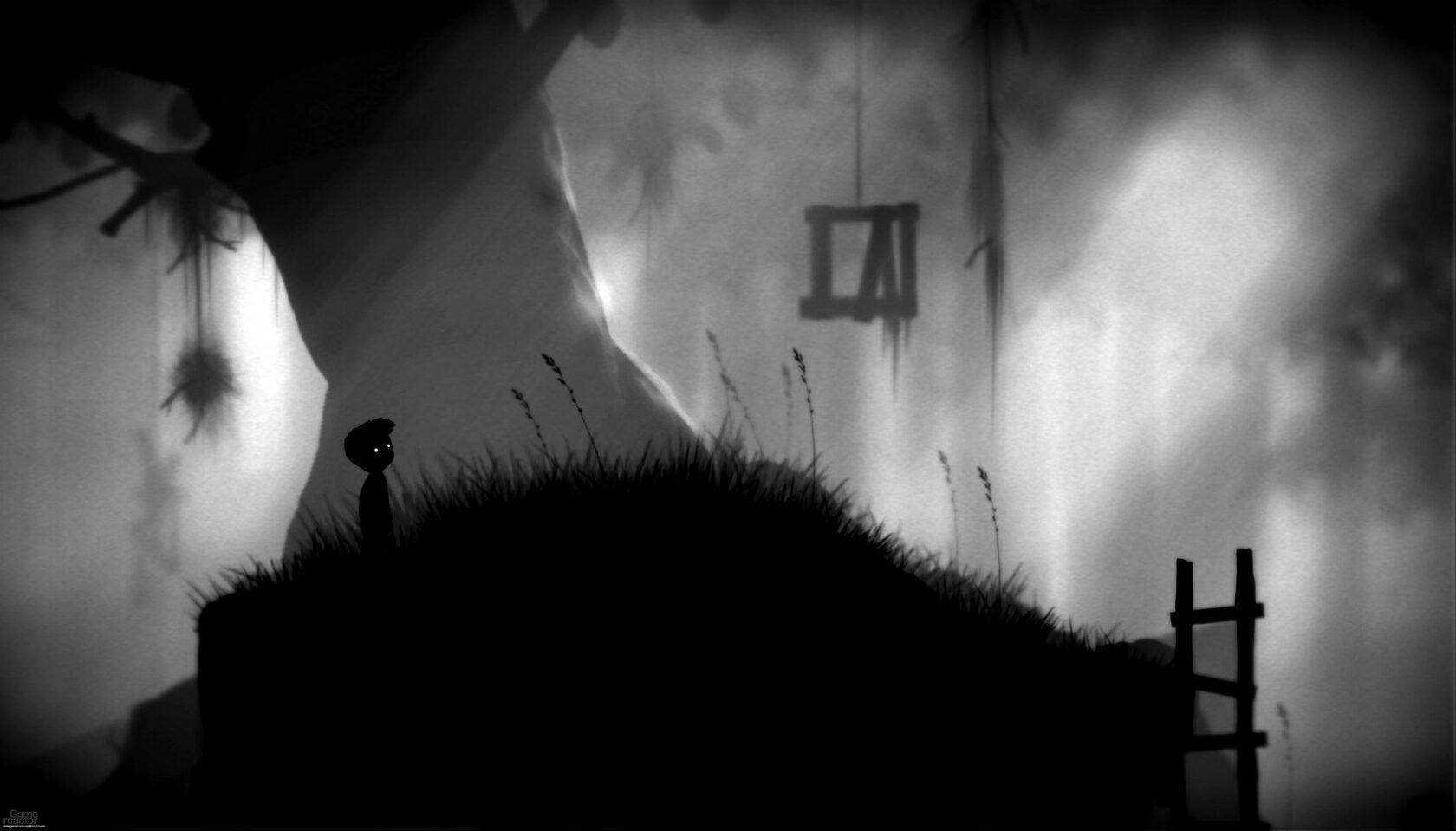
Monochromatic art uses a single color palette to focus on contrast, mood, and atmosphere. This is particularly suitable for narratives that are darker and more mysterious in tone.
Limbo follows an unnamed boy who crosses dark, perilous dimensions searching for his sister. The game’s black-and-white art style strips away unnecessary details, leaving players with a stark, unsettling environment filled with traps and eerie creatures. Monochrome visuals thus become integral to the tension—every shadow becomes as good as a threat, and light’s fleeting flicker is a moment of hope.
Quality in 2D Game Art
The quality of 2D game art is the secret weapon behind a game’s success. It’s what separates a passable platformer from an unforgettable adventure and a casual time-killer from a cult classic. For players, quality isn’t just about how good a game looks—it’s about how seamlessly the visuals work with the mechanics, how the style enhances the story, and how the world draws them in. Let’s break down the key components that define top-tier 2D video game visuals and see how they level up the player experience.
Resolution
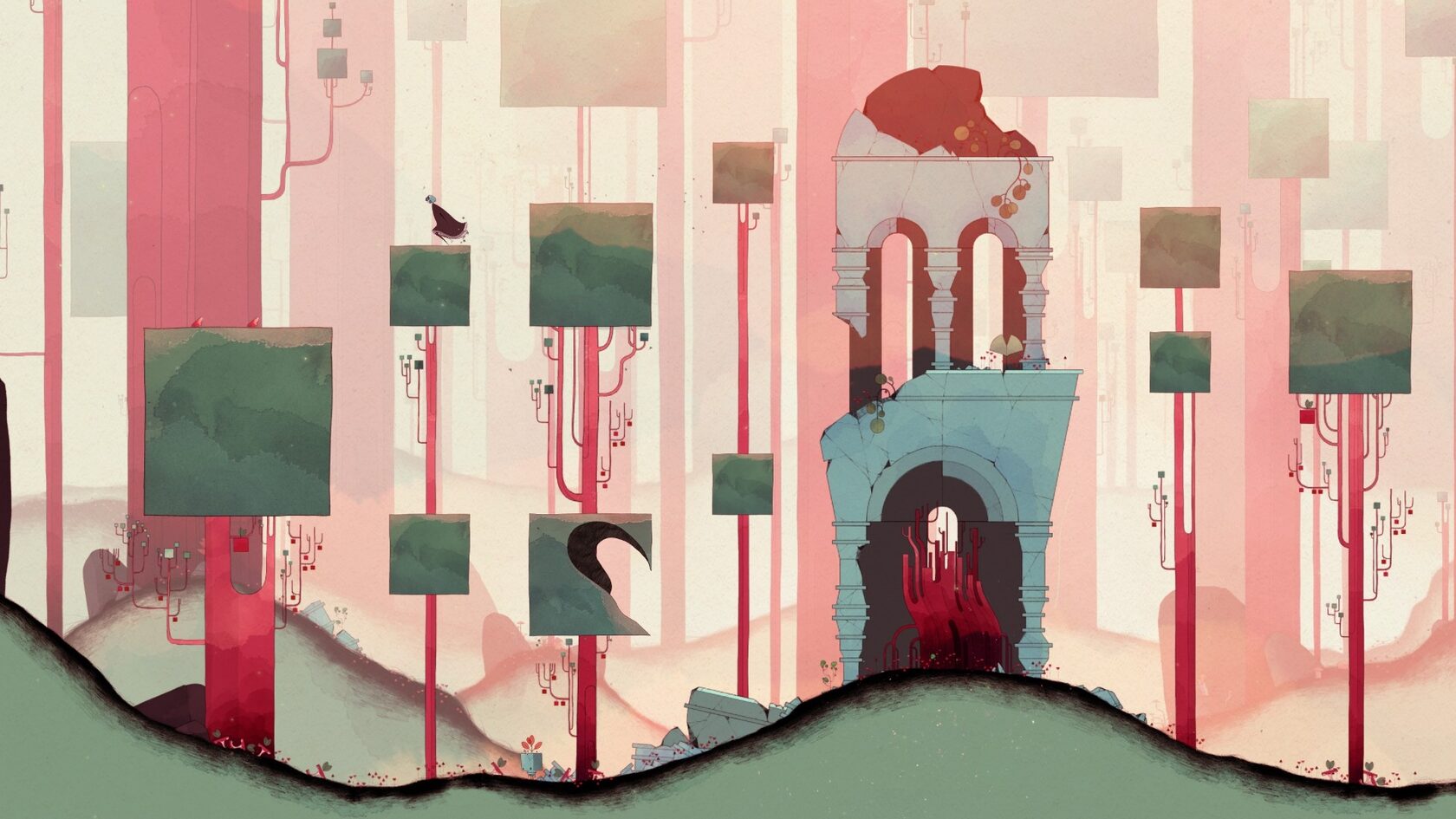
Resolution plays a major role in how polished a game feels, but it’s not a one-size-fits-all solution. Some games benefit greatly from being super clear and sharp, and others use more rough graphics. High-resolution artwork can convey fantastic detail, making games like Gris feel like true interactive art pieces. On the other hand, games such as Celeste use pixel art that gives an out-of-time charm appropriate to speedy, precise platforming.
Consistency
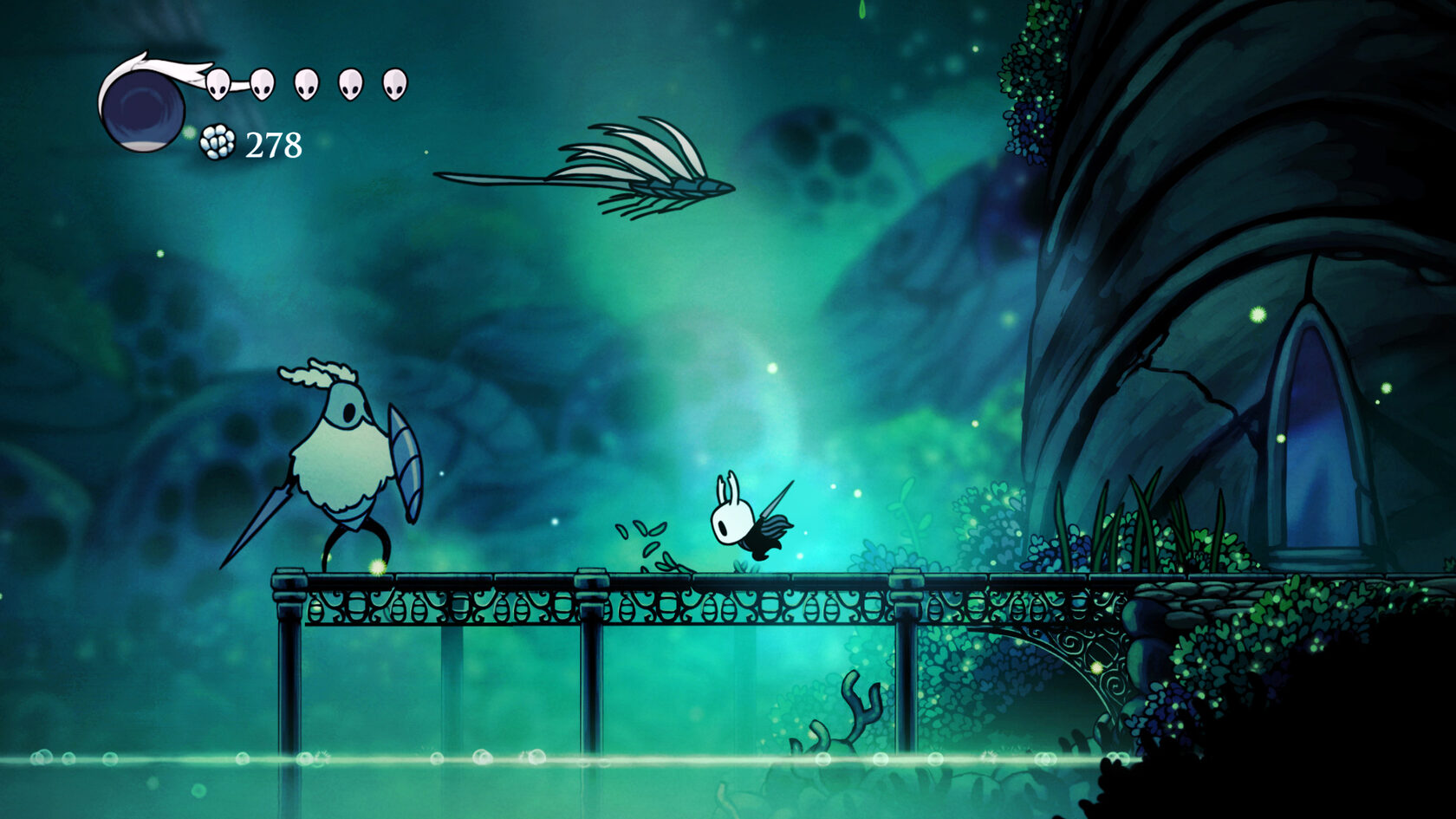
Consistency in 2D game art is the ultimate power-up for immersion experience. When the characters, the environment, the UI, and the objects all have a similar style, it draws players into a world that feels believable and real. Without that, a game can feel random, like a level stitched together with mismatched assets.
Color and Shading
There is more to colors and shading in 2D video games than just decorative elements – they are strategic gameplay and storytelling tools. A well-picked palette creates cheerful, vivid atmospheres or somber, suspenseful moods, pulling players into its world without a single line of dialogue in the story.
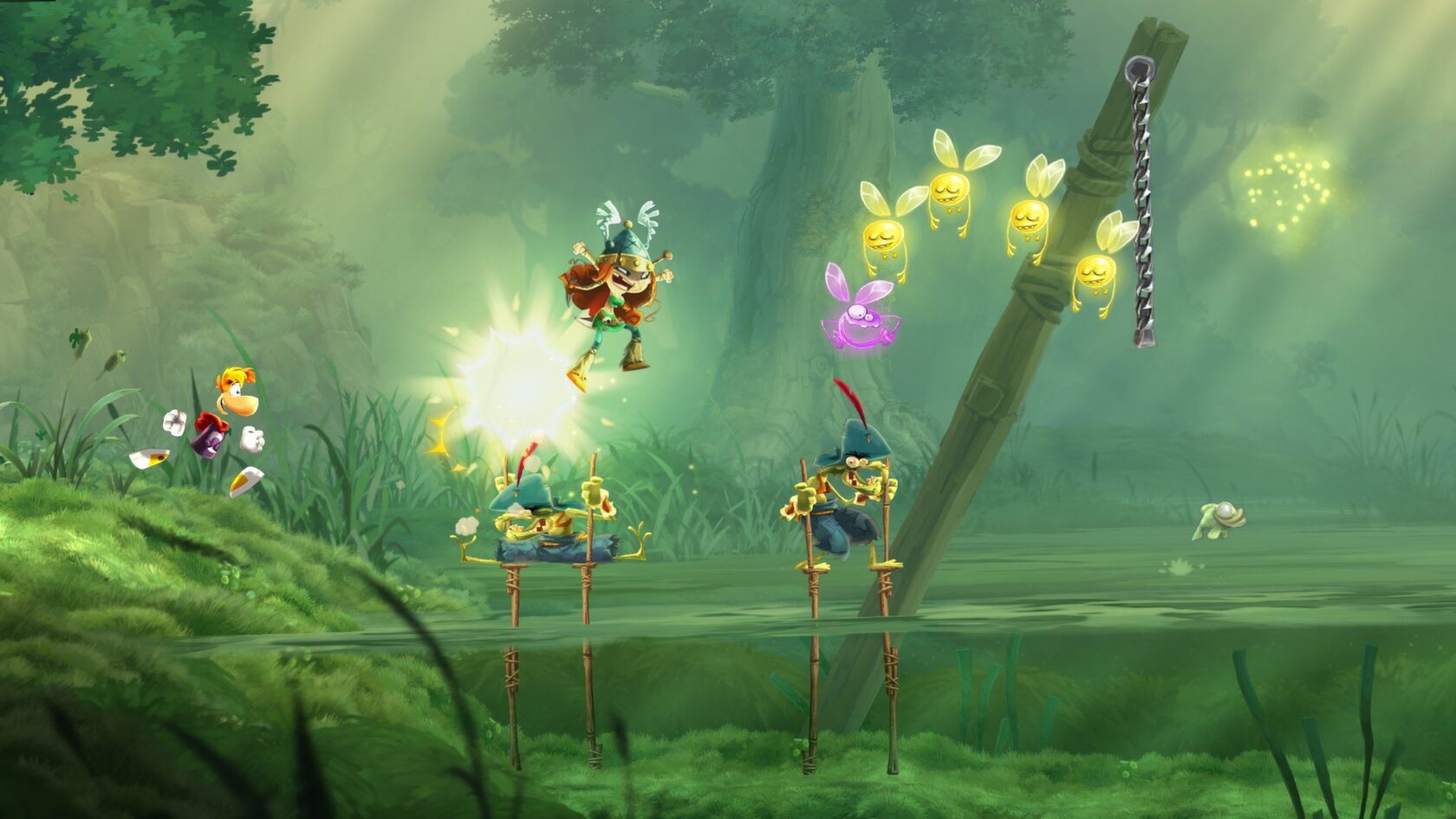
For example, Rayman Legends bursts with bright, playful hues that match its upbeat, high-energy game art style. The light effects help players find their way through the different levels by illuminating paths and determining interactive objects. In contrast, Limbo relies exclusively on stark black-and-white imagery and dark contrasting shadows to heighten the ghostly and mysterious ambiance of the game, thus keeping players tense while crossing its hostile environment.
FAQ
What is "concept art" in 2D game development?
Concept art is the initial visual development phase. It involves creating sketches, paintings, and illustrations to explore and define the game’s overall visual style, character designs, environmental moods, and key art elements before full production begins. It acts as a visual guide and reference for the entire art team.
Where can I find resources to learn 2D game art?
- Online Tutorials: YouTube, Udemy, Skillshare, Domestika.
- Dedicated Art Websites: Pixeljoint (for pixel art), ArtStation, and DeviantArt (for inspiration and artist communities).
- Game Development Forums & Communities: Reddit (r/gamedev, r/pixelart), TIGSource forums.
- Books: Many books cover game art principles, specific software, and various art styles.
Practice! The most important resource is consistent practice and experimentation.
Should I create my own art or use pre-made assets?
Both options have pros and cons:
Creating Your Own Art: Offers complete creative control, unique visual identity, and is great for learning. However, it’s time-consuming and requires artistic skill.
Using Pre-Made Assets (Asset Packs): Saves time and resources, can be cost-effective, and allows developers without art skills to focus on other aspects. The downside is that your game might look generic, and finding assets that perfectly match your vision can be challenging
Game quality isn’t just a perspective—it’s a gameplay multiplier. It allows players to concentrate on what matters: the timing of their jumps, the strategy of their attacks, and enjoying the story. A great-looking health bar, a boss that is animated beautifully, or an intricately designed map is not for pomp but rather a subtle guide that keeps the player engaged and in control.
The artistry of digital 2D art offers endless opportunities for creativity. Whether creating bold, flat characters, detailed complex environments, or striking UI design, the possibilities are endless-just like one’s imagination.
So, if you’ve ever dreamed of crafting unforgettable characters, designing lush worlds, or experimenting with groundbreaking 2D game design, now is the time to dive into it. The next masterpiece is waiting for your touch.
Producing exceptional digital 2D visual art requires talent, imagination, and a proper team. Argentics is that A-team. We know what it takes to succeed in your 2D game development project, ensuring every pixel serves a purpose and every design resonates with players.
Don’t gamble with your game’s graphics—team up with Argentics for a visual experience that not only pops but tells a story players will never forget. Let’s make something special together! Get in touch with Argentics today and begin making the game you’ve always envisioned!