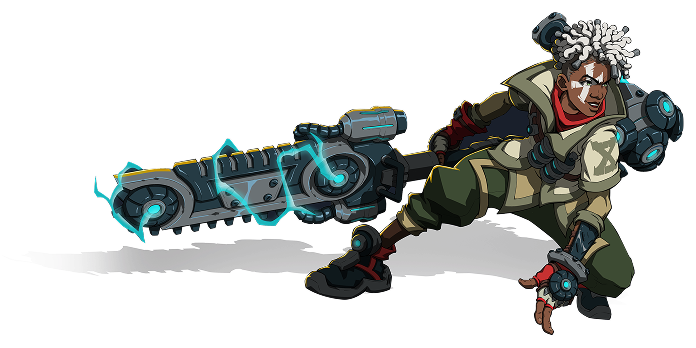
Imagine this: you score a sword in a game that destroys enemies and comes with real-world clout. Welcome to the world of Web3 games. In gaming, NFTs are turning this notion on its head by allowing players to own their in-game gear, characters, or even pieces of land. NFT, or Non-Fungible Tokens, are unique digital goodies stored on a blockchain—your ticket to owning stuff that’s one-of-a-kind in the virtual space. While in traditional computer games, your loot is stuck in the system, with NFT games, you can trade, sell, or hoard your treasures outside of the game itself.
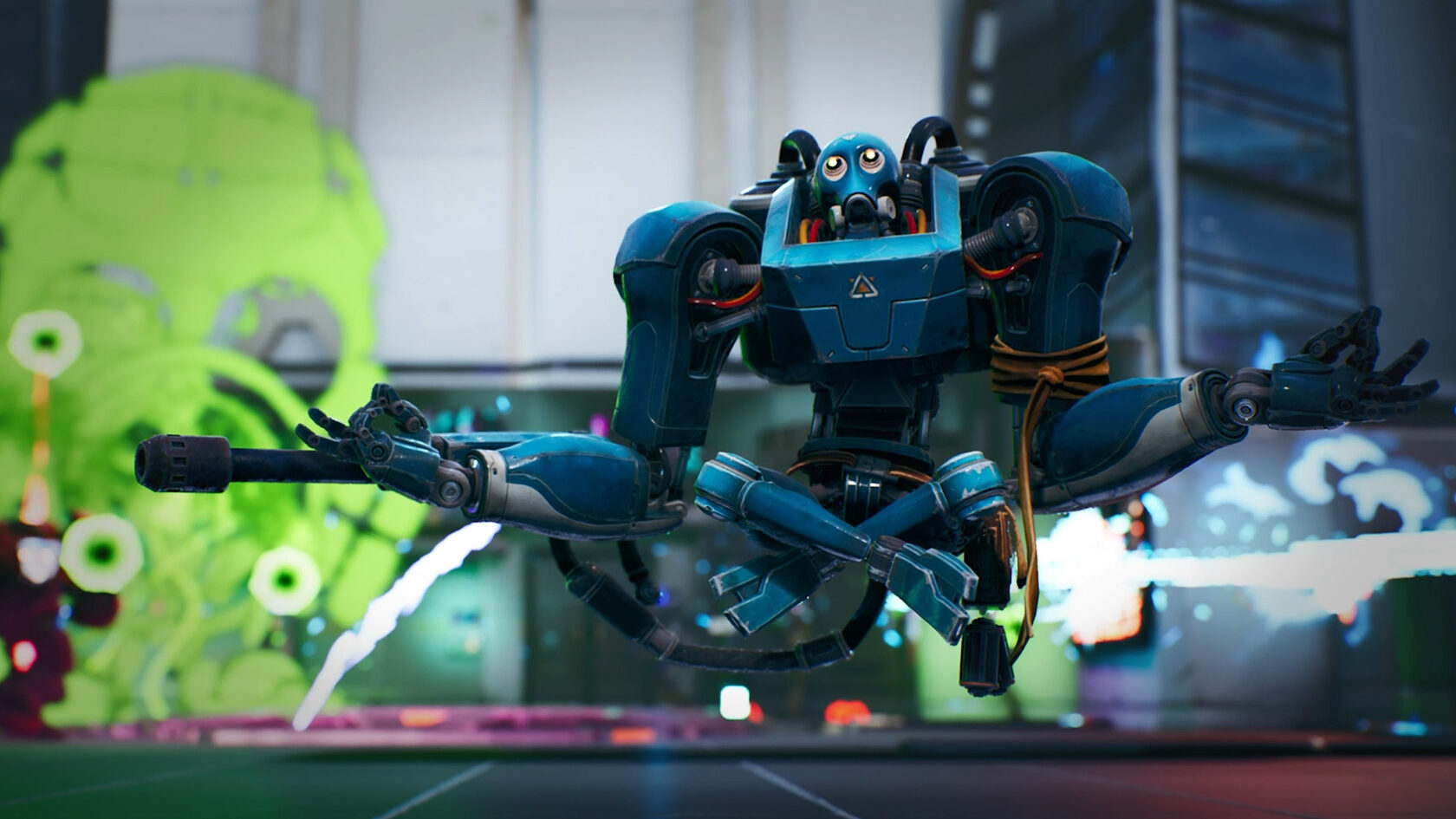
What Sets Web3 Games Apart from the Rest
With Web3 games, players take the wheel, owning their assets, trading them freely, and shaping their gaming journey. NFT games aren’t just leveling up—they’re rewriting the rulebook. If you’ve ever dreamed of cashing in on those hours of gameplay, this is where the grind pays off—literally.
Owning Your Loot
In regular games, you can spend months grinding for rare skins or weapons, only to realize they’re locked tighter than a boss fight in the game’s ecosystem. NFT gaming flips the script with blockchain technology. When you acquire an item like a killer skin in Axie Infinity or a legendary weapon in Illuvium, it’s stored as an NFT in your cryptocurrency wallet. This means you truly own it and can take it beyond the game—flaunt it, trade it on marketplaces like OpenSea, or sell it for real-world money. The ultimate flex is owning gear that holds actual value outside the game.
Get Paid to Play
NFT games hit a high score with the “play-to-earn” hustle. Unlike traditional games, where you grind for bragging rights or cosmetic upgrades, Web3 games allow you to make real money. The players earn cryptocurrency by completing in-game tasks, fighting enemies, or entering events. With time, these rewards can be changed into actual money or reused to level up your gameplay. Whether it’s staking crypto in The Sandbox or flipping rare cards in Gods Unchained, the reward is real and can even become a secondary source of income for serious players.
Community-Driven Gaming
The Web3 ethos is about players being more than just players—they’re builders and creators. Governance tokens give players a say in game direction, and some platforms even reward modders with crypto for their creations. Take The Sandbox, for example, where user-generated worlds and games are the backbone of its success.
Powered by Blockchain
Blockchain is the MVP behind the scenes, ensuring everything stays legit and secure. This digital ledger does more than track ownership. It also provides increased transparency for trades and transactions. It’s your game’s cheat-proof engine, you might say. Even more, blockchain allows cross-game interoperability. Imagine using the sword you’ve earned in Star Atlas in other games. This technology also ensures your goods are not only sellable or tradable without the game’s devs but also give you total ownership of your virtual treasures.
NFT games aren’t just about playing—they’re about participating in a new, player-driven economy where your time and effort are rewarded.
Top NFT Games to Play in 2025
Get ready to gear up because NFT gaming in 2025 is going full send. The game worlds are bigger, and the loot is sweeter. These upcoming NFT games are about stacking rewards, leveling up, and flexing your skills in metaverses that blur the lines between gaming and reality. Whether you’re raiding futuristic battlefields, running pirate crews, or building voxel kingdoms, these top NFT games bring the heat.
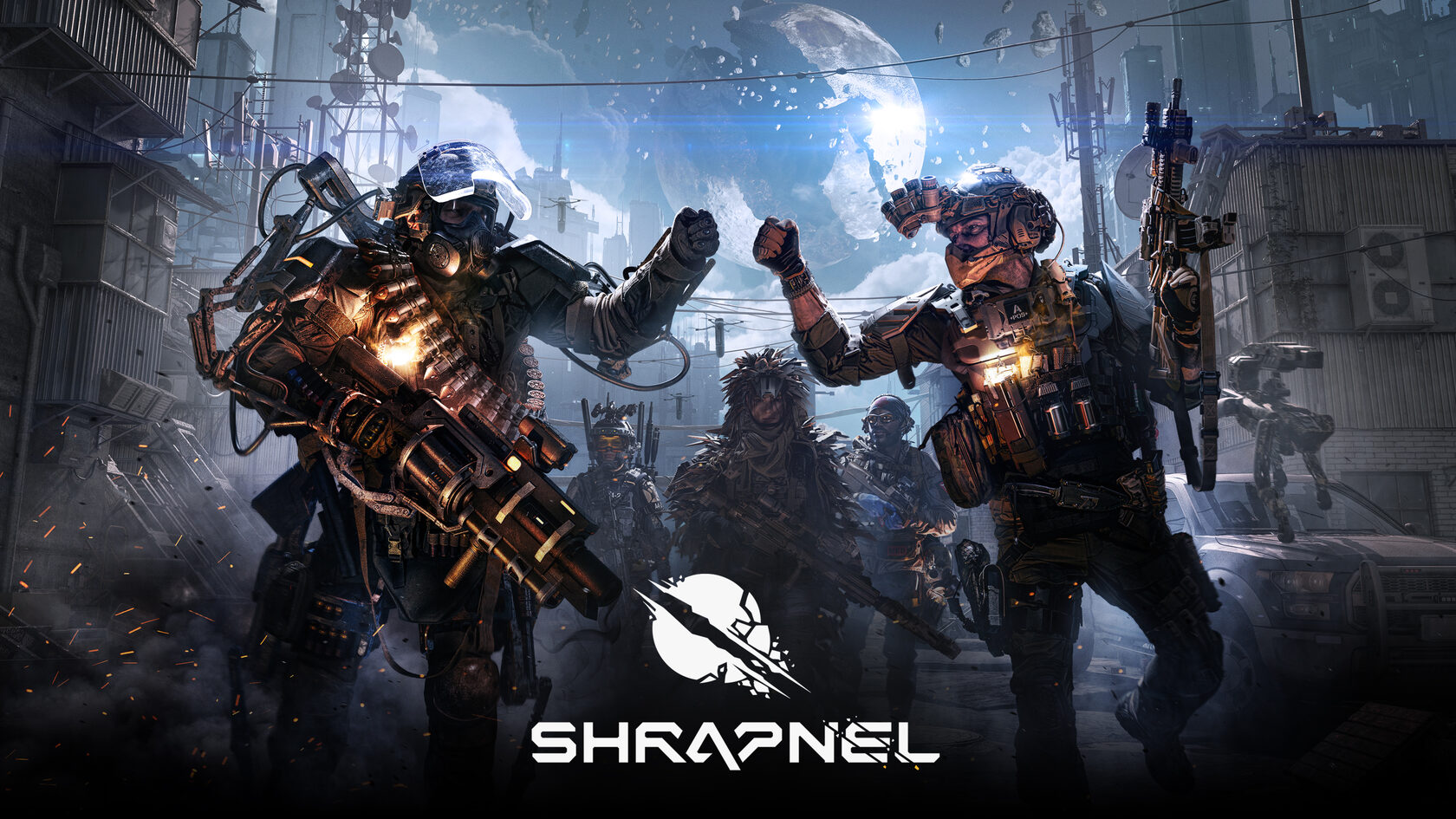
Shrapnel
Get ready to gear up because NFT gaming in 2025 is going full send. The game worlds are bigger, and the loot is sweeter. These upcoming NFT games are about stacking rewards, leveling up, and flexing your skills in metaverses that blur the lines between gaming and reality. Whether you’re raiding futuristic battlefields, running pirate crews, or building voxel kingdoms, these top NFT games bring the heat.
HYTOPIA
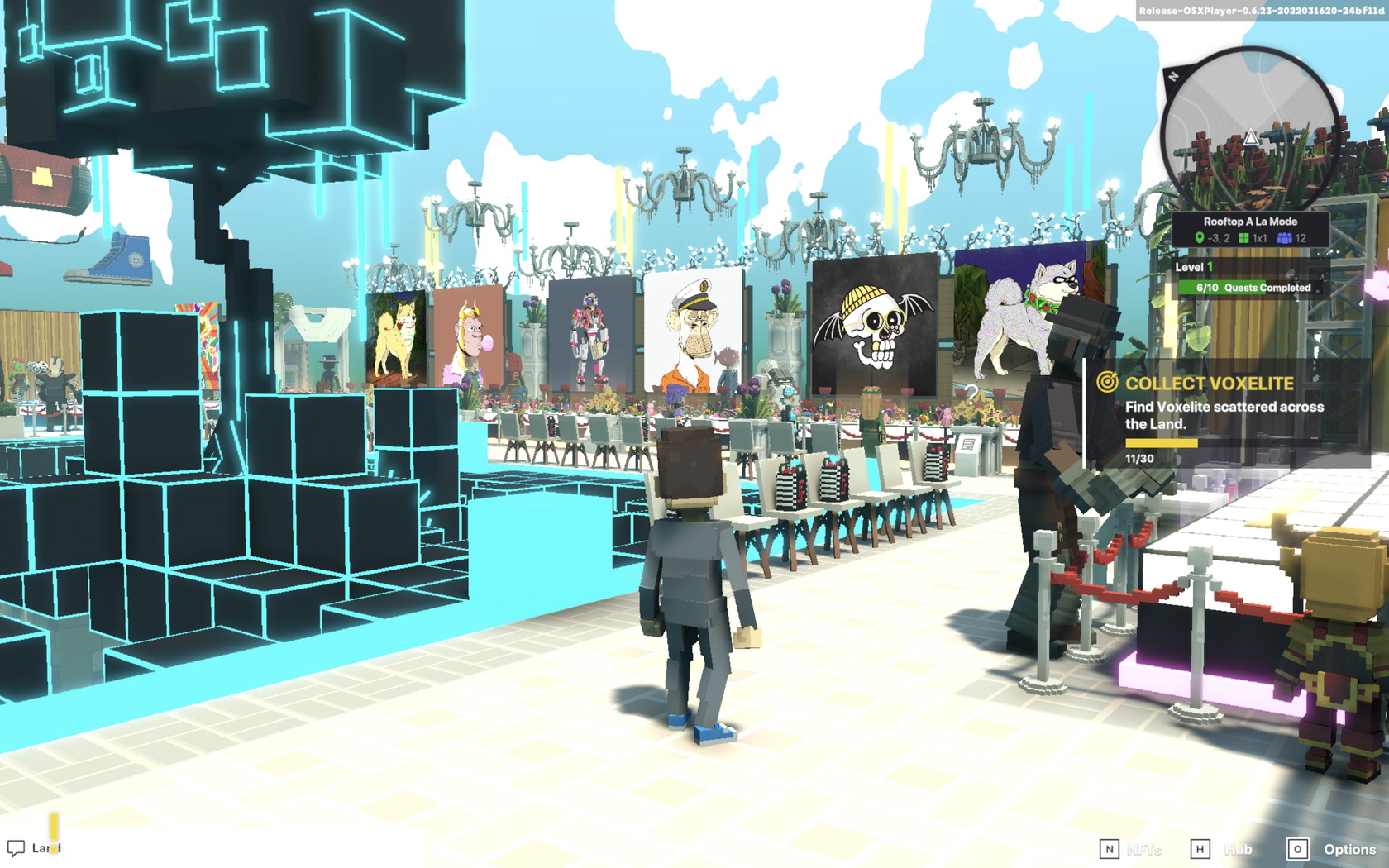
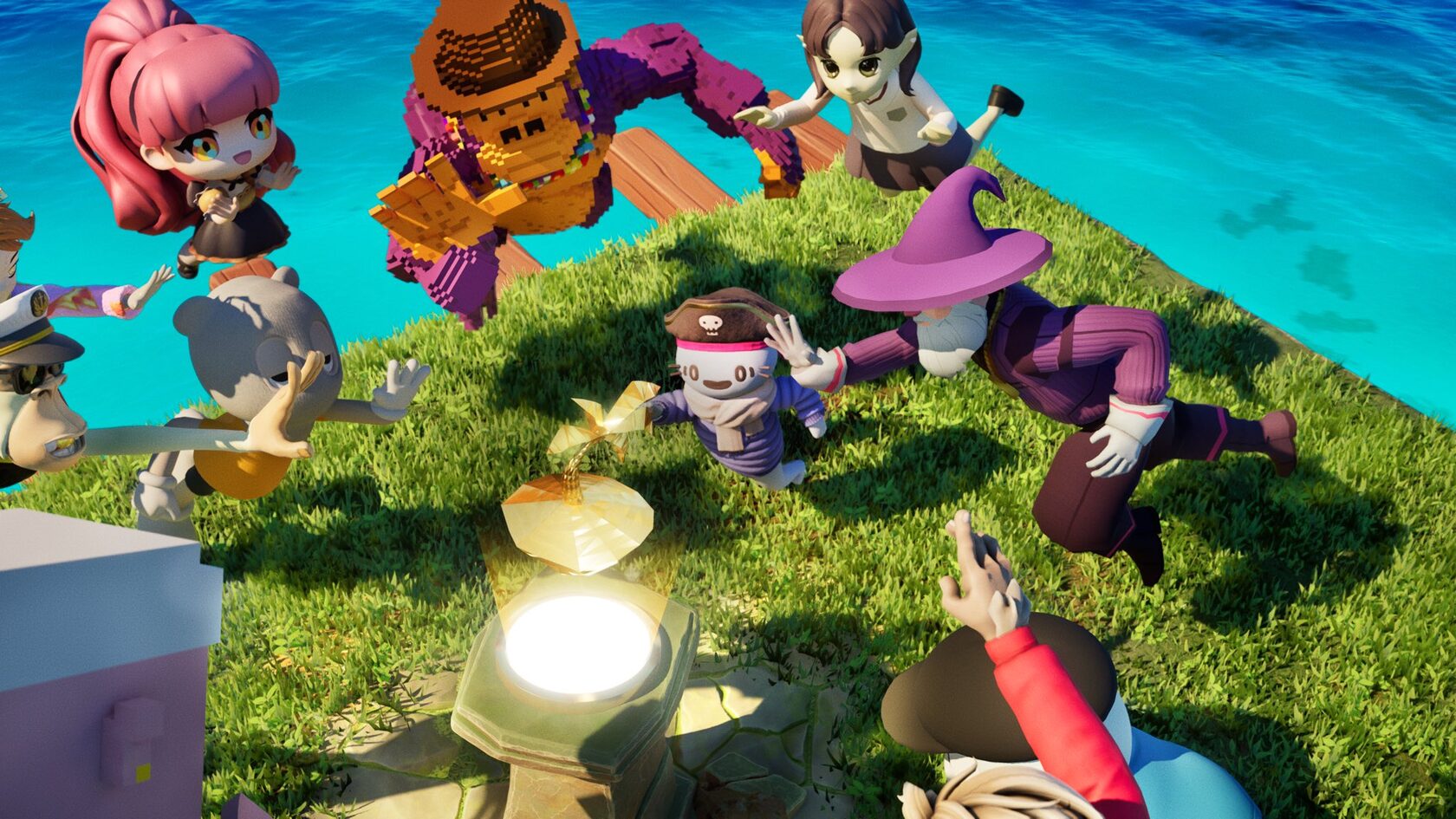
Developed by industry veterans who initially changed the face of Minecraft modding, HYTOPIA isn’t just another sandbox—it’s a new-generation haven for creators and gamers. This performance-focused platform, which can run on PC, Mac, mobile, and console, is built entirely in Rust from the ground up, allowing it to break the barriers of networking speed. For those looking for a perfect blend of creative freedom and blockchain innovation, HYTOPIA certainly delivers.
https://www.youtube.com/watch?v=aONicMyYsig&ab_channel=Hytopia
HYTOPIA is everything you love about voxel-based games, but you turned up to eleven. Whether you’re crafting breathtaking worlds, showing off your personalized skins, or trading assets on its powerful marketplace powered by the $TOPIA token, the game provides true ownership of creators and players of their content. The best part? It’s free to play, filled with tools to customize, and backward-compatible with existing Minecraft content. Think of it as a supercharged Minecraft with infinite possibilities.
Nifty Islands
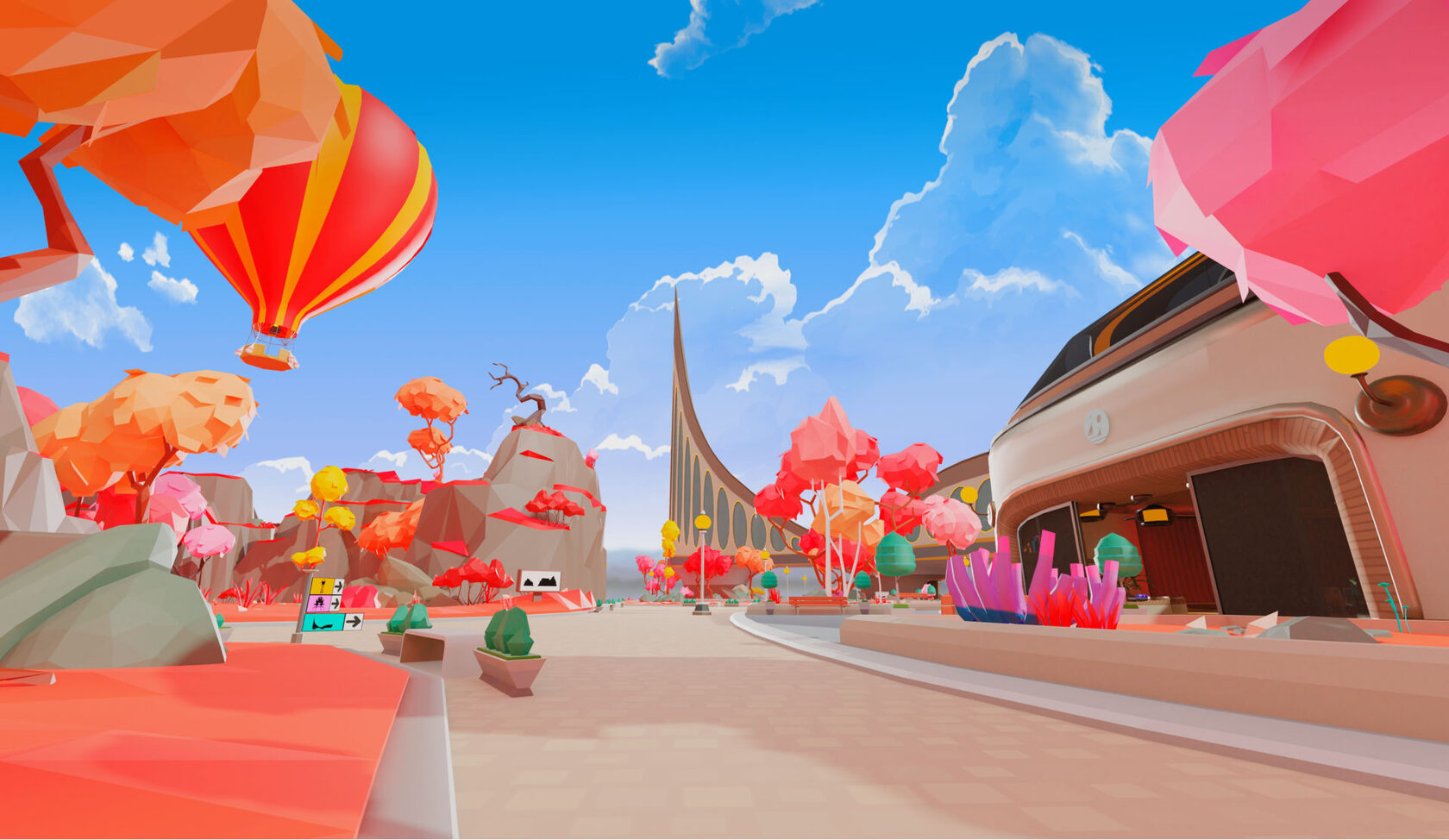
As one of the new NFT games, Nifty Island is your ticket to a blockchain gaming revolution where every player gets a free island to build, customize, and monetize. Jump into the action with game modes that crank up the adrenaline. Fight against the clock, be the last one standing in battle royales, lay low in spy hunts, or capture the flag like a pro.
https://www.youtube.com/watch?v=6J-tVBY34fo&ab_channel=NiftyIsland
Powered by the $ISLAND token, minted in ERC-20 format on $ETH, this dynamic economy is set for a big expansion toward networks such as $SOL alongside Ethereum Layer-2 Base. $ISLAND operates on a capped supply of 1 billion tokens, allowing every trade, stake, and reward to carry true value and stability in the real world.
Pirate Nation
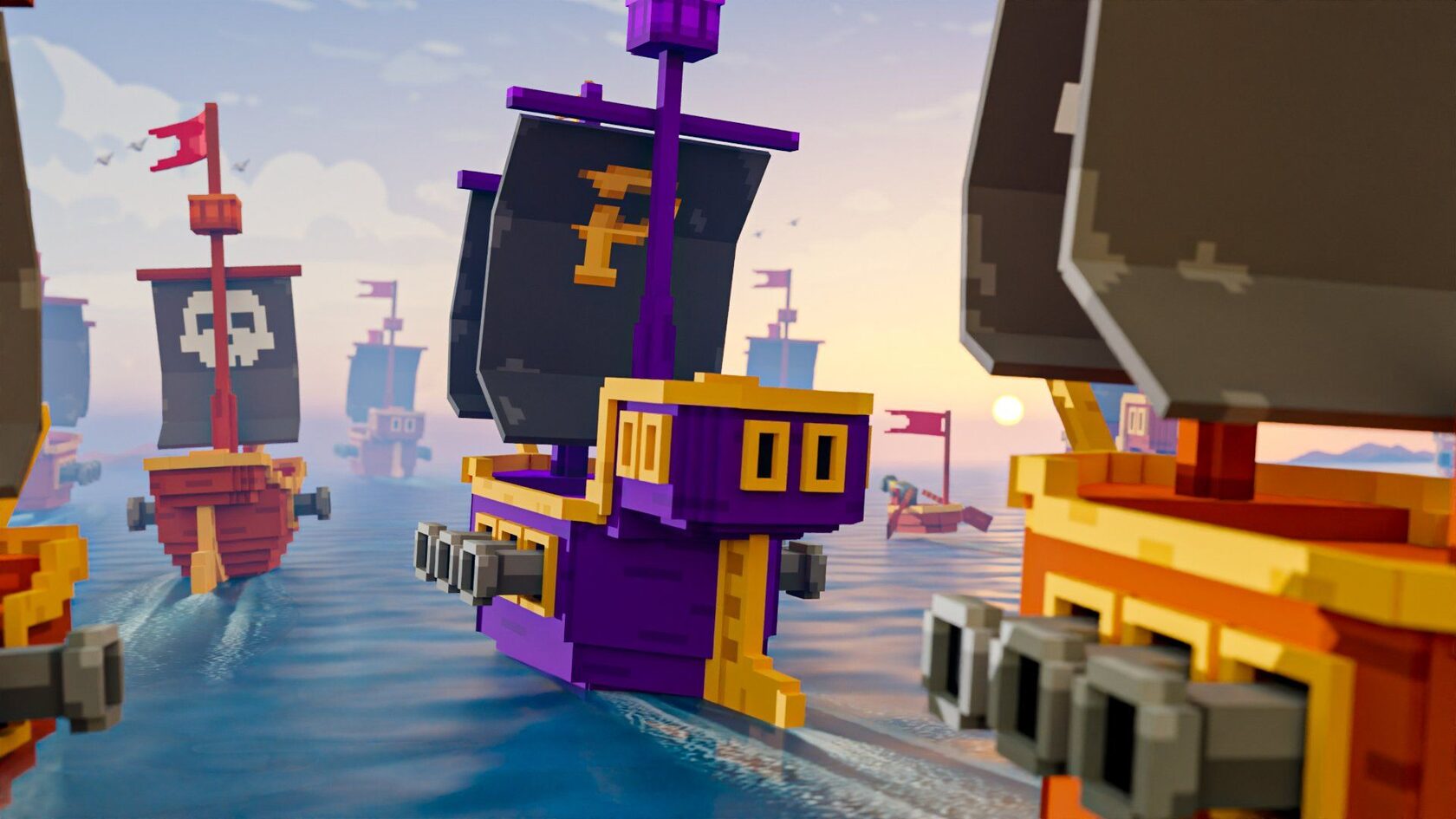
Sail on into Pirate Nation, where the high seas are filled with plunder, epic battles, and a hint of pandemonium. Developed by Proof of Play, this on-chain RPG whisks you away to the Infinite Isles. This world alters and adapts itself, filled with hidden loot, randomly generated quests, and delightful surprises at every turn.
The gameplay is all about strategy and style. Manage your energy wisely to send your crew on wild adventures, take on PvE bounties, or flex in PvP battles. Each pirate in your deck also provides a unique edge, with elemental affinities and expertise traits like speed, damage, and evasion. Gauntlet mode raises the stakes, rewarding command ranks and special perks if you can survive the grind.
But it’s not all about the fighting — there’s gold in the building, too. Establish your outpost where you can charge other players for using player-controlled establishments, such as shipwrights, while you hoard resources. Plunge into global moving, battle gigantic managers, or go to the Wishing Well to procure some uncommon skins and rigging that’ll make you the envy of the Infinite Isles.
Monetization in Web3 Games: Turning Play into Pay
In Web3 games, monetization goes beyond buying cosmetic skins or rare upgrades—it’s about engineering systems that profit players, creators, and developers alike. The emergence of web3 games opens up a whole new world of ways for gamers to cash in on their gameplay, offering more than just entertainment. Whether through decentralized economies, direct trades, or ownership of in-game assets, Web3 games have redefined monetization.
Tokenized Economies: A New Currency for Gamers
Web3 games are often powered by native tokens that fuel their economies. These tokens, built on blockchain technology, allow players to earn by completing tasks, leveling up, or trading assets. Unlike conventional games, where imaginary currency has no value outside the game, Web3 tokens can be traded on cryptocurrency exchanges, converted into fiat currency, or reinvested in the game for better rewards. For instance, video games like Illuvium utilize tokens to help players purchase rare creatures, stake in exchange for earnings, or gain access to certain unique gameplay features.
Royalties and Creator Revenue
Creators in Web3 games aren’t left behind. Users can create, mint, and sell NFTs in The Sandbox—singular avatars, weapons, or entire virtual lands. Every time these NFTs are traded, creators can earn royalties, creating a consistent revenue stream long after their initial creation. This ecosystem opens up revenue options for casual creators and professional developers alike, expanding the lifecycle and value of their creations.
Advertising and Sponsorships
Moreover, Web3 games are paving the way for advertising and sponsorship deals. Virtual real estate in games such as Decentraland can be sold or rented to brands for events, promotions, or digital storefronts. While the players who own these properties may receive passive income, brands can receive the visibility they need to be featured in unique settings—a win-win scenario.
How NFT Games Work: Play-to-Earn Model
The ultimate cheat code of NFT games comes as a play-to-earn formula. In traditional gaming, the rewards for hours of effort often remain confined to the game itself. It doesn’t work like that with play-to-earn — the fruits of hours of labor are no longer just in the game. As they play and interact with the game’s ecosystem, players earn assets of real-world value, including cryptocurrency or NFTs. This can be cashed or exchanged for value outside the game, and recreational play can become a real economic resource. Here’s how it works in detail.
Stacking Crypto
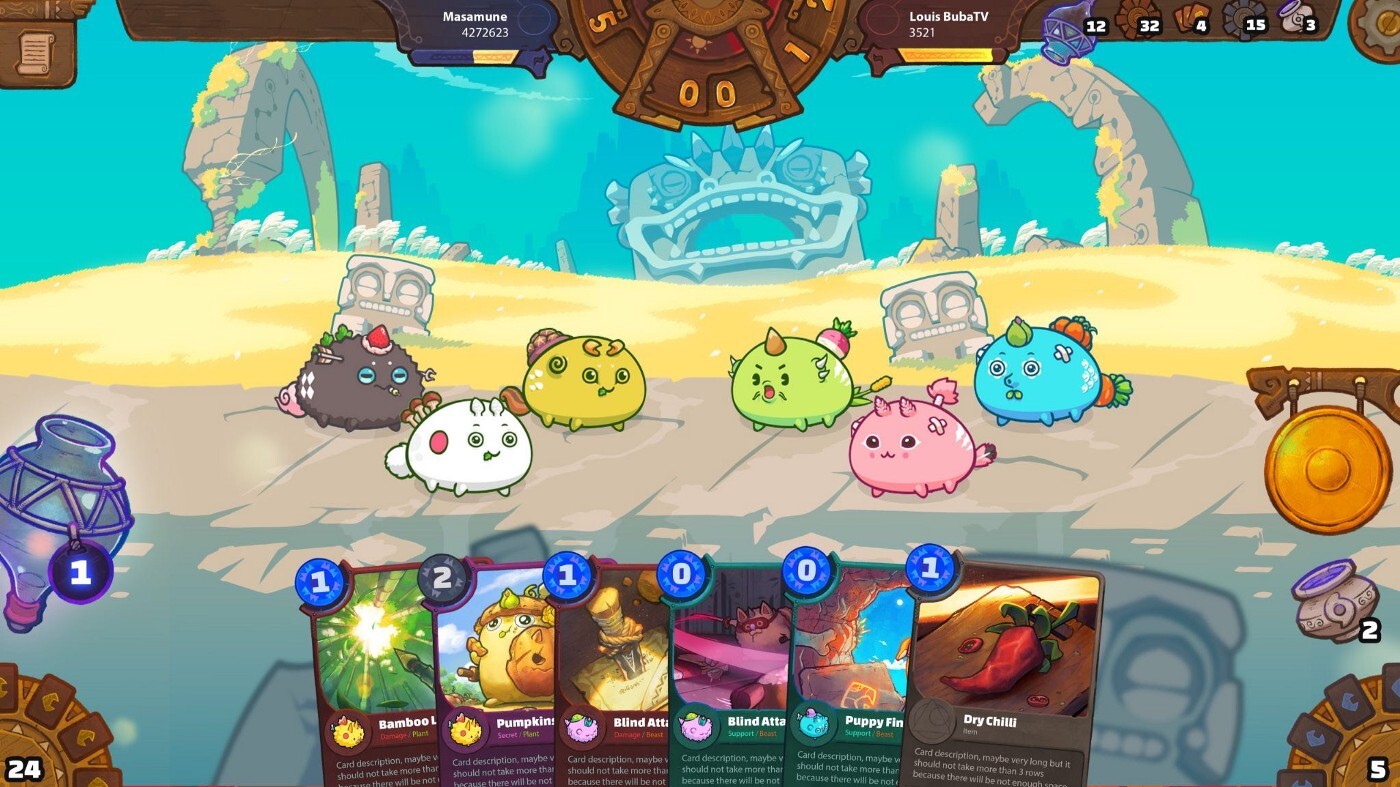
Players win tokens like Smooth Love Potion (SLP) in Axie Infinity by completing quests, battling opponents, or participating in special events. These tokens are attached directly to the blockchain and exist outside the game world with real-world monetary value that can be traded on cryptocurrency exchanges such as Binance or Coinbase. This lets gamers exchange in-game achievements for real-world currency.
Own and Trade NFTs
In NFT games, players can own assets such as swords, pieces of land, or rare characters that are significant and can be sold for real money. Players can buy, sell, or trade legendary weapons, unique skins, or virtual real estate on platforms like OpenSea, Rarible, or game-specific marketplaces.
They can do this because these assets are tracked on a decentralized blockchain instead of in a game’s servers. This offers a level of independence that guarantees players whose items exist in-game will always have full control, even if the game goes dark or the developers flip their policies. Therefore, these NFTs can serve as investments, gaining value according to market dynamics or player interest and providing gamers with a new financial potential beyond the game itself.
Player-Run Economies
In contrast to traditional titles, where developers or NPC shops fix prices, NFT games have dynamic, player-driven economies. The value of items in the NFT game is determined by supply and demand, player strategy, and market trends. Certain characters are rarer than others, so players who know they are in high demand might decide to snatch them up to sell for an increased price. It also adds an exciting new strategic layer — players must think like traders as much as gamers
The Future of Web3 Gaming
Massive improvements are coming to Web3 gaming, which will change how we play and engage with virtual realms. As promising as the future is, we should also recognize that the road hasn’t always been seamless. The initial hype surrounding NFTs provided tremendous awareness for the gaming industry but resulted in skepticism and highlighted challenges that needed resolution. However, now that the technology is maturing, we are beginning to see the real power of Web3 games.
Technological Advancements
- Faster Transactions: Improved blockchain tech will make trades and purchases instantaneously, removing frustrating delays and improving gameplay.
- Lower Fees: New protocols are cutting transaction costs, making web3 gaming affordable and accessible to more players.
- Scalability: Upgraded blockchain networks will support thousands of players simultaneously, ensuring smooth, uninterrupted gaming as the NFT market expands.
Deeper Integration into the Metaverse
- Cross-Platform Avatars: Players can carry characters, skills, and items between games, creating a unified virtual identity.
- Virtual Worlds: Platforms like Decentraland and The Sandbox are developing interconnected spaces where players can mingle, swap, and play seamlessly.
- Interoperable Items: An NFT could soon work on several platforms, allowing a sword from Star Atlas to be wielded in entirely different games.
How to Start Playing NFT Games
Starting with NFT games can feel like jumping into a new raid without a walkthrough, but don’t worry—we’ve got you covered. Here’s your crash course to get started like a pro:
Set Up Your Crypto Wallet
You’ll need a wallet to store your NFTs and game-earned tokens. Popular options include MetaMask, Coinbase Wallet, or Trust Wallet. Think of it as your virtual inventory—this is where all your loot lives. Setting up is simple: download the app, create your account, and secure your keys like you would a rare drop.
Buy Some Crypto
Most NFT games use Ethereum (ETH) or other cryptos for transactions. Hop onto exchanges like Binance or Coinbase, buy some coins, and transfer them to your wallet. This step is like loading up on potions before a dungeon run—you don’t want to get caught empty-handed.
Pick a Game
Research is key here. Browse platforms like OpenSea or game-specific sites to find NFT game that matches your style. Whether you’re into strategy (Gods Unchained), world-building (The Sandbox), or RPGs (Illuvium), there’s something for every player.
Buy Your Starter NFTs
Many games require you to own certain NFTs to start. Check marketplaces for beginner-friendly options—don’t blow all your gold on legendary gear immediately. Start with affordable assets, level up, and then flex your rarer finds later.
Learn the Game Mechanics
Every NFT game has unique rules and strategies. Take time to understand the economy, how to earn, and where to trade. Join Discord servers and Reddit groups, or watch gameplay videos to get ahead of the curve.
And the final step: start playing and earning. Enjoy the experience while stacking up those tokens and NFTs, whether battling, building, or exploring. Keep an eye on marketplaces to trade, sell, or upgrade your assets as you progress.
And if you’re willing to create your own game – here’s what to do. Building a game that stands out in crypto requires a partner who gets it. In a world where web3 games are rewriting the rules, Argentics gives you the power to lead the charge. With expertise in game art, blockchain integration, and gameplay mechanics, we’ll help you create an NFT game that’s built to succeed. Ready to start?