VFX has been an essential element in the film industry for decades, but its importance in gaming is equally significant. What is VFX, and how does it impact the gaming industry?
Visual Effects (VFX) refers to the integration of computer-generated imagery (CGI) with live-action footage to create compelling, realistic, and immersive visual experiences. VFX is the secret ingredient that elevates video games from interactive experiences to fully-realized virtual worlds in which players can immerse themselves. It can add a layer of detail and realism to a game’s environment, create stunning character animations and special effects, and ultimately enhance the overall gaming experience.
In this article, Argentics will explore the intricate art of VFX within the realm of video games, uncovering its rich history, techniques, tools, and its profound impact on game design and storytelling. From the early days of computer-generated imagery (CGI) to the cutting-edge advancements in motion capture technology, we will delve into the fascinating world of VFX, shedding light on its critical role in shaping the gaming industry.
What is VFX?
To grasp the essence of visual effects (VFX), it is essential to understand its definition and significance in the gaming world. VFX refers to the art of integrating computer-generated imagery into live-action or digitally rendered scenes to create captivating and realistic visual experiences. It encompasses a wide range of techniques, including motion capture, digital compositing, and traditional visual effects, that combine to enhance the visual style and immersive qualities of video games.
History of VFX in Video Games
A journey through the evolution of VFX in video games takes us back to the early days when developers pioneered groundbreaking techniques to create rudimentary but awe-inspiring effects. From the pixelated worlds of arcade classics to the cinematic wonders of modern titles, the visual effects industry has experienced remarkable advancements. We will explore key milestones and technological breakthroughs that have shaped the landscape of VFX in gaming, paving the way for the captivating experiences players enjoy today.
The history of visual effects in video games dates back to the early days of gaming when developers relied on primitive techniques to create visual effects that would capture players’ attention. These early effects, such as flickering lights or blocky explosions, were often simple, but they set the foundation for what would come.
As technology advanced, so did VFX. In the 1990s, developers began using pre-rendered graphics to create more realistic effects. Games like Donkey Kong Country and Resident Evil showcased the potential of this technique, which allowed for higher-quality graphics and more complex effects.
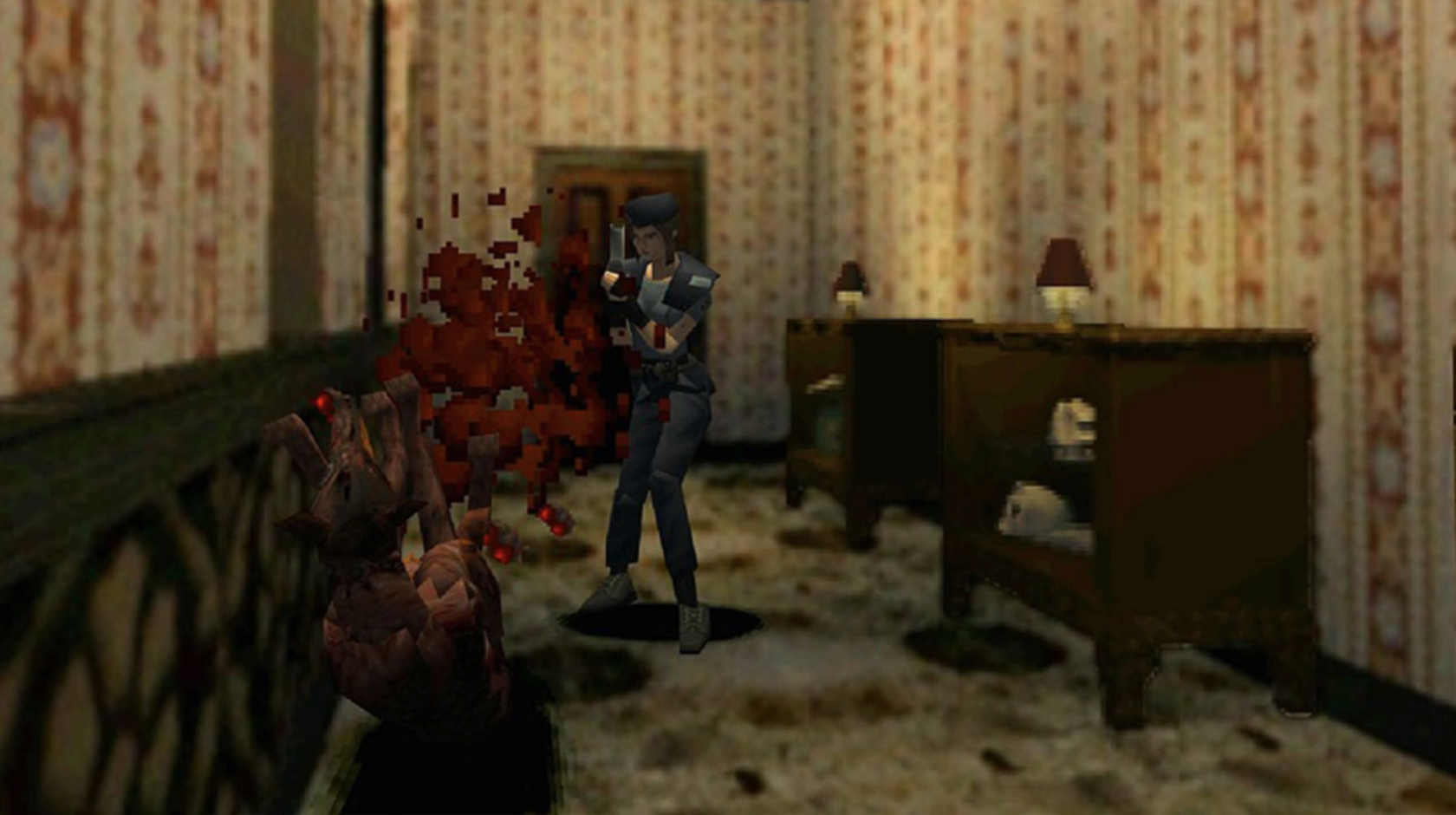
Resident Evil. 1996
In the early 2000s, the advent of real-time graphics engines like Unreal and Unity opened up new possibilities for visual effects in video games. Developers could now create effects that were generated on the fly, in real-time, rather than relying on pre-rendered assets. This allowed for more dynamic and interactive effects, such as destructible environments and dynamic lighting.
As technology continued to improve, so did the sophistication of VFX in video games. Games like Call of Duty and Battlefield showcased the potential of realistic explosions, smoke, and fire effects, while games like The Last of Us continued to push the boundaries of VFX with their stunning environmental effects and lifelike character animations.
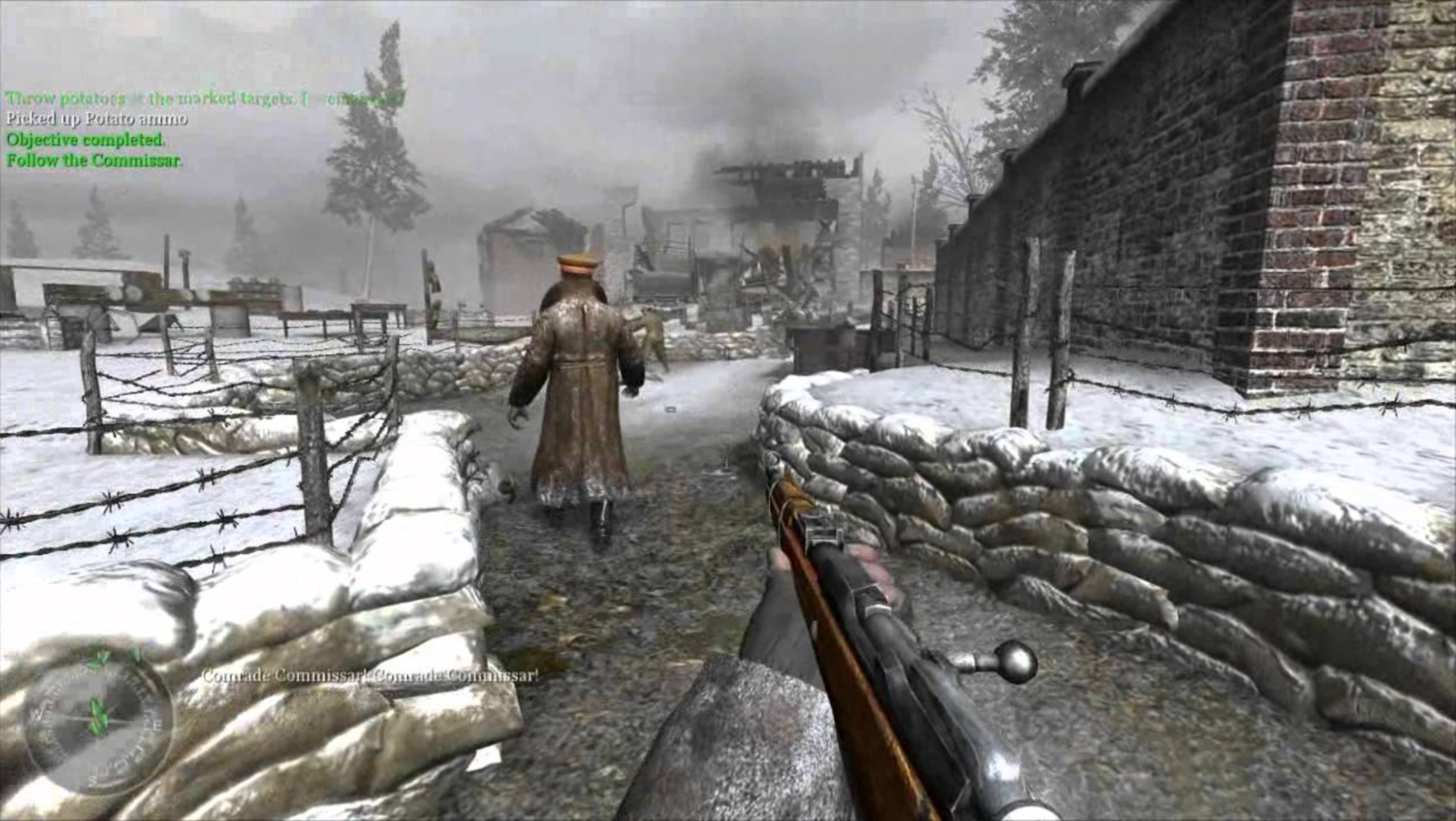
Call of Duty
Key milestones and technological advancements
One of the key milestones in the evolution of visual effects was the introduction of physics-based simulations. This breakthrough allowed for more realistic and dynamic interactions within the game world. Objects could now behave according to real-world physics, creating more immersive and believable experiences for players.
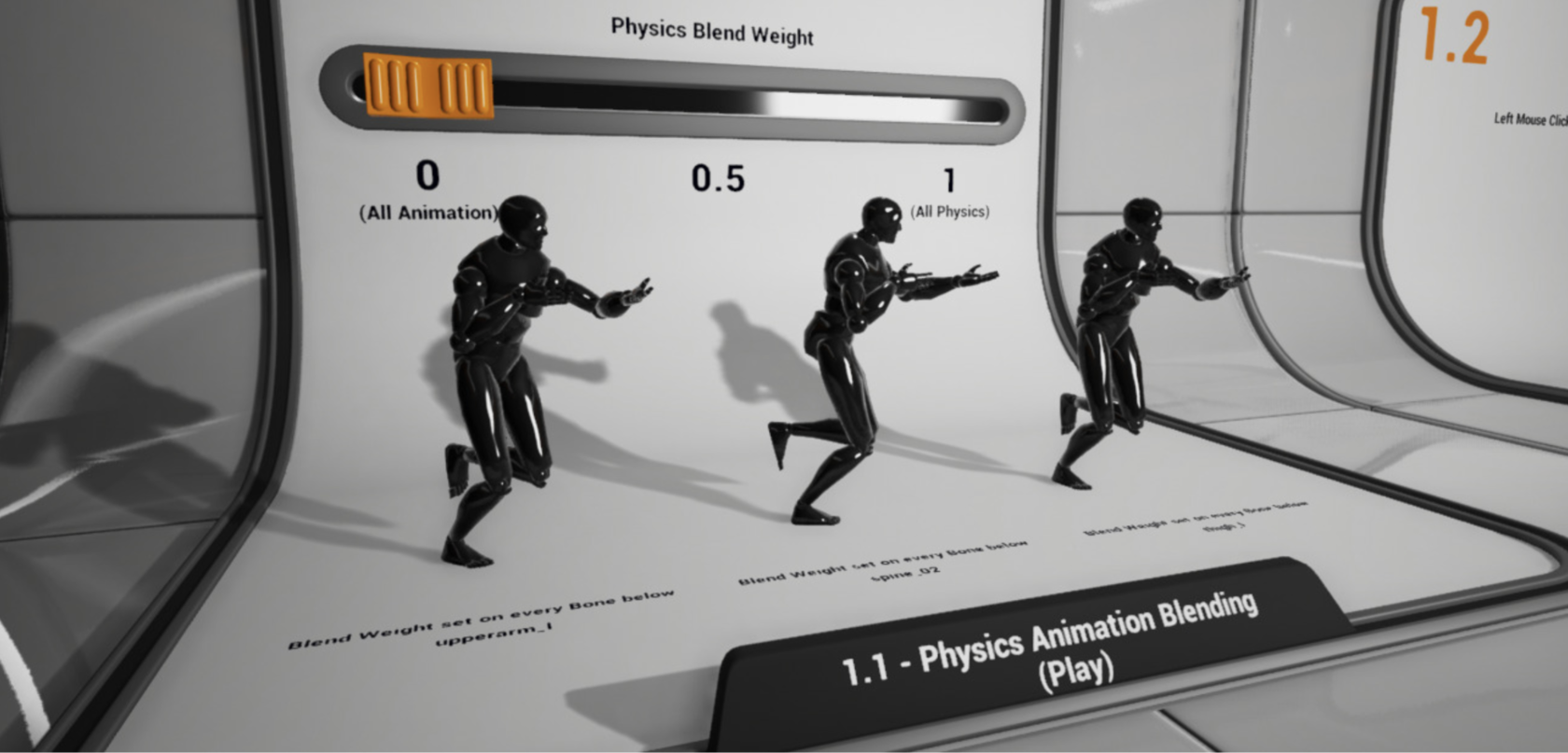
Another significant advancement in VFX was the integration of particle systems. By simulating the behaviour of particles, developers could create effects such as smoke, fire, water, and explosions with unprecedented realism and detail. This added a new level of visual fidelity and immersion to video games.
The rise of high-definition gaming and the introduction of advanced graphical techniques, such as ray tracing and global illumination, further enhanced the capabilities of VFX in video games. These technologies brought about stunning lighting effects, realistic reflections, and dynamic shadows, elevating the visual quality to new heights.
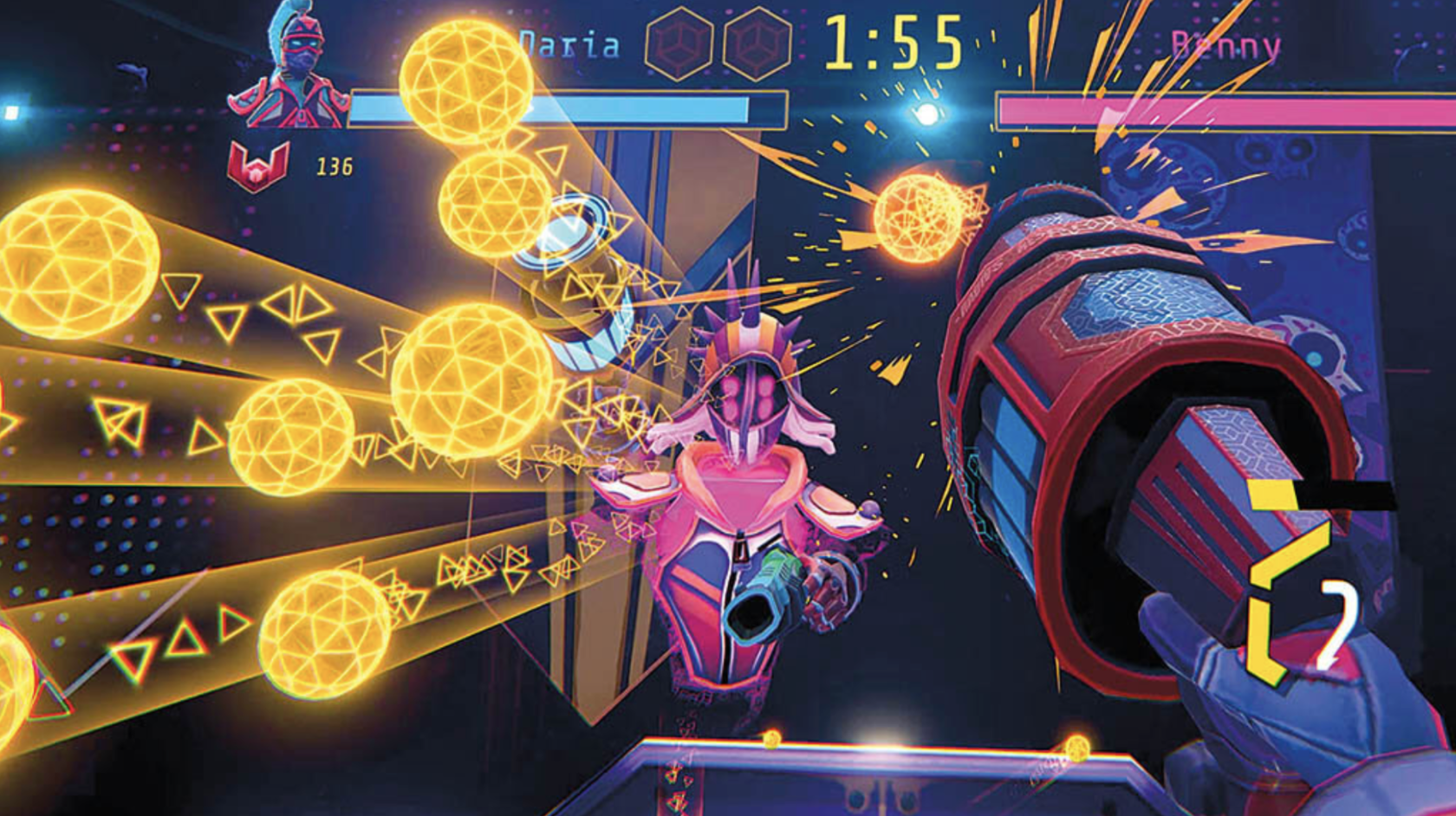
In recent years, the advent of virtual reality (VR) and augmented reality (AR) has opened up new avenues for VFX in gaming. These immersive technologies rely heavily on realistic visual effects to create believable and captivating virtual worlds. From interactive particle effects to realistic physics-based interactions, VFX plays a crucial role in enhancing the sense of presence and immersion in VR and AR experiences.
The evolution of VFX in video games has been fueled by constant innovation in hardware and software technologies. From the early beginnings of simple visual effects to the current state-of-the-art techniques, VFX continues to push the boundaries of what is possible in gaming. As technology advances, we can expect to see even more impressive and realistic visual effects that further blur the line between the virtual and real worlds.
The Impact of VFX on Game Design and Game Art
What is VFX interaction with Game Design and Game Art?
VFX have the power to transform an ordinary game world into a captivating, believable, and engaging environment. By using VFX to create realistic environments, believable characters, and immersive narratives, game developers can take players on a journey that feels truly real.
Creating Believable Game Worlds
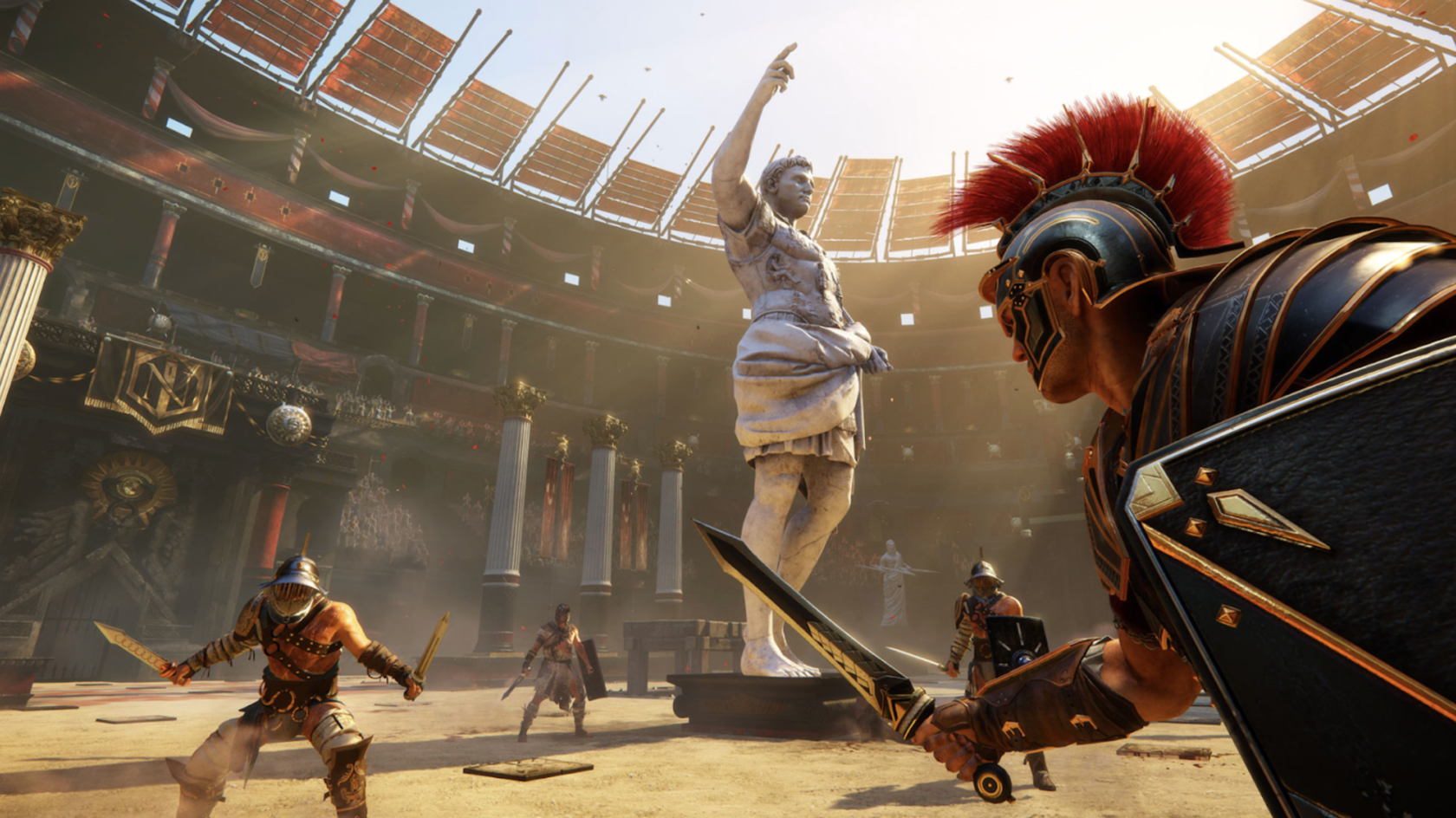
One of the key ways in which visual effects have impacted game design is through the creation of believable game worlds. From the early days of simple 2D graphics to the current advanced 3D graphics, VFX has enabled game developers to create stunning and immersive game worlds that can transport players to different places and times. By using lighting, textures, and particle effects, game developers can create environments that are not just visually stunning but also believable.
To create believable game worlds, game developers must pay attention to every detail, from the terrain to the sky, from the characters to the objects in the environment. They must also use VFX to create dynamic and responsive environments that react to the player’s actions and decisions. By doing this, they can create game worlds that feel like real places, with weather and time-of-day changes that mimic the real world.
What is VFX artist’s role?

VFX artists play a crucial role in game development, working closely with other team members to bring game worlds to life. Communication between VFX artists, game developers, programmers, and other team members is essential to ensure that VFX is integrated seamlessly into the game. VFX artists must deeply understand the game’s design and story to create effects that support the narrative and enhance the player experience.
In addition to working with other team members, VFX artists also collaborate with sound designers and composers to create a cohesive audio-visual experience. They use their knowledge of particle systems, lighting, and other VFX techniques to bring audio elements to life visually and create a more immersive experience for players.
VFX artists must also be able to work efficiently under tight deadlines, creating high-quality effects while adhering to the game’s technical limitations. As such, they must stay up to date with the latest VFX tools and technologies and continually expand their skill set to ensure that they can meet the demands of modern game development.
Adding Depth to Game Narratives
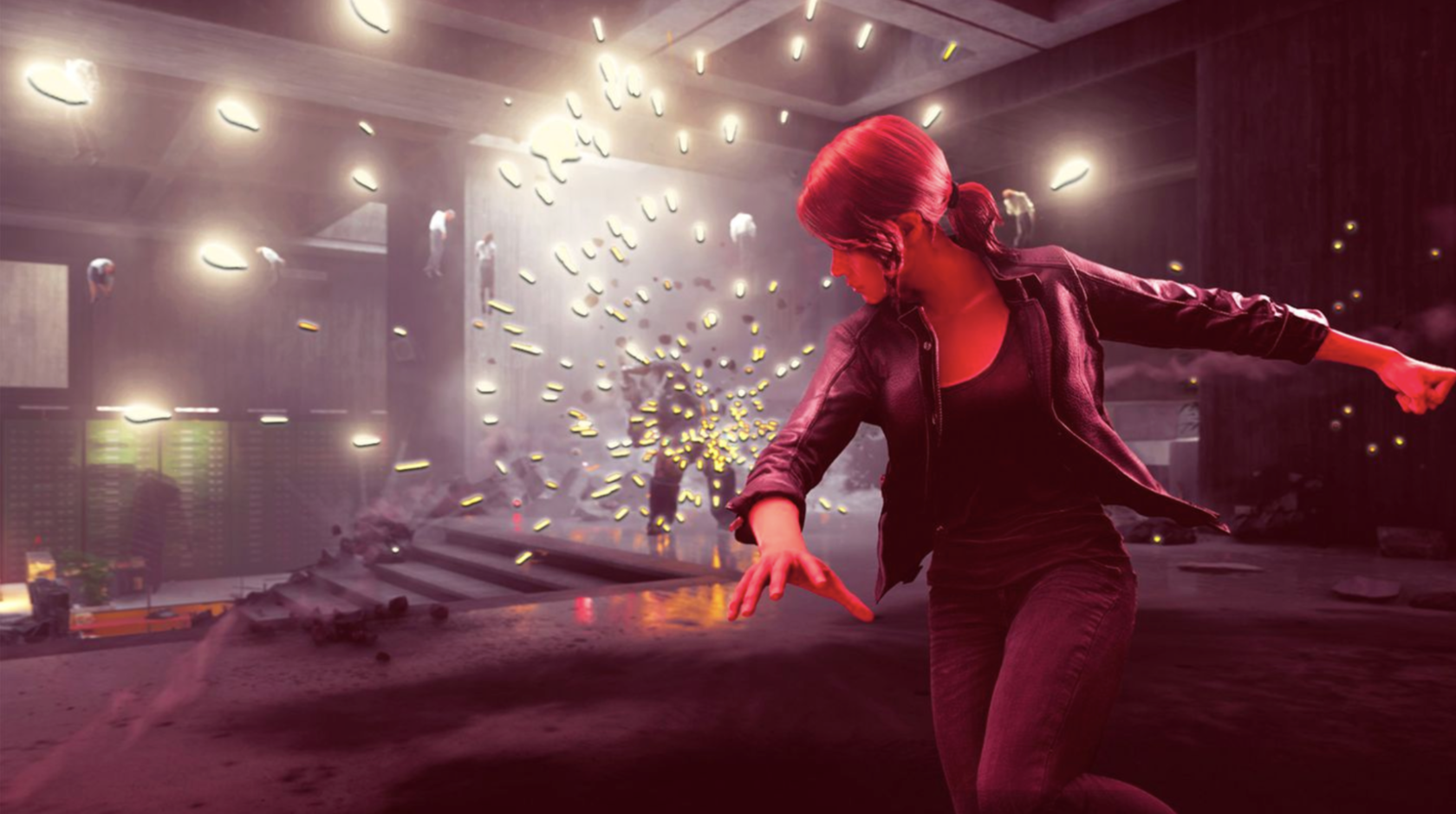
Visual effects can also play a vital role in creating depth and complexity in game narratives. By using VFX, game developers can create more impactful storytelling moments and add depth to characters and their environments. For example, a character’s facial expressions and body language can be enhanced with VFX, conveying emotions and adding depth to their personality and backstory. In addition, visual effects can help create more immersive environments, adding to the overall atmosphere and tone of the game.
Furthermore, VFX can also help to create memorable and iconic moments in a game’s narrative, which can stick with players long after they have finished playing. These moments can be achieved through the use of dynamic camera angles, explosive particle effects, and stunning lighting, all of which can help create a sense of spectacle and grandeur. VFX can also be used to create a sense of progression within a game’s story, using subtle visual cues to signal important narrative moments to players.
Techniques and Tools in VFX
Visual effects in video games involve a wide range of techniques and tools used by VFX artists and game developers to create believable and immersive environments, characters, and narratives. Some of the commonly used techniques in VFX include motion capture, computer-generated imagery, traditional visual effects, and digital compositing.
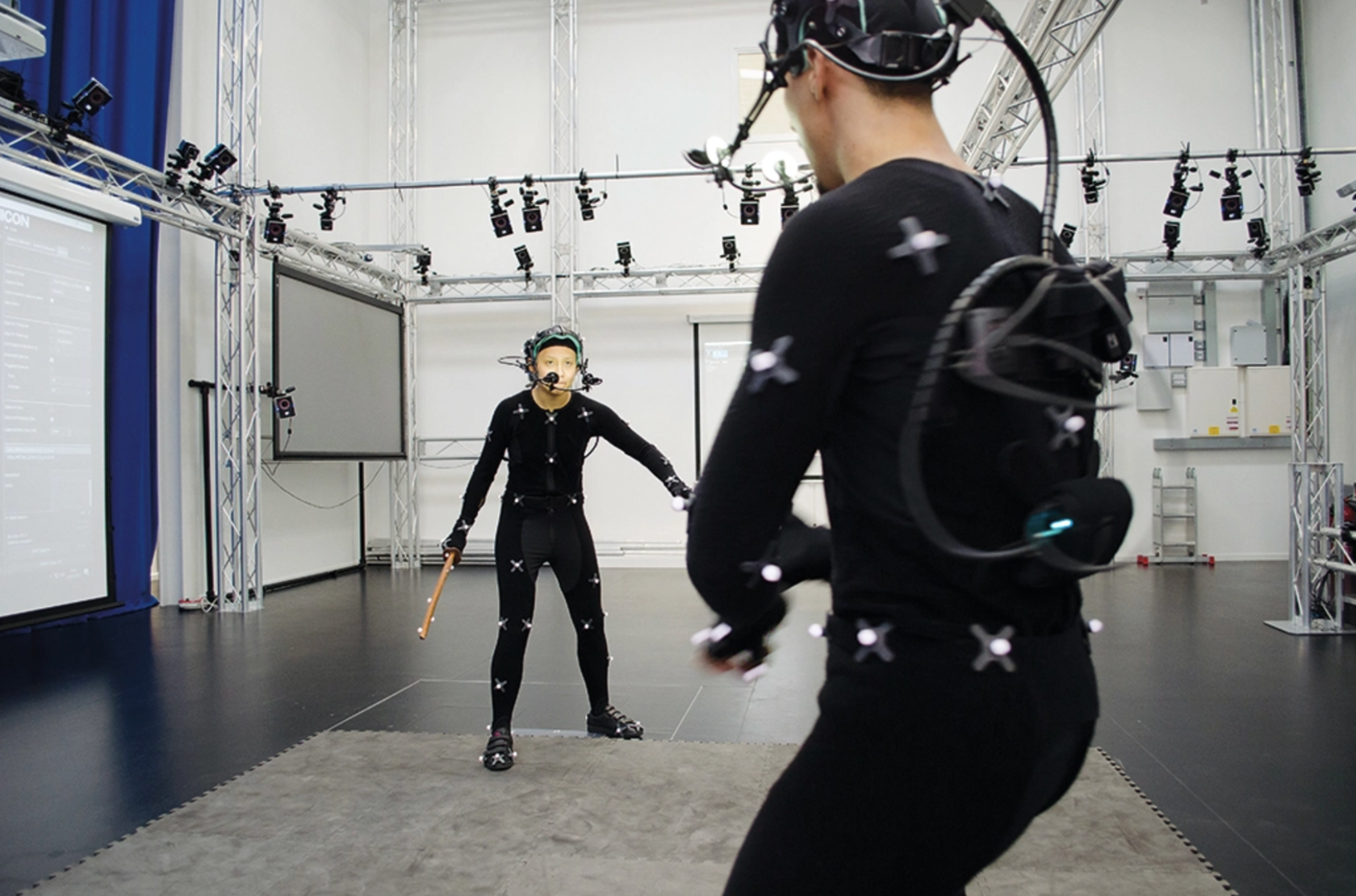
Motion capture is a technique that involves recording the movements and expressions of actors or objects in the real world and translating them into digital data to animate characters or objects in the game world. This technique allows VFX artists to create more realistic and believable movements for characters in the game.
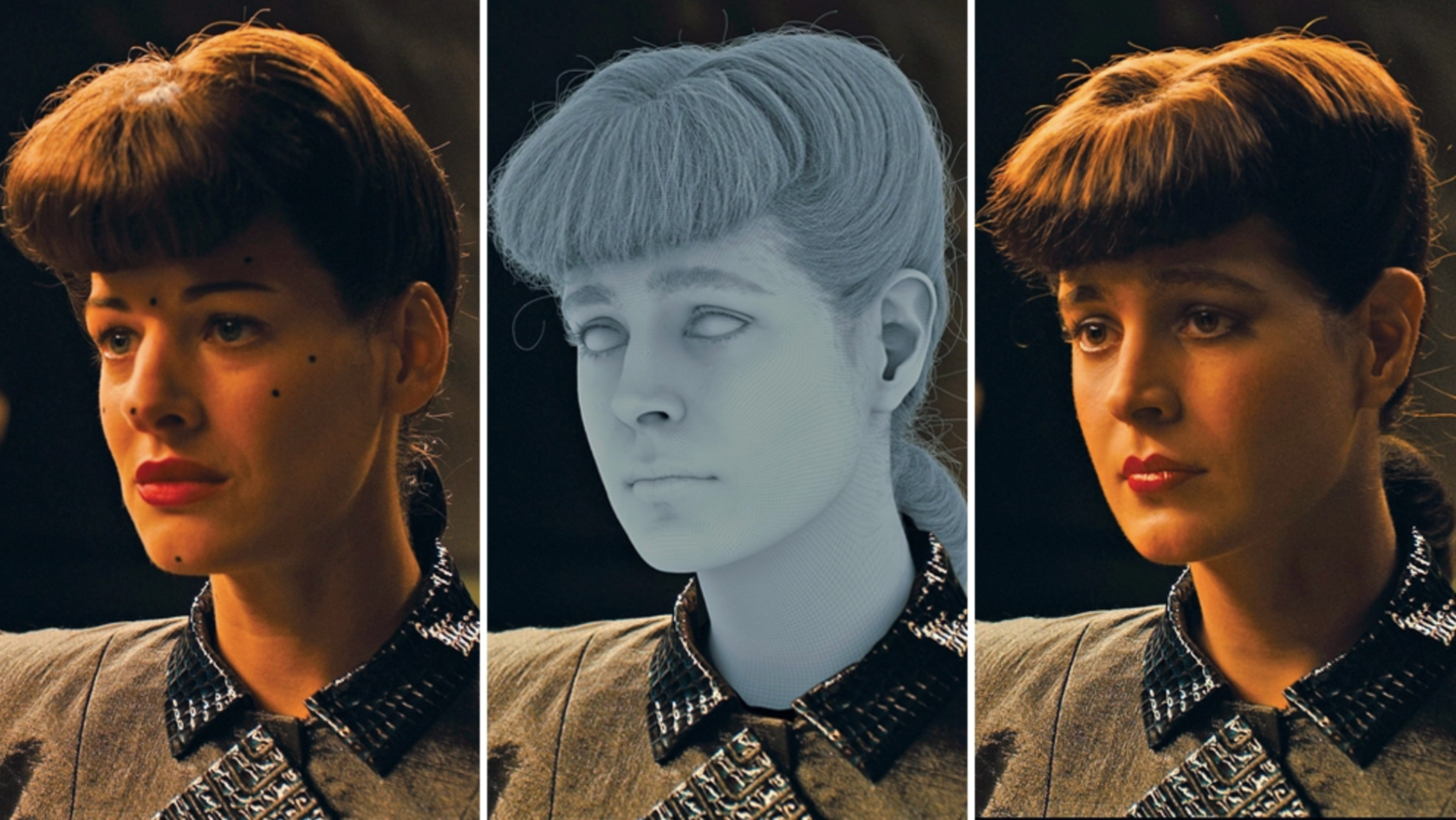
Computer-generated imagery is another commonly used technique in VFX. It involves creating images, animations, and visual effects using computer software. CGI allows VFX artists to create complex and detailed environments, characters, and special effects that are difficult or impossible to create using traditional methods.
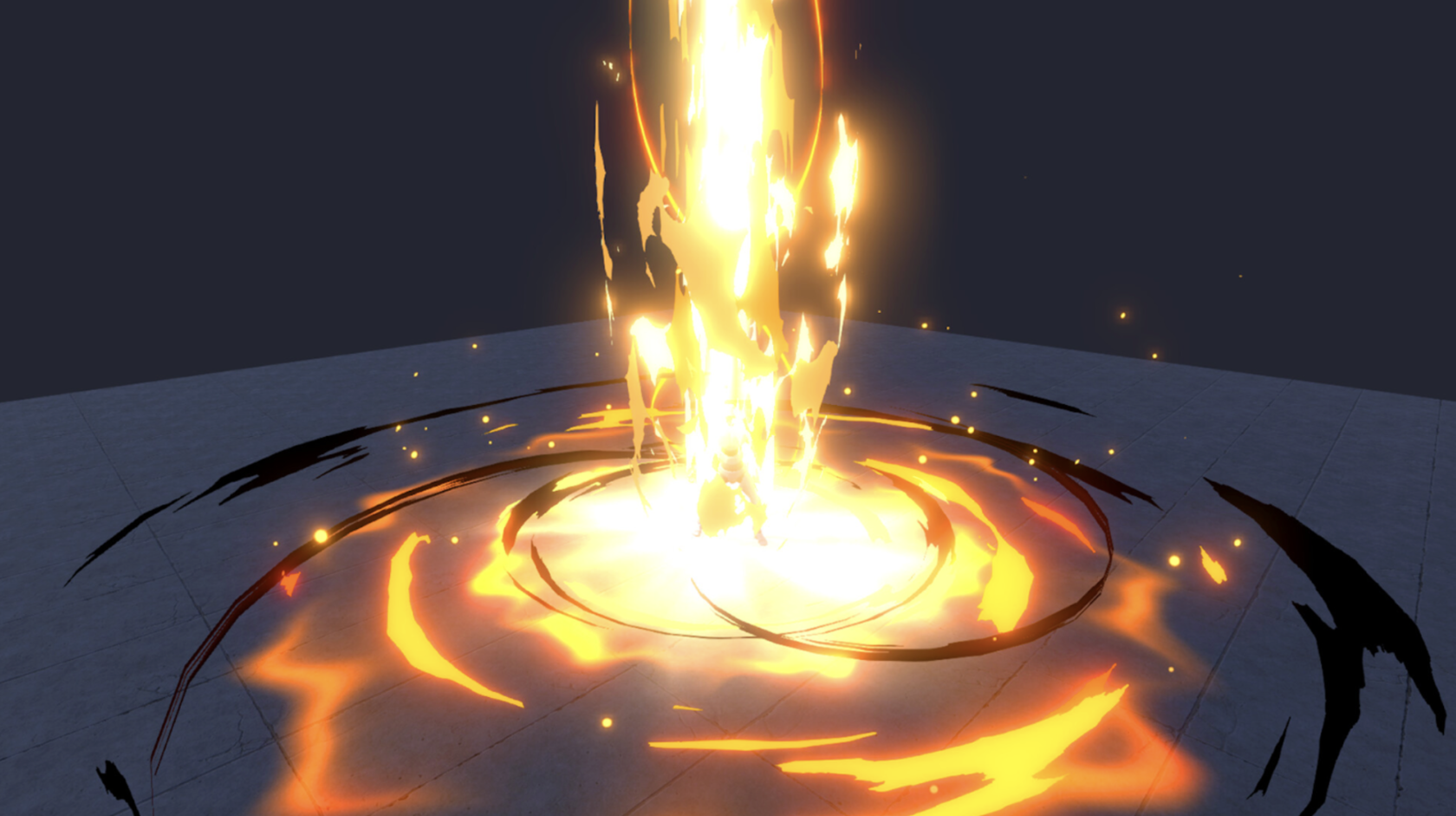
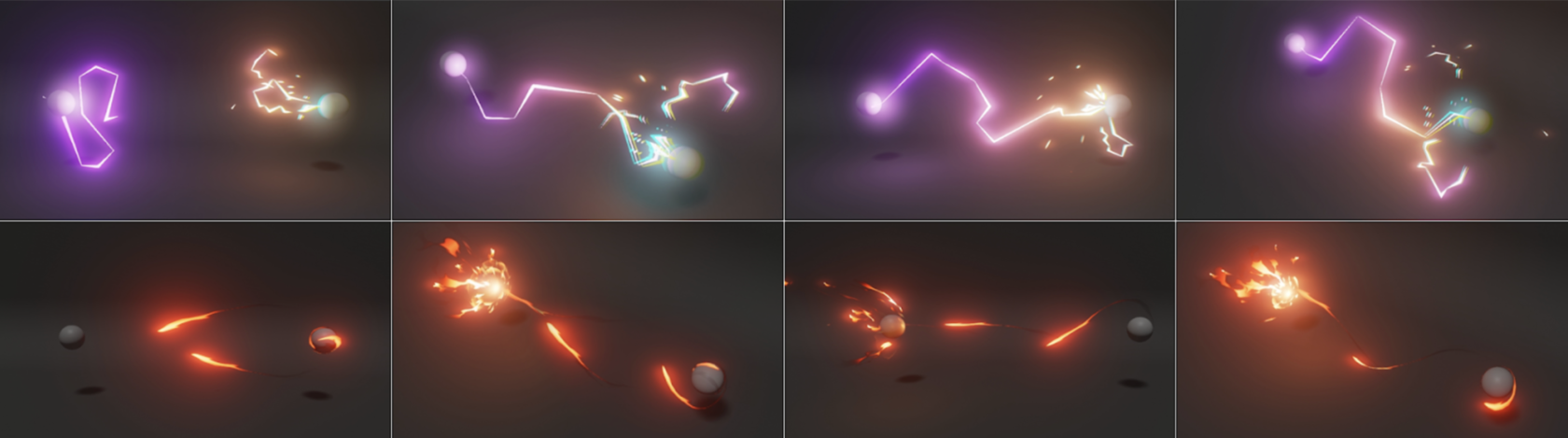
Game VFX: Toon fire buff by Vladyslav Horobets
Traditional visual effects refer to the use of practical effects such as miniatures, pyrotechnics, and animatronics to create visual effects in the game world. While this technique is not as commonly used today as it was in the past, it is still used in some games to create certain effects.
Digital compositing involves combining multiple visual elements, such as images, videos, and animations, into a single final image or scene. This technique allows VFX artists to create seamless and believable environments and characters by blending together different elements and adding additional effects.
In addition to these techniques, VFX artists use a variety of tools to create their work. These tools include 3D modelling software, animation software, compositing software, and specialized VFX tools. VFX artists also use powerful computers and hardware to process the vast amounts of data required to create high-quality visual effects.
Iconic Video Games with Outstanding VFX
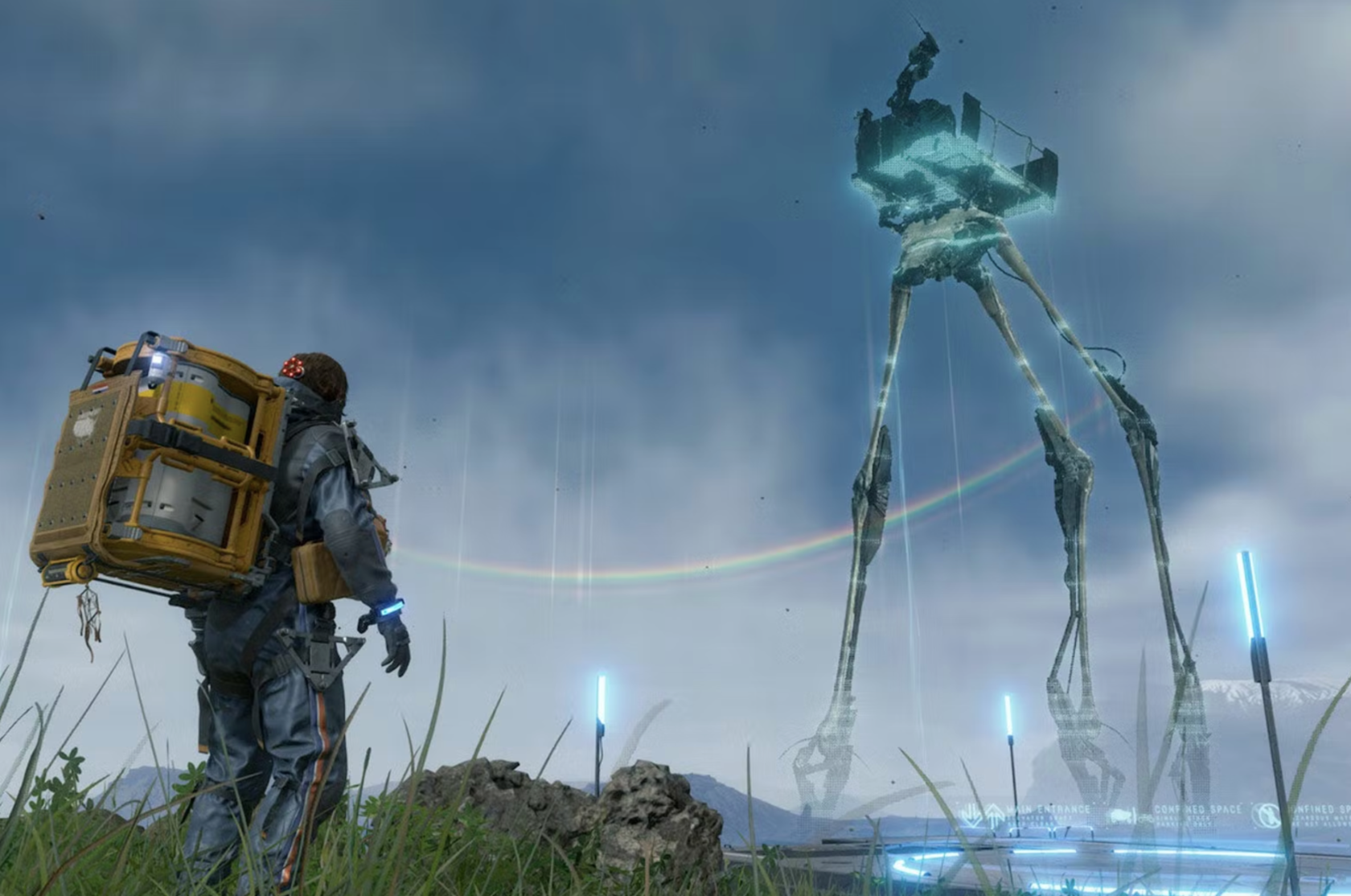
Death Stranding