Mastering How to Create 3D Art for Immersive Video Games
3D game art production blends creative vision with advanced technology, encompassing everything from texturing and lighting to rendering and animation. Whether it’s AAA or a creative indie game, art direction in games is crucial for delivering visual impact and shaping the player’s journey.
This article explores various aspects of 3D game development, covering artistic styles and technical processes and discussing the challenges and opportunities developers encounter. If you are a developer, gamer, or entrepreneur delving into game production, this guide explores the thrilling realm of 3D game development.
Types of 3D Art Styles in Games
Game art styles define a game’s look, feel, and emotional impact. Developers carefully choose visual styles to match gameplay mechanics, storytelling, and audience expectations. Below are the most influential 3D art styles shaping modern video games.
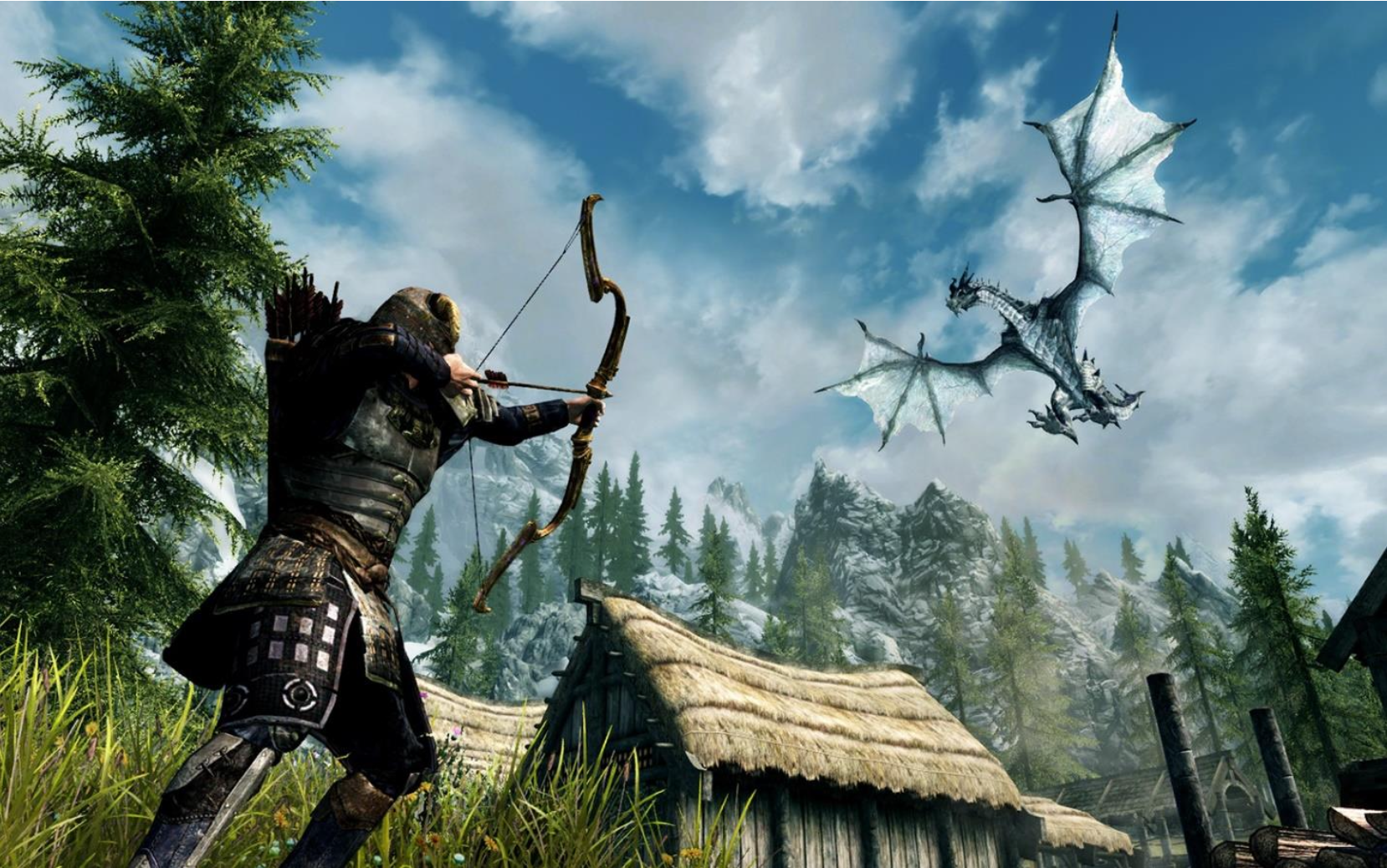
- Photorealism intends to recreate the visuals of this world with as much detail and precision as possible. AAA game art in Red Dead Redemption 2 and The Last of Us creates deep emotional engagement by mirroring reality, making it popular in narrative-driven games and simulation genres like racing and flight simulators.
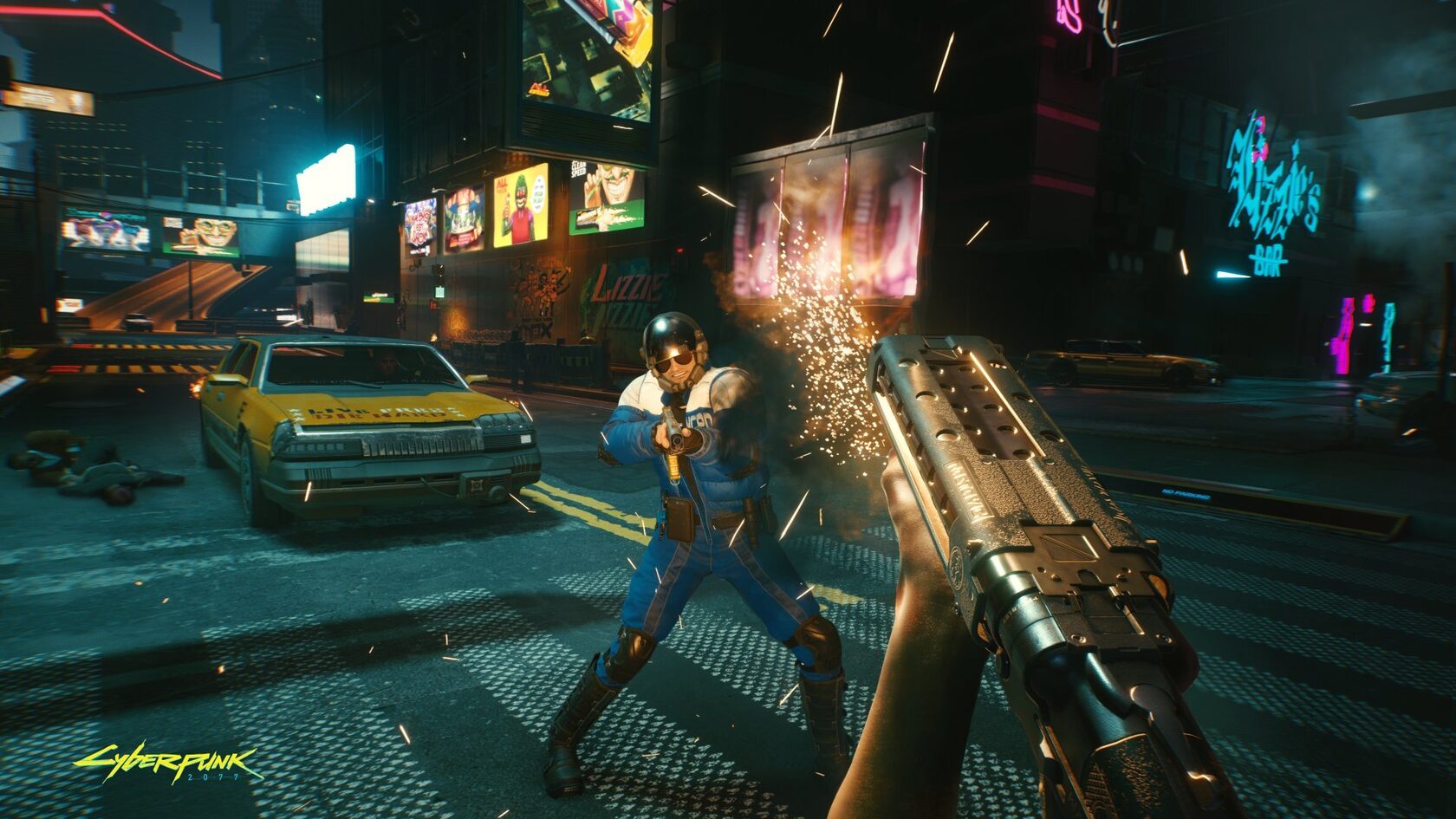
- Fantasy realism introduces elements such as demons or highly improbable settings (like a massively advanced future city) but ensures that there remains at least some sense of believability. This style approach works well for RPGs, MMOs, and open-world games (the most glaring examples remain The Witcher 3: Wild Hunt or Cyberpunk 2077) to craft experiences that are intimate but otherworldy.
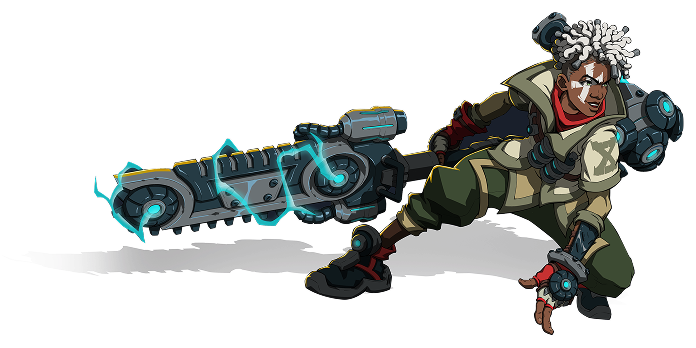
- Stylized 3D art embraces artistic freedom, moving away from realism to use vivid colors, exaggerated proportions, and simplified textures. In indie game art and big-budget productions, stylized visuals convey playfulness, as in Fortnite, and even creepiness, as seen in Bendy and the Ink Machine.
- Low-poly art relies on simple shapes and a low polygon count, focusing on efficiency while retaining visual appeal. Even in this simple style of art, ambient and atmospheric experiences can be created with careful use of color and lighting, like in Astroneer.
- Voxel art represents objects and environments entirely out of voxels (3D cubes), reminiscent of pixel art in 3D form. It’s lightweight and suitable for procedural or destructible environments, which you can see in Minecraft. This style promotes creativity and exploration through a modular design that empowers developers to build large, player-driven worlds.
- Cel-Shaded Art. Cel shading makes 3D models appear like hand-drawn illustrations, using flat colors, bold outlines, and simplified textures. This technique bridges the gap between 2D and 3D art design. Cel-shaded art in The Legend of Zelda: Wind Waker delivers a lively, animated feel, offering playful and imaginative visuals that stand out.
Understanding the 3D Game Art Production Process
Developing 3D game art involves an intricate, gradual procedure that intertwines innovation and technology to generate immersive environments and realistic characters. Each step in the game art production process is essential in forming the end design.
- The production starts with concept art, where designers create ideas on how a specific character should look or what an environment might be. This stage defines the art direction and establishes the game’s style—whether stylized or photorealistic. To do this, concept artists first produce numerous sketches and color keys to explore aesthetics and align the visuals with the narrative.
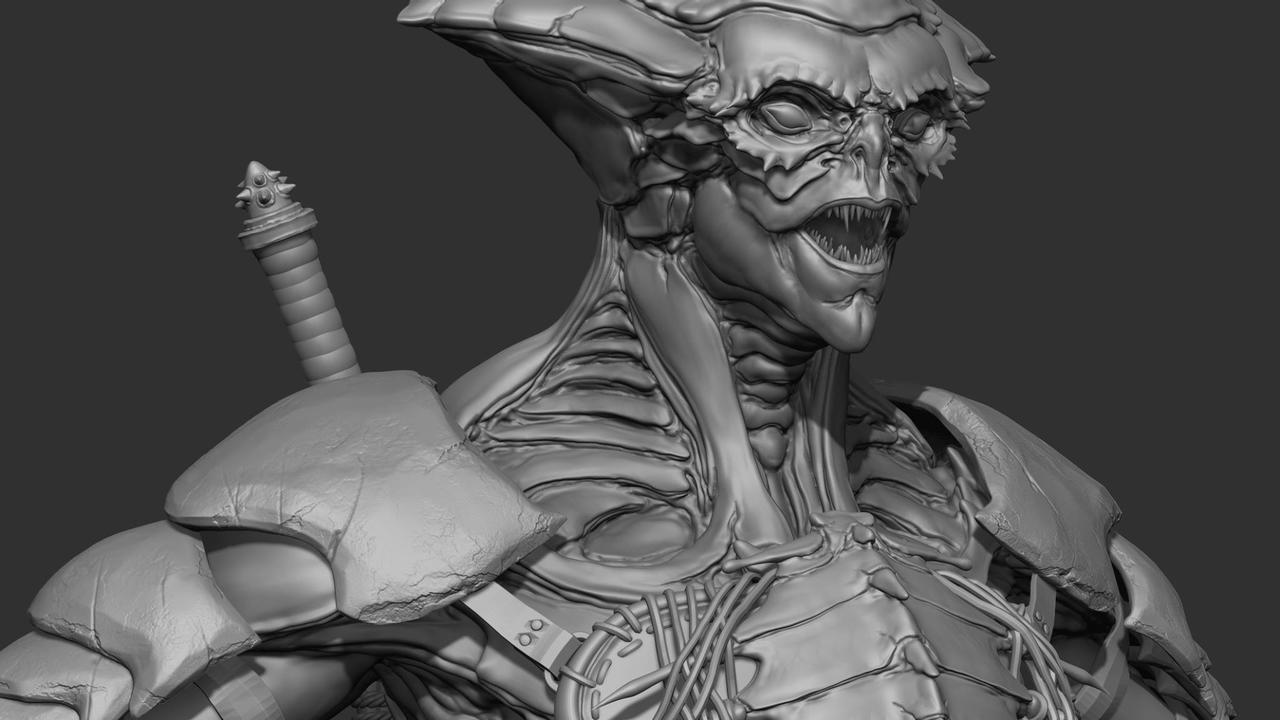
- After the concept art is complete, artists proceed to 3D modeling – creating 3D digital objects or characters. Developers build assets with high or low polygon counts using 3D modeling techniques like polygonal modeling and sculpting based on the requirements of game engines.
- Texturing in 3D art applies surface details, including color, texture, and other material properties(e.g., metal/wooded/fabric). Using UV mapping, 3D surfaces are “unwrapped” and flattened out into a two-dimensional image to place textures more accurately. Procedural generation can also be used to create complex textures automatically.
- Once models are textured, they undergo rigging. The process includes building a digital skeleton to enable movement. Character rigging involves creating bones, joints, and controllers that animators use to bring characters to life.
- 3D animation involves adding motion to characters, objects, or environments. Animators manipulate rigs to create lifelike movements, often using motion capture to ensure fluid and realistic animation.
- Lighting brings the game world to life by defining mood and atmosphere. It involves setting up dynamic lighting, shadows, and reflections that match the game’s visual style. The VFX (Visual Effects)—explosions, weather, or particle effects—would amp up the gameplay with cinematic flair.
- The final step is rendering, where all components—models, textures, lighting, and animations—are processed into visuals seen by players. Optimization is necessary to ensure the assets perform efficiently across platforms, including reducing polygon counts or changing lighting and textures. This is an important part of achieving a good balance between visual fidelity and performance.
Low Poly vs. High Poly: When to Use Each
Two approaches dominate in 3D modeling techniques: low-poly and high-poly models. Each has distinct strengths and use cases, influencing performance, aesthetics, and gameplay experience.
Low poly modeling aims to produce 3D models with reduced polygons, resulting in a less smooth or more angular shape. These models are efficient to render, making them ideal for mobile games, VR, and AR. The challenge is maintaining visual fidelity while optimizing by stripping out unnecessary details but preserving recognizable shapes.
Advantages:
- faster rendering and better performance;
- smaller file sizes and memory usage;
- suitable for real-time applications and lower-spec devices.
Disadvantages:
- blocky, less detailed visuals;
- limited immersion due to reduced realism.
High-poly models have thousands or millions of polygons to give curved surfaces and fine details. These types of models are typically seen in AAA game development when photorealistic visuals are important or for pre-rendered cinematics and close-up shots. However, their increased polygonal count needs more processing power and storage, making them unsuited for real-time applications.
Advantages:
- superior detail and visual richness;
- greater creative freedom for complex designs;
- more accurate lighting and shading effects.
Disadvantages:
- time-consuming to create;
- larger file sizes and higher memory usage;
- demands powerful hardware for smooth performance.
Texturing and Materials: Bringing 3D Models to Life
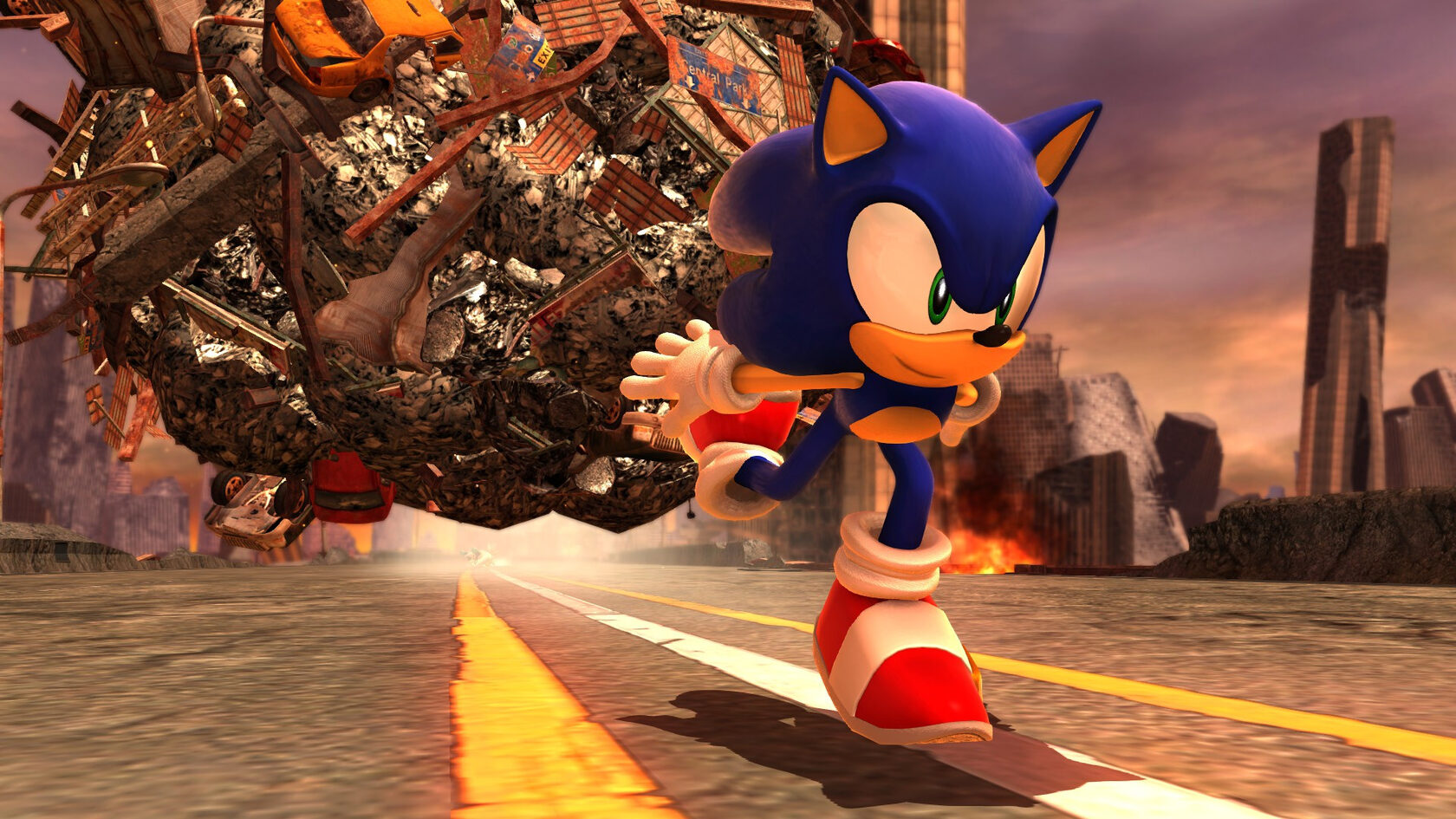
Texturing in 3D art involves applying color, patterns, and material properties to a 3D model’s surface. This gives otherwise plain objects distinct appearances, such as wood grain, worn leather, or reflective glass. UV mapping plays a crucial role in this, ensuring textures align seamlessly across complex 3D surfaces. The quality of texturing defines not only the look but also the feel of characters and environments.
PBR materials are a game-changer in 3D modeling techniques, ensuring that models interact realistically with light. In action, Red Dead Redemption 2 proves the power of PBR materials with photorealistic wooden surfaces, dirt, and fabric that reflect light accurately. On the other hand, reflective surfaces in 3D game engines such as Unreal Engine and Unity contribute to immersion through real-time lighting effects.
The Role of 3D Game Engines
3D game engines are essential in the modern game design process, seamlessly blending 3D models, textures, animations, and mechanics to create immersive experiences. They simplify how to make 3D graphics by providing tools for asset management, lighting, animation, and physics. Unreal Engine, known for its advanced capabilities such as ray tracing, provides impressive graphics, making it a preferred option for top-tier games like Fortnite and Cyberpunk 2077. Meanwhile, Unity 3D prioritizes balancing performance and quality, making it well-suited for mobile games, VR, and indie projects. Godot, an open-source engine, provides an efficient solution for small teams wanting to develop 2D and 3D games.
Levels of Quality in 3D Art: From Indie to AAA Games
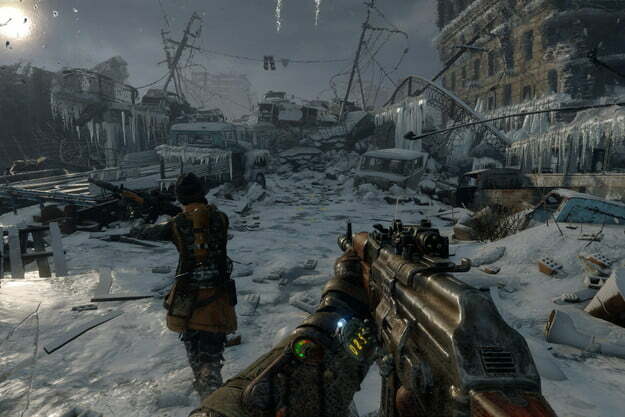
The levels of quality in 3D art reflect the diversity within the gaming industry, with each category—indie, AA, and AAA—contributing uniquely. Indie games prioritize game art production, focusing on creative ideas over hyper-detailed visuals. With smaller teams and limited budgets, developers often focus on how to create 3D art efficiently by using stylized models and textures. For example, Hollow Knight features a simplistic, hand-drawn art design with fluid movements, demonstrating that basic aesthetics can still be immersive.
Mastering 3D Art for Different Game Genres
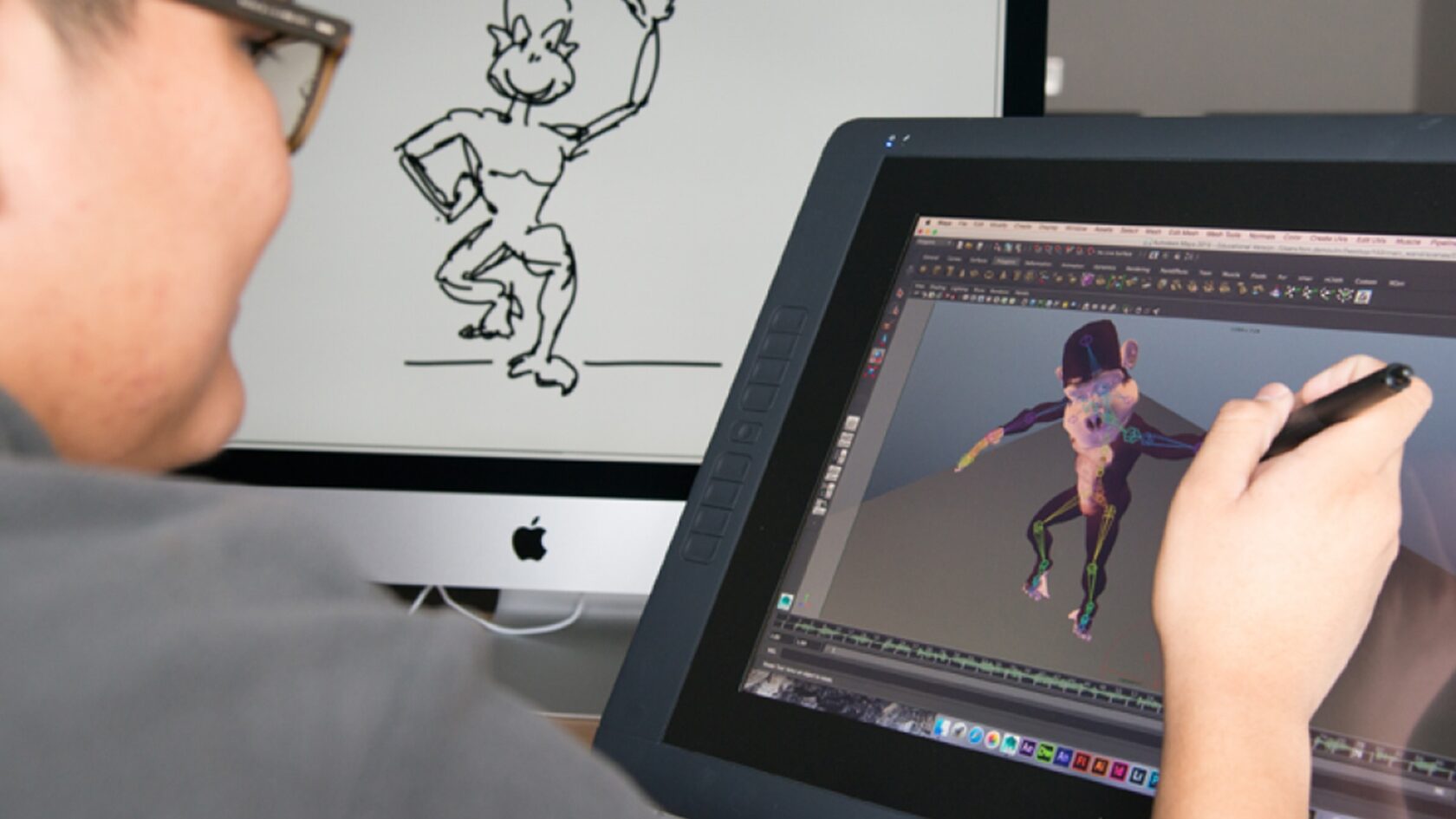
How to create 3D art effectively depends on the game’s genre. When artists create 3D art for games, understanding genre expectations ensures they deliver the right visual experience. For example, low-poly art may suit mobile puzzle games, while high-poly models are essential for AAA action games. Whether developers aim for stylized or photorealistic visuals, aligning the art style with the gameplay and narrative is essential to the game design process.