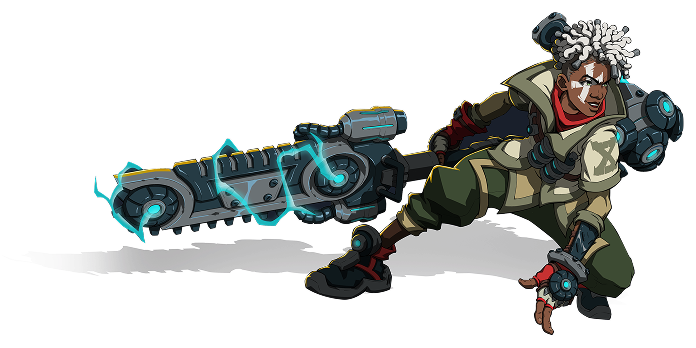
Let’s think: what could unite almost ⅓ of the population of Earth? The right answer would be gaming. Video games have become one of the most popular hobbies worldwide with about 2.6 billion global gamers and titles available on almost every platform.
The consequences of such popularity can be seen in revenues. By 2029, the industry is expected to reach a staggering $660 billion in revenue, marking a 46.43% growth from 2024. And everyone who wishes to ride this wave should know everything about game development.
Creating a successful video game goes far beyond just having a cool idea. It’s a journey that involves careful planning, teamwork, and plenty of hard work at every stage. From brainstorming the initial concept to supporting the game after it’s released, each step is crucial in bringing your vision to life and making it fun to play.
In this blog post, we’ll break down the key stages of game development and show how each one shapes the final product. Whether you’re just starting or looking to improve your process, understanding these stages can help you tackle the challenges and seize the opportunities that come with making games in the dynamic gaming world of 2024 and beyond.
What Are The Important Game Development Stages?
The time it takes to develop a game can vary widely, influenced by factors such as the game’s genre, platform, and overall complexity. The specific requirements for each project differ, but the stages of game development generally follow a similar structure:
- Processes before production or pre-production events
- Production stages or events
- Post-production events
Pre-Production Stage
- What is the motive and concept behind the game?
- What is the allocated budget?
- Who is the target audience?
- What does the competition look like?
- Which platform(s) will the game be released on?
- How will the game be monetized?
- What is the timeframe for each game development stage?
- Should you hire an internal team or outsource to a game development company?
- What art style will the game use?
- How will compliance and compatibility be ensured?
This is one of the essential parts of most game development stages. The timeframe for this level might last for a minimum of 1 week or a maximum of a year. How soon you conclude this stage depends on the staff, resources, and plan. This is why hiring a Game producer right from the beginning of the pre-production stage is advisable. A lot of the time allocated for the game development stages is spent planning the title production. In most projects, this introductory level is handled by the game producer, programmer, and concept artist, except if you are an indie developer. This team of experts ensures that everything is noticed while developing a game. One effective way to optimize this stage is to hire an outsourcing company to manage the entire game development life cycle. The team involved in pre-production is also responsible for developing the Game Design Document (GDD), which serves as the blueprint for the entire project.
Game Design Document
- The core idea or storyline of the game
- The intended game genre
- The types and number of characters
- The style of gameplay
- Game mechanics
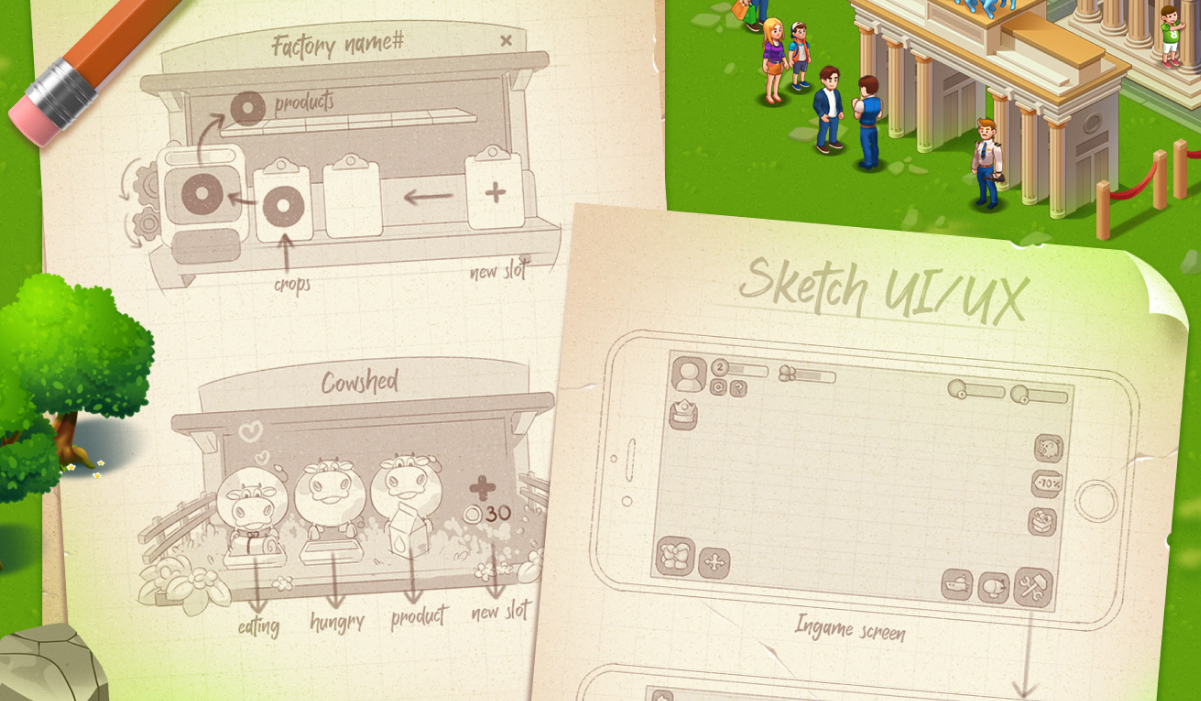
- Design concepts, artwork, or sketches
- Monetization strategy and plans
- User flow and UX charts
This organizing process is commonly used in large game studios. It helps to keep the various game development stages within the planned and allocated deadline. While the goal is to create a high-quality game, staying within the estimated timeframe is also important. The GDD helps set realistic goals and provides a clear understanding of the resources needed for the project.
One common challenge studios face is realizing the project’s complexity midway through development. Proper documentation at the beginning stages of game development can ensure the smooth development of your title. Improper documentation can lead to overspending, missing deadlines, and losing investors.
Prototyping
There are many ways to make a prototype:
- Paper Prototyping: Simple sketches to map out mechanics and interactions, useful for quickly identifying design issues.
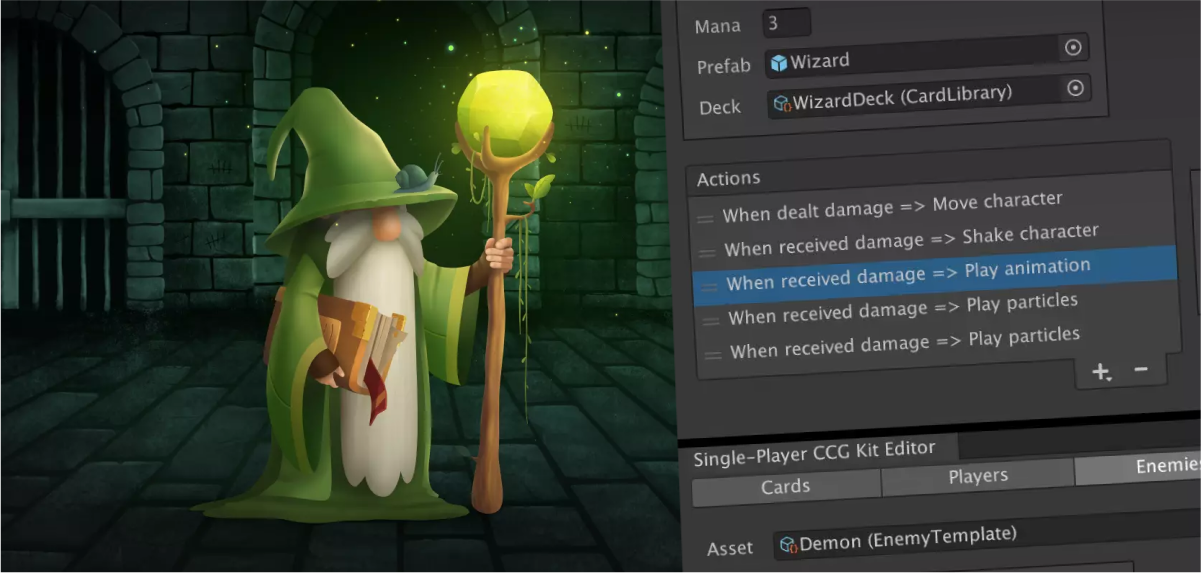
- Digital Prototyping: Playable digital versions created in game engines for real-time testing and iteration.
- Rapid Prototyping: Quickly produces multiple iterations of core mechanics to refine gameplay through continuous feedback.
- User Testing: External testers provide feedback on the prototype to identify user experience issue
Prototyping helps to crosscheck criteria such as compliance, user experience, concept, and functionality. It is more efficient if you allow others to test your prototype in case you miss something. It is common for outsourced developers to be the extra eye during prototyping.
Defining Art Style
- the animation requirements;
- textures resolution;
- the selection of gaming characters, modes, or concepts intended for your title.
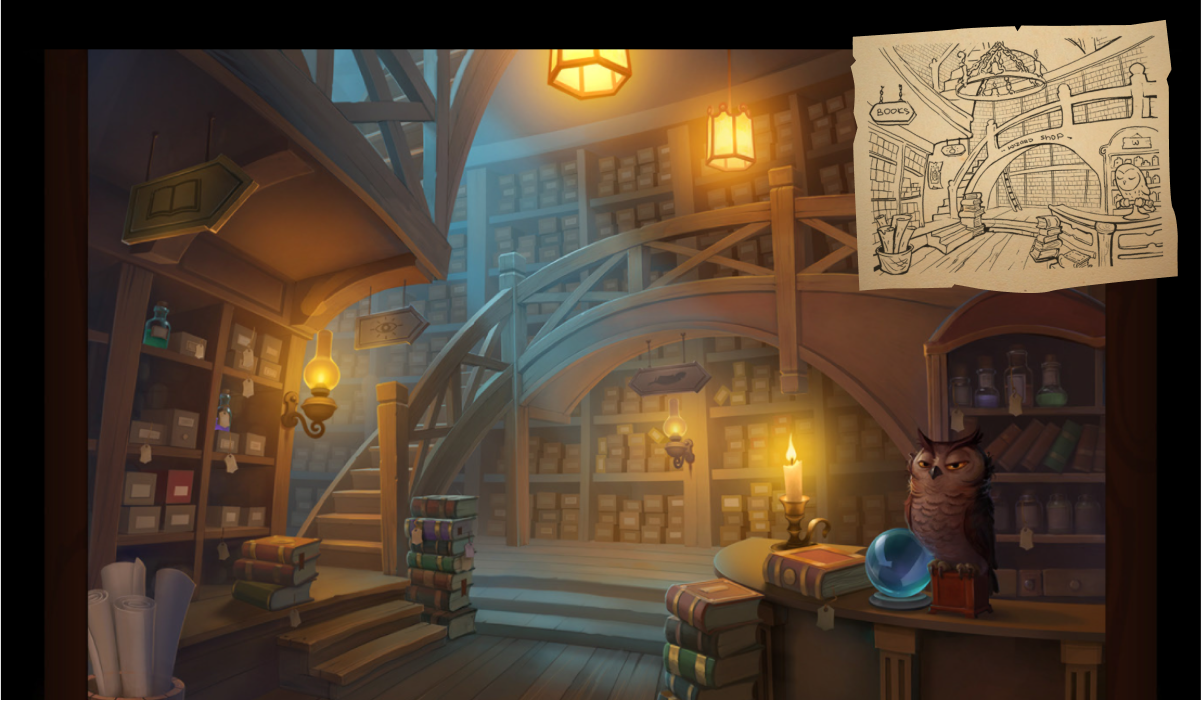
The art and style definition ensures that the visual aspects align with the game’s vision and goals, setting the stage for a cohesive and engaging player experience.
Technological Compatibility
Production Stage
The critical components of the production stage include:
Prototype Testing
First Playable
Vertical Slice
Pre-Alpha Stage
Alpha Stage
Beta Stage
Gold Master Level
Post Production Stage
Several critical steps must be completed before the final release after production to ensure maximum efficiency and quality. These post-production stages are essential in fine-tuning and preparing the game for launch.
Game Testing
Companies that develop games without adequate testing encounter a lot of challenges post-title release. It is a common trend online for game players to complain about some bugs or mistakes in the title, especially in the first version or release. Have you ever played a game, and the mechanics, gameplay, or levels are filled with errors? For example, it would be frustrating for game users to experience difficulty accessing app functionality when playing online or in a multiple-player version. This is why testing is a mandatory part of the game development process. The emphasis and things to watch out for during game testing include:
- Bug Detection: Identifying and fixing any bugs or glitches that disrupt gameplay.
- Compatibility: Ensuring the game works seamlessly across various platforms, including different screen sizes, Android, and iOS.
- Gameplay Mechanics: Verifying that all mechanics, such as character controls and abilities, function as intended.
- Character Movement: Ensuring characters move smoothly and behave as expected during gameplay.
- Feature Functionality: Testing all in-game features to confirm they work correctly.
- Dialog and Audio: Reviewing dialogue and audio quality to ensure they meet the game’s style and maintain consistency.
Every developer aims to create games that remain engaging over time. To achieve this, the game should undergo both fun and stress testing. These tests assess whether the game maintains its entertainment value and stability during extended play sessions. If a title can pass these critical evaluations, it stands a better chance of long-term success in the market.
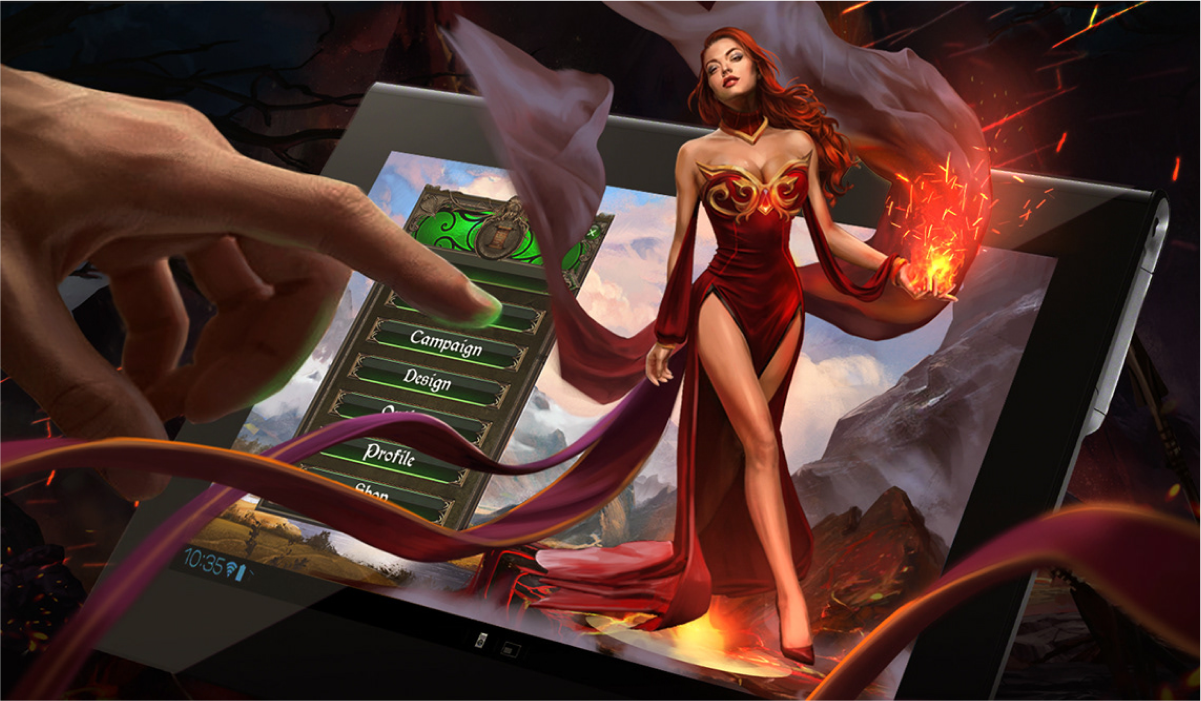
Fantasy Game Project
Pre-launch Stage
This is a stage where all doubts and fears become real. You are closer to seeing the outcome of all the hard work and dedication of the game development team. The developer aims to create games that are mouth-watering and top-notch. The pre-launch stage is the phase to add all the finishing touches to your title. This is where the marketing teams get fully involved, and you need to hype or advertise your video game to your targeted audience. After all, who would buy what they don’t know about? And how would they know about your top-notch app without a good marketing strategy?
It is usual for you to start asking doubting questions such as:
- Will the gamers find our game interesting?
- Is there any part of the game broken?
- Is the debugging complete?
Don’t worry; all these doubts can be cleared with the help of a good game producer and development team.
Launching the Game
Finally, the dream day arrives; everything you have worked for eventually becomes a reality. Before the final game launches, there would be a reported check for bugs or errors that could have hindered the app’s quality.
Post- Launching Stage
Everyone thinks the battle is over after launching the app, but many people are still involved in video game development. Developers are still waiting to receive feedback from the gamers. In the first few months, they perform repeated debugging or updates where necessary. The company often relies on feedback or bug reports filled by game users. This response can help the creators improve and update the app when required.
What Makes a Good Outsourcing Game Development Team
It is as simple as the Game Development Stages might look on paper or in a well-explained article. It is more productive when done by an experienced team of game experts. There are many complicated stages of the development of video games that need professional expertise—this is why outsourcing it to a game development company is becoming popular in the 21st century. The outcome is vital; if you want a good result, you need to hire the best in the business.
Now that you know that, leaving the complicated game development process to the professional is better. How would you identify a good game development team? A proficient outsourcing team for your app that you can trust includes
Game Producer
A team is as effective as its leader. A good game development team starts from the proficiency of its product. This is why you need an experienced game producer to coordinate and supervise your project. The game creator also performs the following function:
- Participating in decision-making
- Ensuring that the client’s interest on totally represented
- Creating a good marketing strategy for the game
- Implementation of budget
- Becoming the intermediary between the client’s idea and the development team
Your title is incomplete without the supervision of a game producer.
Game Designers
Game programmers or designers are the ones who turn the beautiful idea of the client into a programming language that the computer and software can understand. They help you transfer your ideas into coded computer languages that can be played on a screen. Concepts are good but not understood by computers; notions are not programming languages and need translation. Game designers are the reasons why the intentions become what people can play on the screen. They are one of the most active participants in the game development stages.
The designer is also responsible for:
- Creating a good storyline and levels for the game
- Formulating rewards and appropriate difficulty for each level
- Scripting, game dialogue
- Digital editing.
Project Managers
They are responsible for the delivery of an excellent and engaging game title for the client. They are needed for their superb organization and communication skills. Someone has to be in charge of all the technical gurus and ensure that everyone fulfills their assigned tasks and meets deadlines.
Game Artists
The game process is not complete without the game artists. They bring the title back to life using different animations and colors.
The game artist often works by:
- Creating beautiful game concepts that serve as the backbone for the entire gaming project
- Creating a 2D or 3D design for the game
- The procedure is followed by game animation.
Game artists include a diverse team of professionals, such as concept artists, FX artists, 2D and 3D modelers, and animators. Together, they ensure that the game’s visual elements are cohesive and engaging.
Level Designer
Everyone cherishes a good challenge while playing games, but it can be frustrating if they are meaningless. Titles are supposed to be fun, and for relaxation, every player should feel a sense of reward after concluding a level or battle. Still, if they have no fun and have no point in finishing each level, their enthusiasm for the game could end. The level designers ensure that the gameplay is engaging and keep the user glued to the app and eager to proceed through each difficulty and level of the game.
Audio Engineers
Game production isn’t complete without a soundtrack to accompany the game. Most players won’t mute the audio while playing, so there’s a strong demand for high-quality gaming headsets that enhance the sound experience. The audio engineer ensures top-notch sound quality throughout the game’s development.
Game Testers
Game testers, also known as quality analysts, play a vital role in the game development process. They are responsible for thoroughly testing the game, identifying bugs, and documenting issues. Their detailed reports help the development team make necessary updates and patches. Debugging is a crucial step to ensure a polished final product, and having a fresh perspective—often provided by an external or outsourced team—can be especially valuable during this phase.
Post-Release Support
This is the essential component of the game development stages. Most projects fail because they neglect this crucial part. It is easy to relax because the game has been released, and your hard work is starting to pay off, but the truth is it is easier to create a good title but more challenging to maintain. It takes approximately 35 people to help you complete your title from scratch and finally make it successful, but it takes more people to update and ensure that your game stays as a top-ranking app.
Summary
There are many steps to creating a video game leading to a highly complex process, and common mistakes could ruin the hard work of a good team. It involves team effort to create a perfect game title and keep it up on the gaming market. To navigate the complexities of the gaming timeline and ensure your project stays on track, partnering with an experienced game development company is essential.
Argentics is a leading outsourcing game development company with a team of experts who bring vast experience to every project. Whether you need assistance with a specific phase or full-cycle development, Argentics can help you transform your idea into a record-breaking app.
The game development stages can be unpredictable, even for seasoned developers. Don’t leave your success to chance—partner with Argentics and let our expertise guide you through the process, from concept to launch.
FAQ
The first phase of game development is pre-production, where the concept is developed, and planning is done, including defining the game’s scope, creating the game design document, and assembling the team.
Post-processing in games refers to visual effects applied after rendering the scene, such as bloom, depth of field, color grading, and motion blur, enhancing the overall visual quality.
To speed up game development, you can streamline workflows, use proven game engines, prioritize tasks, and consider outsourcing specific tasks to experienced development teams.