You can pour years into building tight mechanics, stunning environments, memorable characters, and a lore bible worthy of a Netflix deal. But here’s the hard truth: none of that matters if no one shows up on launch day. In a market flooded with daily drops, viral darlings, and aggressive ad spend, discoverability is an architecture.
Whether you’re pushing a premium PC title or figuring out how to market your first mobile game, this guide breaks down the playbook. From campaign pacing to global rollout strategy, here’s how to move from visibility to traction.
The Importance of Game Marketing
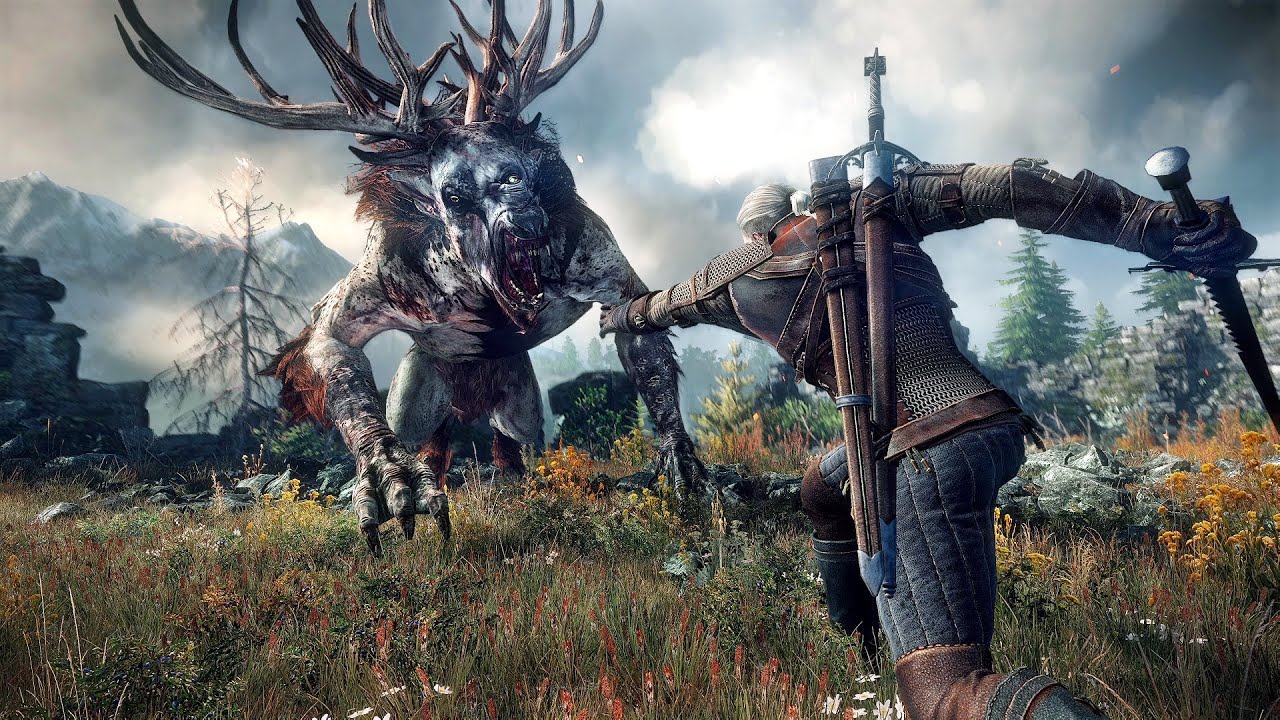
A game without marketing is a lobby with no players. You can build a world as rich as The Witcher 3 or as mechanically refined as Dead Cells, but if it drops in silence, it’s over before it begins.
The industry moves quickly, far too quickly for passive discovery. With hundreds of titles launching every week, visibility now plays a zero-sum game. Learning how to market your video game is now a must. Regardless of quality, studios that see promotion as an afterthought might vanish beneath the weight of more well-publicized rivals
Understand Your Target Audience
Precision always trumps volume. In the video game industry marketing, it’s not about reaching the most people—it’s about reaching the ones most likely to play, share, and stay.
Start with behavioral segmentation. For example, separate your audience into archetypes:
competitive PvP players who chase rank and updates;
explorers who care about lore and worldbuilding;
time-killers who favor short sessions;
collectors driven by skins, achievements, or season passes.
Each group responds to different triggers. One wants patch notes and Discord Q&As, while another just wants a clean tutorial and a dopamine loop in the first five minutes.
If you’re running a mobile game marketing campaign, lean into data from soft launches or beta tests. Track where users drop off during onboarding. Check which ad creatives pull stronger installs—cinematic clips or UI-heavy gameplay. Those metrics tell you more about your audience than broad categories like age or region ever will.
Don’t treat platforms like interchangeable channels. PC gamers are more responsive to long-form trailers, feature breakdowns, and devlogs—especially on Steam or YouTube. Mobile users, on the other hand, make split-second decisions. For them, a five-second gameplay hook outperforms high-budget CGI intros every time. That’s why vertical ad formats and interactive playable ads dominate mobile pipelines.
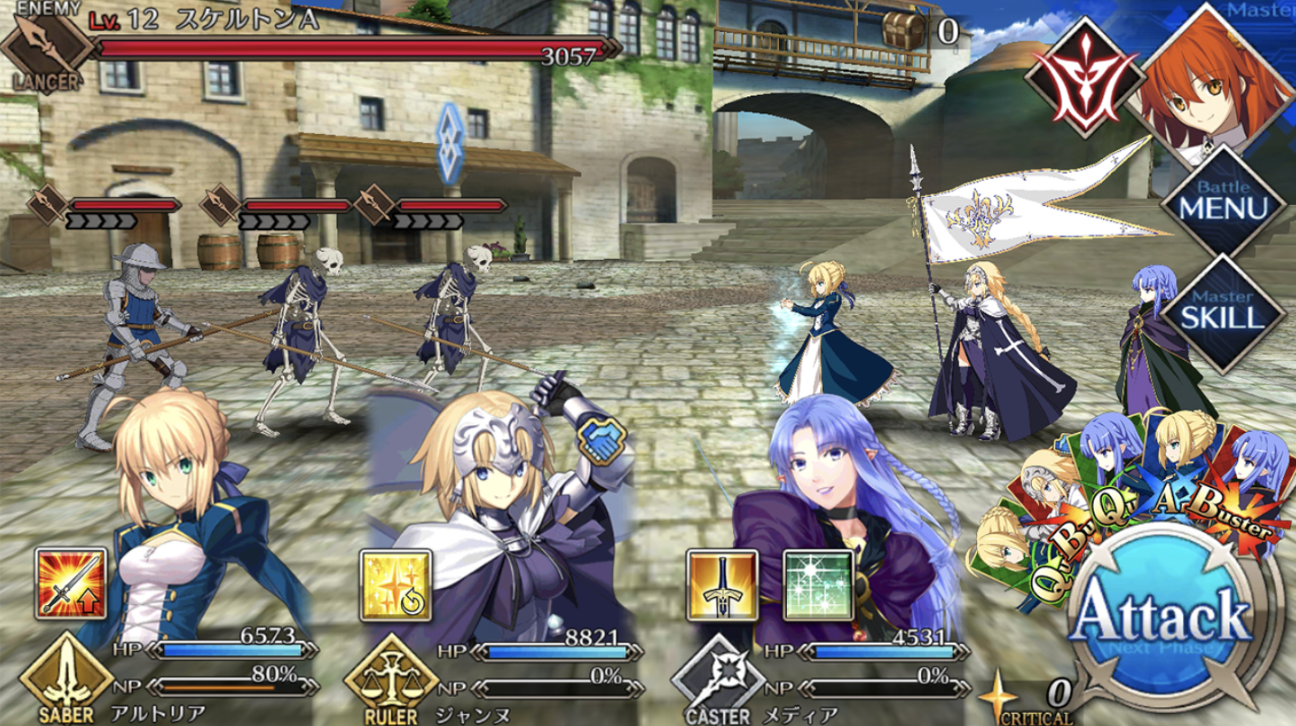
Cultural nuance matters, too, but use it strategically. For instance, Japan’s mobile-first market prioritizes clear UI and gacha mechanics, while Western players tend to engage more with cosmetic monetization and competitive season ladders. A style that resonates with competitive Gen Z players on Discord might flop with millennial fans who grew up on Mass Effect and still read patch notes religiously. This doesn’t mean rewriting your whole strategy per region, but it does mean testing visuals, tone, and pacing before you launch wide.
Leverage Social Media for Game Promotion
In video game marketing, social platforms are foundational. Your first impression often happens on a timeline, not a storefront. The buildup to launch starts well before your store page goes live, and social media is where momentum begins.
Each platform serves a different function. Twitter (now X) is conversational—ideal for direct interaction with your community and quick development updates. Instagram showcases atmosphere and visual tone. Meanwhile, Facebook may lack cultural clout in gaming circles, but its targeting tools remain effective for segmenting your audience by interest, intent, and behavior, especially useful in early-stage testing or game marketing pipelines.
The real advantage of social media is iteration, which is essential, in addition to exposure. You can test and refine messaging in real time. Post alternate ad versions—gameplay snippets, event teasers, or feature callouts—then track what earns engagement and adjust accordingly. When you’re working out how to market your mobile game, this feedback loop becomes a tactical asset. It informs ads, guides onboarding flows, App Store copy, and even retention mechanics.

Develop a Solid Digital Marketing Strategy
Reaching a global audience requires more than visibility. It demands structured planning across multiple acquisition channels. To effectively promote your game, digital marketing must be built into development, not bolted on at launch.
Paid campaigns are often the first step. Google Ads allows you to directly show your trailer or demo teaser right in front of high-intention players looking for fresh releases. Geo-targeting and keyword filters let you showcase your gaming startup to strategy fans in Germany, horror gamers in the Philippines, and Switch users in the US Midwest, down to device type and play window. Especially helpful when running pre-launch registrations or regional tests for mobile games, Facebook’s ad network gives great flexibility over audience segmentation. To enhance relevance and cut waste, filter by device, language, age group, and prior gaming preferences.
Tracking and Analyzing Marketing Campaigns
Effective games marketing is grounded in measurement. Without clear performance data, marketing efforts operate in isolation from results. Strategy must be informed by evidence, not assumptions.
Key performance indicators (KPIs) must be clearly established at the outset. Engagement metrics—such as click-through rates, session duration, and user retention—provide early insight into audience interest. However, rather than relying solely on them, focus on outcome-based signals. Conversion efficiency, cost per acquisition (CPA), and user lifetime value (LTV) offer a more accurate picture of marketing impact over time.
Analytics platforms provide the infrastructure for this analysis.
Google Analytics captures user flow across web-based assets.
Meta’s advertising tools, combined with server-side event tracking, reveal behavioral differences between audience segments.
For mobile games, tools like Appsflyer or Adjust enable event-based tracking, down-funnel performance audits, and revenue attribution across devices.
Interpreting this data should be dynamic. Underperformance of assets, falling engagement curves, or regional drop-offs should cause instantaneous changes in creative, targeting, or channel allocation. In mature game marketing, this feedback loop is continuous—feeding directly into content planning, even product development decisions.
Staying Consistent with Your Marketing Efforts
A clear, identifiable voice across all media supports identity. When updates, patch notes, event announcements, and community responses feel consistent, gamers begin to recognize the studio behind the game. That familiarity encourages confidence and invites continuous participation even between major content drops.
Consistency, however, should never mean rigidity. The expectations of the players change. Platform behavior evolves. What resonated pre-launch may not be relevant after release. Whether it’s redoing a content calendar based on statistics, revising ad creative following a surge in turnover, or adjusting tone as your player base changes, flexibility is therefore a fundamental component of keeping momentum.
FAQ
How much does game marketing cost?
Marketing budgets vary wildly depending on the scope of the game, target audience, and marketing strategies employed. It can range from a few thousand dollars for indie games to millions for AAA titles.
What is a press kit for a game?
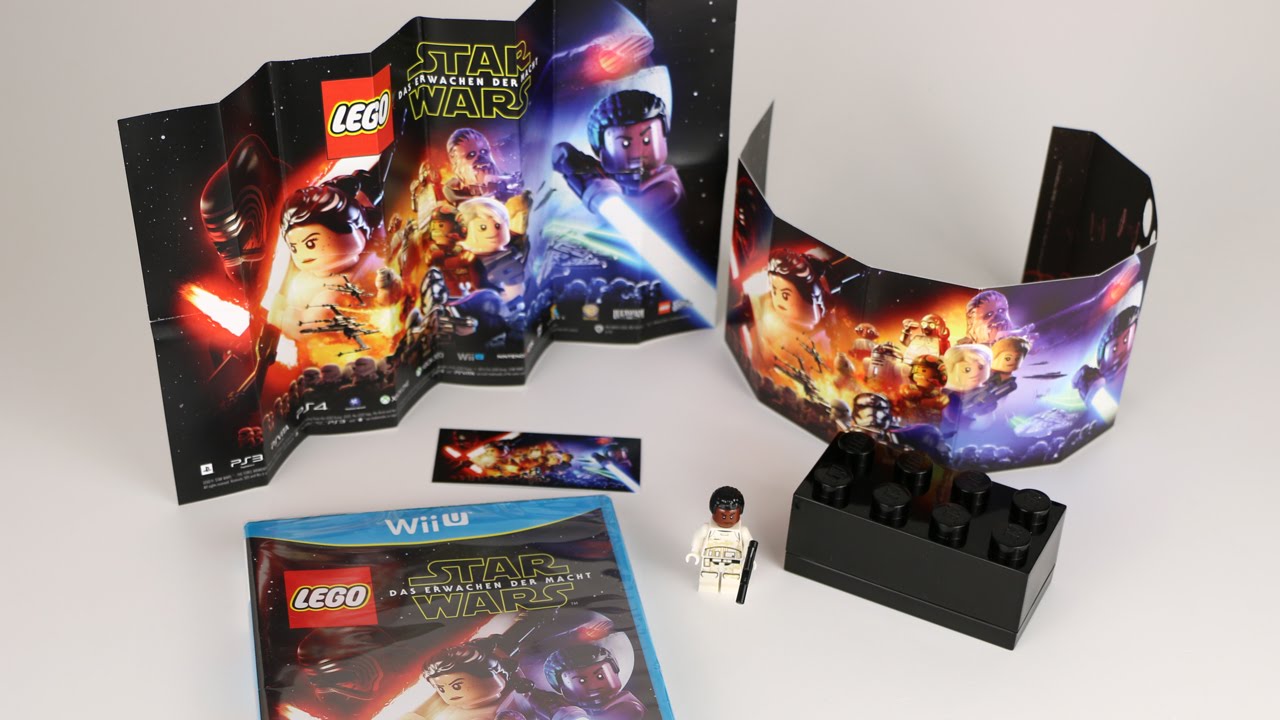
A collection of assets (screenshots, videos, logos, game descriptions, developer information) provided to media outlets to help them cover your game.
You can create a masterpiece, yet it’s game over before it ever begins if nobody hears about it. Excellent gameplay without a bit of promo spice is insufficient in the very competitive environment of today. You must have a signal boost. You must have momentum. From early teases to post-launch patch notes, marketing is not a side issue; rather, it is part of the development.
Here is where a good partner enters. Argentics gets the whole stack of what makes a game launch land. Whether you’re scaling a live ops beast or preparing for your first soft launch, Argentics offers the party an outstanding dev experience and keen marketing instincts. We can support cross-platform visibility, help customize content drops, and ensure your game strikes. If you’re looking for a partner who speaks both gameplay and go-to-market fluently, you’re in the right lobby.