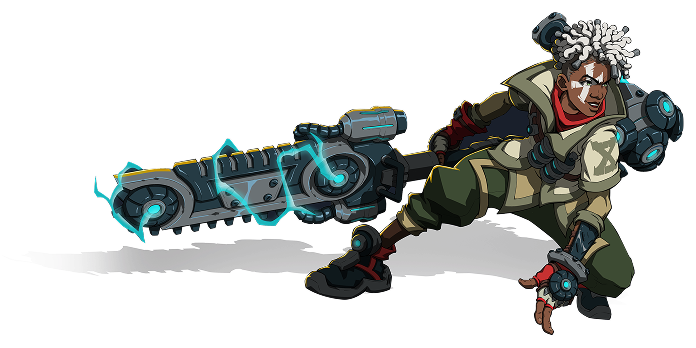
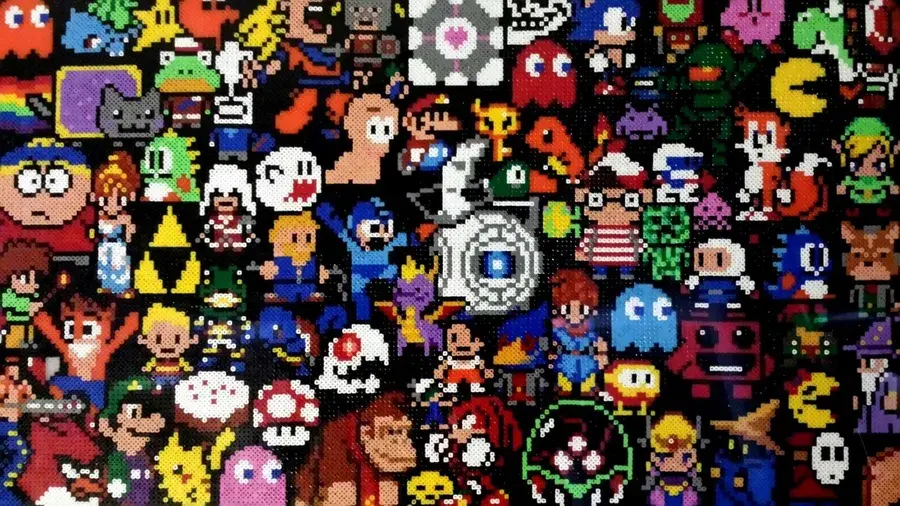
If you want to see how video games have changed, look at their characters. What began as simple shapes of the first video game character arranged on a screen gradually turned into figures with weight, posture, and presence. Think back to Mario jumping and Donkey Kong climbing. Sharp details never made those roles clear. Yet everyone knew their place, their purpose, their part in the scene. Over time, as hardware allowed more space for expression, those tiny blobs started showing smiles, winks, and even moods. What once seemed enough suddenly felt flat.
Key Takeaways
- Early game characters relied on shape, color, and motion, not detail.
- Hardware limits strongly influenced early character design.
- The 16-bit era allowed characters to show emotion through animation
- Motion capture and facial animation made acting part of game design.
- Modern characters react to player choices and change over time.
- AI is making characters more adaptive and responsive.
- Characters remain the main connection between players and games.
The Pixel Era: When Characters Were Icons
Before they carried stories on their faces, even before they emoted, game heroes existed as icons. They were never simplified versions of something more complex, but rather complete ideas expressed within strict limits. Early hardware left little room for detail. Memory was counted in kilobytes. Even with tight limits on colors, those early video game characters stood out fast, often clear at first sight.
A turning point arrived in the history of character design in games, tied tightly to what machines could handle. Video game art was reduced to essential data, optimized for clarity and recognition under strict technical conditions.
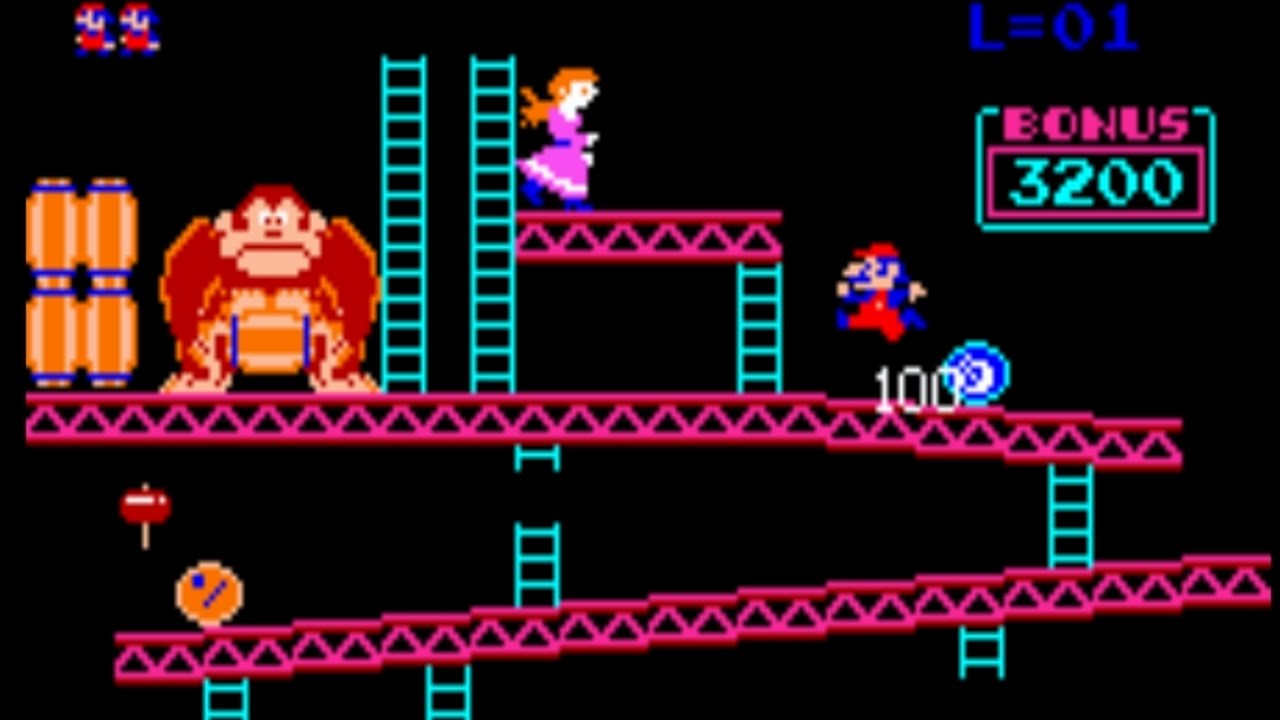
Picture how Mario first looked. Back in 1981, Shigeru Miyamoto made Donkey Kong under tight limits: just a handful of motion stages and almost no colors for the hero named Jumpman. A hat covered what would’ve been tricky hair animations. Wearing overalls meant arms could move without restricting the body. Still, white gloves made the figure pop on shadowed screens.
16-bit and Story Seeds
Things began changing, with little to no noise, when the eighties came to an end. Shifting to 16-bit systems did not involve remaking characters overnight, but it allowed them space to breathe. Consoles like the Super Nintendo Entertainment System (SNES), Sega Genesis / Mega Drive, and later the Neo Geo increased sprite resolution, expanded color palettes, and allowed for more animation frames per character.
A fresh space opened up behind the scenes in character development. With more pixels and more colors available per sprite, designers could introduce facial expressions and situational reactions. These were still 2D sprites, but 2D character design began to focus less on static readability and more on performance.
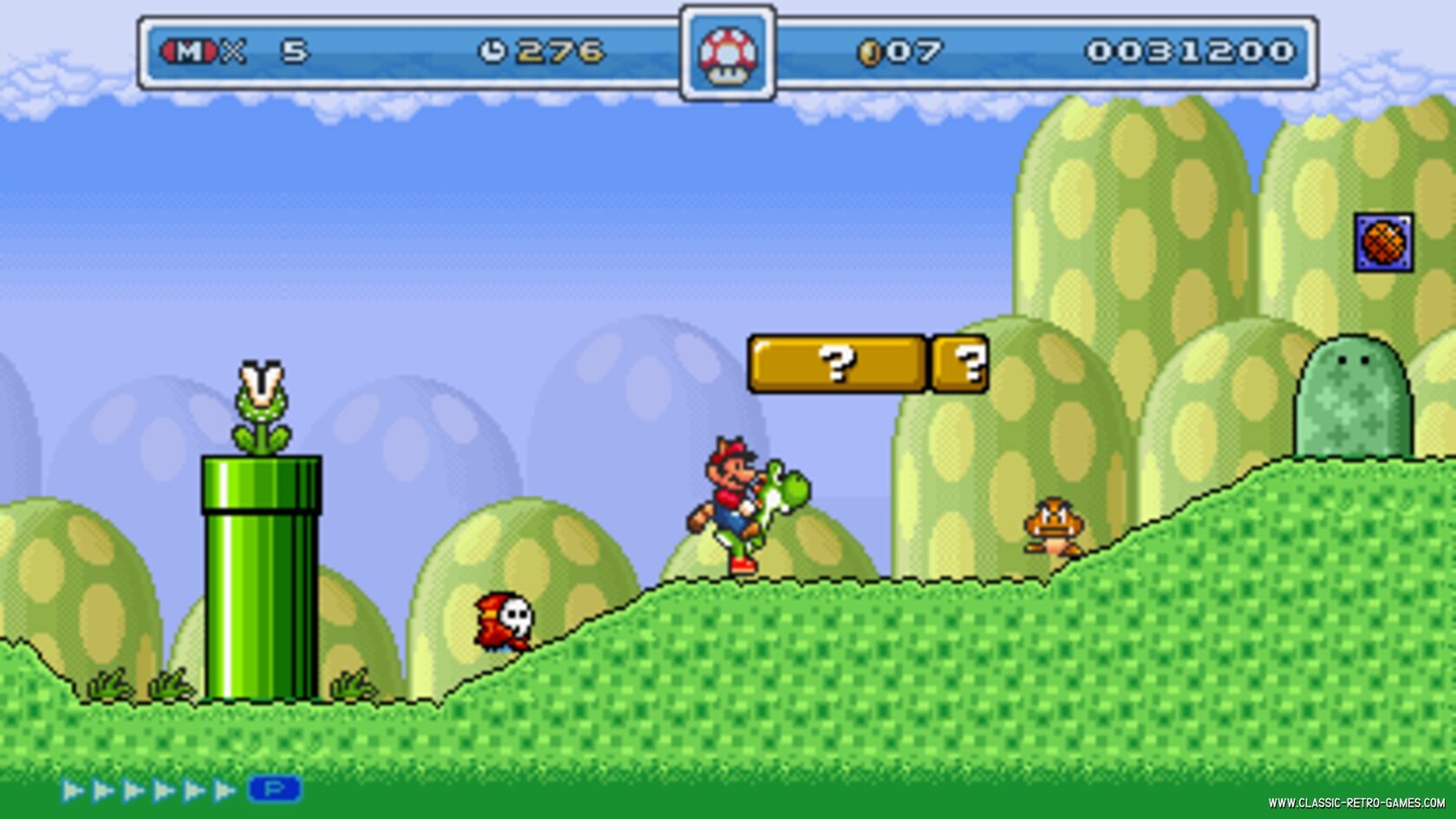
Games like Super Mario World (Nintendo, SNES, 1990) used animation and timing to give Mario a broader emotional range. Jumping high, Mario showed excitement through his body alone. Mid-air wobble tilted his ears up when he was happy. The faster he ran, the more his back leaned forward.
The 3D Revolution of Video Game Characters
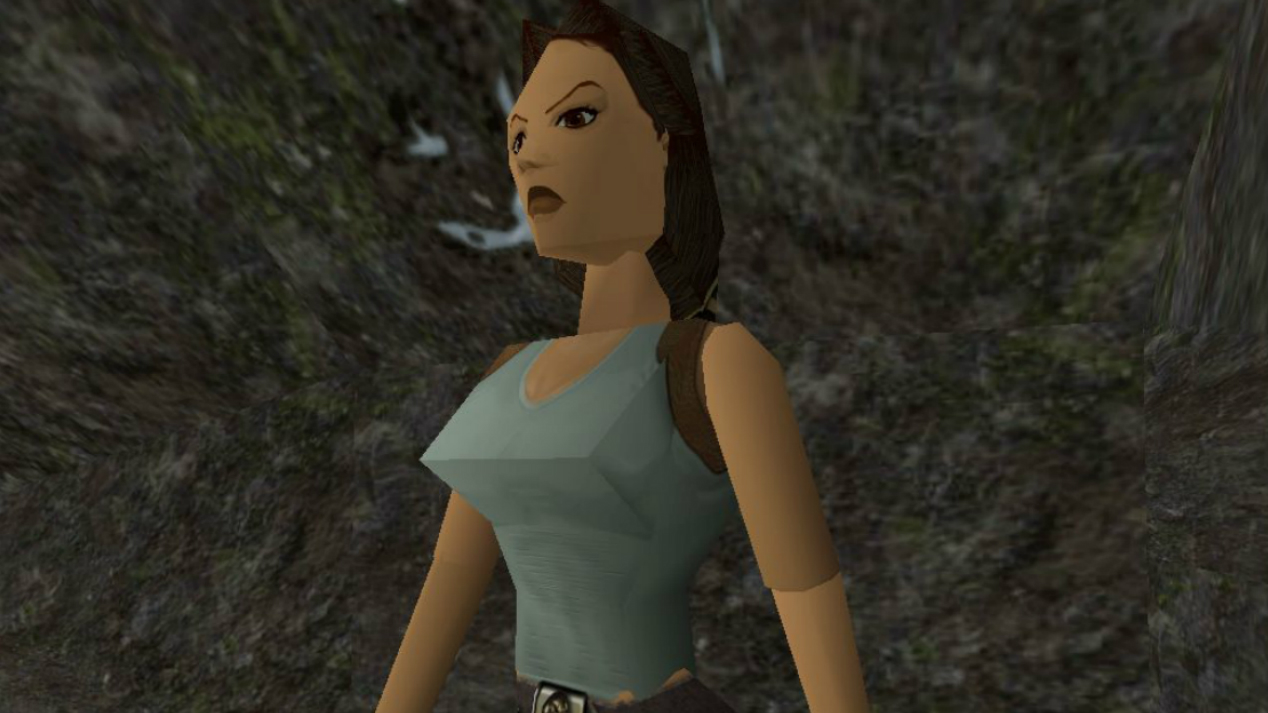
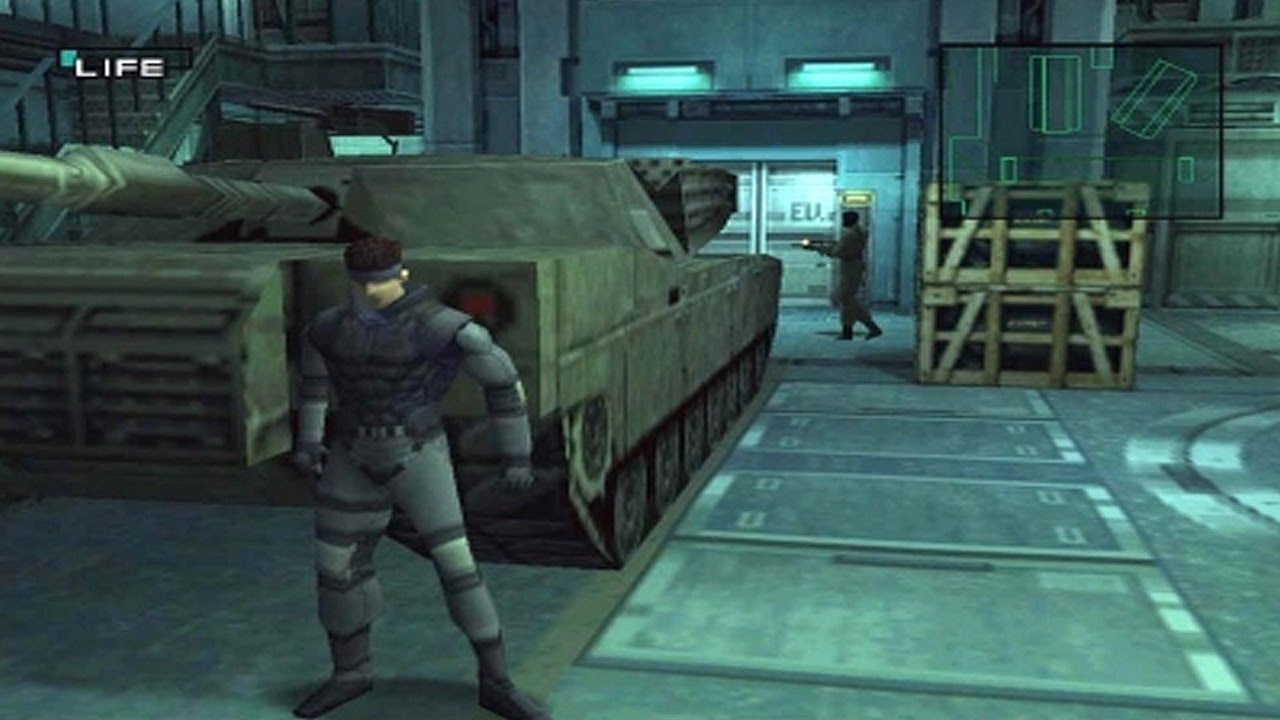
During the mid-1990s and the decade that followed, video game heroes were becoming more complex and far more evolved than ever before. Not only did developers move away from pixel-based sprites, but they also embraced polygon models that redefined character design entirely. As new systems, for example, the Sony PlayStation (1994), Nintendo 64 (1996), and Sega Dreamcast (1998), rolled out, so did consistent real-time three-dimensional visuals.
The Cinematic Era of Video Game Characters
From the 2000s through the 2010s, video game characters shifted from animated figures to performed roles. With 3D already figured out, creators turned toward how a character held themself between words. Performance slipped into coding like a quiet guest who stays too long. Emotion hid in tilted heads and delayed blinks. Designers stopped building puppets. They built people who could grieve, smirk, and hesitate.
Advances in designing character technologies drove this change. Full-body acting became possible thanks to refined motion capture setups. At the same time, emotions flowed more naturally because facial animation tools evolved.
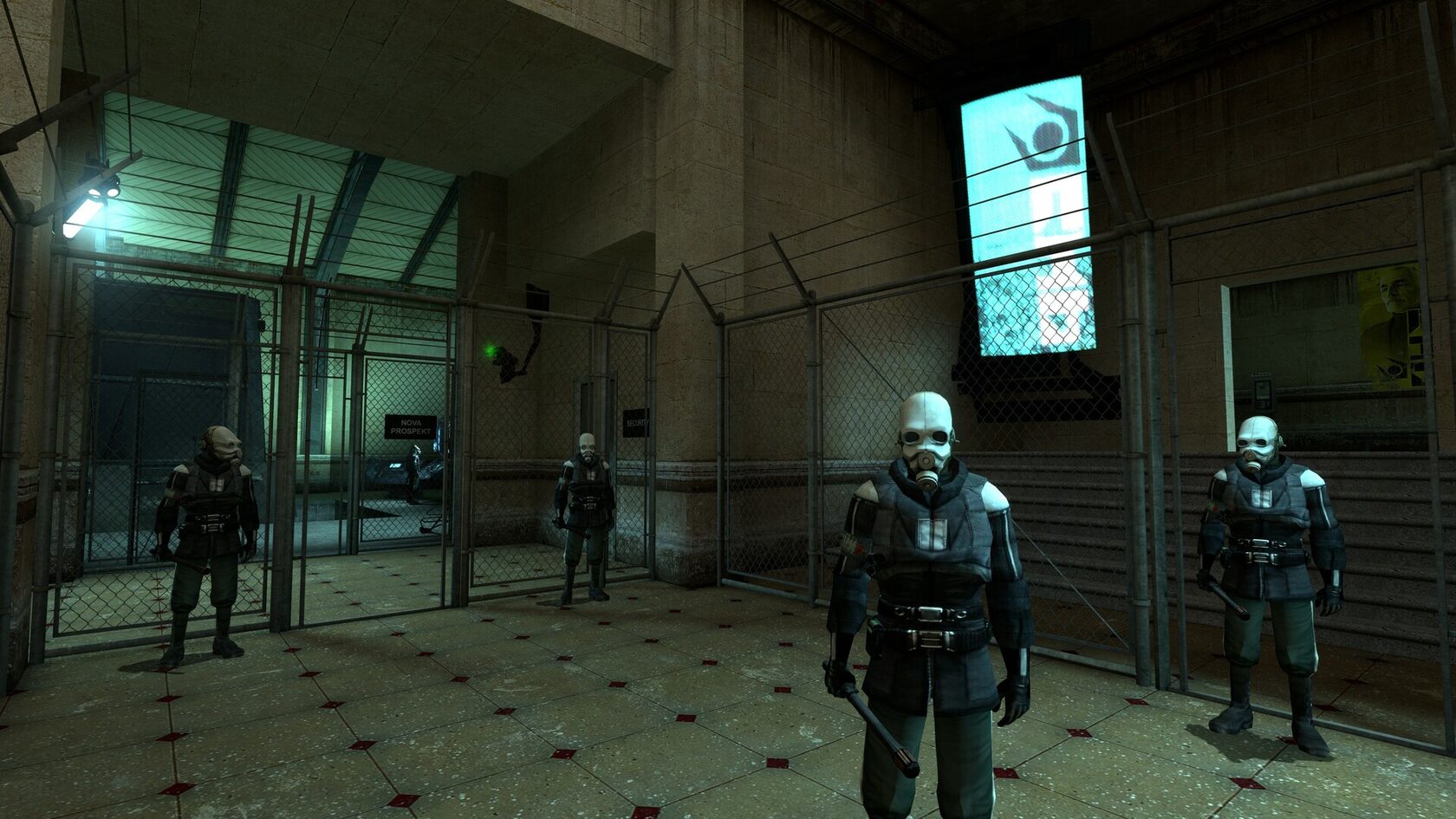
Games like Half-Life 2 (Valve, 2004, PC) relied on facial animation and scripted behavior instead of traditional cutscenes. Uncharted 2: Among Thieves (Naughty Dog, 2009, PlayStation 3) combined motion capture and cinematic camera work to give characters conversational rhythm and emotional weight. Heavy Rain (Quantic Dream, 2010, PlayStation 3) turned every blink into a decision point, eyes and silence shaping what happened next.
Player Choice & Role-Playing
Contemporary character design principles began to take variability into account: branching dialogue trees, relationship variables, morality flags, and long-term consequence tracking. Characters could recall action taken by the player, change behavior based on time, and unlock or close narrative paths based on cumulative selections made. Identity became conditional. Strikingly effective narrative engines, complex dialogue systems, and state tracking made it possible.
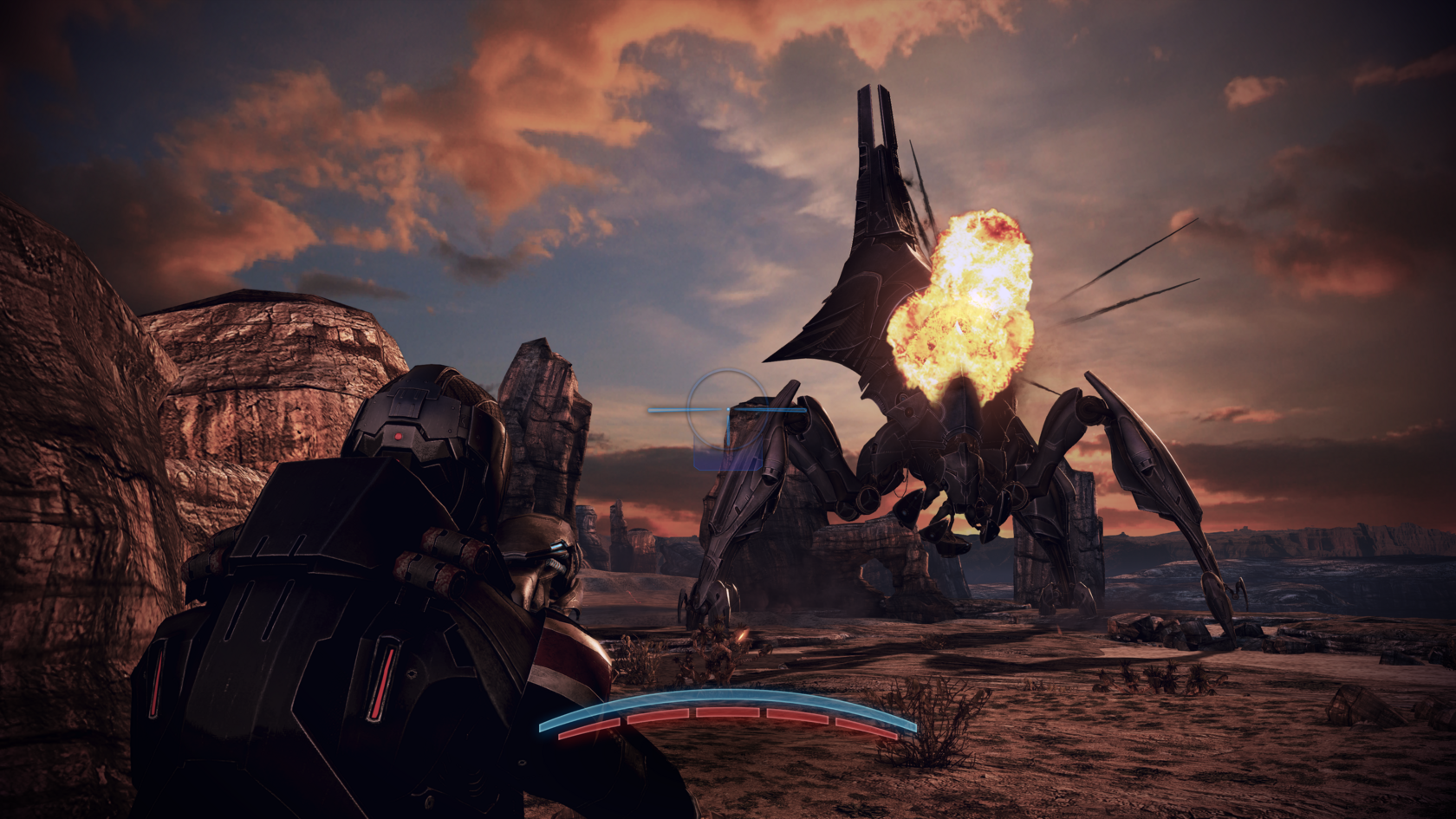
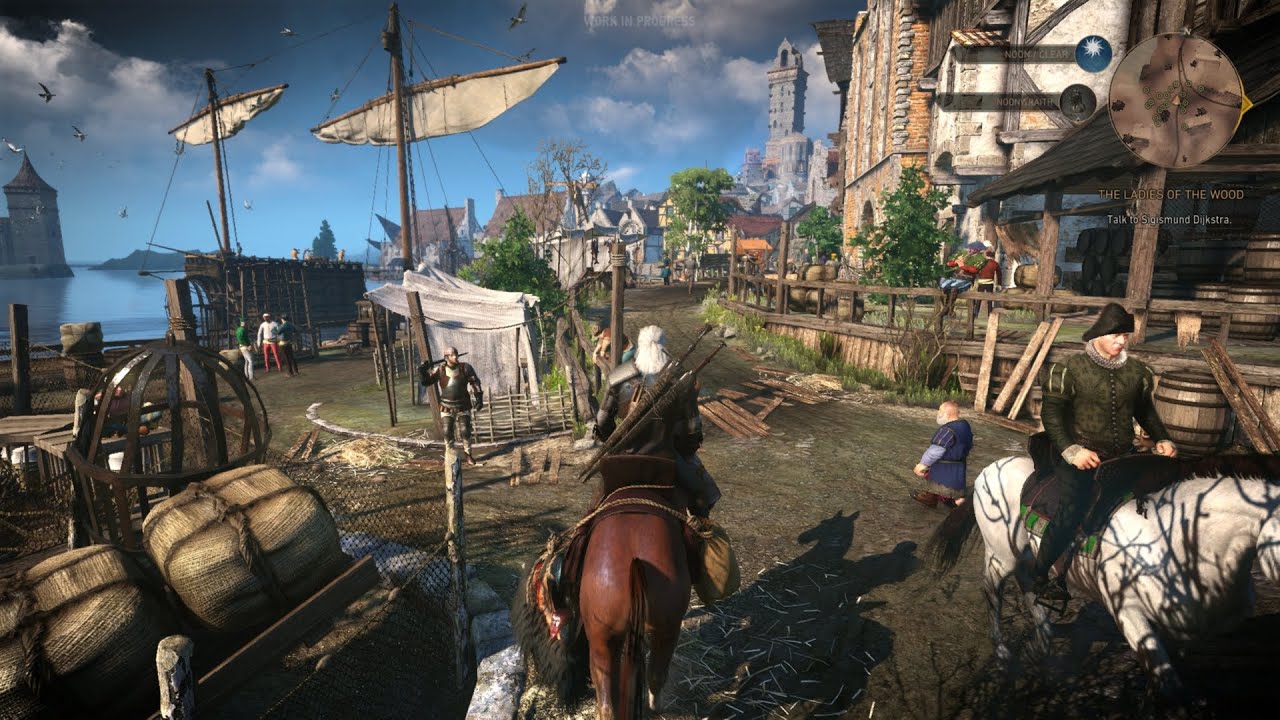
Part of that shift was initiated by role-playing games and narrative-driven titles. Games such as Mass Effect (BioWare, 2007–2017, PC and consoles) and The Witcher 3: Wild Hunt (CD Projekt Red, 2015, PC and consoles) used layered decision systems to shape character relationships and endings. Dialogue decisions impacted loyalty, access to storylines, and character survival.
What Makes a Video Game Character Memorable?
Characters are memorable only partly due to meticulousness. Players remain attached to them because every element of their design is designed towards recognition and purpose. Strong video game character design comes with a handful of common things:
- Clear visual identity. A unique silhouette, readable proportions, and consistent color language allow character recognizability when taking a quick look at a character, be it when they are moving and at a distance or when they stand still.
- Personality is expressed through behavior. The characters disclose their true essence via responses, timing, posture, and restraint. Not only dialogue or verbal exposition.
- Mechanics that match the character. How a character moves, fights, or interacts emphasizes identity.
- Consistency across systems. Animation, camera framing, controls, and narrative tone: each piece helps create a character impression in the same manner in all contexts.
- Room for player interpretation. The most enduring characters make room for the player to project meaning, constructing recognition through experience, not explanation.
The Future of Character Development
Even the most complicated of characters generally function within certain fixed logic: dialogue trees, predefined emotional states, and bounded paths of reaction. Contemporary AI systems, in particular LLMs and reinforcement learning paradigms, cross this boundary. Such systems now have the ability to dynamically create dialogue, retain internal memory states, and modify behavior based on long-term player interaction.
Procedural NPCs are a huge byproduct of this change. Gone are the days of creating manually creating characters. Instead, developers can define parameterized character profiles (traits, motivations, moral alignment, social tolerance), and AI systems will be able to resolve such behavior in real time.
It also opens up emergent storytelling that is comparable to systemic games (e.g., Dwarf Fortress or RimWorld), but applied directly to character interaction rather than world simulation. Two players may meet the same NPC archetype and leave with an entirely different set of relationships, outcomes, or conflicts.

FAQ
Users often point out that in the 8-bit era, Luigi was literally a palette swap of Mario to save memory. The “evolution” of Luigi as a taller, slimmer character didn’t truly solidify in-game until the 16-bit era and later titles like Super Mario 2 (USA) and Mario & Luigi: Superstar Saga.
This is a classic “did you know.” While Jumpman is canonically Mario, the name change happened during the localization of Donkey Kong for the US. Legend has it he was named after Mario Segale, the landlord of Nintendo’s warehouse.
The “Blank Slate” Theory. People often discuss the Silent Protagonist vs. Voiced Protagonist evolution. Early characters like Link or Gordon Freeman were “blank slates” for the player to inhabit. Modern AAA games often move toward “pre-defined” characters with specific voices and opinions. Some players argue that this actually stifles personal character development because the character’s growth is scripted.
Around 2005 (the PS3/Xbox 360 era), art costs doubled. To make characters look high-detail without killing the console, devs started using Normal Maps.
They create a 1-million-polygon model (high-poly) and “bake” its shadows and bumps onto a 5,000-polygon model (low-poly). This trick allows a flat surface to look like it has depth, wrinkles, and pores without the performance hit of actual geometry.