Game outsourcing means hiring external firms or freelancers for specific game production tasks. Game studios outsource to access specialized skills, lower recruitment costs, and accommodate limited in-house capacities.
In a competitive industry such as game development, outsourcing is essential. It allows studios to focus on their core activities and strategic growth by delegating duties like art creation, programming, audio production, and quality assurance to professionals outside the organization. This method enables studios to minimize expenses, streamline processes, and rapidly increase production to meet project deadlines without permanently increasing team size.

What are the Stages of Game Development
The stages of game development follow a series of structured steps that ensure a game’s successful creation and release. Here is a concise breakdown of the primary game development areas:
- Ideation and Planning: This is the initial stage where developers create the core idea for the game and conduct market research to establish the game’s goals, target audience, and scope. Teams outline the budget, timeline, and resources needed.
- Design: Game designers produce detailed documentation that guides development. This includes creating storylines, gameplay mechanics, characters, levels, and user interface elements. The design stage ensures clarity on how each feature will work and interact.
- Pre-Production: This stage involves assembling a team, choosing the right tools and game engines, and developing prototypes. Prototypes validate the core gameplay mechanics and identify technical requirements early on.
- Production: The production phase creates most of the actual game content. Developers focus on coding the game’s features, building art assets, designing audio, and integrating different systems. This is the longest and most resource-intensive stage.
- Testing: Testing ensures the game meets quality standards by identifying bugs, glitches, and balancing issues. Testers assess gameplay to ensure it aligns with design intentions. This stage often involves internal and external quality assurance testers.
- Launch: Once testing concludes and final adjustments are made, the game is released to the public. This stage involves marketing, distribution, and community engagement to attract and retain players.
- Post-Launch: After launch, developers continue to monitor the game’s performance, provide customer support, fix bugs, and release updates or downloadable content (DLC). They also analyze user feedback to refine future projects.
What are the Elements of Game Design
A successful game requires the careful coordination of many design elements. From a solid foundation in gameplay mechanics to engaging storytelling, each aspect adds a unique layer to the experience.
- Gameplay Mechanics: These are the fundamental rules and systems that dictate how players interact with the game. They cover movement, combat, resource management, and more, ensuring the game functions logically and consistently.
- Story/Narrative. Story-driven games rely on well-developed plots to immerse players while engaging in quests and dialogue to strengthen relationships. Lore provides a foundational framework, but some video games prioritize mechanics over narrative.
- Characters: Characters breathe life into the story and gameplay. They can include the protagonist, antagonists, allies, and NPCs, each contributing to the plot and world-building.
- Levels/Environment: The game’s world has levels and environments. Designers create structures, landscapes, and obstacles that guide the player’s journey, making exploration and challenges exciting.
- User Interface (UI): The UI provides vital information through health bars, maps, inventory screens, and tutorials. A straightforward, intuitive UI allows players to navigate and make decisions efficiently.
- Art Style: The visual aesthetic, including textures, color schemes, and animations, establishes the game’s tone and emotional impact. It should be consistent with the overall narrative and gameplay. The art direction might draw from specific periods or cultures, such as cel-shaded graphics for a comic book feel or pixel art to evoke retro gaming.
- Audio: Music and sound effects create atmosphere and emotional resonance. Music scores, environmental sounds, and voice acting help immerse players in the game world. High-quality audio features spatial sound to help players detect the direction of enemy movements or subtle cues that enrich the atmosphere.
- Progression System: Games need systems that reward players for completing tasks and advancing through challenges. This includes leveling up, unlocking new abilities, and achieving milestones.
What are the Most Challenging Issues of Video Game Design
Designing video games involves navigating complex issues, ranging from gameplay balance to optimizing for diverse platforms. Addressing these game design challenges requires careful planning and strategic resource allocation.
- Balancing Gameplay Mechanics: Designers need to strike the right difficulty balance to keep players engaged without causing frustration. Too easy or too difficult can lead to player disengagement.
- Integrating Story with Gameplay: Merging a compelling story with interactive mechanics requires careful pacing, narrative design, and writing to ensure immersion.
- Optimization Across Platforms: Games must run smoothly on diverse devices with varied performance capabilities.
- Player Retention: Maintaining interest demands well-implemented progression and reward systems.
- Accessibility and Inclusivity: Catering to diverse player needs requires thoughtful interface design and adaptable mechanics.
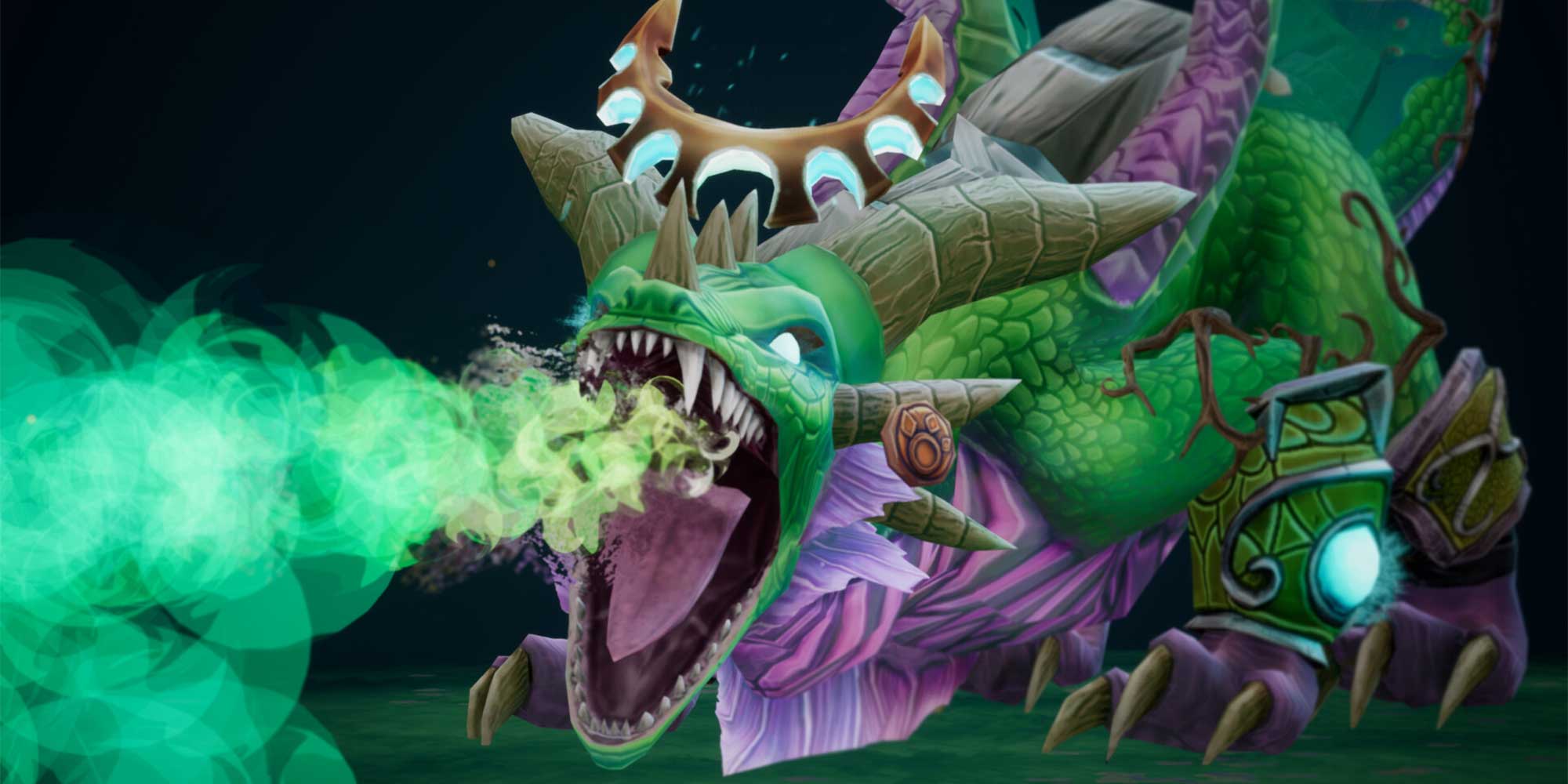
- Challenges in Art: Creating consistent and appealing art requires artists to balance creativity with technical limitations while maintaining a style that fits the game’s theme and adheres to performance constraints.
Outsourcing specialized tasks to experts can be a solution, providing fresh perspectives, technical skills, and diverse talent. Various video game design areas can be outsourced to specialists. External partners can help optimize mechanics, refine narratives, test for performance, and develop more inclusive game experiences, ensuring that each challenging area is addressed efficiently and effectively.
Benefits of Outsourcing in Games Production
Outsourcing has become an essential strategy for studios to maintain innovation and competitiveness in an industry as dynamic and competitive as game development. There are many reasons to take your video game development to an outsourcing studio:
- Lower Costs: Outsourcing to regions with lower labor costs can substantially reduce expenses compared to maintaining in-house teams. Companies also save on recruitment, benefits, and infrastructure costs.
- Diversity of Thought: Access to a global talent pool allows for unique perspectives and creative input, enhancing storytelling, art styles, and gameplay mechanics.
- Scalability and Flexibility: Teams can quickly scale up or down based on project demands, providing a flexible workforce that aligns with development cycles.
- Well-Established Processes: Professional outsourcing companies have streamlined processes that accelerate game production and maintain quality standards.
- Increased Efficiency: Specialists handle complex tasks, optimizing productivity and ensuring a higher-quality game while meeting deadlines.
- Security: Outsourcing firms often implement robust data security protocols to protect against breaches.
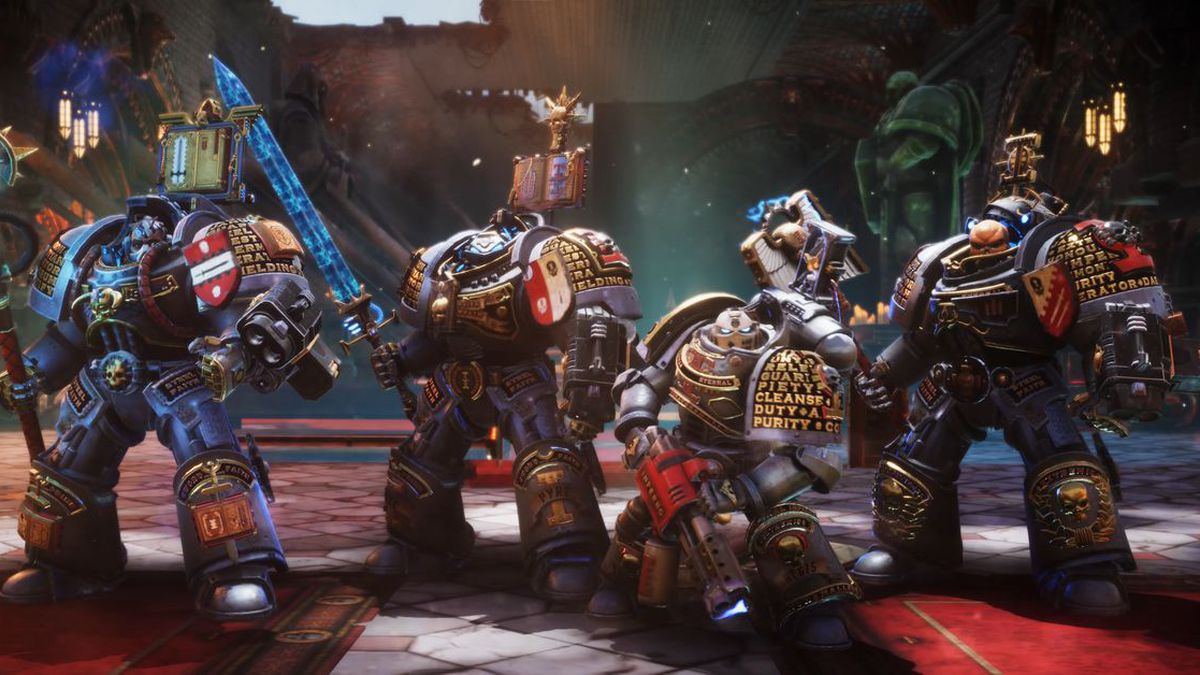
Why Choose Argentics for Game Development Outsourcing
Argentics Studio, established in 2018, specializes in computer graphics and game co development, combining creativity with cutting-edge technology. We offer diverse services like VR/AR solutions, animation and VFX, game development, and 2D game art outsourcing. Our experienced team is known for creating innovative mobile games, AR/VR experiences, and PC/console games that blend creativity and tech sophistication.