In the world of gaming, the art style defines the entire visual experience, from character designs to lighting and colors. Character art goes beyond simple drawings; it involves crafting personalities through detailed appearances that fit their backstories. Integrating these artistic elements crafts unique, immersive worlds that captivate audiences and bring stories to life.
Diverse Character Art Styles: BringingCharacters to Life
Developing engaging characters is crucial for all visual storytelling ventures to be successful. Whether it’s for a video game, animation, or graphic novel, the quality of character art can significantly impact the audience’s engagement and emotional connection. Exceptional character artwork goes beyond appearances, encompassing individuality, background, and characters’ distinctive features to ensure they are memorable and easy to connect with.
Art styles for characters are diverse and cater to different narrative needs and artistic visions. From the exaggerated characteristics of cartoon figures to the detailed elements of lifelike representations, every style presents a distinct method for developing characters. This diversity in styles of character design allows artists to choose the best fit for their project, ensuring that the characters look appealing and resonate with the intended audience.
By following a character design style guide, artists can maintain consistency and coherence in their work, ensuring that every character aligns with the project’s overall vision. The right character design style can ultimately elevate a project, making it visually striking and emotionally compelling.
In this article, we will explore various character design art styles, delving into their distinct characteristics and the techniques used to bring them to life. Understanding these character design styles is crucial for any artist or designer looking to craft characters that stand out and leave a lasting impression.
This guide details the specific styles character should adhere to, from line work and color schemes to proportions and expressions. Let’s embark on a journey through the fascinating world of character design style, each with its principles and aesthetics.
Exploring Different Types of Drawing Styles
In the lively realm of visual narrative, how characters are illustrated can significantly impact how they are viewed and recalled. In the same way that an actor breathes life into a character through their interpretation, the chosen art style for a character gives them specific qualities, improving the story and visual appeal of a project. Let’s explore the diverse landscape of character art, highlighting the distinctive traits and renowned examples of different art styles for characters.
Cartoon Art Style
The cartoon art style is characterized by:
- exaggerated features;
- bold lines;
- vibrant colors.
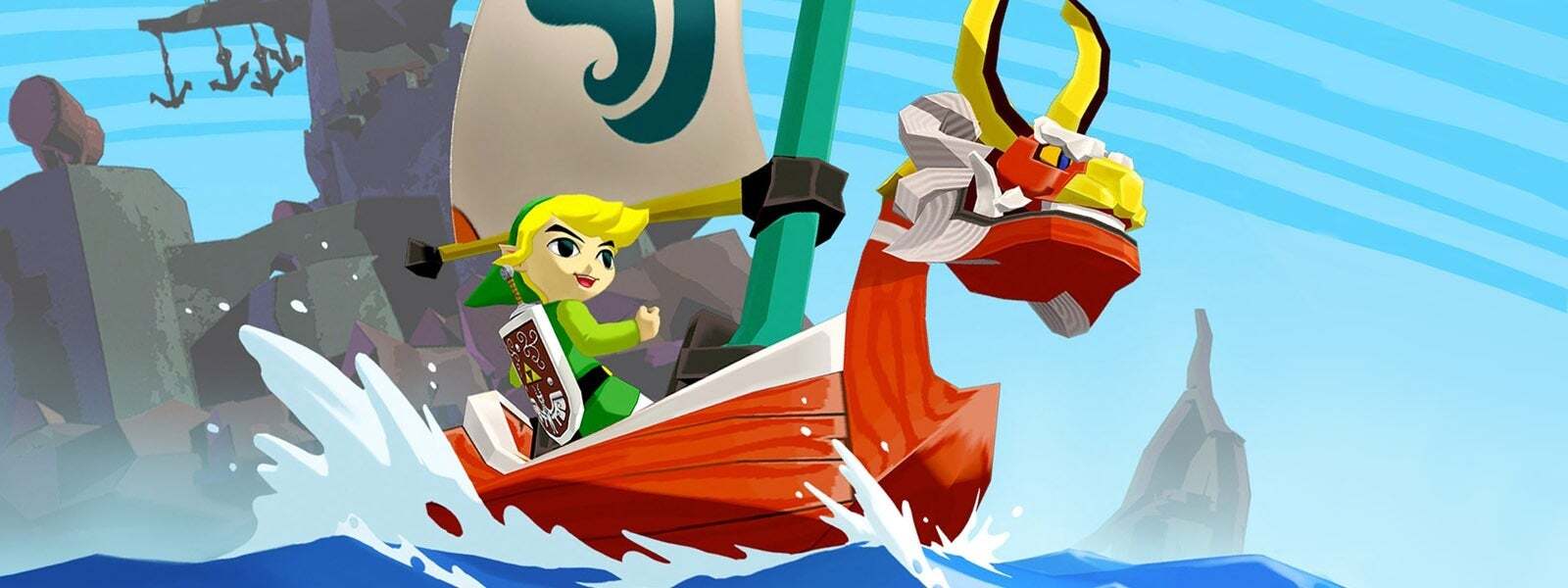
This style often emphasizes humor and exaggeration, making it perfect for creating lively and expressive cartoon character art. Key features include oversized eyes, hyperbolic facial expressions, and simplified anatomy. This approach allows characters to be highly dynamic and visually engaging. Games like Cuphead, with its retro, 1930s animation style, and The Legend of Zelda: The Wind Waker, with its cel-shaded, vibrant world, showcase excellent examples of character design cartoon art styles, bringing whimsical and dynamic characters to life.
Realistic Art Style
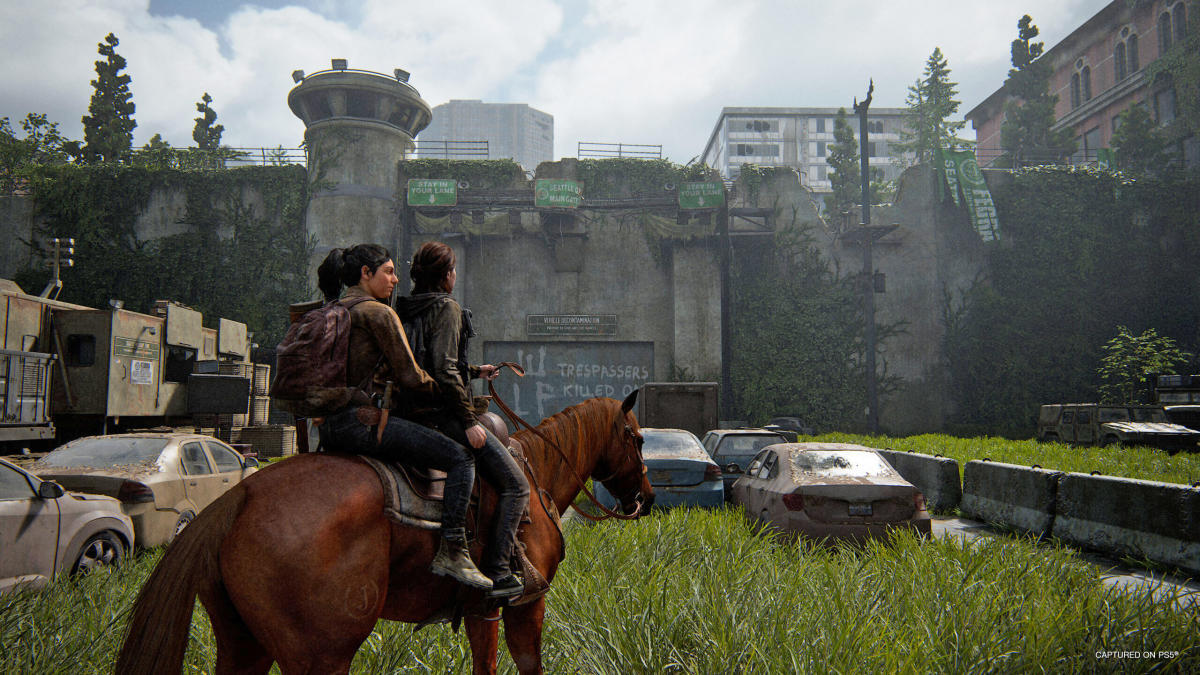
On the other hand, realistic art emphasizes detailed and true-to-life depictions. Realistic characters are created to look like actual humans or creatures, often including intricate textures, precise anatomy, and nuanced expressions.
Realistic art strives to accurately replicate the likeness of objects, surroundings, and figures convincingly and genuinely. Achieving this 3D art style involves intricate 3D modeling, sophisticated lighting and shading techniques, high-quality textures, and realistic animations.
Realistic art styles are helpful when games require visual accuracy and immersion, such as:
- military shooters;
- driving simulators;
- narrative-driven RPGs.
Often, realistic CGI can fall into the “uncanny valley,” a phenomenon where nearly flawless replication becomes disturbing as it lacks the imperfections that make something human. The most influential realism utilizes subtlety and simplification, tying real life to emotional importance. A realistic style and captivating writing and performances entirely draw us into the lives shown on screen.
Pixel Art Character
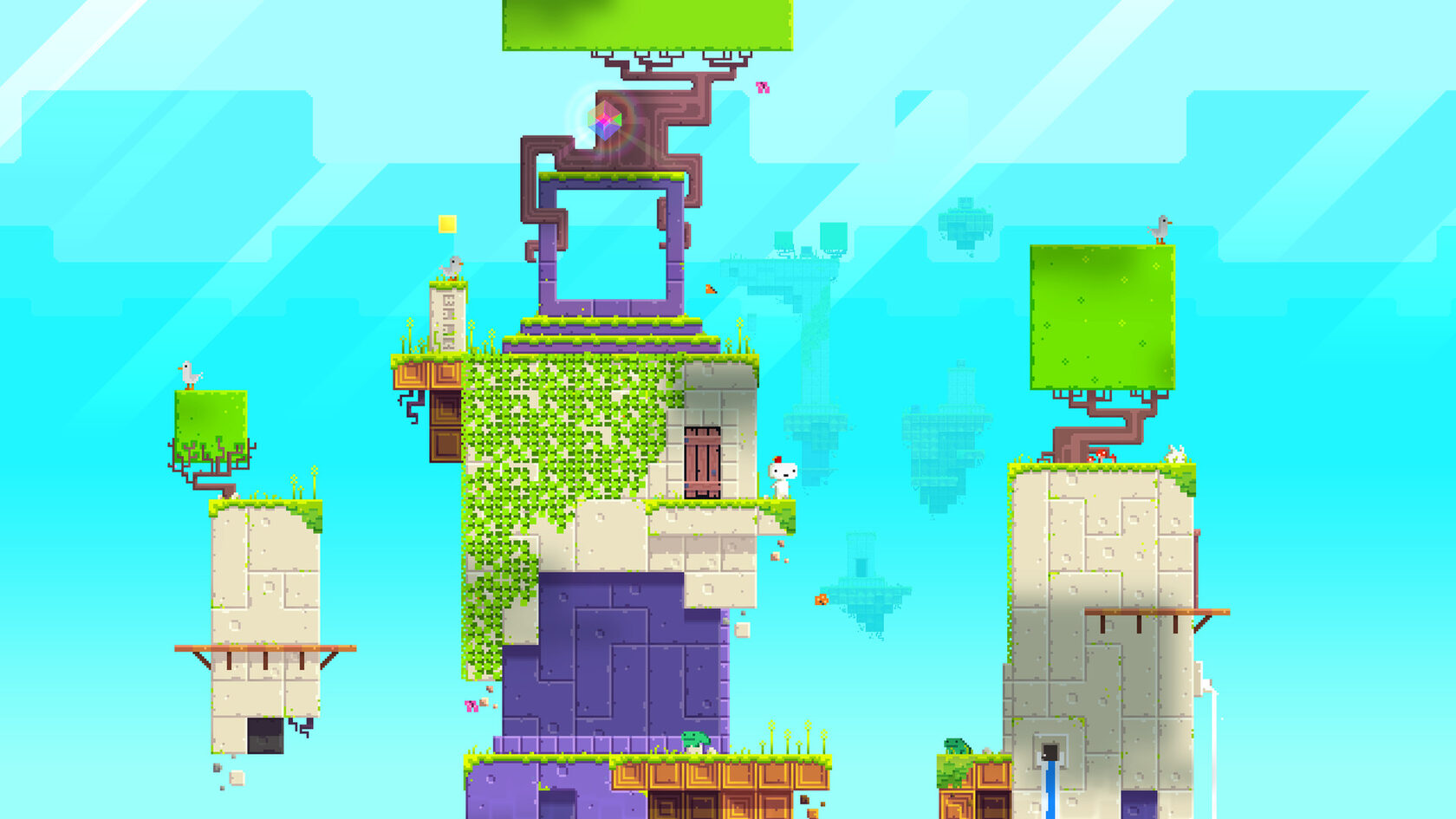
Pixel art character design harks back to the early days of video games, using tiny squares (pixels) to create images. Despite its simplicity, pixel art game character design can be incredibly detailed and expressive. Pixel art in games can generally be broken down into two forms:
- Isometric. Isometric pixel art games give a 3D feel to a 2D game without needing a 3D engine. This is achieved by producing all the art to appear as though it is being viewed at an angle, giving the illusion of depth in the game world.
- Non-isometric. Non-isometric pixel art, on the other hand, maintains a straightforward, flat perspective.
Fundamentals of Stylized Character Art
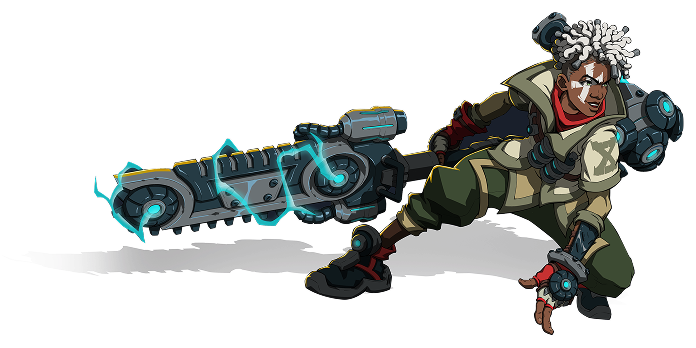
Stylized character art exaggerates certain features to create a distinctive and memorable look. The style may differ greatly, however typical features include exaggerated proportions, striking forms, and vivid hues. The goal is to portray the character’s essence instead of emphasizing realistic details. Games such as Overwatch, which showcases a variety of visually distinctive characters, and Borderlands, recognized for its graphic novel-esque style, both include stylized character art that encourages artistic expression.
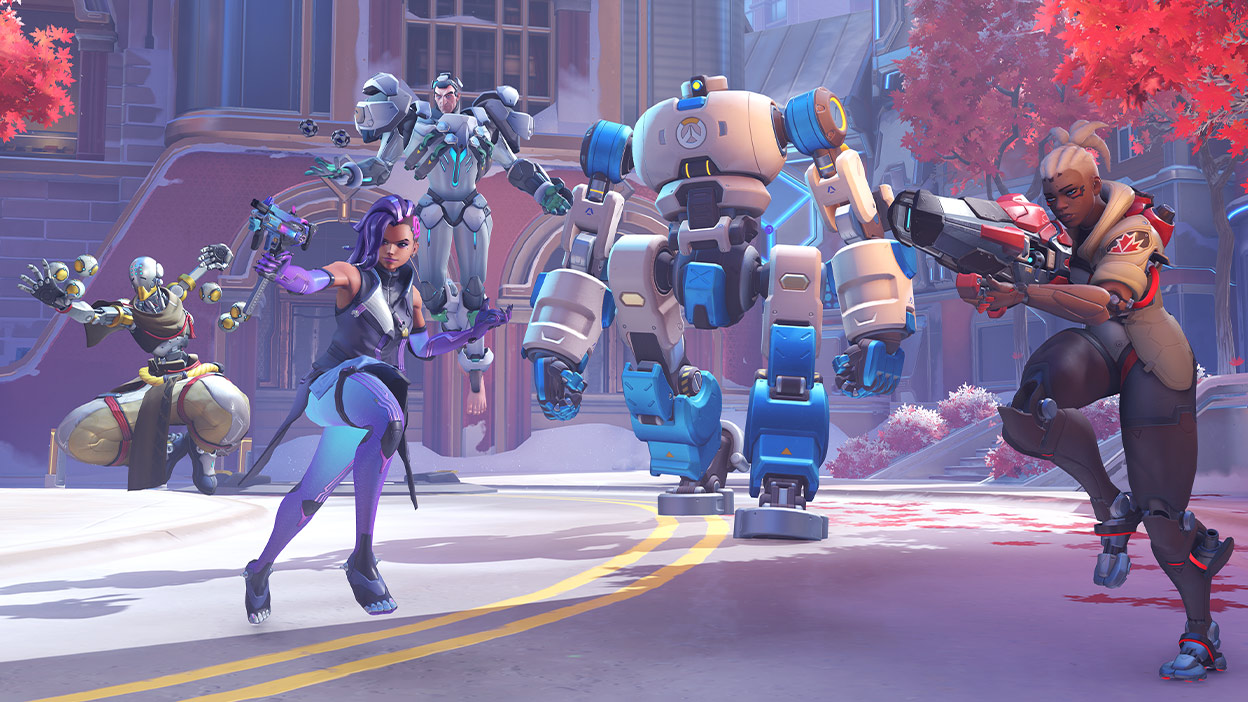
Anime Character Concept Art
The anime character art is known for its distinctive features, such as large, expressive eyes, spiky hair, and vibrant, often pastel colors. This style emphasizes dramatic expressions and dynamic poses, capturing intense emotions and action. It usually includes intricate costume designs and detailed backgrounds that complement the characters.
Anime’s unique visual language blends realism with fantasy, where characters openly express their emotions boldly and exaggeratedly. Abstract elements such as shifting backgrounds and symbolic props add layers of metaphorical meaning, providing deeper insight into the characters and their stories.
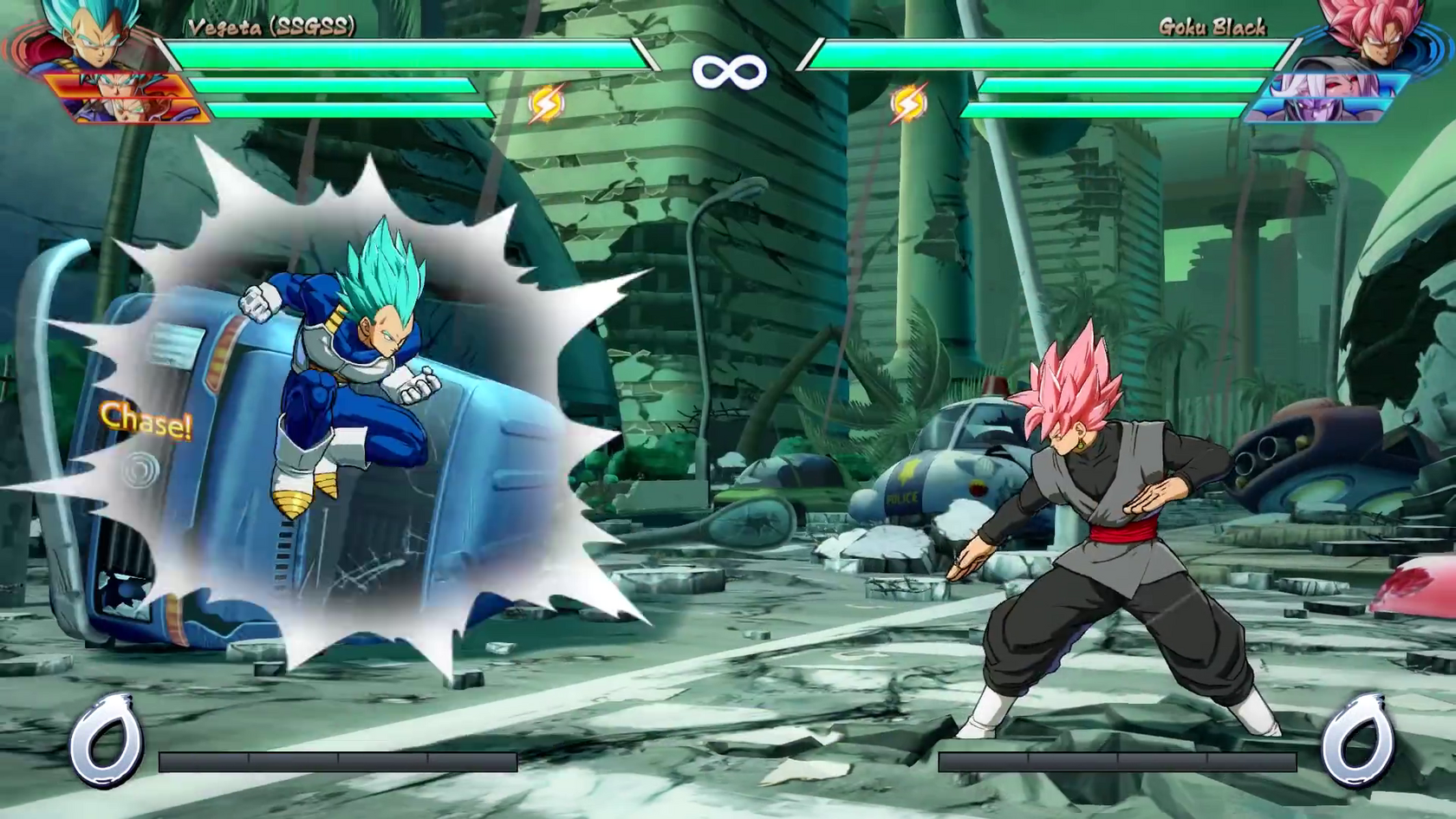
Cel Shading Art
Cel shading art gives a flat appearance with bold outlines and minimal shading, resembling hand-drawn animation. This technique reduces the complexity of textures and lighting, creating a graphic, comic-book-like aesthetic.
Cel shading animation is a computer rendering technique often used in animation, particularly Japanese-style manga and anime. The method uses computers to replicate the appearance of a hand-drawn image like those commonly seen in a traditional comic. The look is achieved by altering how light falls across a 3D model.
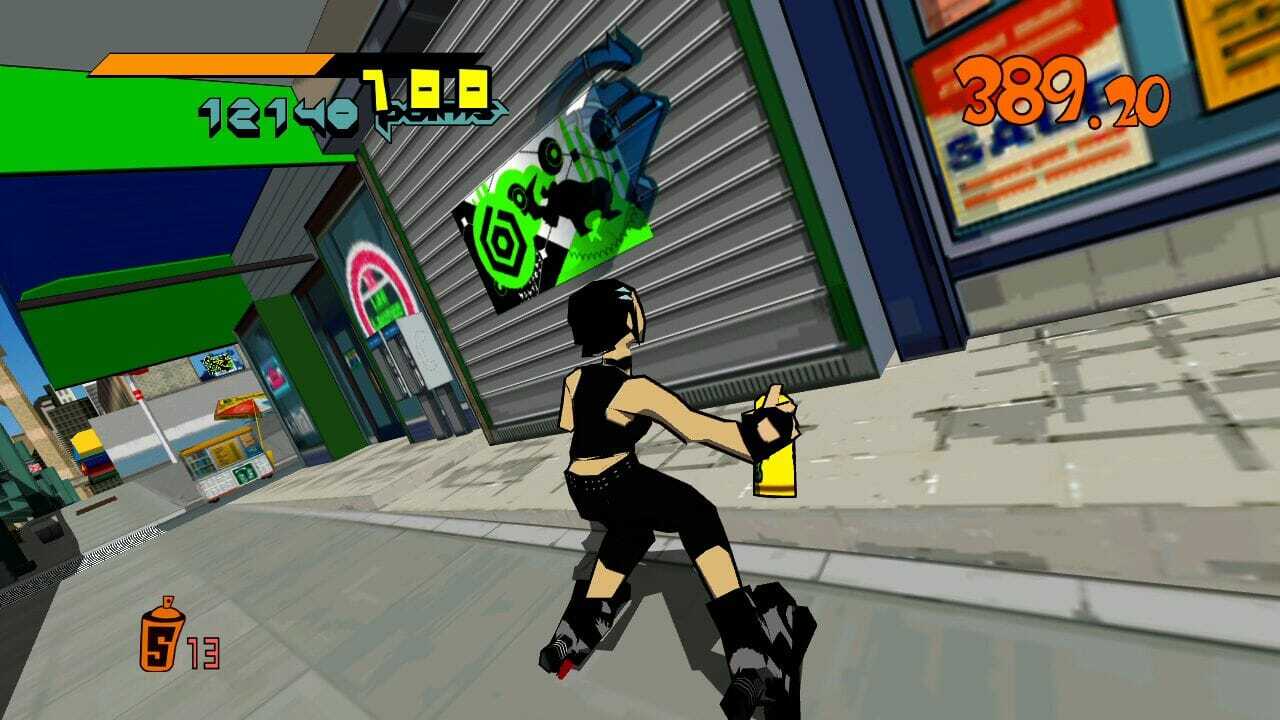
Low Poly Art Character
Low poly art character design uses a minimal number of polygons to create 3D models, resulting in a blocky, geometric appearance. Initially created due to technological constraints, this style has evolved into a recognized art form, showcasing its distinctive blocky visuals that are becoming popular among modern artists and designers. Despite its simplicity, low poly pixel art character design can be highly expressive and stylistic. Key features include:
- simplified shapes;
- flat colors;
- a focus on silhouette and form over detail.
Despite its misleading name, low poly art can sometimes contain over one million polygons. Hence, the term “low” does not suggest a small quantity of polygons but the straightforwardness of the shapes utilized. Gamers typically come across the low poly game art style combined with other styles or altered rather than in its original form.
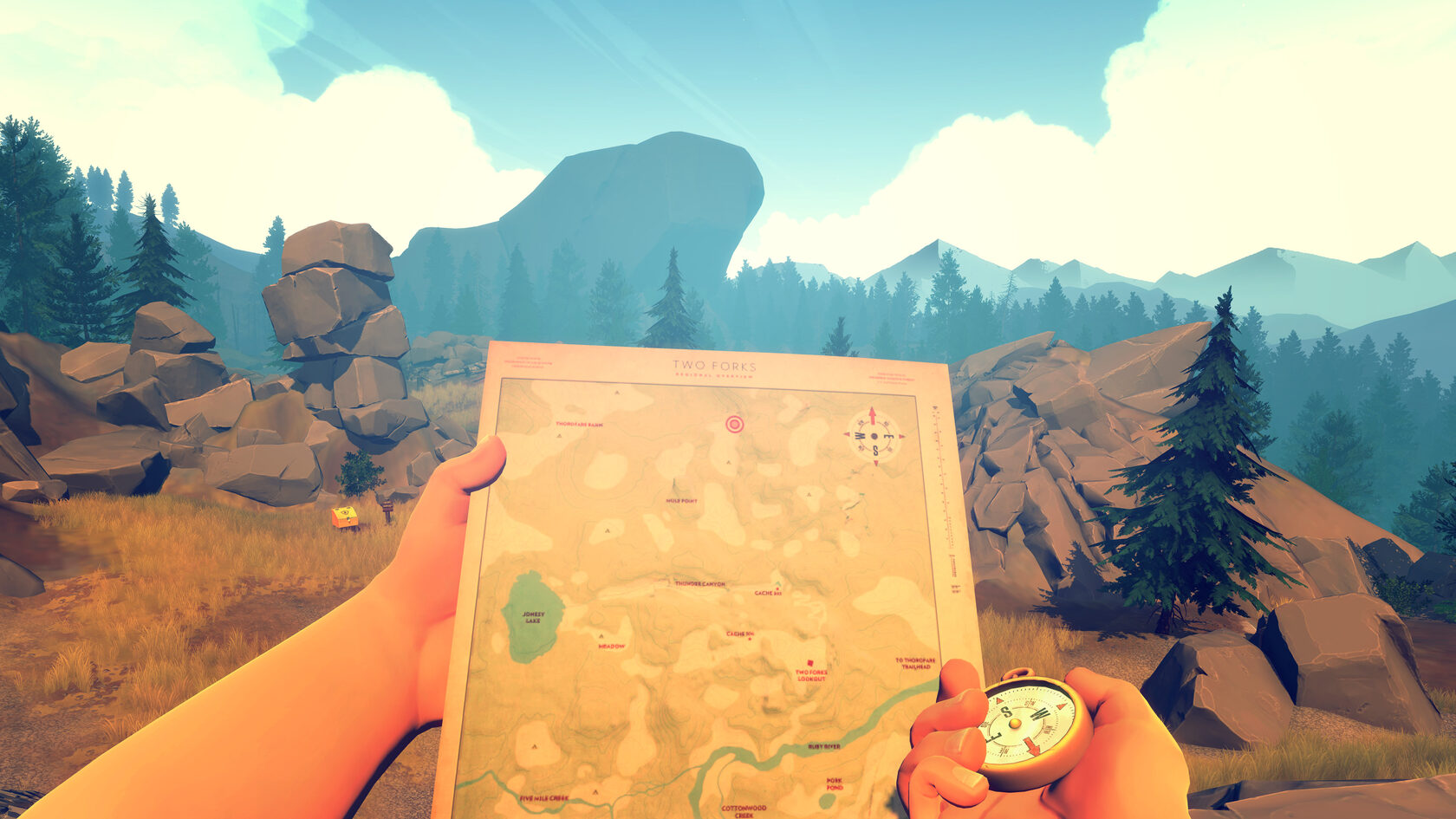
Mastering Art: Character Design Tips
Crafting engaging characters requires a blend of artistic skills and scientific knowledge. It can be challenging for newbies to comprehend and select the appropriate style. Here are some character design tips and tricks to guide you through this artistic process.
- Understand the Basics. Before diving into character art styles, ensure you have a solid grasp of anatomy, proportions, and basic drawing techniques. This foundation will be invaluable across all different drawing art styles. Resources like “Figure Drawing for All It’s Worth” by Andrew Loomis or online courses on platforms like Udemy and Skillshare can be beneficial.
- Study Different Styles. Explore different character art styles by studying characters from various genres and media. Pay attention to how artists approach shapes, lines, and colors. Analyze popular games, animations, and comic books to see how different styles are applied. Websites like ArtStation and DeviantArt are great for discovering diverse styles and techniques.
- Start Simple. One tip for character design is not to overwhelm yourself with complex designs. Focus on simple shapes and gradually add details as you become more comfortable. This approach allows you to build confidence and refine your skills.
- Experiment with Exaggeration. Whether you aim for a cartoonish look or a more stylized design, don’t be afraid to exaggerate features. Exaggeration can add personality and make your characters more memorable. Watch how artists exaggerate features in cartoons and anime to understand how they can enhance character appeal.
- Use References. Character drawing tips can’t go far without visualization. Collect references from various sources: movies, games, and real life. These references can inspire you and provide valuable insights into art styles and techniques. Tools like Pinterest can help you organize and access many references.
- Practice Consistently. Regular practice is crucial for improvement. Set aside time each day to draw and experiment with different styles. Consistency will help you develop your unique style as a character artist. Consider participating in daily drawing challenges or joining online communities like Reddit’s r/SketchDaily to stay motivated.
- Seek Feedback. One of the main tips for character design is to communicate. Share your work with other artists and seek constructive feedback. Engaging with a community can provide new perspectives and help you grow as a character art creator.
By following these tips for drawing characters, you’ll be well on your way to mastering the art of character creation.
Character Concept Art Tips
One important factor to consider is the character’s background story. The backstory could heavily influence the design and may require you to develop it further. Key factors to consider are the character’s name, race, age, family setup, traits, gender, job, flaws, and unique abilities. These specifics influence the character’s looks and actions, making them seem more realistic and easy to relate to.
Creating character attributes goes beyond sketching; it requires careful planning of facial expressions, stances, physiques, hairdos, attire, accessories, and items. The outline of the character is crucial as it impacts the perception. One example is a circular shape suggesting softness, while a square shape can suggest stiffness. Additionally, a tall and slender figure might be perceived as elegant or mysterious, whereas a shorter and sturdier figure could convey a feeling of approachability and warmth. A character’s look can be greatly altered by their hairstyle, even if everything else about them stays constant.
It’s also crucial to consider the target audience when designing characters. Different projects require different types of characters. For example, simple animations for young children benefit from characters with fewer lines and simpler designs. At the same time, games aimed at adults with serious themes often prefer realistic character designs featuring taller characters with larger head-to-body ratios. The design should align with the project’s tone and audience expectations.
In summary, designing a character in different art styles involves more than just drawing the body; it includes creating detailed clothing, accessories, and other elements. To draw a variety of subjects effectively, it’s beneficial to seek inspiration from diverse sources. Going out and observing the world can provide new ideas and insights for your character designs. If you’re looking to bring your characters to life with the help of experienced artists, reach out to Studio Argentics. Our team of talented professionals is ready to assist you in creating captivating and unique character designs.