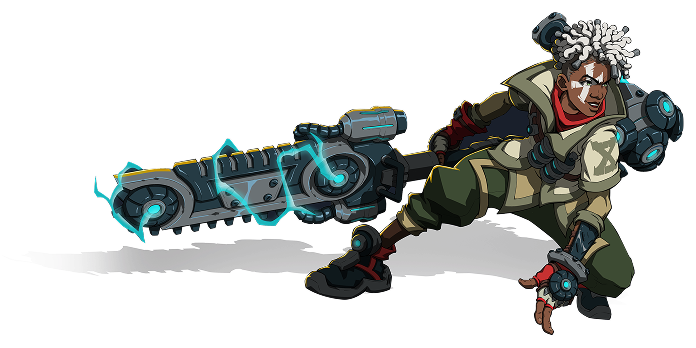
In video game development, where costs can swing from a modest $1,000 for charming 2D designs to a staggering $50,000 for complex 3D landscapes, the art of budgeting takes center stage.
As indie developers face tight budgets and large game studios plan how to best use their resources, the idea of art outsourcing becomes attractive. This strategy could either save money or lead to higher costs. Let’s dive into what it costs to outsource the creation of engaging game worlds and characters. Understanding the financial part of a question about using art outsourcing services will help game creators decide where to invest their money.
Understanding Game Art Outsourcing: Who Needs It and Why?
Game art outsourcing is a strategic practice adopted by the gaming industry to access specialized talent and reduce costs. This approach allows game developers, from indie creators to major studios, to focus on core development tasks while external studios create game assets like:
- characters;
- weapons;
- vehicles;
- environments;
- animations etc.
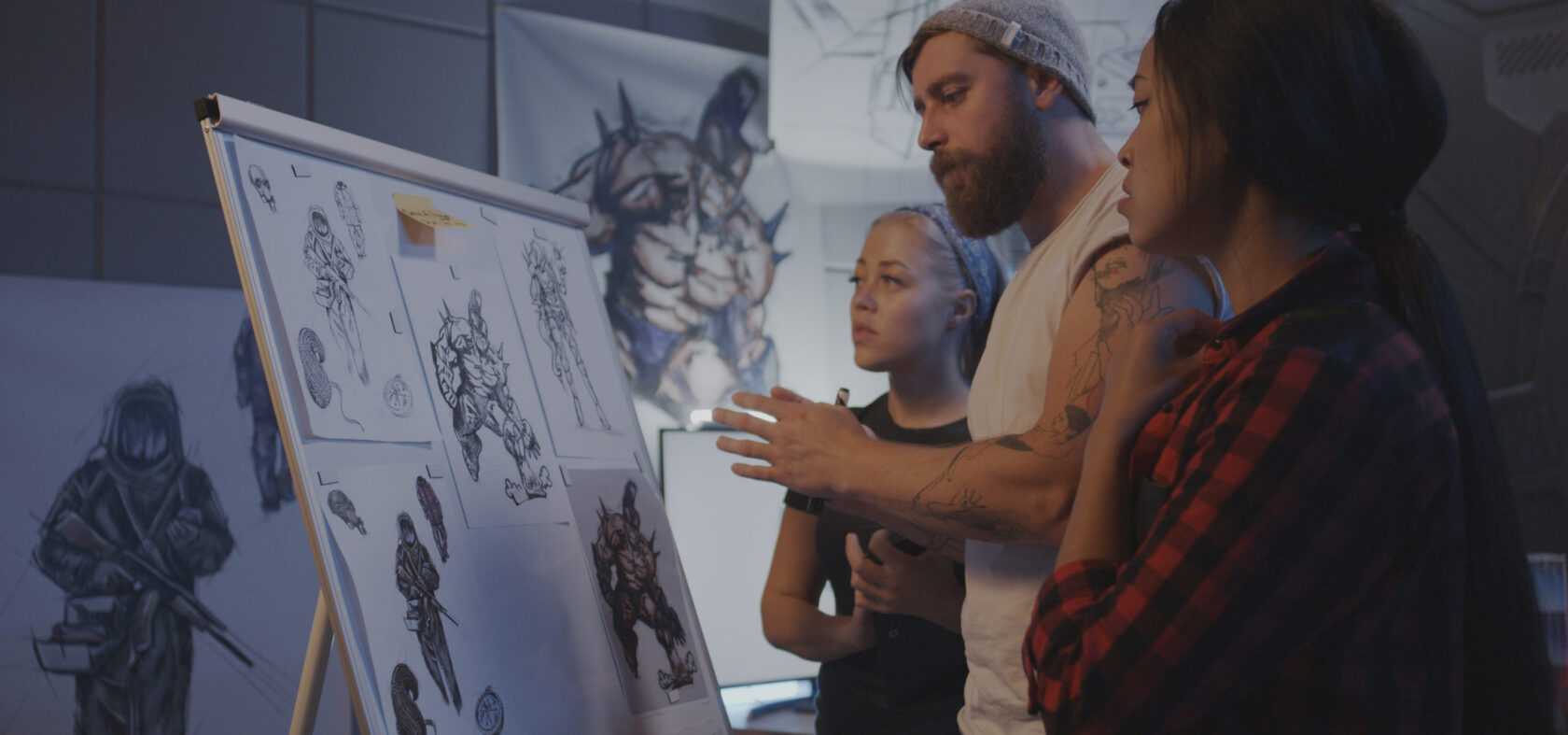
The Essentials of 2D Game Art Outsourcing
2D art outsourcing involves hiring external studios or artists to create two-dimensional visuals for video games. Contrary to 3D game art, which has to do with modeling and rendering an object in a three-dimensional space, 2D game art concerns itself with the creation of flat images in height and width but without depth. This style suits various game types:
- platformers;
- puzzles;
- storytelling games;
- trading card games;
- retro-style projects, etc.
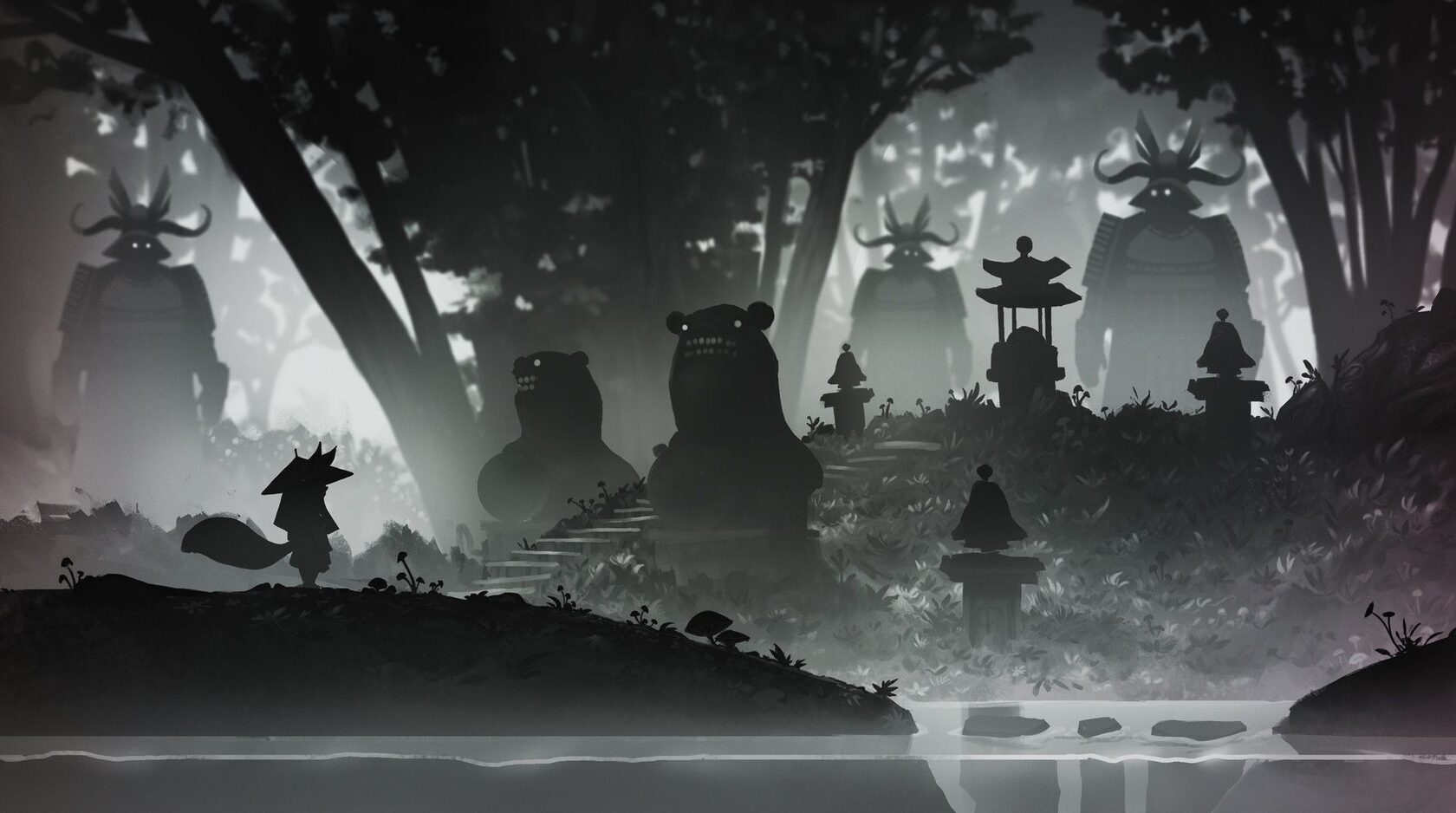
How to Choose 2D Game Art Outsourcing Studio
Developers typically partner with studios or freelancers specializing in 2D visuals when outsourcing. These 2d game art outsourcing services provide a range of artistic styles and techniques, allowing developers to find the perfect match for their game’s aesthetic without the need for in-house artists.
Selecting the right 2D game art outsourcing studio is crucial. Developers should look for studios with the following:
- a strong portfolio;
- good communication practices to ensure that ideas are clearly understood and implemented.
- positive testimonials and reviews from previous clients;
- reliable turnaround times that fit within the game development schedule.
By teaming up with a 2D game art outsourcing studio, developers can truly elevate their games’ visual charm. This collaboration makes games more captivating and visually unified and helps keep projects on track and within budget.
The Art of Realism: 3D Game Art Outsourcing
3D game art outsourcing is necessary for developers who want to bring out the maximum realism and interactivity possible for their video games. It needs cooperation with specialized studios or independent freelancers offering services of 3D art.
Creating 3D game art begins with conceptualizing designs that fit the game’s narrative and aesthetic. Using concept art as a guide, 3D modelers use software to build the object’s geometry:
- Autodesk Maya;
- Blender;
- 3ds Max etc.
This process involves creating a mesh, a collection of vertices, edges, and faces that define the shape of the 3D form.
Once the model is complete, texturing artists apply surfaces to the models. This involves unwrapping the 3D model’s mesh to lay it out flat so that textures—bitmap images or procedural textures—can be painted or generated to cover the model. Texturing adds color, pattern, and details, bringing the object to life.
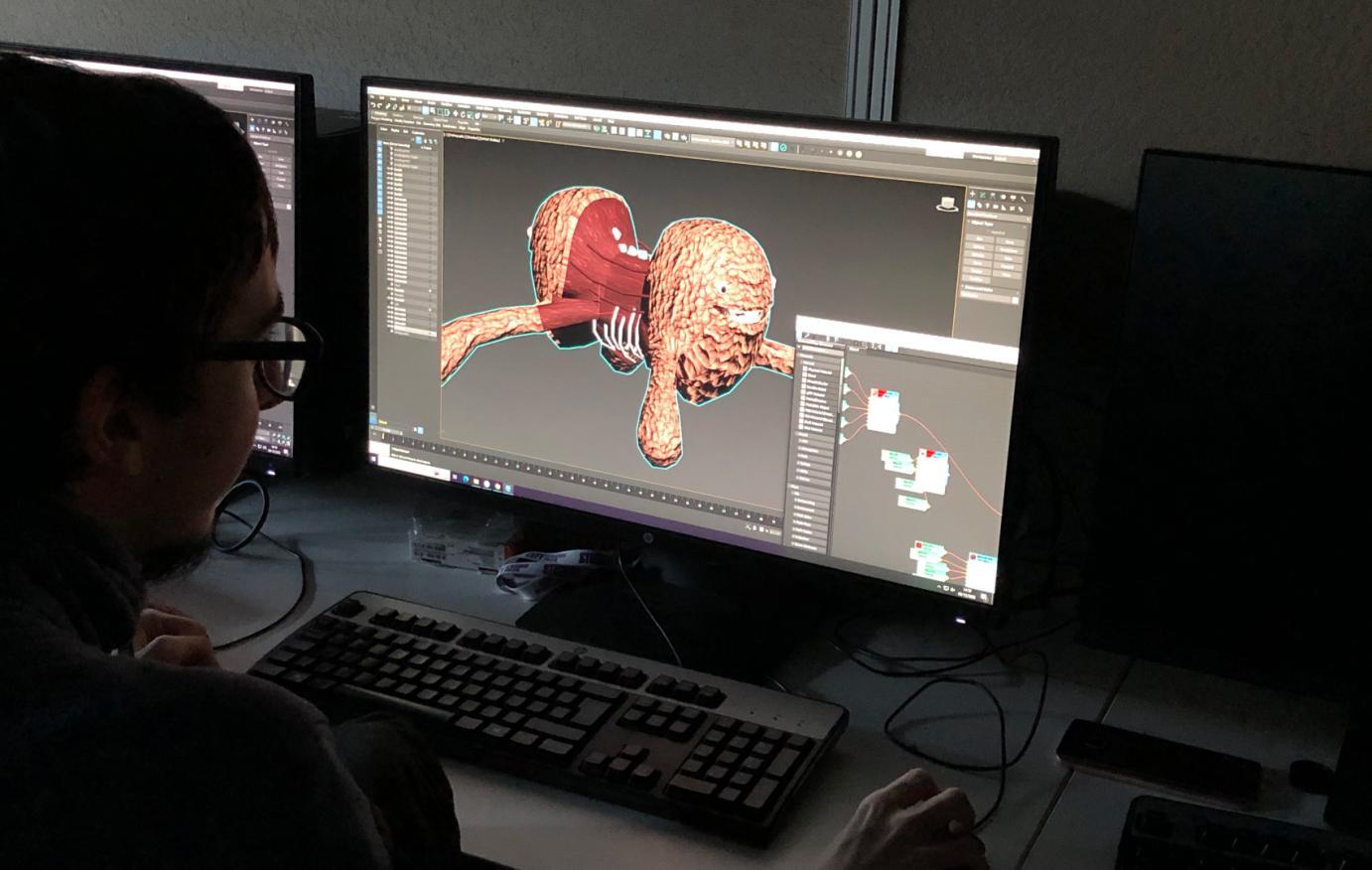
Benefits of Working with 3D Game Art Outsourcing Studio
3d art outsourcing services give game developers access to excellent artistic skills and the latest technology without the extra costs of growing their team. This approach can save a lot of money and offers the flexibility to adjust production according to project needs. Outsourcing also improves the visual quality of games, making them more attractive and engaging for players.
By outsourcing 3D game art, developers can make their games stand out in a crowded market with visually stunning and technologically advanced graphics. This strategy improves the game’s look and boosts the gaming experience by creating more vibrant and immersive worlds.
Typical Price Ranges by Art Type: Understanding Cost Factors and Estimations
Understanding the factors influencing pricing is crucial for effectively budgeting when outsourcing game art. Here, we’ll explore what affects prices and provide a comparative overview of typical costs for 2D and 3D art assets.
Factors of Game Art Costs: Outsourcing Estimation Process
Many factors influence the art outsourcing price, much of which hinges on the team you decide to work with. Let’s explore the important factors when picking an outsourcing team for your project and understand how these choices affect the cost of their services.
- Complexity of Design: More intricate designs require more time and skill, increasing costs.
- Type of Art: 3D art typically costs more than 2D art due to the additional dimensions and details involved.
- Level of Detail: High-resolution textures and complex rigging for 3D models can significantly raise prices.
- Platform the Artwork Will Be Used on: Different platforms require specific technical considerations for game art, affecting the complexity, time, and production costs.
- Region of the Outsourcing Studio: Labor costs vary widely by country, affecting overall pricing.
- Experience of Artists: Senior artists command higher rates than junior artists.
- Project Duration: Tight deadlines may incur rush fees.
- Revisions and Feedback: More rounds of revisions can lead to higher costs.
3D Game Art Outsourcing Price
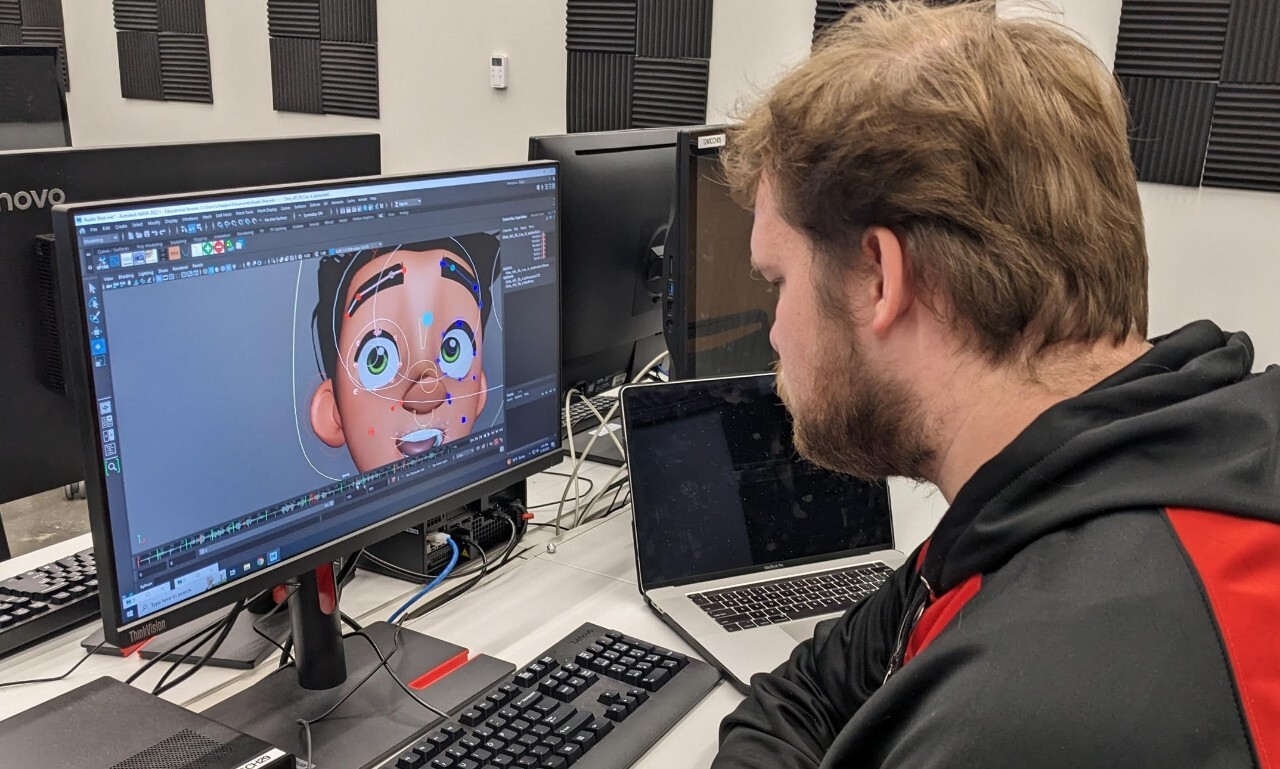
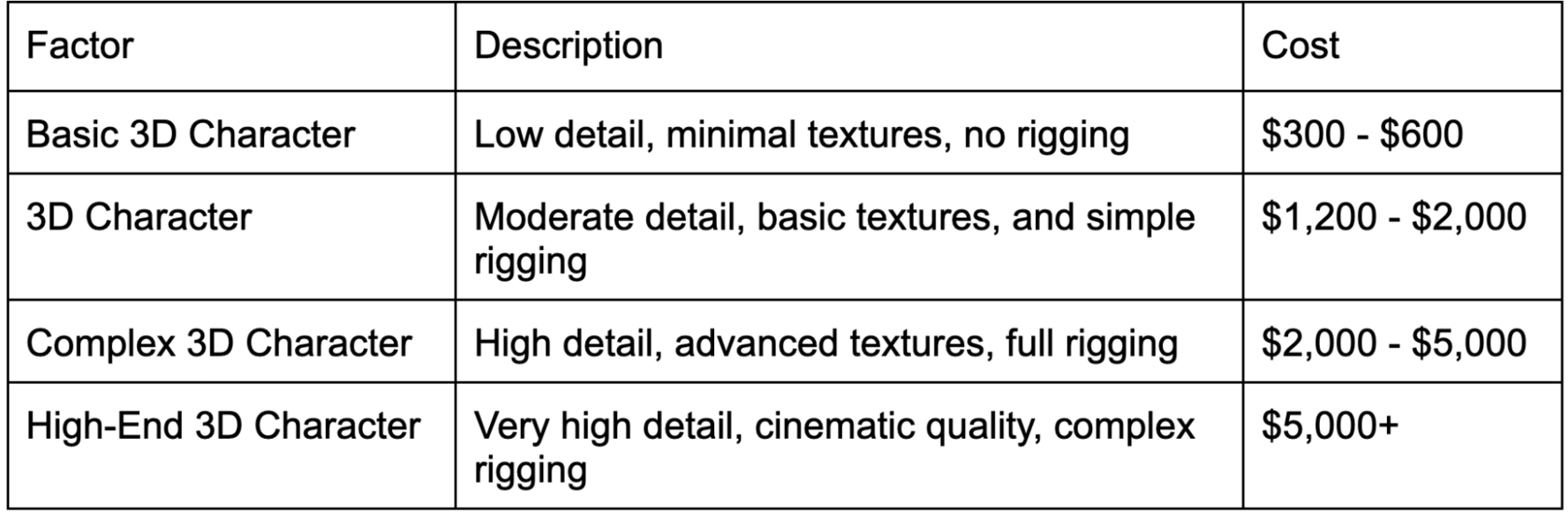
The 3D modeling cost can vary widely based on several factors, including the complexity of the design, the level of detail required, and the artist’s experience. Generally, 3D design charges from $300 for simpler models to $3,000 for highly detailed, professional-grade characters. These costs reflect the extensive amount of work involved in modeling, texturing, rigging, and potentially animating a character to meet the specific requirements of a game or project.
2D Game Art Outsourcing Price
2D Art is generally less expensive and faster to produce, making it a cost-effective option for projects with tighter budgets or more straightforward aesthetic needs.
The 2D design price can vary based on several factors such as complexity, detail, and artist expertise. Generally, for a character card without effects, you might pay a freelancer up to $1,000. These variations in price reflect the level of artistic input and time required to bring a 2D character to life, from conceptual sketches to the final product with full color and shading.
Art Outsourcing vs In-House Costs
When comparing the costs of art outsourcing versus in-house production, it’s important to weigh the factors that influence each option. This approach can offer significant savings compared to maintaining an in-house team, but it’s crucial to understand where these savings come from when you game art outsource.
Building an in-house art team involves several fixed expenses. Salaries, as well as benefits, and additional expenses such as office space and equipment, are only the beginning. The cumulative expenses of training, software licenses, and hardware upgrades can also accumulate. Although having a team within the company provides more control and matches the company’s vision, the costs can be excessive, particularly for smaller studios or projects operating on limited budgets.
On the other hand, game art outsourcing offers flexibility. When you outsource game art, you pay only for the services you need, which can significantly reduce overall expenses. The costs associated with video game art outsourcing vary depending on:
- the scope of the project;
- the complexity of the art required;
- the rates of the outsourcing studio.
However, game art outsourcing price is typically more predictable and can be scaled according to the project’s demands.
When comparing the cost of game art outsourcing versus in-house production costs, it is usually more economical to outsource. Many projects don’t require a full-time art staff, therefore outsourcing is less expensive. Outsourcing allows a company to allocate money to areas such as marketing and design instead of having to pay for salaries and benefits in the long term.
As indicated above, prices for a game art outsourcing studio can vary significantly depending on the level of asset complexity, the level of details required according to your needs, and whether this will be a 2D or 3D design. If you are keen on outsourcing game art design, discuss your idea with established companies such as Argentics for customized tips. This can help make sure that your ideas are turned into impressive game visuals. Whether you’re just starting or looking to improve an existing project, getting help from Argentics can make your production smoother and improve your final product.