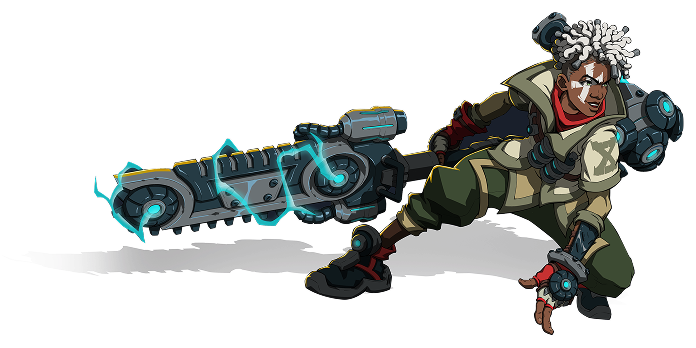
2D art has been a core part of gaming from the very beginning, offering a reliable and versatile way to bring ideas to life. From the pixelated charm of old-school classics to the bold, stylized visuals of different masterpieces, 2D art isn’t just “still here.” These styles are a timeless medium that continues to define how games tell stories and create emotional connections.
But what is it about 2D art that makes it such a reliable choice for game developers? What about these video game art styles inspires developers and amazes players? Let’s examine the characteristics that make 2D art such an enduring force in creating memorable video gaming experiences.
An Overview of 2D Art Styles in Video Games: Key Types and Characteristics
2D art is at the core of many classic games, creating whole worlds within two dimensions—width and height. It’s not about restrictions but rather infinite imagination. With smart techniques like layering, parallax effects, and shading, 2D art creates stunning illusions of depth and motion, pulling players into immersive experiences.
What makes 2D art exciting is its incredible variety. It comes in many styles, each with its unique flavor and purpose. Let’s break them down in a way that shows why developers love them, and players can’t get enough of them.
Pixel Art
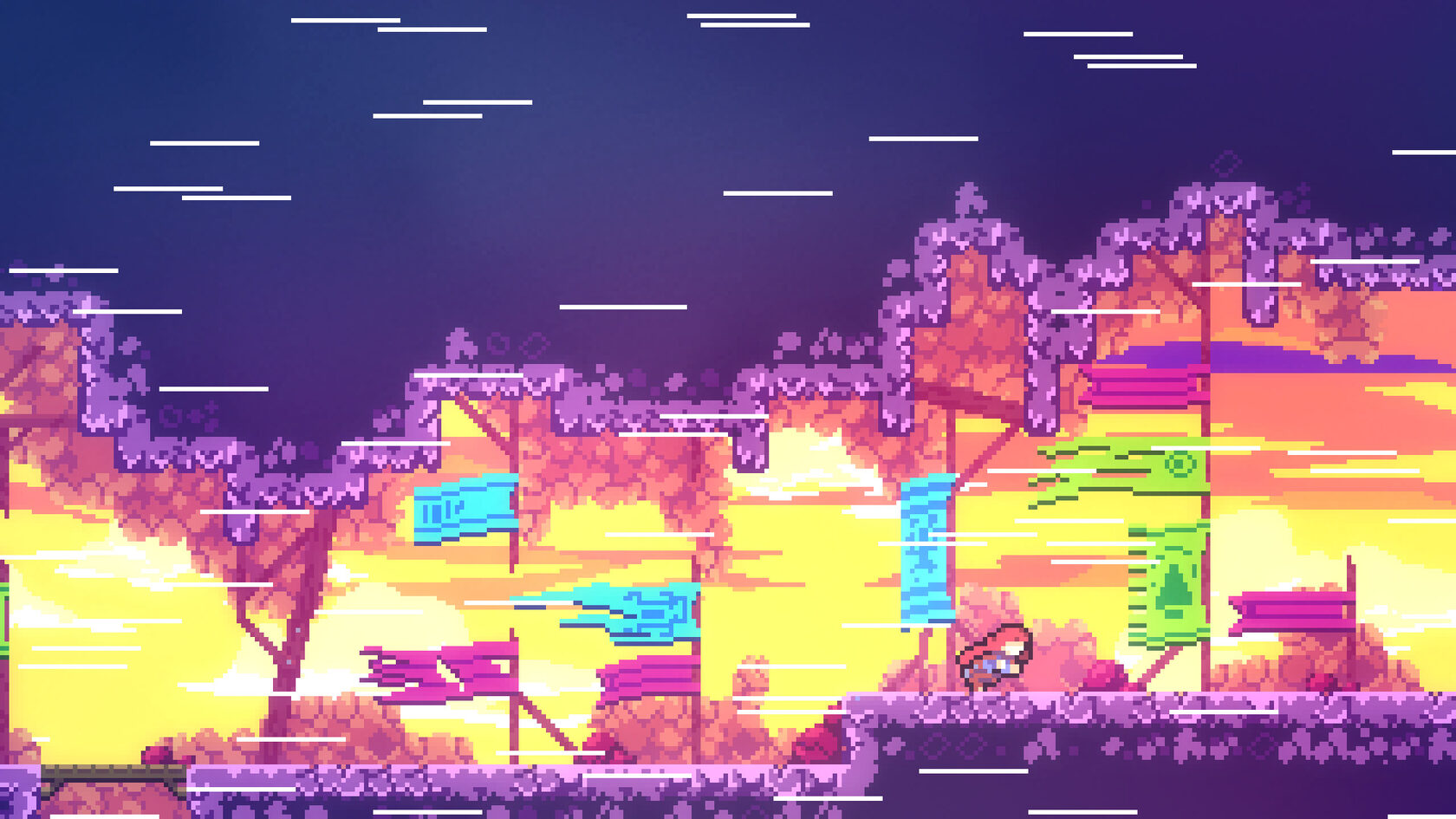
Pixel art is one of the most iconic styles in video game graphics. It is instantly recognizable for its retro charm and signature blocky look. Pixel art is fundamentally based on pixels, the smallest units of an image. Combined with creativity and precision, these tiny squares form characters, environments, and intricate details that bring games to life.
Vector Art
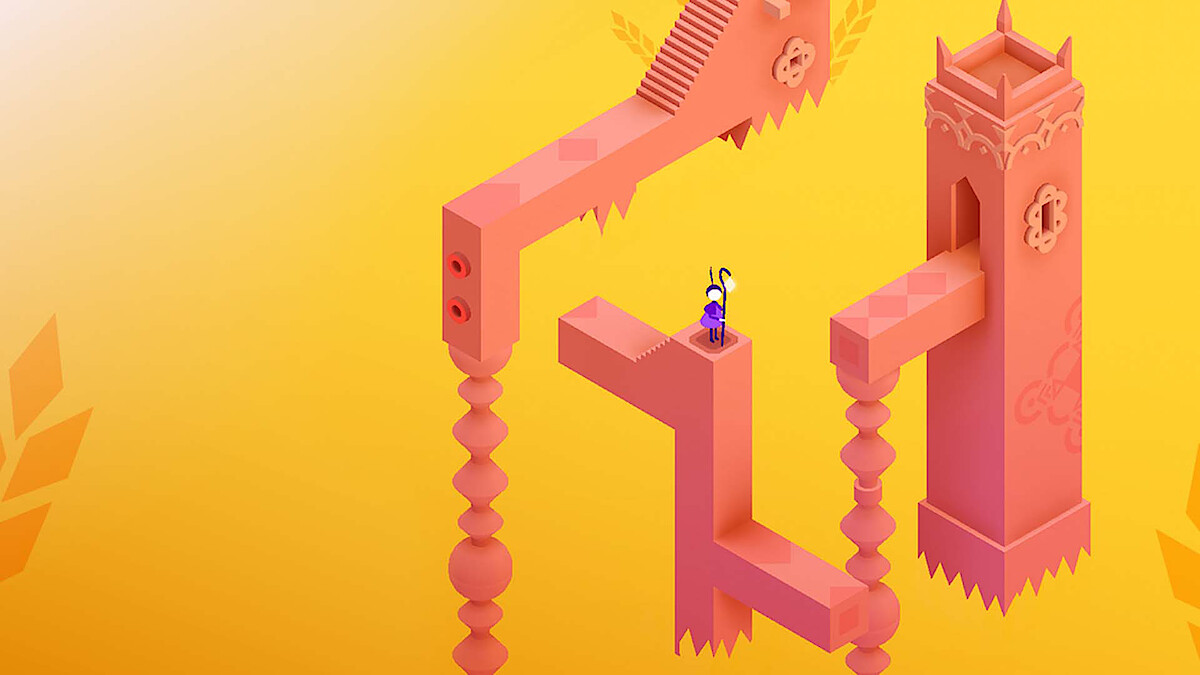
Vector art perfectly embodies precision and scalability. It features crisp lines and smooth curves that remain pristine on any display, making the style well-suited for impressive yet minimalist worlds.
Vector art is also a practical choice for game development. It streamlines the workflow by making it easy to edit, resize, and repurpose various assets, saving time and effort.
Hand-Drawn Art
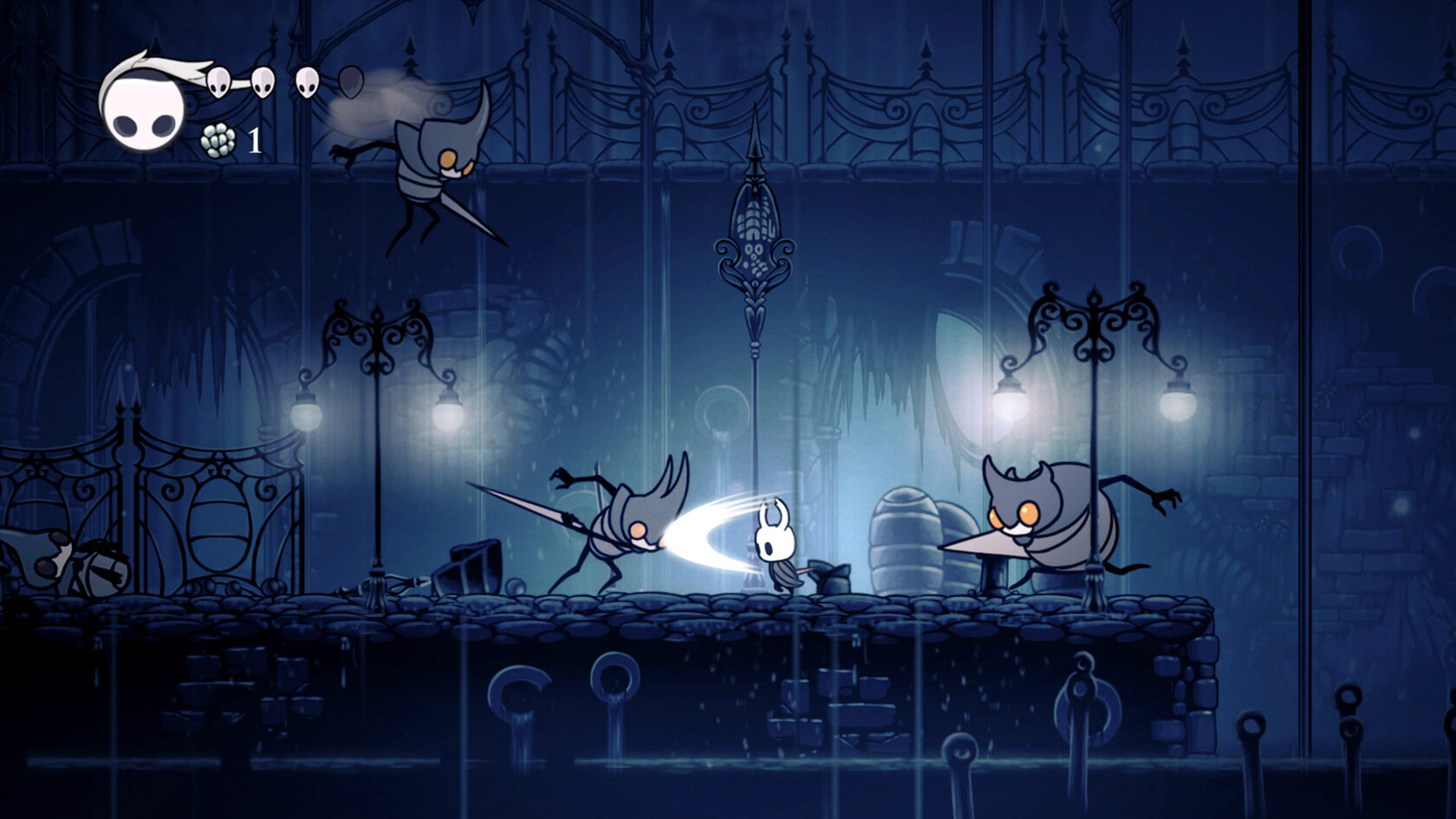
By fusing artistic talent with interactive storytelling, hand-drawn art elevates the concept of “crafted by hand” to a whole new level. Games with this aesthetic feel more human and frequently resemble moving paintings or illustrations.
Hand-drawn art turns games into living storybooks, where each frame is a work of art. This style praises its organic, imperfect beauty and recalls intimate feelings. Games like Hollow Knight are a testament to the power of hand-drawn visuals. Its haunting, atmospheric world is brought to life with intricate detail, from the delicate patterns of its environments to the fluid animation of its characters.
Flat Art
Flat art cuts straight to the point—clean shapes, bold colors, and a focus on what matters. There is no room for intricate details; flat art strikes out with a basic look that makes the playing experience stand out. This simplicity is the very essence of this style; it makes every visual element purposeful and each moment unforgettable.
Gravity Defied goes even simpler, introducing black-and-white tracks that crystallize into sharp, clean lines. No fluff, no distractions—just pure precision in gameplay. These flat visuals put the challenge right before you, making every movement and turn feel purposeful and rewarding.
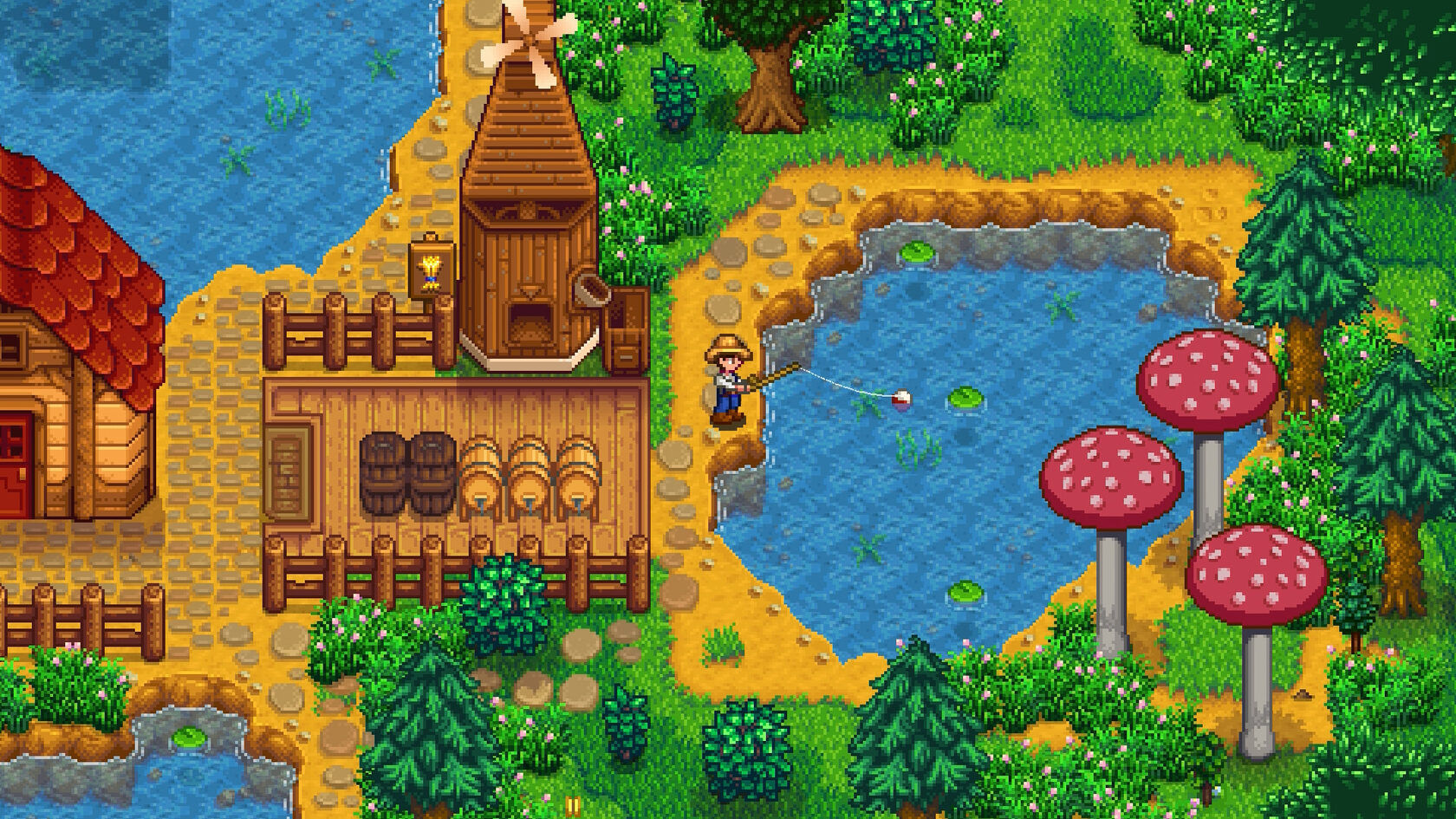
All 2d art styles have their forte, be it scalable vector graphics, the intimacy of hand-drawn artwork, or the striking minimalism of flat design. They determine a game’s appearance and essence, involving players and shaping narratives. From cozy farming sims to action-packed adventures, these types of 2d art are the canvas for some of gaming’s most memorable experiences.
What Sets 2D Art Styles Apart in Game Design
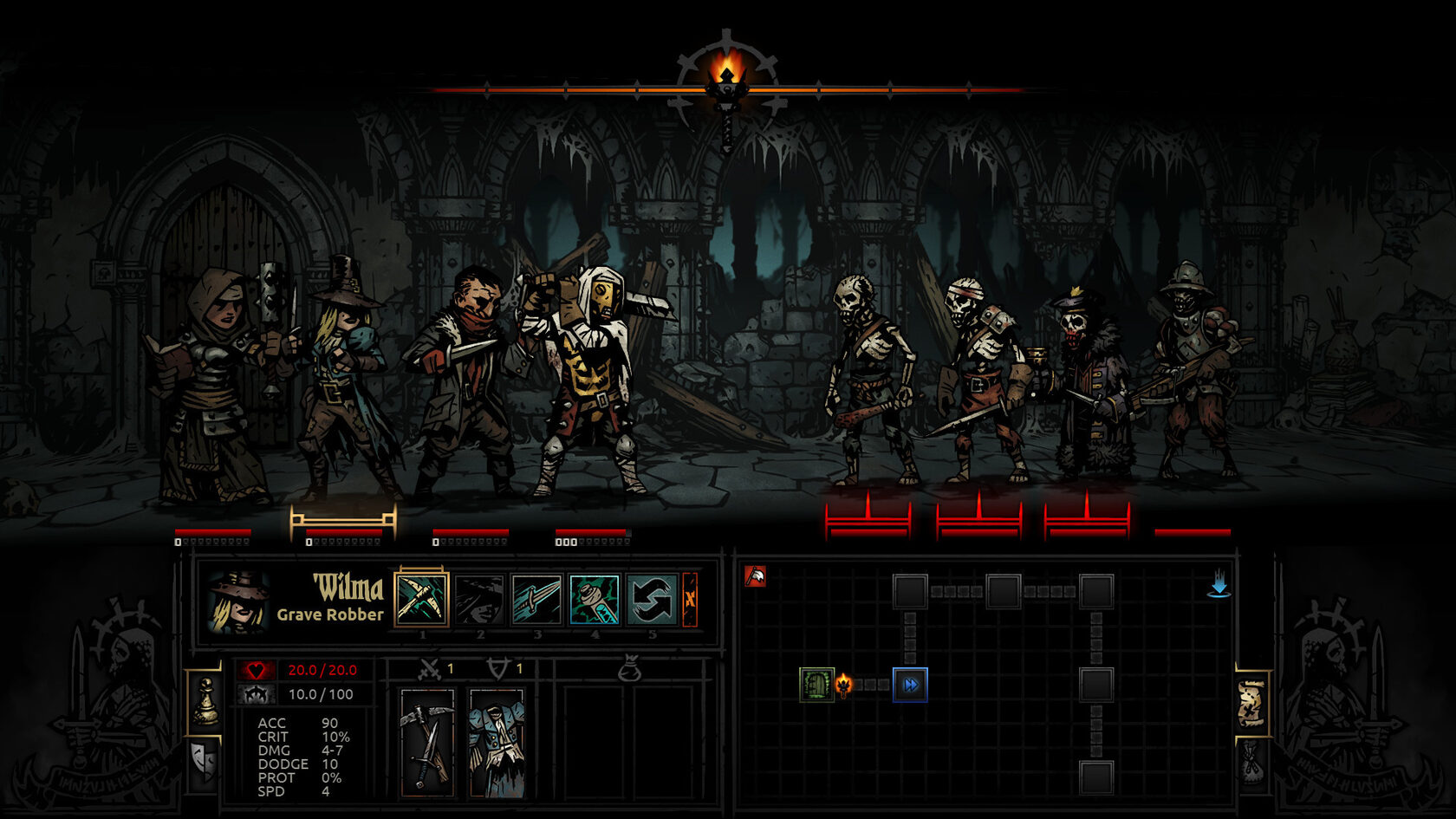
2D art builds worlds that feel handcrafted and memorable without relying on realism. Games like Hollow Knight and Gris show that players can be deeply attracted to atmospheres only created by highly intricate 2D graphics, remaining attractive for a long time. This is not about being versatile; it is about focusing on cohesive design and artistic intent, which makes these visuals welcome year after year.
How to Create Engaging Games Using 2D Art Styles
Creating a 2D game that hooks players starts with nailing the right art style. Pick the wrong one, and the gameplay might fall flat. Get it right, though, and you’re building a world that players won’t want to leave.
- Platformers: Pixel art is a good choice here. Look at Celeste. The tight, responsive gameplay pairs perfectly with its sharp, clean pixel visuals. The art enhances every jump, dash, and fall, keeping the player laser-focused on the action.
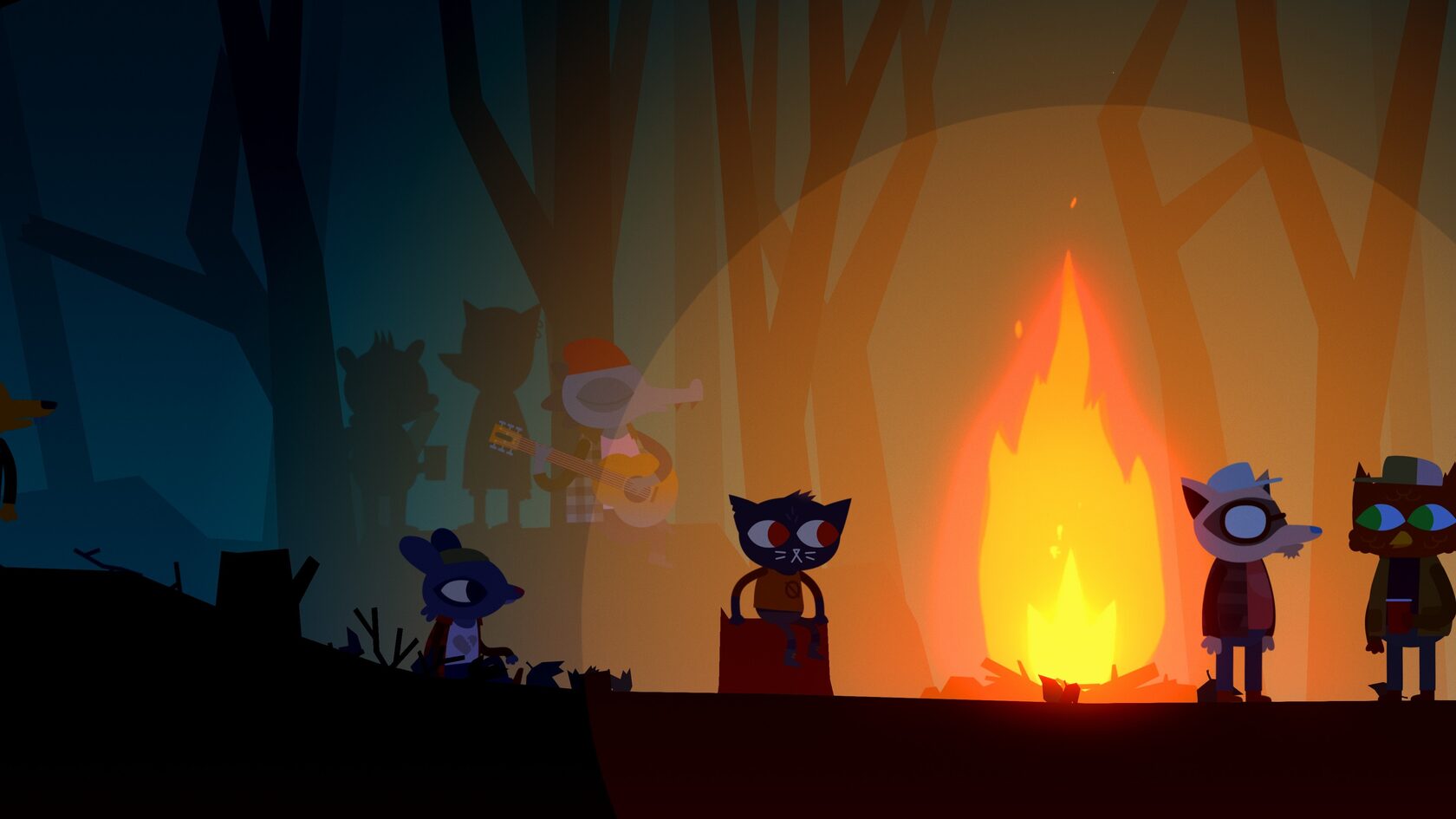
- Story-Driven Adventures: Want players to care about your characters? Go for a hand-drawn style. Night in the Woods nails it with its charming, illustrated visuals that perfectly match its mix of humor and deep emotional moments. The art does half the storytelling, pulling you deeper into its quirky small-town world.
- Puzzle Games: Minimalist flat art keeps it clean and functional. Mini Metro turns sleek subway maps into addictive puzzles. The smooth visuals don’t just look great—they make the game intuitive, letting players focus on strategy without distractions.
Iconic Art Styles in 2D Games
The Dreamlike Vibes of Gris
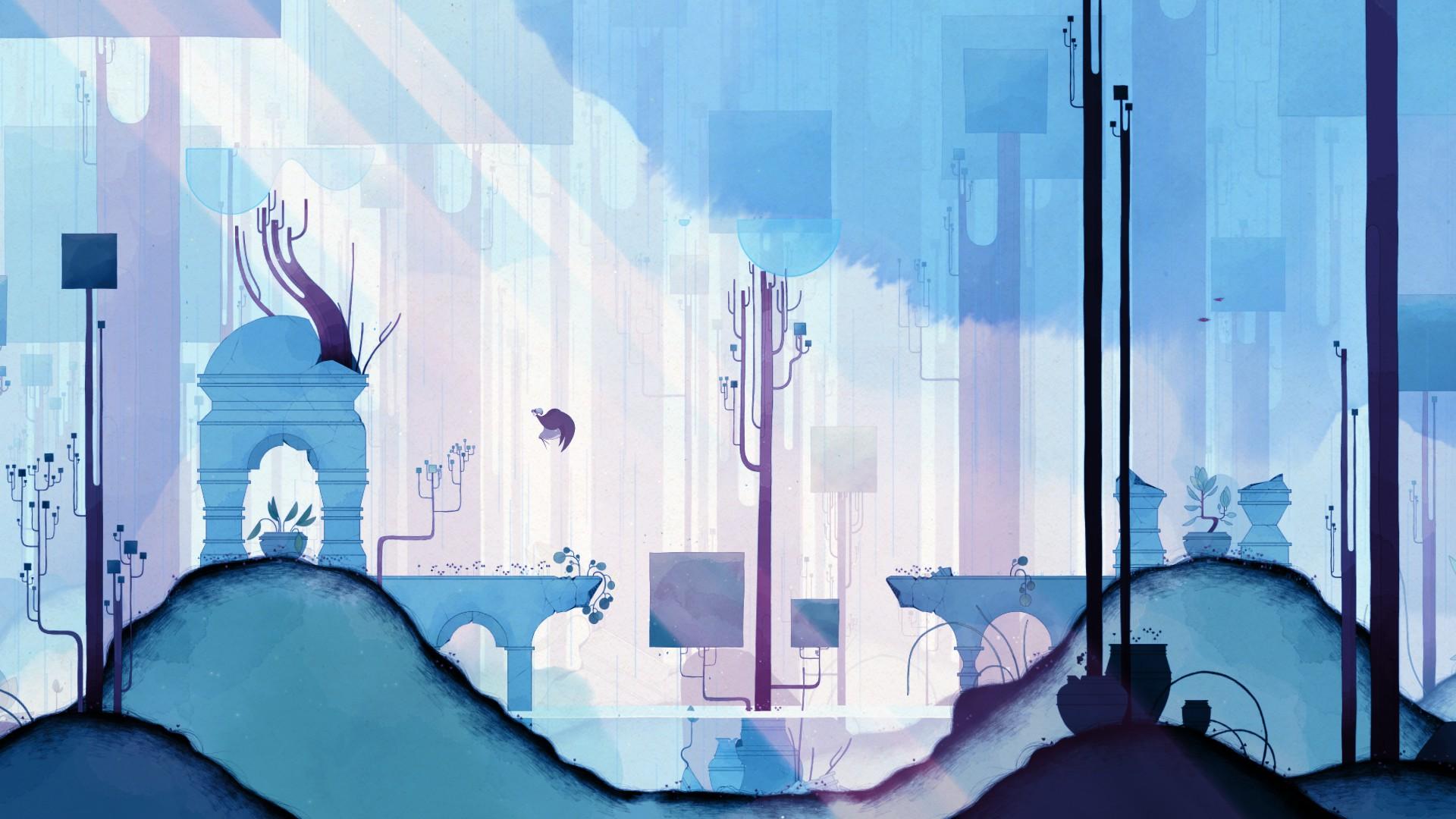
Playing Gris is like stepping into a living watercolor painting. The video game aesthetic is soft pastels, fluid animations, and stunning transitions. As she goes through her emotional journey, the world shifts in ways that make it impossible not to stop and stare. When a new color emerges in the world, it’s breathtaking—a gift that feels like a reward.
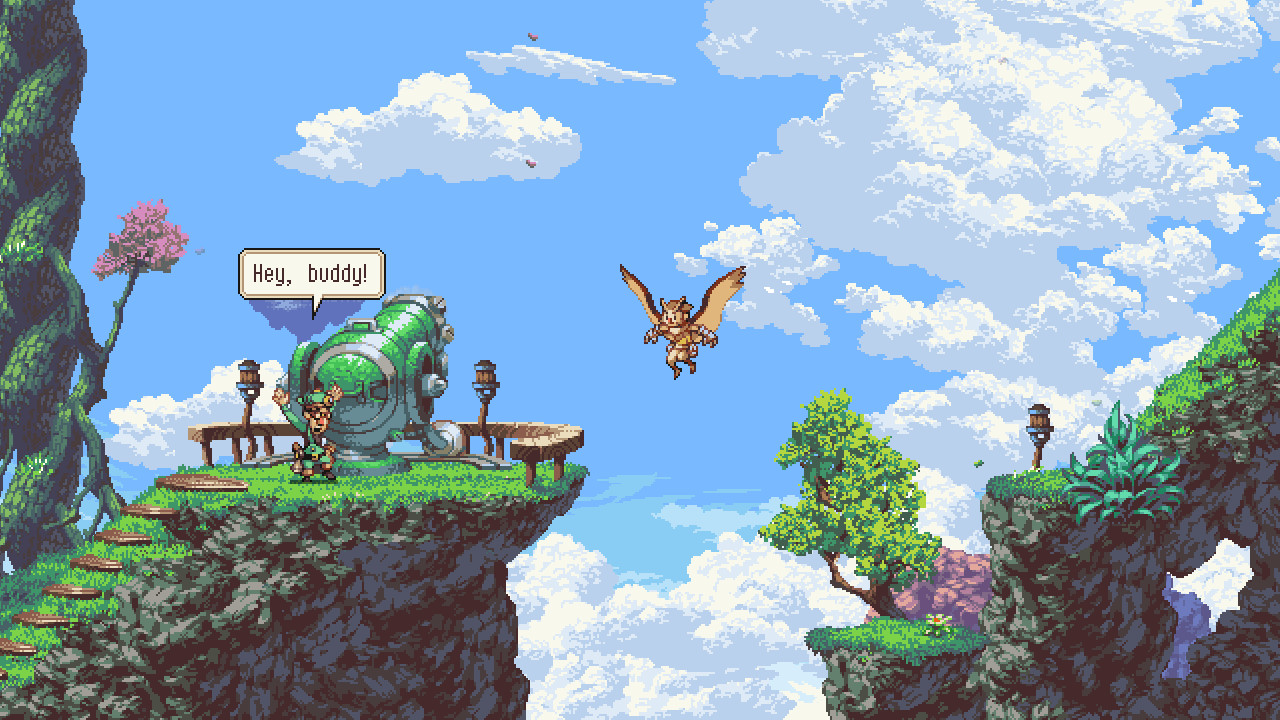
Pixel Perfection in Owlboy
Owlboy is a love letter to pixel art, but it takes the style to a new level of detail and complexity. Each frame is filled with so much detail, from the slight glimmers of light in the sky to the ornate patterns of characters and environments. Soaring through these vertical realms of the game feels like traversing a living pixel art masterpiece, yet one that inexplicably moves with incredible fluidity.
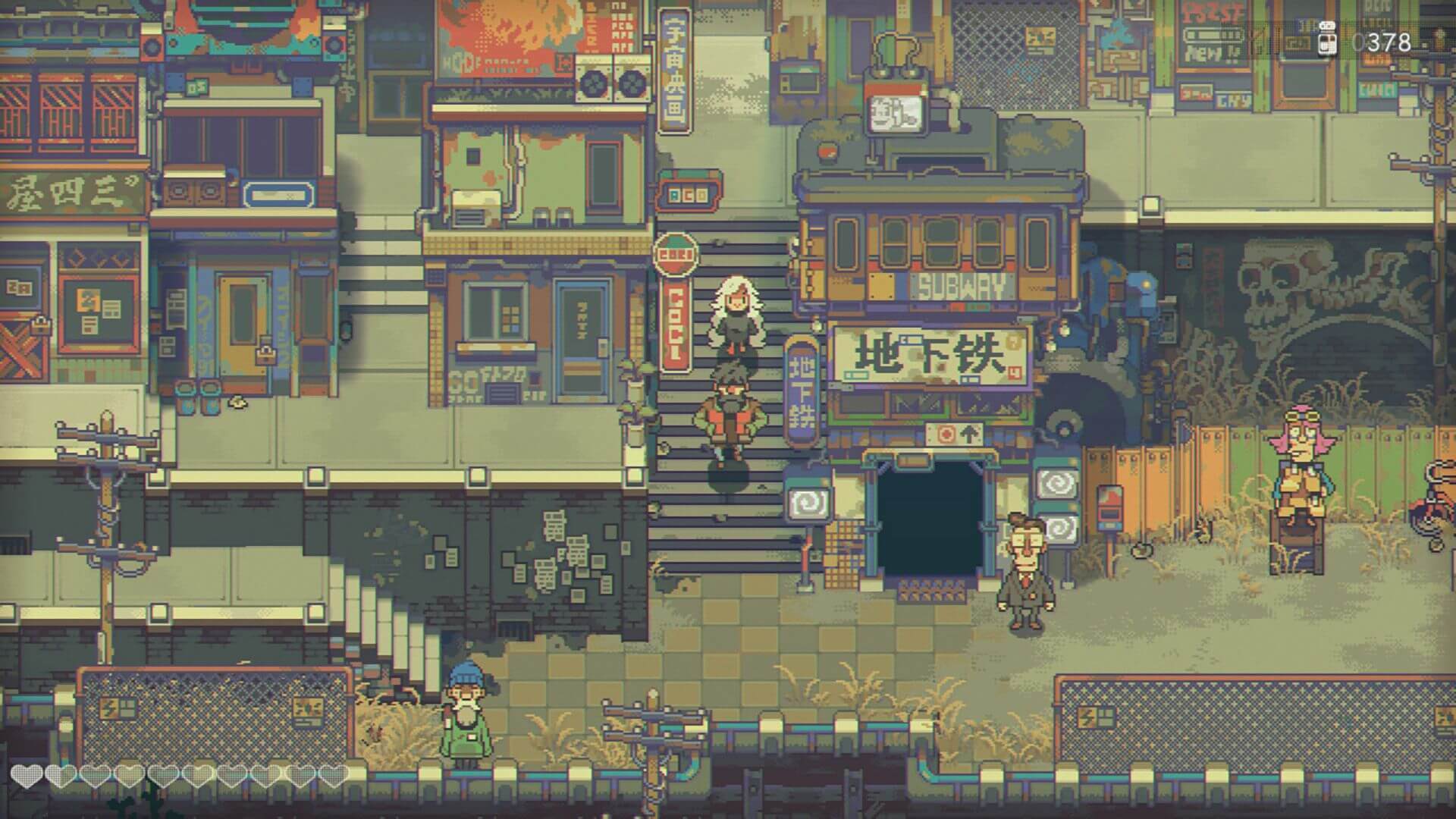
A Pixel-Painted World in Eastward
Eastward takes classic pixel art and dials it up to 11. The game’s world feels dense and alive, with every scene brimming with small details that make you want to stop and soak it all in. From bustling markets to eerie, abandoned ruins, every area is designed with love and attention.
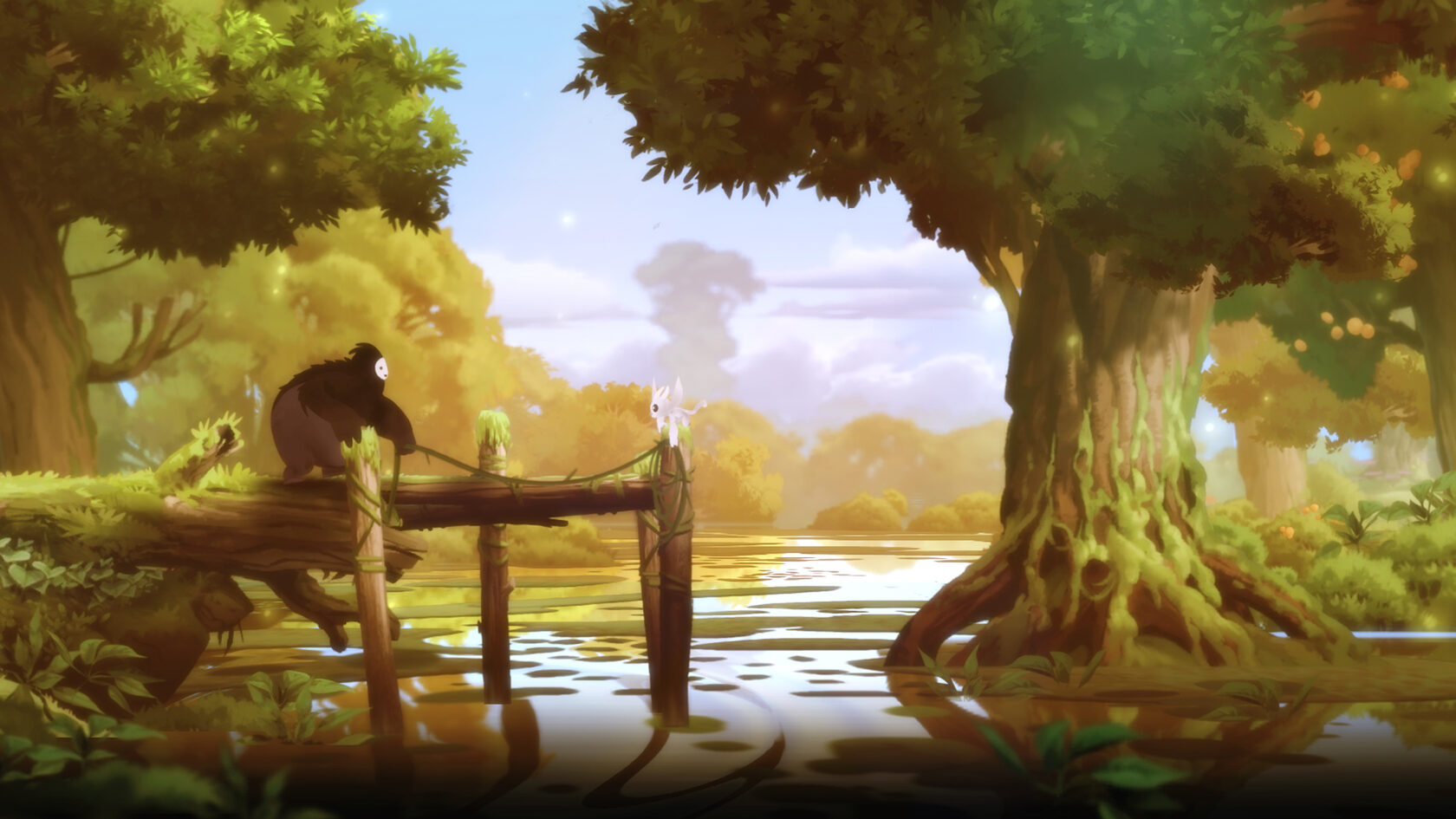
The Glow of Ori and the Blind Forest
Though technically 2.5D, Ori and the Blind Forest deserve a spot in any conversation about iconic 2D art styles. The glowing forests, shimmering waters, and radiant skies create a world that feels otherworldly yet alive. It’s a game where you might find yourself pausing just to take in the scenery.
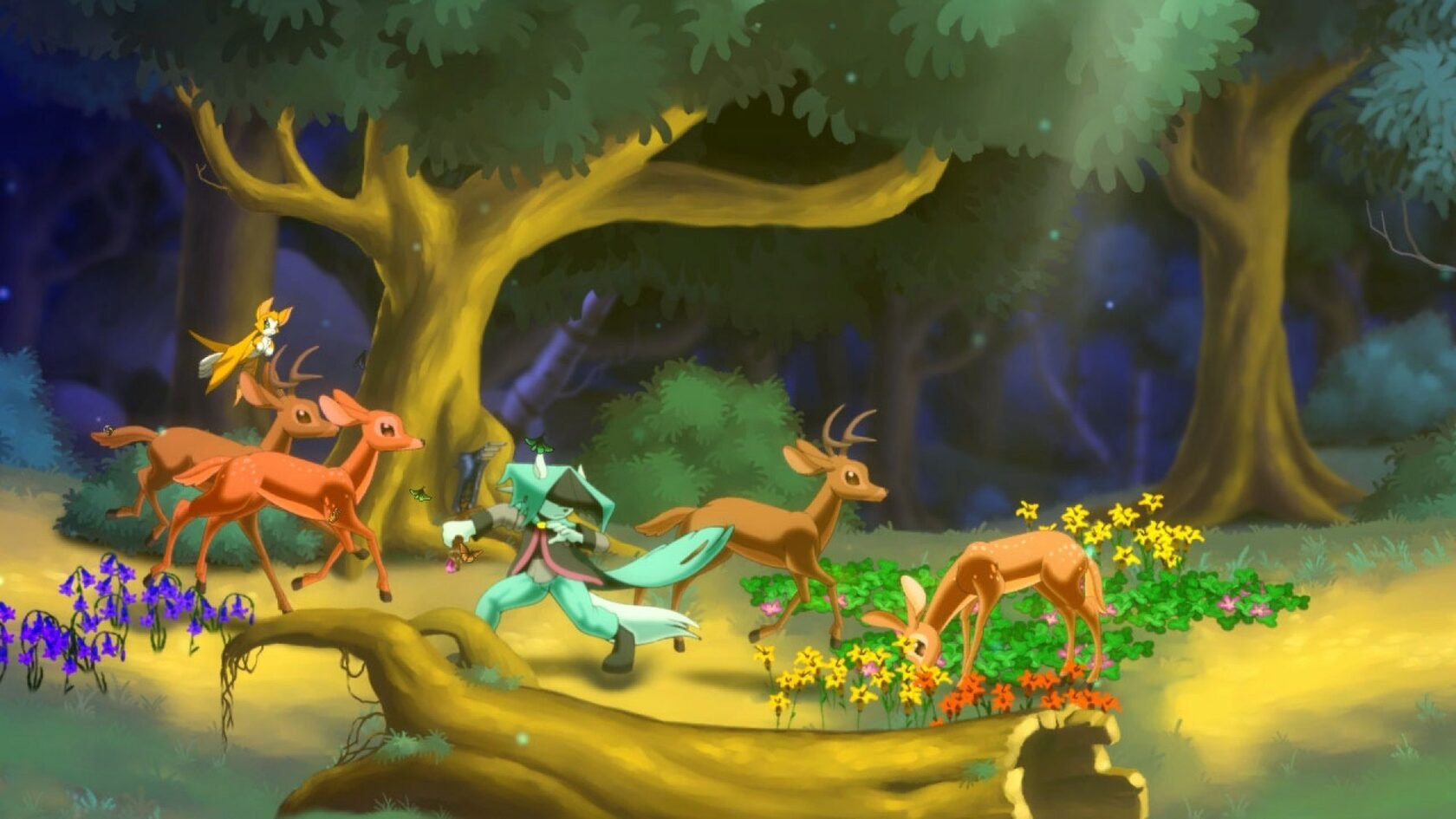
The Action-Packed Elegance of Dust: An Elysian Tail
If you’re looking for jaw-dropping hand-drawn animation in a fast-paced action game, Dust: An Elysian Tail is the gold standard. The vibrant, colorful art style gives the world a fantastical feel, while the silky-smooth combat animations make every slash and combo feel satisfying.
Trends and Future of 2D Game Art Styles
2D art isn’t just holding its ground—it’s evolving in ways that keep it fresh, exciting, and integral to game design. Developers combine classical methods with modern innovations to produce immersive, lively, and distinctly characterful images. 2D art offers many possibilities for further development, from animations responding to player interactions to AI-driven tools honing every detail.
Procedural Animation: Movement That Reacts to You
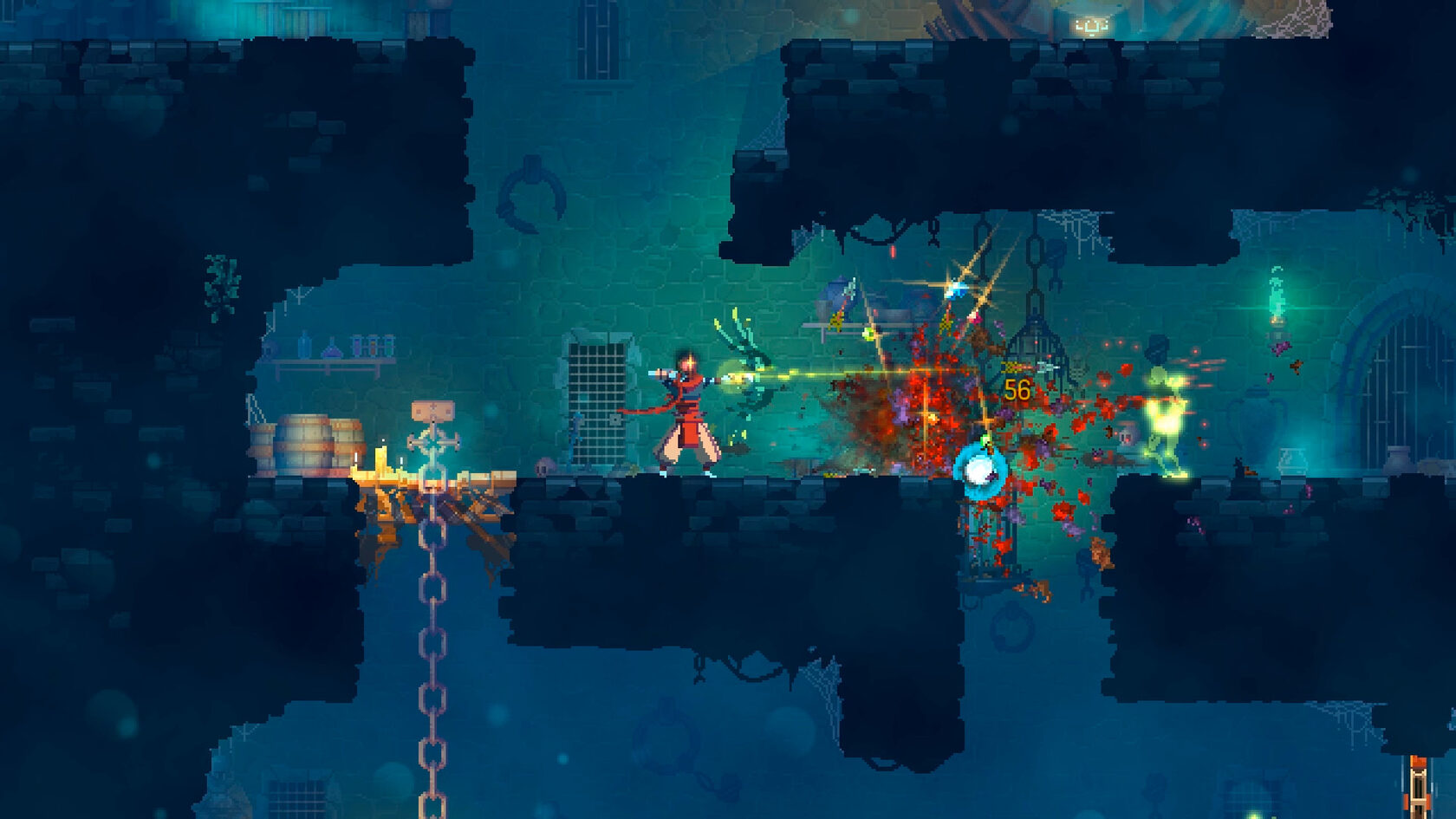
Procedural animation tools like DragonBones give 2D characters the kind of reactive movement that feels alive and unscripted. Imagine your hero’s cape billowing realistically when you sprint through a dungeon or a monster’s limbs adjusting to terrain in real time. This tech isn’t just for show—it makes gameplay smoother and more immersive.
AI-Assisted Tools: Sprites Get a Glow-Up
AI is modernizing the way artists conceptualize and produce 2D game art styles. Tools like AI upscalers can take old-school, blocky sprites and transform them into clean, HD visuals while keeping their original charm intact.
But it’s not just about upgrades. AI makes it easier for developers to speed through repetitive tasks like texturing or refining frames, freeing time for more creative experimentation. It’s like having a superpowered sidekick that lets artists focus on making the coolest, most polished visuals possible.
Blending 2D Art Styles for a Unique Look
Developers can craft rich and multifaceted worlds combining distinct digital art styles. For example, textured environments can contrast with clean, minimal character art, or soft, watercolor tones can blend with sharp, animated effects. Such a mix gives players something unexpected, where every scene feels alive and full of personality. It’s not about sticking to one art form—finding harmony between styles to build a world players can’t forget.
Final Thoughts on Choosing 2D Game Art Styles
2D art is one of the cornerstones of game design, offering unparalleled creative potential. One can go from complex, hand-drawn animation to stark, minimalistic designs; each type offers something unique. The choice of 2D game art styles shapes atmosphere, interaction, and emotional resonance.
Choosing an art style goes beyond just visuals—it’s about harmonizing your game’s aesthetics with its mechanics and narrative. Whether it’s the expressive energy of pixel art or the fluid sophistication of a hand-drawn world, the right style can transform your concept into an unforgettable experience.
Great games deserve great art, and Argentics delivers. Whether it’s bold designs or intricate animations, our 2D art takes your game to the next level. Let’s collaborate to create a game that’s as stunning as it is unforgettable. Ready to get started?