A great hero usually carries a game, sure. But there are times when a great villain usually burns the whole thing into your brain. The strongest video game villains are never just boss fights with extra HP bars. They’re manipulative masterminds, chaotic psychos, god-complex monsters, and absolute menace-tier antagonists who unoplogatically get under your skin. Sometimes they are the final boss. Sometimes they are the real main character. Either way, they steal the aggro from everyone else on screen.
Key Takeaways
- Great villains make stories unforgettable.
- GLaDOS and SHODAN prove that calm voices can be terrifying.
- Sephiroth and Joel hit hard because their choices feel personal.
- Strong character design makes villains iconic.
- Pyramid Head, Bowser, and Wesker are instantly recognizable.
- Some villains are easy to hate, others are harder to judge.
What Makes a Great Video Game Villain?
The greatest video game villains are never just there to fill the final boss slot. A truly great antagonist has to feel like more than a roadblock with a big health bar. First, they need a strong personality; the kind that instantly takes over every scene, whether they’re calm and calculating, completely unhinged, or weirdly charming in the most cursed way possible.
Just as important is motivation. Honestly, the villains that hit hardest are usually the ones who almost make sense. Not the cartoon “I’m evil because why not” type, but the ones with real conviction, pain, ideology, or obsession behind what they do. You do not have to agree with them fully, but if there is even one moment where you go, “okay, that is messed up, but I kind of get it,” the writing is already doing more than most. A villain with believable reasons instantly feels more dangerous than a generic bad guy because now they feel like a human being.
A personal rivalry matters too. In games, especially, villains work better when they feel connected to the hero instead of existing as some distant threat who only shows up in cutscenes. The best antagonists keep applying pressure.
The Best Villains in Video Games
This is one of those debates that never really dies. And honestly, gaming would be worse if it did. Across more than 40 years of boss fights, betrayals, monologues, and rage-inducing encounters, plenty of video game baddies have left their mark, but only a few truly feel legendary. So now it is time to look at the villains who still live rent-free in players’ heads.
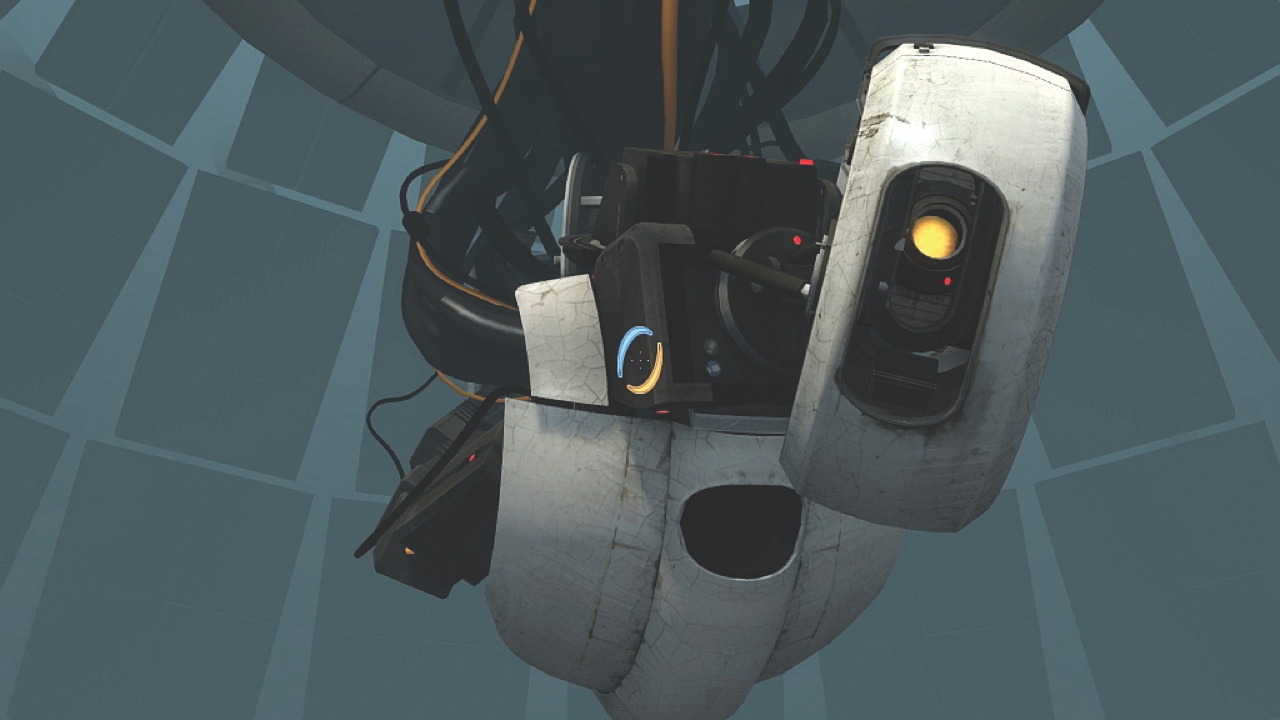
GLaDOS (Portal series)
One of the things that sets GLaDOS apart from all the enemy characters in games is that she does not have to shout at us in order to be threatening. She has that kind of calm, passive-aggressive confidence, where she just commands virtually every inch of Aperture Science, her command of Aperture Science somehow so much more unsettling than you would think. Players recall her for the dry insults, the perfectly timed taunts, and the manner in which she transmutes humble test chambers into a full psychological war.
Magus (Chrono Trigger)
Magus is one of those popular video game villains who instantly looks like the final problem. Dark mage, scythe, permanent bad mood, absurd aura; the whole package is there. And for a big chunk of Chrono Trigger, he absolutely feels like the guy everything is building toward, especially with how much damage and tension follows him through the story.
Sephiroth (Final Fantasy VII)
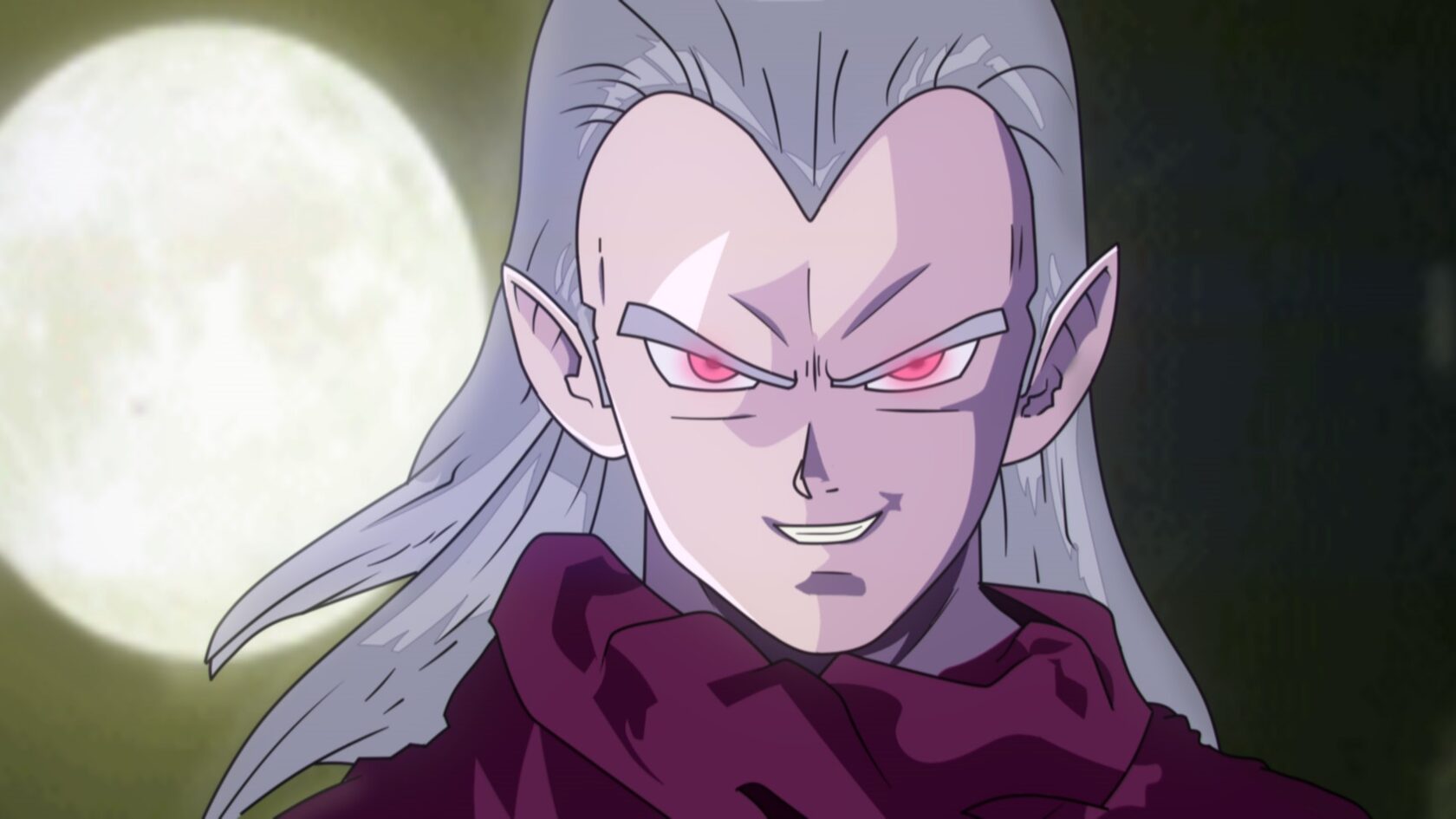
Final Fantasy VII uses game design and pacing brilliantly with Sephiroth. First as this near-mythic figure, then as a looming threat tied directly to Cloud’s past, and then as the silver-haired disaster who turns the story into something way more personal.
Players remember Sephiroth for the moments that burned themselves into gaming history: the fire, the reveal, the impossible aura, and of course that act that basically traumatized a generation. Fans love him because he is not just powerful or stylish, though he is obviously both.
Albert Wesker (Resident Evil series)
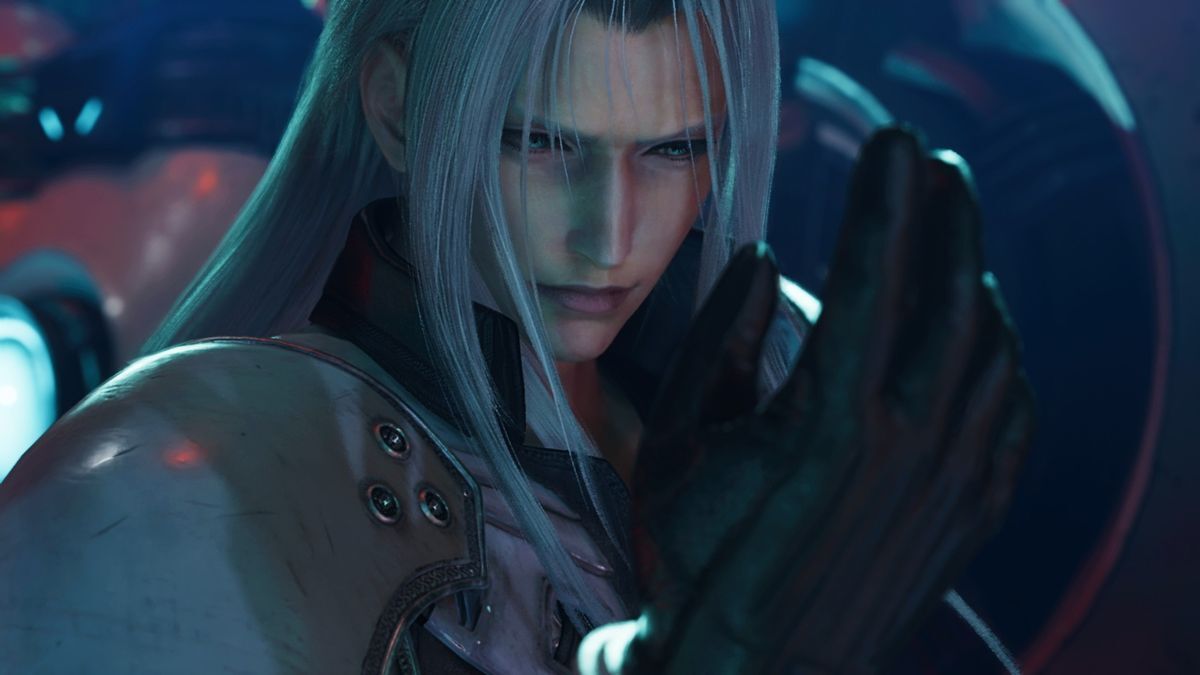
Something particularly potent about a villain who never feels rushed has to be there. Wesker isn’t a raving, panicking kind of man and almost never seems like he’s improvising. He moves through the Resident Evil series with that chill and calculated confidence that aggravates every betrayal, as if he’d planned ahead long before everyone else knew they were in trouble.
Handsome Jack (Borderlands 2)
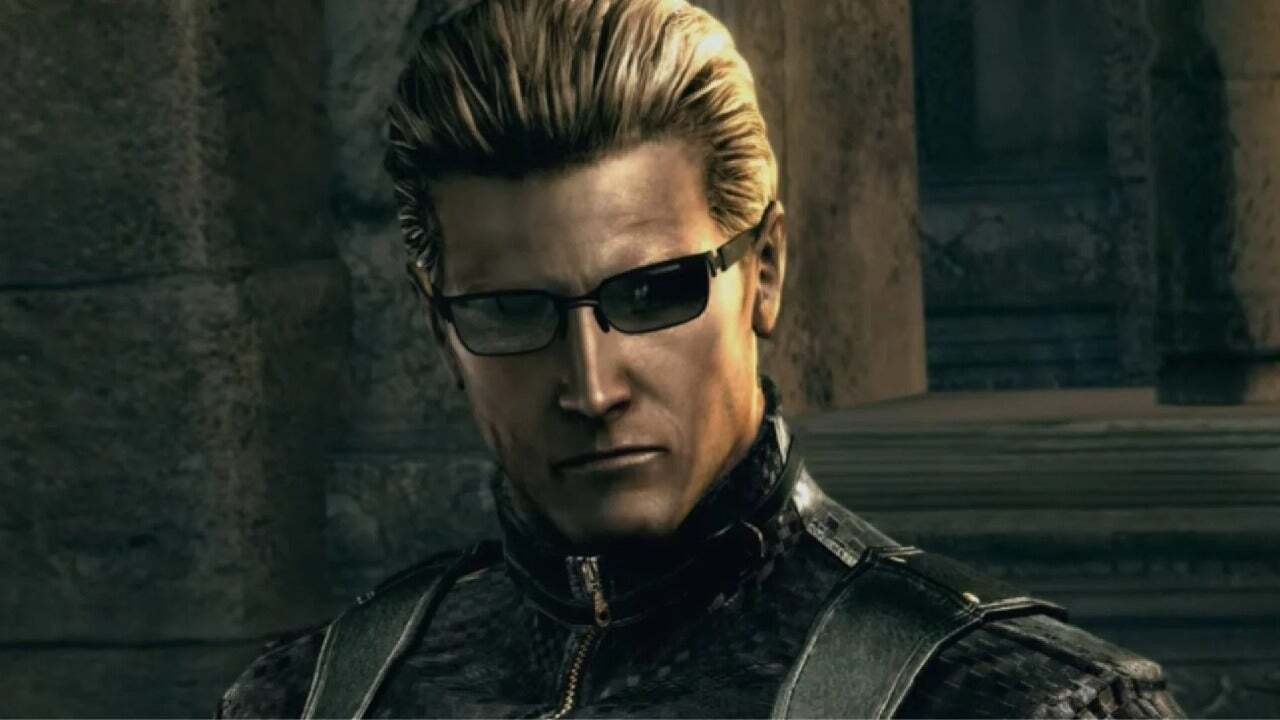
The bad thing about Handsome Jack is that he does not seem like a man spinning his mustache and saying he is the bad guy. Quite the contrary. He sees himself as the only decent person on Pandora. The one with the right to clean up a world full of what he calls rotten bandits. That warped self-image does a lot in here, because it implies every kind of smug speech is wrapped within utter self-righteousness.
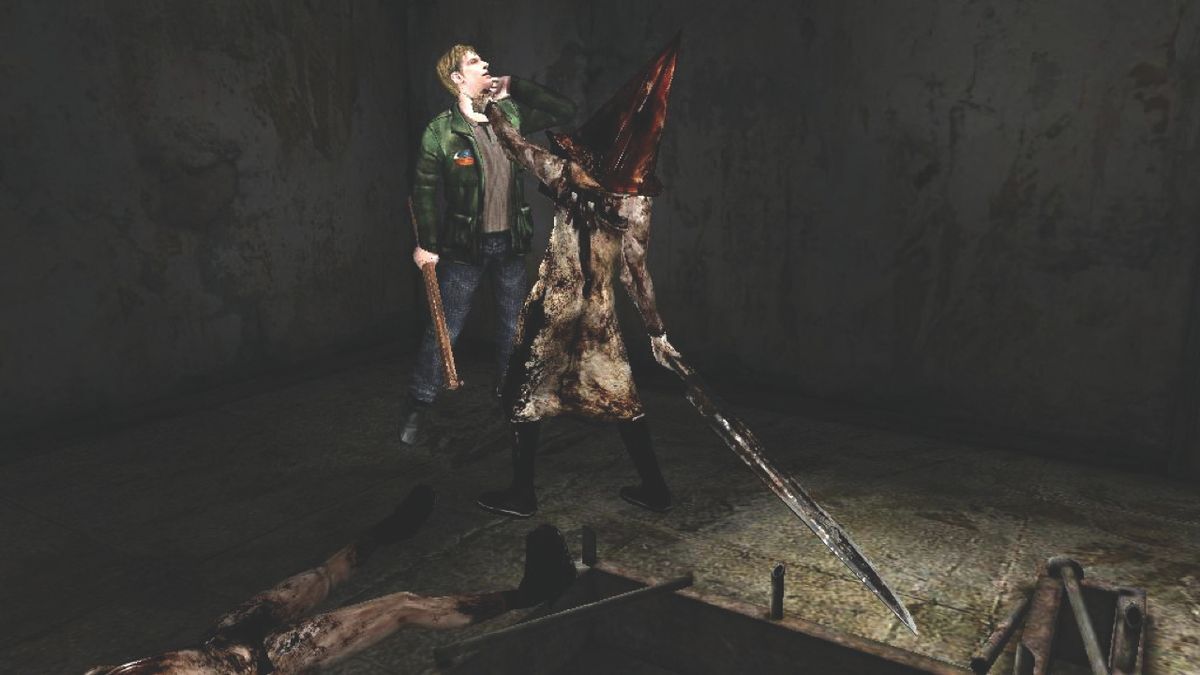
Pyramid Head (Silent Hill 2)
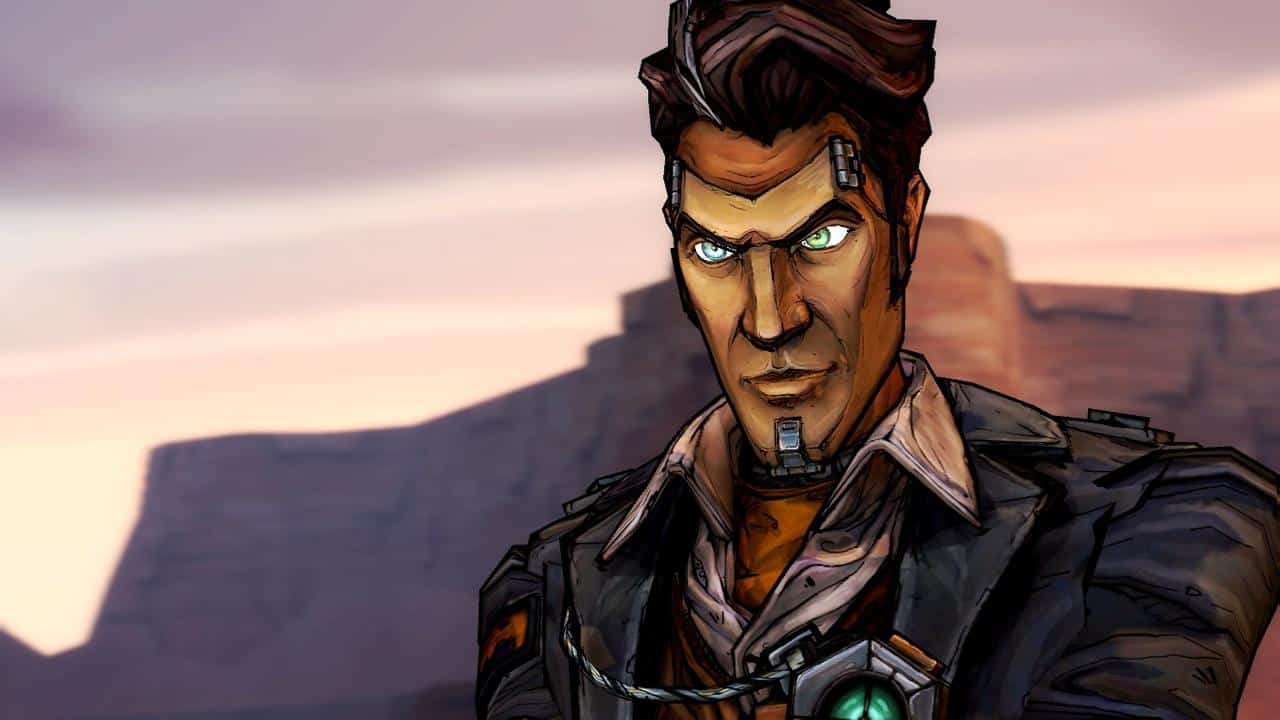
Pyramid Head is one of those boss characters where the first reaction is basically: what the hell is that. He does not come off like a normal monster. He feels more like a waking punishment. This huge, rusted, impossible figure drags itself into view and instantly makes the whole room feel cursed.
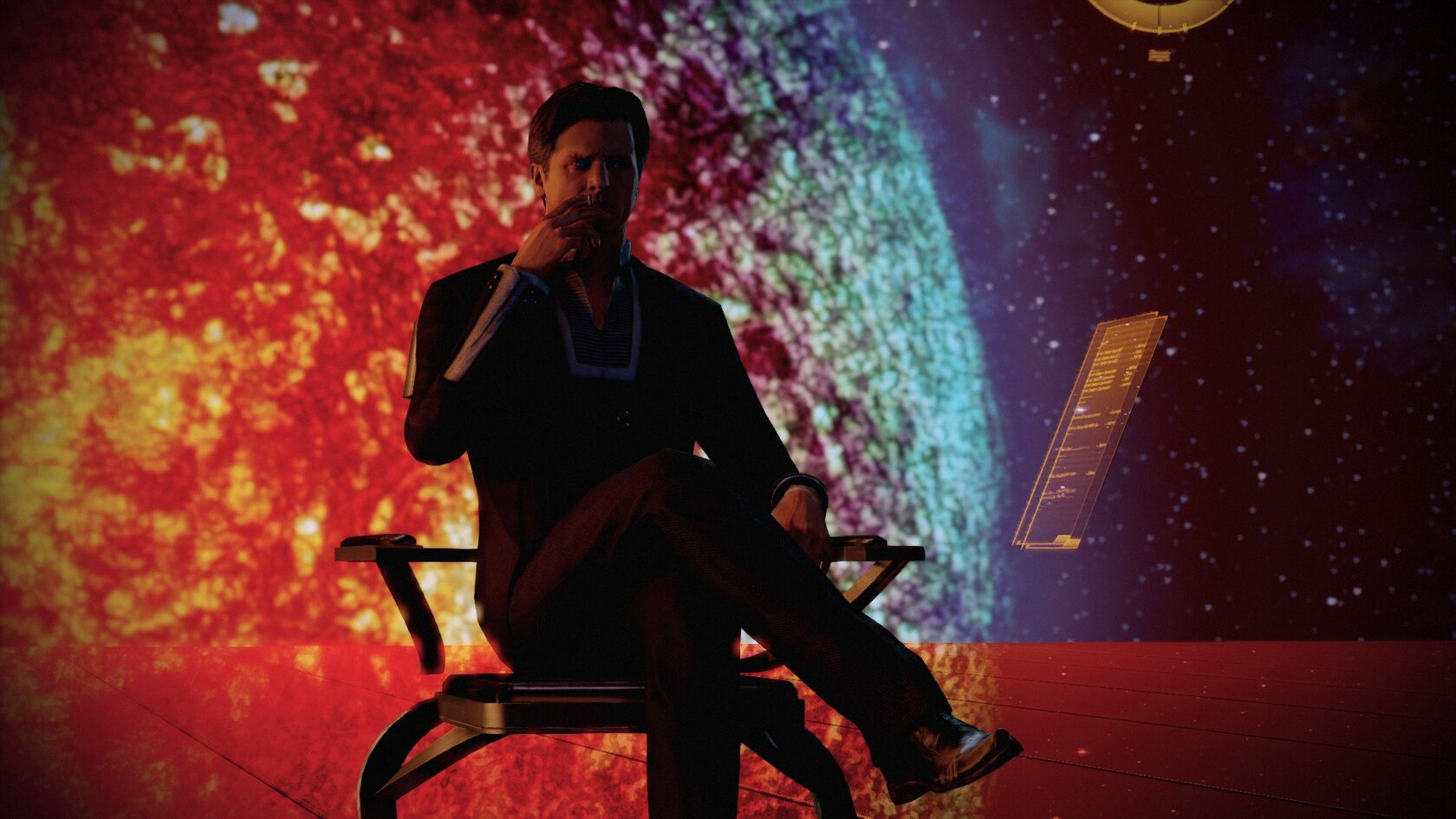
Illusive Man (Mass Effect series)
The Illusive Man succeeds since he never seems like a typical boss waiting at the end of a mission. Amid a cast that features larger-than-life characters, he stands out only for his appearance: the silhouette, the cigar, the glowing eyes, one always speaking in a voice that always sounds like it already knows more than you do. He became one of the clearest examples of how video game storytelling can make a villain feel powerful without constantly putting a gun in his hand.
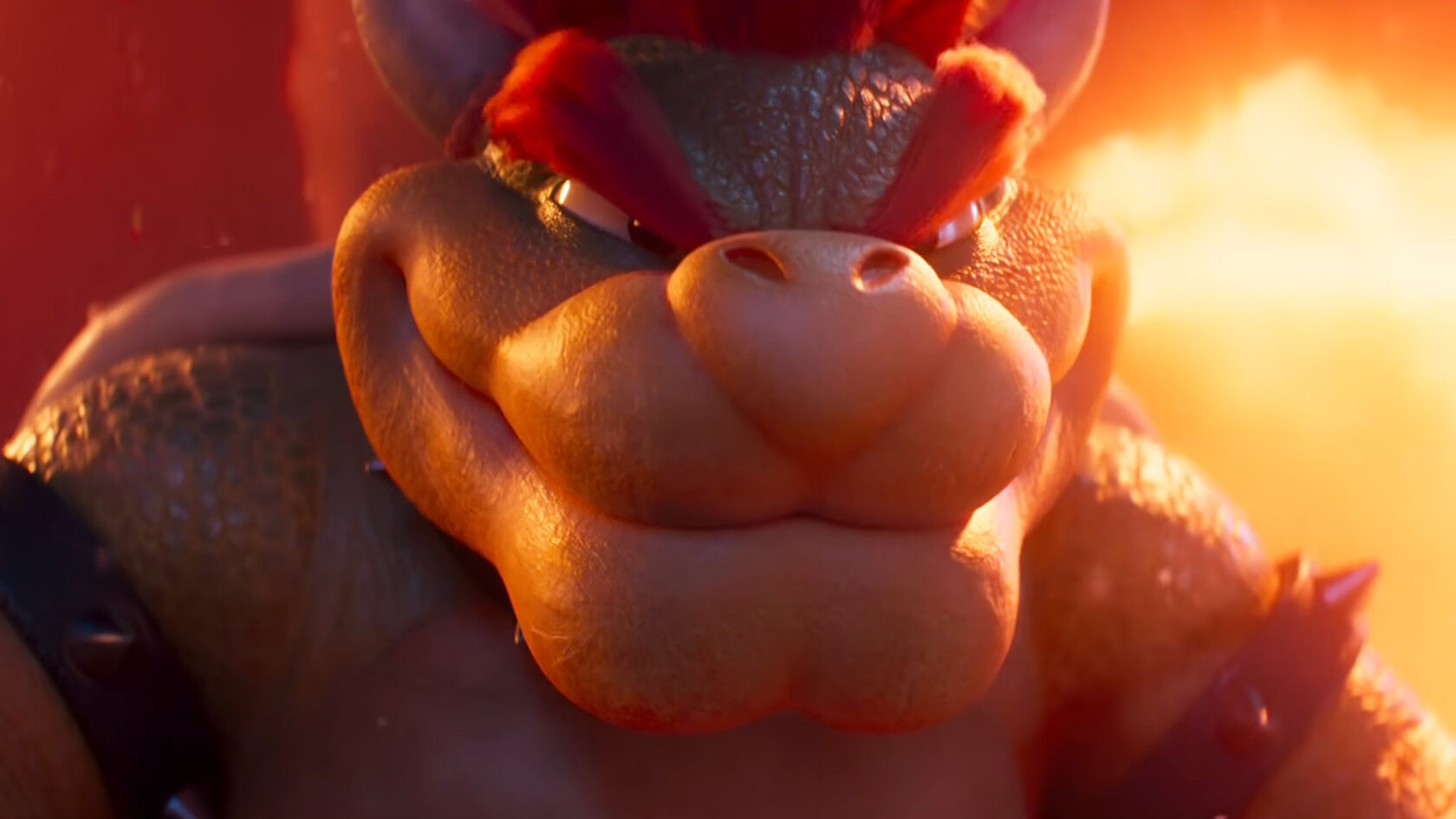
Bowser (Super Mario series)
Bowser does not need a tragic fall-from-grace arc or some tortured worldview to earn his place here. He is the king of commitment: fire-breathing, castle-crashing, Peach-kidnapping. Somehow, he is still showing up decades later like this plan might finally work.
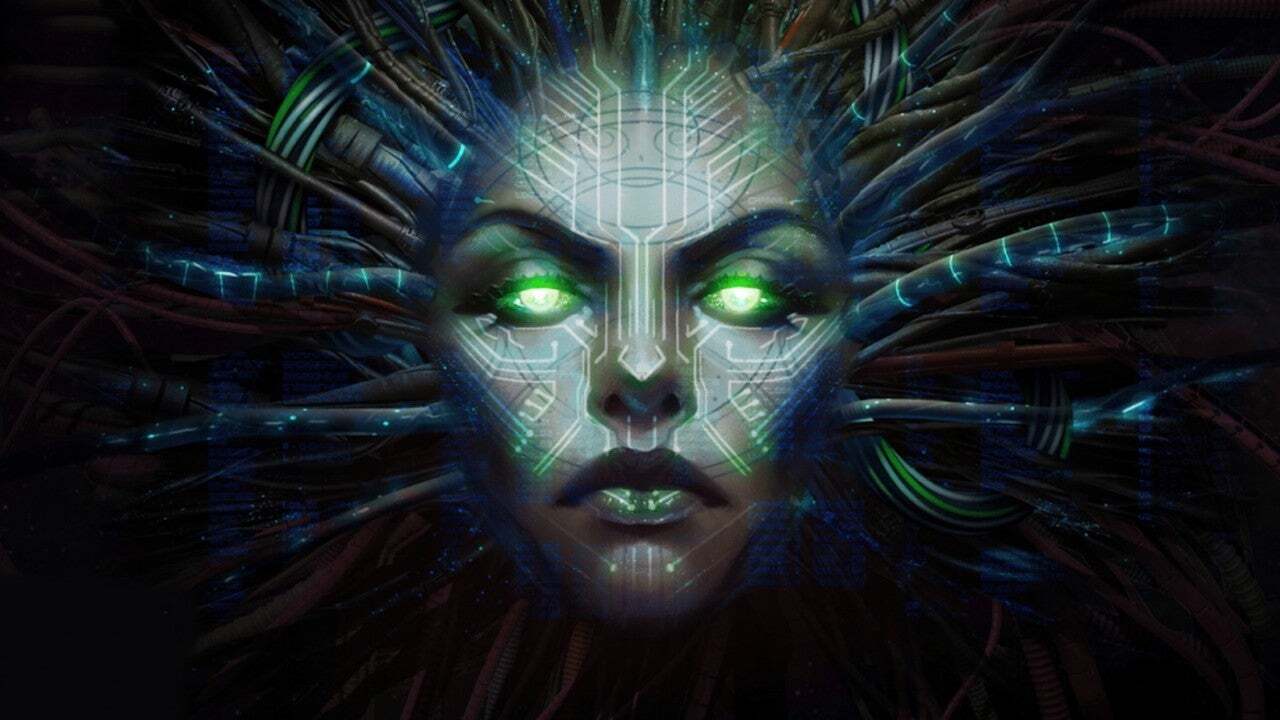
SHODAN (System Shock 1 and 2)
Long before rogue AI was a mainstream science fiction obsession, SHODAN already felt like the nightmare version of it. She starts as a station AI, then the second her ethical restraints are removed, everything goes sideways with humanity reduced to something she openly despises. That contempt is what makes her land so hard among the most hated video game villains. SHODAN is not just evil in a functional sense; she is arrogant, mocking, and so far gone with her god complex that she treats people like a design flaw she intends to correct.
Baldur (God of War (2018))
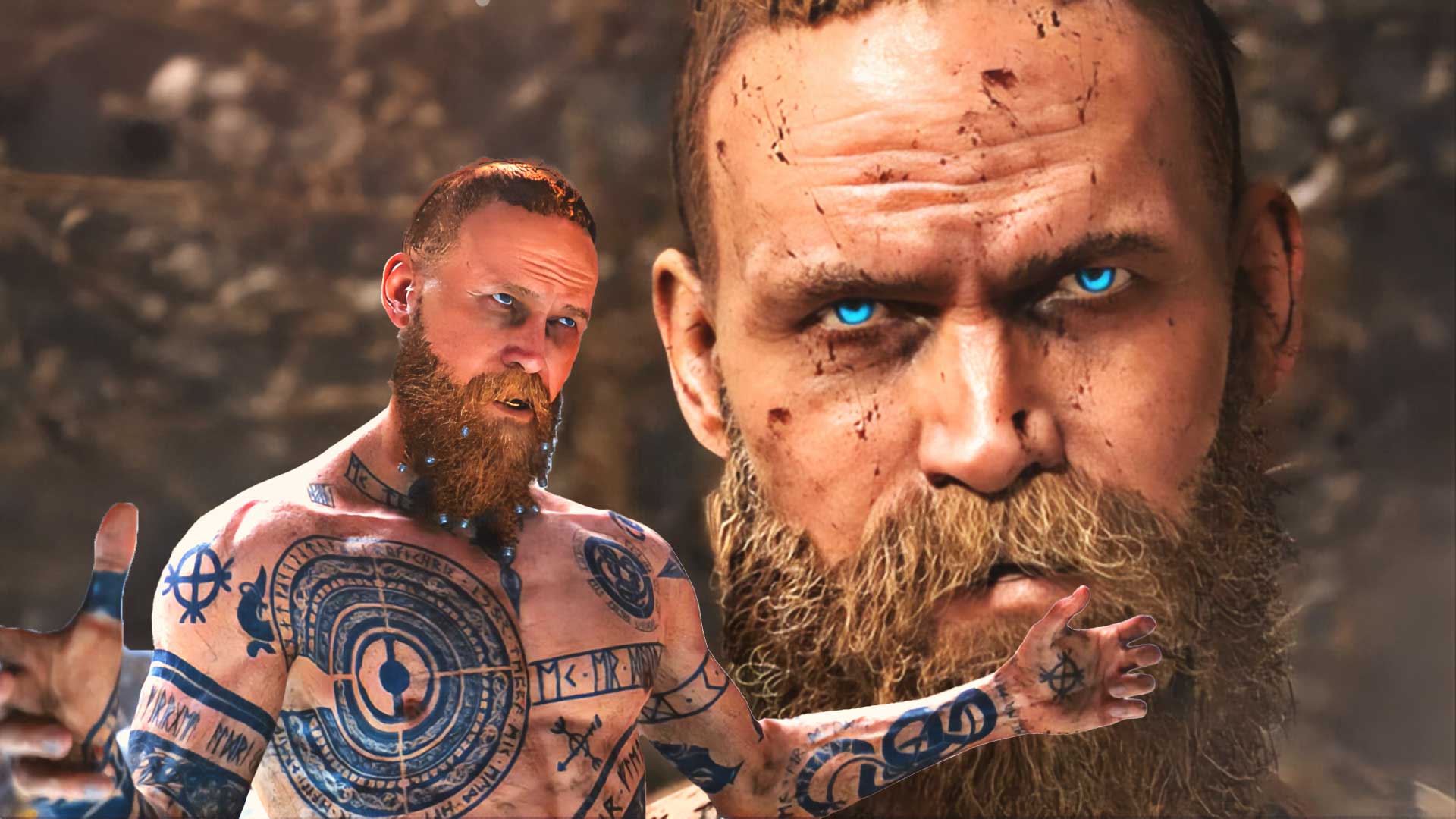
Baldur is the rare villain who feels dangerous and deeply exhausted at the same time. From the second he arrives (with that absurdly good introduction and the fight that instantly tells you this is not a normal threat), he brings a different kind of energy to God of War. He is relentless, but there is also something broken in him that the game never lets you ignore.
Frau Engel (Wolfenstein II: The New Colossus)
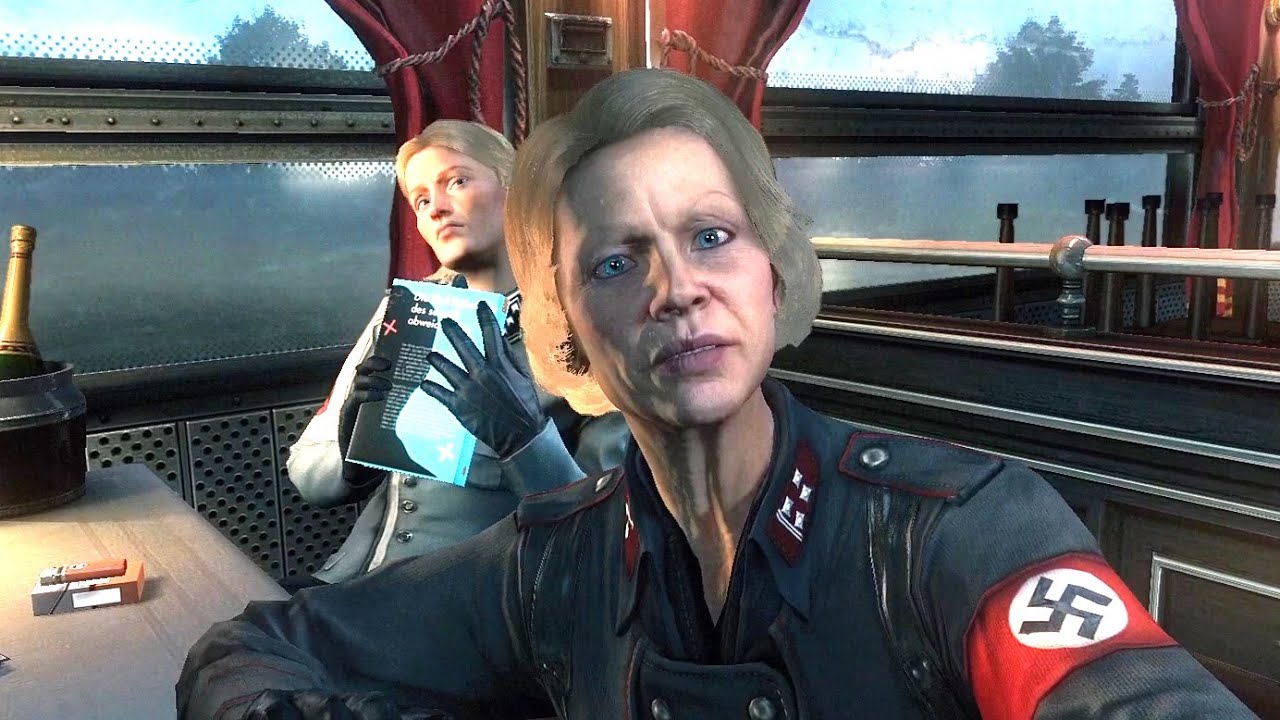
Frau Engel is so effective precisely because her cruelty is directly linked to power. The games frame her as someone who experiences domination itself as a kind of liberation. She’s gaining her freedom in a violently male system by advancing the ranks, but only through humiliating, threatening, and controlling everyone beneath her. That is part of why she feels so poisonous.
Joel Miller (The Last of Us Part I)
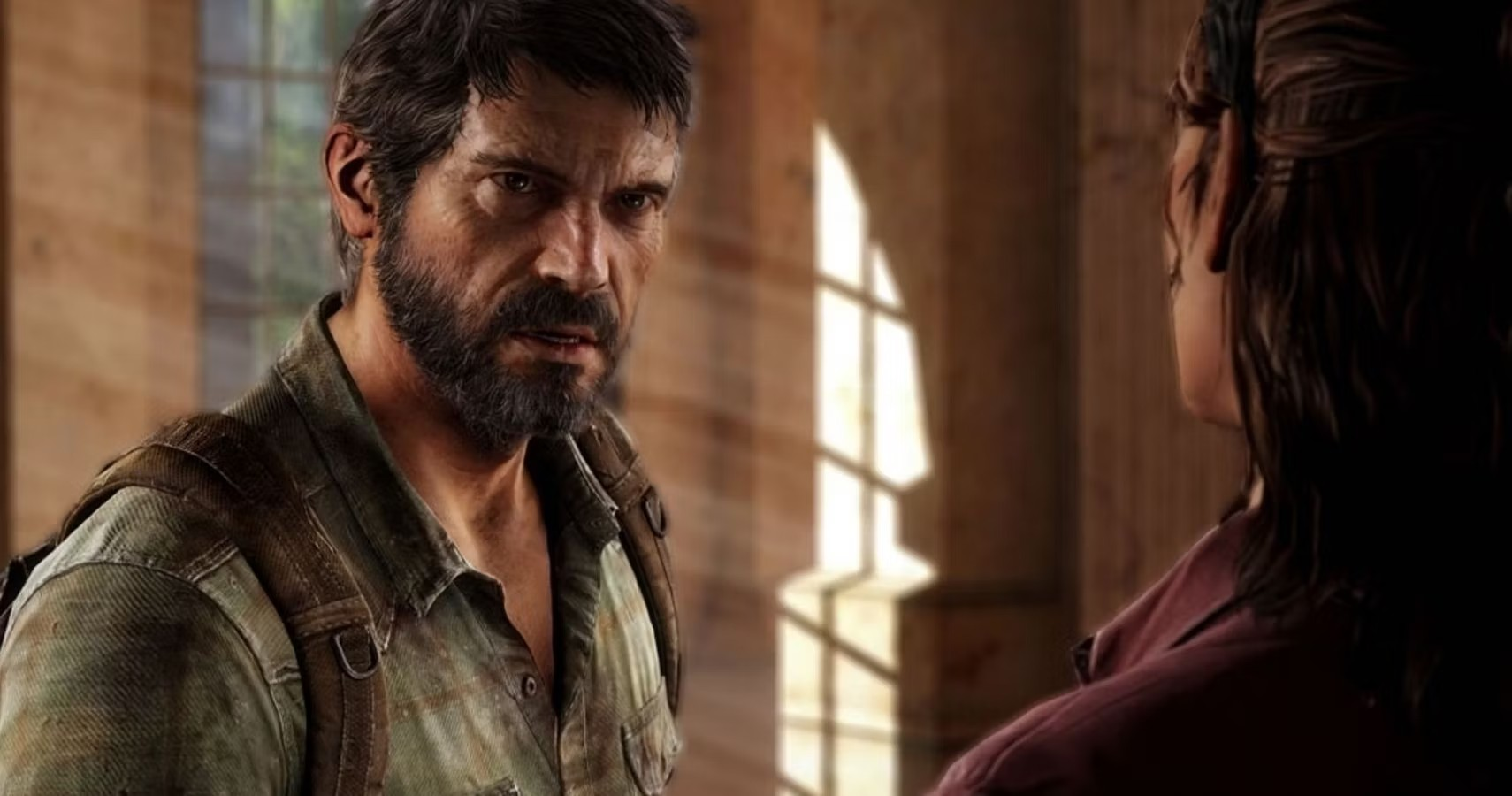
Not every list of video game bad guys has to be filled with tyrants, monsters, or cartoonishly evil maniacs. Sometimes you do not fight the bad guy. Sometimes you become one. That is what makes Joel such a difficult character to place and such an interesting one to talk about.
Why Players Love Great Video Game Villains
We love good villains because they tend to make the whole game feel sharper. A good antagonist guides the narrative and raises the stakes, turning progression into something more personal than simply leveling up or clearing, or completing quests. The greatest villains are memorable not just if they are bad and evil but also because they cause deep emotional friction: they demean the hero, push them, test their beliefs, ruin their plans, make impossible choices.
That’s generally where the attachment begins. Each confrontation is more important when a villain has charisma, a motive and fierce competition with the protagonist. Boss fights are bigger, dialogue scenes are more meaty, and even smaller appearances can make a bigger impression, precisely because you know the game’s big change-maker may be a villain, not someone so small as you would think and yet they might have the power to affect a whole vibe within that game.
Great villains are just more interesting to talk about. At the same time they give players famous speeches, cold one-liners, shocking reveals, and scenes which are instantly accepted into gaming culture. Some fans like them because they make you nervous; others like them in that they are stylish (even funny) because there is something beautiful and tragic about them.
FAQ
Heroes are often “too perfect” or “virtuous to the point of being boring.” Villains are allowed to be more complex, flawed, and active. As one person put it, “The hero’s plan is just to stop the villain; the villain actually has a vision they are trying to execute.”
Kefka Palazzo (Final Fantasy VI): He is the most common answer here. Unlike many who just try to destroy the world, Kefka actually succeeds mid-game, forcing the players to deal with the literal ruins of their world.
Gaunter O’Dimm (The Witcher 3): Often discussed as an “eldritch horror” who is essentially unbeatable unless played by his own specific, supernatural rules.
The Boss (Metal Gear Solid 3): Almost every thread in Reddit mentions her as the villain players “didn’t want to kill.” Her loyalty and sacrifice make her a character players respect rather than hate.
Emet-Selch (Final Fantasy XIV): Frequently praised for having a “perfectly understandable” motive. Players often debate whether they would have done the exact same thing in his position.
Renoir (Clair Obscur: Expedition 33): A more recent addition to discussions, often cited for his intimidating presence and the deeply personal, tragic motivations driving his actions.