When you hire an external art group to work on visual assets for a game, that is what’s called “game art outsourcing.” It isn’t merely a way for lots of studios to “get extra hands.” Proper handling of video game art outsourcing cuts down the cost of manufacturing assets, helps speed the delivery of assets, and attracts specialized artists without making the studio expand its in-house staff prematurely.
A game development company can keep its core people working on engineering or production while outsiders address specific areas of the visual pipeline. That’s a lifesaver, particularly for the teams that have to balance quality and production demands. Some studios will need entire full-cycle art production, and some will need it for certain things, such as characters, environments, UI, or a certain style.
Key Takeaways
- Game art outsourcing helps studios make game assets without hiring a larger in-house team.
- It can save time, lower costs, and provide access to skilled artists.
- A strong outsourcing partner should understand both art and game development needs.
- The cheapest option is not always the best, as poor quality can cause extra work later.
- A small test project can help check if the partner is a good fit.
- In-house teams are best for creative control, while outsourcing helps handle more work.
What Is Game Art Outsourcing?
Game art outsourcing means assigning a specific piece of the visual production pipeline to an external creative or art team. Instead of building every art discipline in-house, a studio can bring in outside specialists to create assets according to its brief, art direction, technical requirements, and production schedule.
The most commonly outsourced areas include:
- concept art;
- character design;
- environment art;
- 2D art;
- 3D modeling;
- props;
- animation;
- UI/UX art;
- VFX;
- asset optimization for game engines.
These services are used by indie studios that need production support, mobile game companies working with frequent content updates, publishers managing several projects, and larger teams that need extra capacity during active development.
In game development outsourcing, the external team usually works as a production partner. This is the main difference from hiring a freelancer. A freelancer may handle one specific task or asset type, while an outsourcing studio can provide a structured team, art supervision, quality control, project management, and a scalable workflow that fits larger production needs.
Why Companies Outsource Game Art
Companies outsource game art because modern game production often moves faster than internal teams can scale. Not even well-established studios always have enough resources to meet production needs at all stages efficiently. Over time, it becomes much more feasible for outsourcing to develop capacity without elevating the internal overhead significantly.
How to Prepare Before Outsourcing Game Art
Good outsourcing starts before the first artist opens a brief. The better your preparation is, the easier it is for an external team to understand your game, match your visual direction, and deliver assets that fit the project instead of creating extra revision cycles.
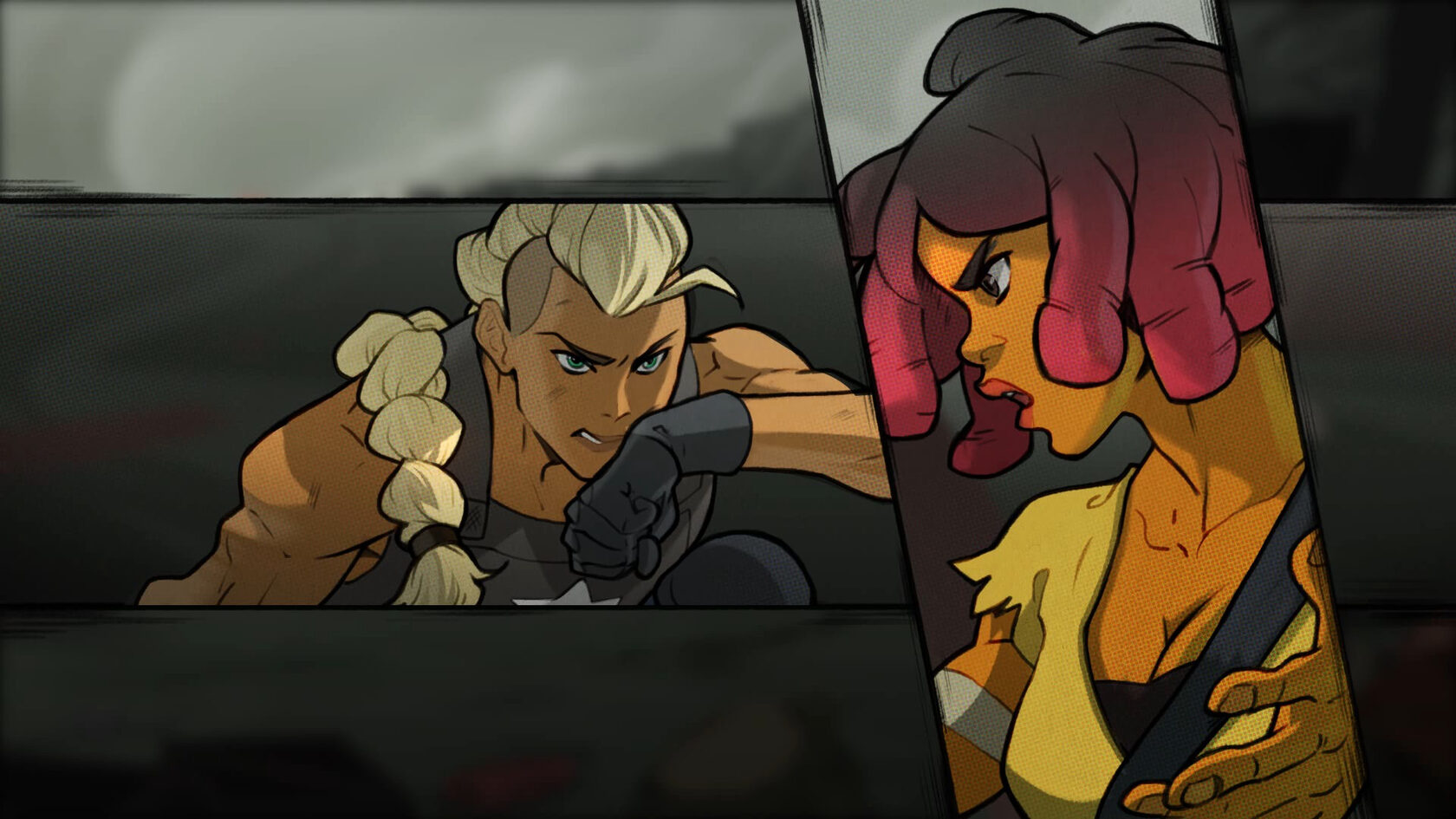
The first thing to do is to define your artistic style. A studio needs to know what visual language the game has to use ahead of time. Instead of describing the art direction in broad strokes, it’s easier to point to tangible references and say what you want players to experience. Project goals can consist of the colorful, stylized style of Fortnite, the painterly fantasy atmosphere of World of Warcraft, the realistic visual quality of The Last of Us, and so on.
How to Choose the Right Game Art Outsourcing Company
The lowest price should not be the starting point for selecting a game art outsourcing company. If the team does not see the intended style or produces assets that are not in tune with the engine, a cheap vendor can cost a fortune. Endless rework can quickly escalate costs.
Step-by-Step Game Art Outsourcing Process
The workflow of a game art outsourcing studio follows a structured production pipeline designed to keep the project moving efficiently from the initial brief to final delivery.
Discovery and Requirements Gathering
Every outsourcing project starts with a deep insight into what the game needs and what the external team should do to support that. At this stage, the client is sharing details about the game’s vision, target platform, audience, art direction, and production objectives. It can then be used by the outsourcing studio to assess the work scope to be undertaken and the challenges that can be faced, as well as decide on what to allocate in terms of resources accordingly.
This step is also critical for setting technical expectations. The more detailed the initial brief, the easier it is to guarantee efficiency through production.
Style Alignment and References
Before artists can start producing assets, both sides need to have a clear idea of where the visuals are going. Outsourcing teams study style guides, concept art, screenshots, moodboards, and any existing game assets to see what artistic language the project shares.
It is not as if your gathering all references is going to get anything; it’s that everyone is going to interpret them the same. Even when little differences in understanding are there, the end result can be assets that technically comply but do not feel like they belong in the game. Many studios make test assets or sample pieces for this stage to validate that the visual aesthetic is what the client is after, just before larger numbers are pushed out.
Production Planning
Once the creative direction is confirmed, the planning becomes the next stage of the project. The outsourcing team organizes the workload, establishes production priorities, and creates a schedule that aligns with the client’s development roadmap.
If planned correctly, it allows dependencies between tasks and reviews to happen at the right moments. It also sets up a predictable workflow for both teams, which creates easier communication and fewer delays.
Asset Creation
It’s a stage in which the accepted ideas and strategies are converted to production-ready assets. The specific procedure depends on what assets are turned in. Character creation can include conceptual development, model creation, texturing, rigging, and optimization, and environment production is mostly based on modular design, asset variation, and scene composition.
Review and Feedback
Periodic reviews are important for quality control, ensuring partners maintain quality and production in accordance with the project objectives. Rather than waiting until assets are fully completed, experienced outsourcing teams typically share work-in-progress versions at key milestones. This enables problems to be caught as early as possible, when adjustments are easier and less costly to make.
Quality Assurance
The assets enter the production site after a rigorous quality control process is executed, prior to delivery. Quality assurance usually means a checks and balances exercise, checking how the assets perform in the intended production environment. Artists and technical experts inspect visual consistency, optimization, usability, and compatibility with the target engine. This step also allows you to find weaknesses that may interfere with the implementation of their design process and it helps to lower the volume of work done to fix them post-delivery.
Final Delivery and Integration
After approval, the finished assets can be prepared for delivery. The team organizes files to support efficient integration into the client’s pipeline, enabling internal teams to start implementation without unnecessary delays. They frequently collaborate even after delivery.
Developers can find performance improvements or a better match to gameplay requirements during integration. A reliable outsourcing partner remains available to address these issues and ensure that the assets work as expected in the final game environment.
Game Art Outsourcing vs Hiring an In-House Art Team
Therefore, if we compare an in-house team with an outsourced game development team, we’ll get the following:
In-house team:
- Better for core creative control;
- Stronger connection to the game vision;
- Higher long-term hiring and operating costs;
- Harder to scale quickly;
- Limited by available internal skills.
Outsourced art team:
- Faster access to production capacity;
- Easier scaling during active development;
- Lower fixed costs;
- Access to specialized art skills;
- Requires clear briefs, feedback, and art direction.
The main difference is control versus scalability. In-house teams are closer to the creative core of the game. Outsourced teams are better when the studio needs production capacity, specific expertise, or faster delivery without expanding internal operations.
FAQ
Costs vary significantly based on the complexity of the assets, the level of detail, and the location of the studio. While many vendors quote by project or per asset, hourly rates serve as a baseline for budget planning.
The “right” partner depends on the specific needs of your project. Use these criteria to evaluate potential studios:
- Portfolio and Case Studies: Look for consistency in their art style. Does their past work align with the visual direction of your game? Pay attention to whether they have experience in your specific genre (e.g., RPG vs. platformer).
- Communication and Management: Assess how they handle project management. A good partner should be responsive, provide regular updates, and ideally offer a dedicated project manager or Art Director to serve as your point of contact.
- Workflow Compatibility: Determine if their production pipeline can integrate with yours. Discuss how they handle feedback, version control, and engine integration (e.g., Unreal Engine vs. Unity).
- Transparency and Legalities: Ensure the contract clearly defines Intellectual Property (IP) ownership. Verify their process for revisions, extra services, and how they handle security/confidentiality.
- Testimonials: Prioritize client reviews over company-written case studies for a more authentic perspective on their reliability and ability to meet deadlines.
Almost every stage of the art pipeline can be outsourced, either as a full-cycle service or to handle specific production spikes. We’re talking about everything from concept art to even VFX and polishing.