In the video game industry, the visual aesthetic can be just as pivotal as the intricate gameplay mechanics in captivating players. From expansive digital realms that inspire a sense of immersion to characters imbued with vivid intricacy, creating game assets lies at the very core of bringing these virtual worlds to life. Whether textures, models, or animations, game assets are the fundamental building blocks that sculpt the player’s journey. With cutting-edge innovations in gaming technology continuing at a rapid pace, achieving mastery in asset generation has never been more paramount for developers aiming to enthrall and engage players.
Unlocking the Building Blocks: What Are Game Assets?
Video game assets are the digital content pieces incorporated into a game from the smallest texture to the largest 3D models. They’re everything players see, interact with, or hear in a game. These can include 3D game assets like character models, environmental objects, animations, and even sound effects and music.
From Concept to Reality: The Art of Creating Game Assets
Today’s gamers anticipate high-quality graphics as standard. This further increases the already significant need for numerous intricate assets in many games.
Every great asset starts with an idea. Determining what you want to create, whether it be a character, a weapon, or an environment, is the initial stage. An asset creator compiles references, researches trends, and drafts ideas in this phase, defining the asset’s function and importance in the game.
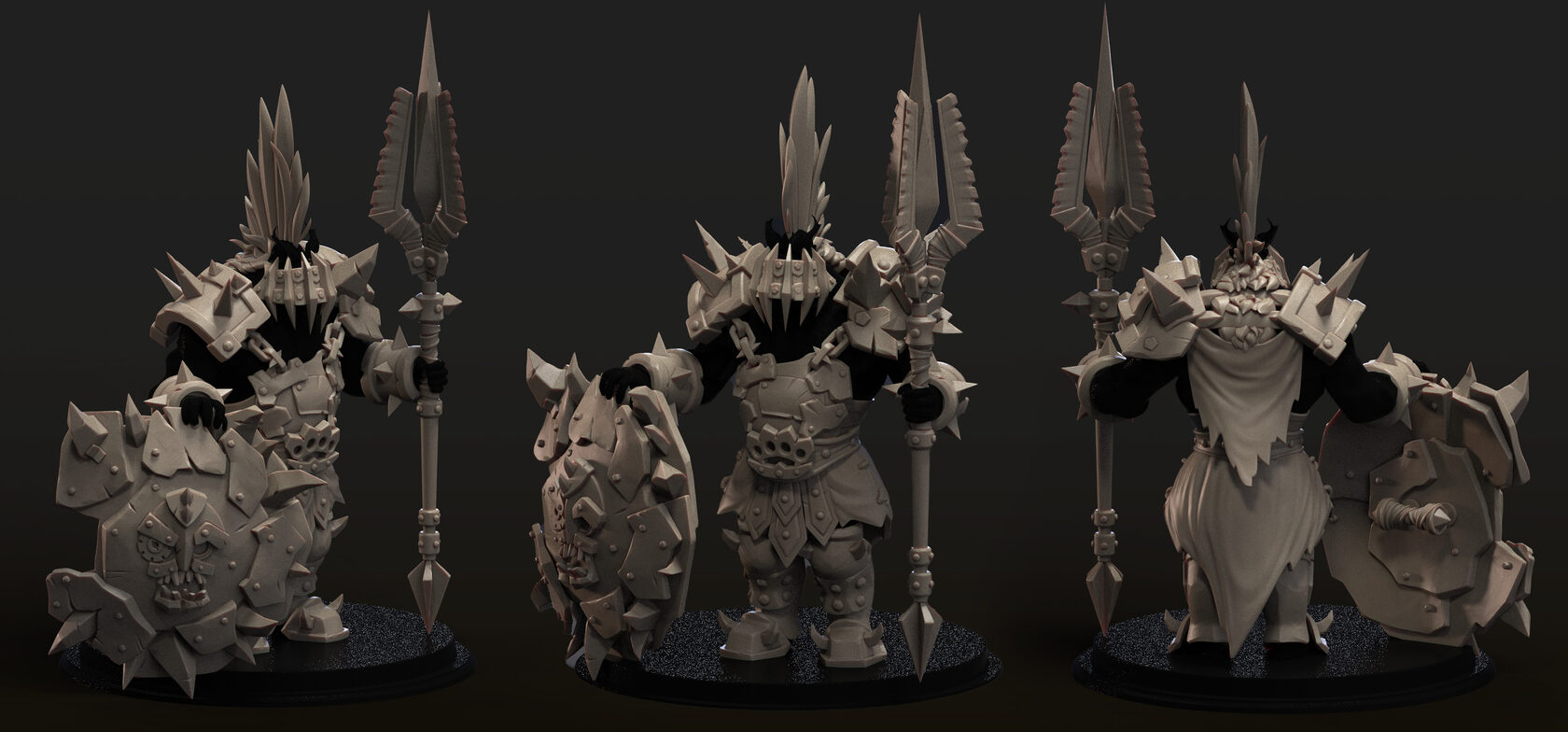
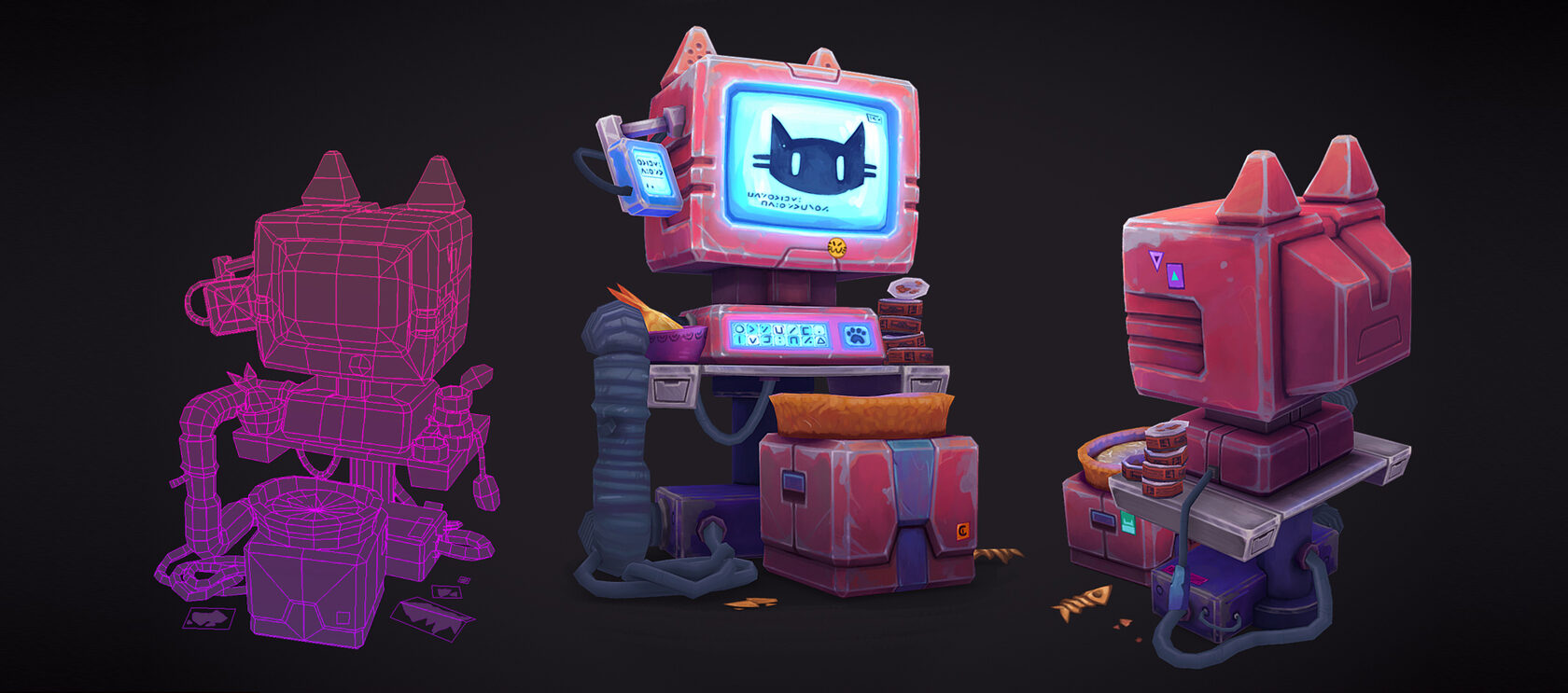
Once the concept is solid, the next phase is modeling the asset using 3D software like Blender or Maya. At this stage, the initial design starts to form and the asset creation commences. This phase focuses on building the geometry and ensuring the ratio and details align with the game’s visual style.
After modeling, the asset requires textures to feel real. Texturing brings in color, designs, and surface specifics, while materials determine the asset’s response to light and its general look. In this phase, the 3D assets game process starts to feel tangible, with everything from shiny metals to weathered woods taking form.
Challenges in Creating 3D Game Assets
Creating 3D game assets requires not solely focusing on aesthetic appeal—it’s equally important to guarantee cross-platform functionality without hampering frame rates. The process, while rewarding, comes with several challenges. Let’s explore some of the common issues faced during the production of game dev assets and how to tackle them.
Keeping Assets Consistent Across Platforms
One of the main challenges is ensuring platform game assets perform consistently across various devices. What works well on a high-end gaming PC might not translate seamlessly to a console or mobile device. Asset optimization, including tweaking textures and reducing polygon counts, becomes essential to ensure smooth performance without losing too much visual quality. Striking this balance is critical.
The Performance vs. Detail Dilemma
Balancing beauty and functionality is a significant struggle in asset production. High-detail assets can enhance immersion, but they also impact the game’s frame rate, particularly in expansive environments. This requires careful optimization of models and textures, maintaining the quality necessary for an immersive experience while ensuring the game runs efficiently.
Working Within Tight Deadlines
Asset creation can be time-intensive, especially when deadlines are looming. Prioritizing certain assets becomes necessary, ensuring that essential pieces receive the most attention while others are simplified or repurposed. Efficiency without compromising overall quality is key to delivering a polished product within the constraints of time and resources.
Avoiding Communication Breakdowns
In larger teams, communication breakdowns can lead to inconsistent game dev assets. Misalignment in artistic direction can result in assets that don’t fit the game’s overall vision. Regular check-ins, asset management systems, and clear documentation are critical for maintaining a cohesive look and ensuring every asset aligns with the game’s style and mechanics.
Types of Game Assets in Game Design
Game assets are the building blocks of every video game, shaping what players see and hear. These assets are typically divided into visual and audio categories. In this guide, we’ll cover both, focusing on how visual assets like models, environments, and props bring a game to life, and how audio assets contribute to immersion and gameplay.
Visual Assets
Characters
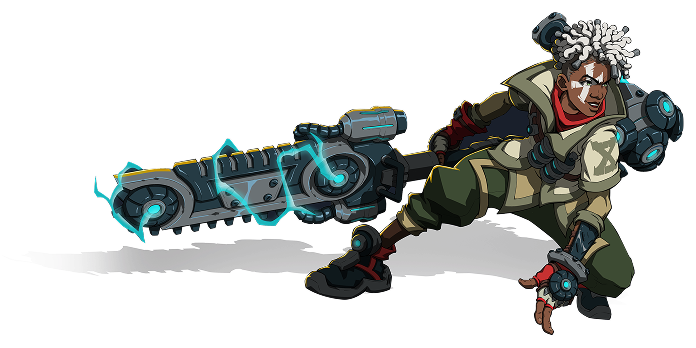
Game assets characters are the figures players control or interact with within a game. These can range from simple 2D sprites to highly detailed 3D models. Characters are typically divided into player-controlled characters and NPCs (non-player characters). Player characters require complex animations for movement and interaction, while NPCs can have more limited roles depending on the game.
Environments
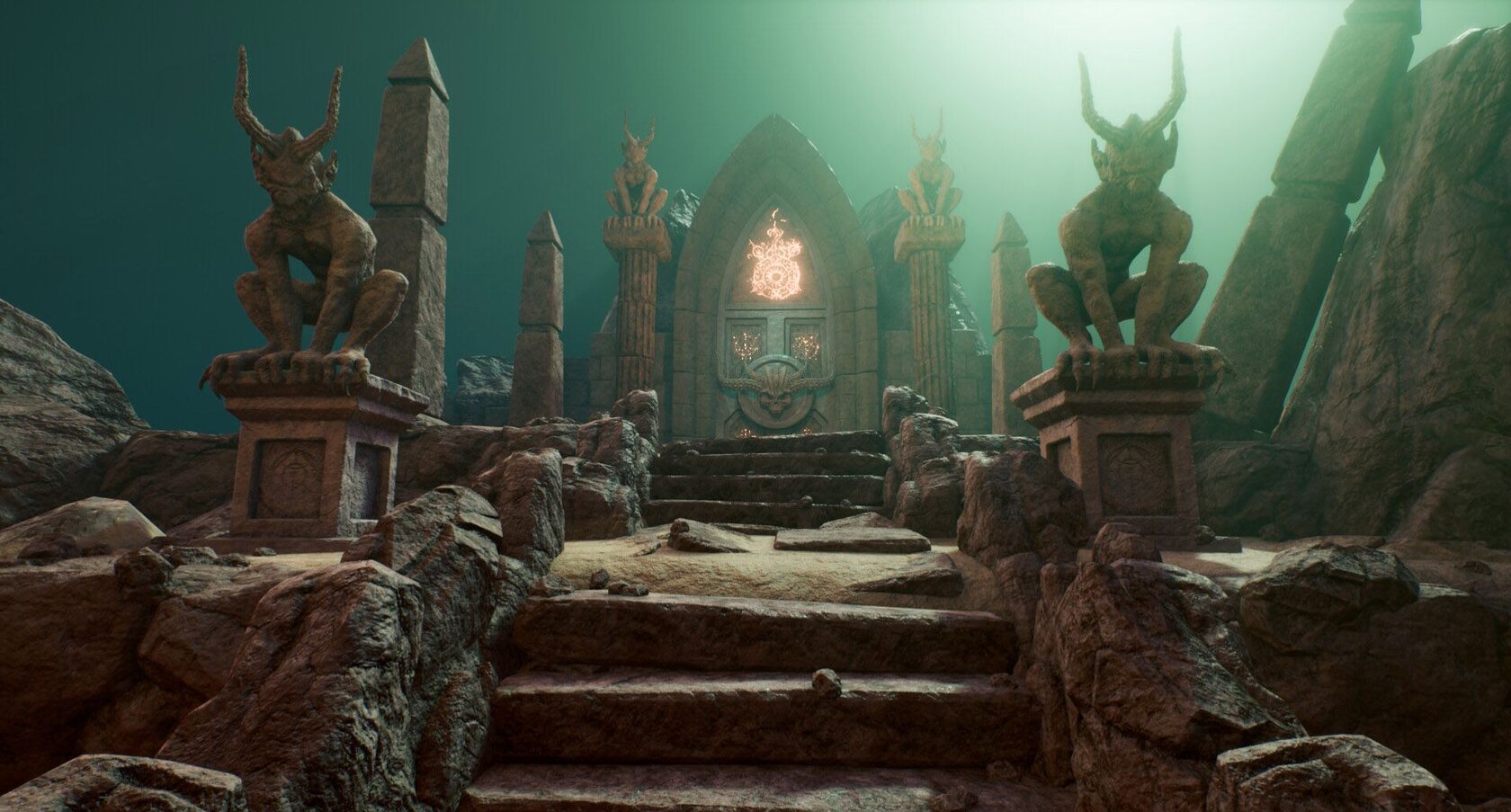
Game environment assets shape the world players explore, including landscapes, buildings, and natural elements like trees and rivers. Creating assets & architecture for game environments involves designing detailed and immersive worlds that fit the game’s narrative and style. These assets must be optimized to ensure smooth performance, especially in large open-world games.
Props
Props contribute greatly to immersing players in virtual worlds, from furniture to collectibles. These items add realism and interactivity to the environment. Be it a blade in a fantasy role-playing adventure or a key item essential for solving mysteries in puzzle playgrounds, props are pivotal for creating believable worlds.
Weapons and Equipment
Weapons and gear are vital in many genres, forming the core of gameplay loops. Iconic weapons like the Blades of Chaos from God of War or the hidden blade in Assassin’s Creed play a key role in combat and gameplay. These assets require careful design to ensure they function well within the game’s mechanics, with detailed animations for different actions like swinging, firing, or reloading.
Terrain and Landscapes
The terrain sets the foundation for any game world. From craggy peaks scraping the skies to dense woodlands flourishing with flora, 3D game asset creation for terrain helps shape the player’s navigation and exploration. The design of terrain assets can influence gameplay by providing cover, challenging obstacles, or open spaces for action. The more precise and authentic the terrain, the deeper the players would feel drawn into the game.
Buildings and Structures
Buildings provide context and depth to the narrative. These game assets play a major role in world-building: for futuristic worlds, ultra-modern cityscapes or for ancient times, temples. Detailed structures serve practical purposes in gameplay: providing shelter or acting as mission objectives. Their design contributes to the game’s lore and atmosphere.
Game Backgrounds
Game backdrops support the construction of the ambiance and feel of the game. They can be simple 2D representations or intricate 3D environments, relying on the visual type of the game. Backgrounds are often essential for guiding player movement and providing context to the game’s story. The visual style of backgrounds also varies—from realistics and sensible surroundings in titles like Alan Wake 2 to conceptual styles in the critically acclaimed Journey, where gamers traverse abstract landscapes utilizing only a glow to inform their way.
Game Object Assets
Objects like vehicles, tools, and interactive items populate the game world and are essential for player interaction. Game object assets include everything from cars and spaceships to environmental elements like trees or barrels. The design of these objects influences how players navigate and interact with the world.
Audio Assets
Sound Effects
Sound effects are the quiet, sometimes understated noises that are triggered by player actions or events within the game environment. Sound effects include footstep sounds, gunfire noises, creaking doors, and ambient environmental sounds. Top-notch sound effects enhance immersion by creating a more authentic feel to interactions. The player’s experience is enhanced by sounds such as rustling leaves or footsteps echoing in a cave.
Soundtrack
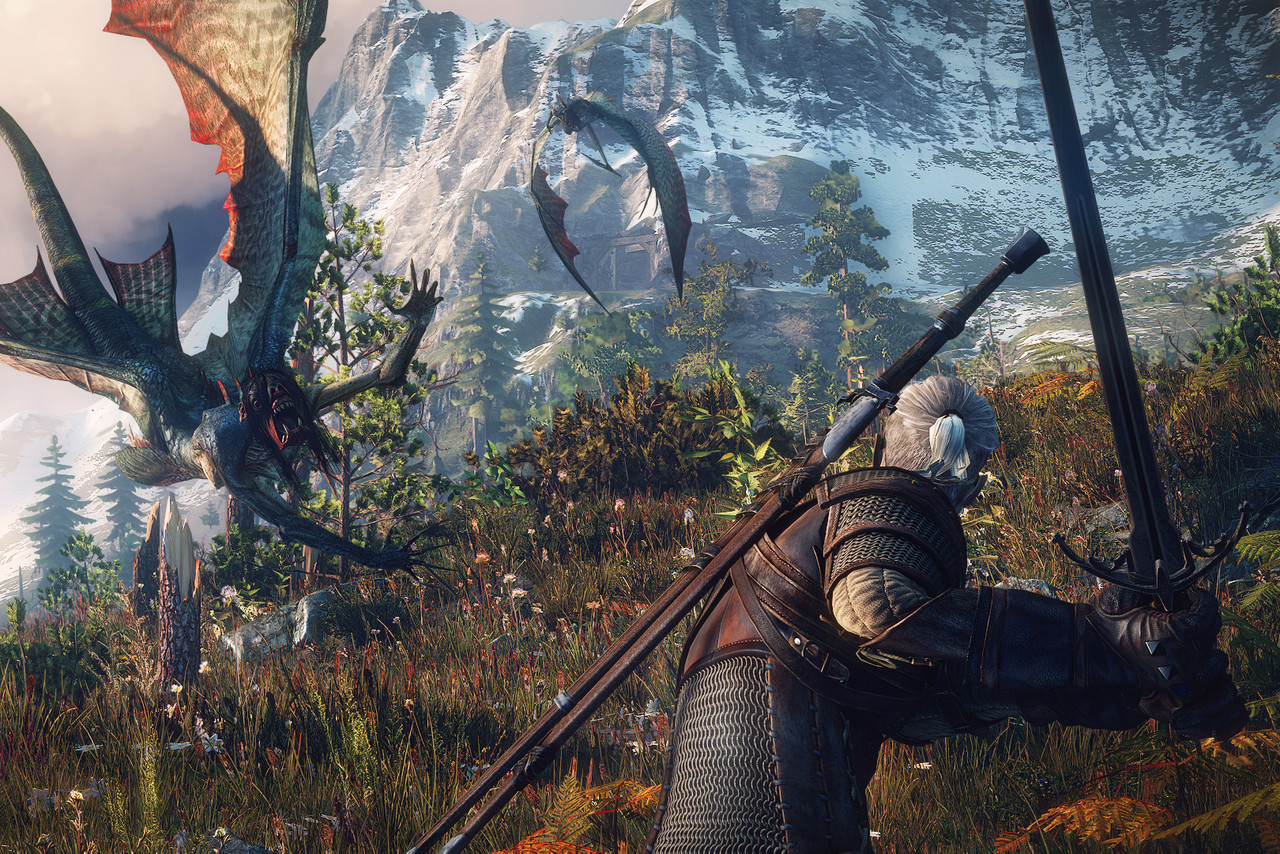
Music establishes the emotional atmosphere of a game. The soundtrack, whether it be a grand orchestral score in a boss battle or calming background music in a puzzle game, influences players’ emotions during gameplay. Depending on the scene, music has the ability to increase tension, generate excitement, or evoke a feeling of relaxation. Dynamic music, which adjusts according to player actions or the game’s state, can enhance immersion to an even greater extent. A huge example would be the soundtrack of “The Witcher 3”, which folk music and battle hymns composed utilizing medieval instruments made the game feel as authentic as it can be.
Voice Acting
Voice acting breathes life into characters and injects personality into the game. Skillfully done voiceovers assist in establishing a connection between players and characters, ultimately enriching the storyline. In narrative-focused games, powerful voice performances can enhance sentimental scenes and forge a stronger bond between the player and the main character. Numerous AAA games employ professional voice actors to guarantee that characters are convincing and captivating. Like it was with Cyberpunk 2077 and Keanu Reeves, which was a huge shock for the actor’s stans and game fans.
Together, visual and audio assets form the backbone of any game, working in harmony to create a rich, engaging experience. Both types of assets must be carefully crafted and integrated to ensure players are fully immersed in the game world.
Benefits of 3D Game Assets Outsourcing
Outsourcing 3D game assets has become a quite popular option for many game developers in recent years, as it provides a cost effective way to produce high quality elements without overburdening internal staff. By outsourcing the creation of the art assets for games, one is able to work together with outside studios or independent contractors to design, model, and deliver game components customized for particular necessities.
The process starts by defining the asset requirements—whether it’s characters, environments, or props—and then working with an outsourcing partner who specializes in 3D game asset creation. The external team handles concept art, modeling, texturing, and animation, ensuring that all assets align with the game’s vision and art style. Effective asset management in game development is crucial for maintaining consistency and quality, helping track progress, revisions, and integration into the game engine.
Various assets have their own technical nuances, from file formats to performance optimization. Therefore, it’s crucial to consult with professionals before implementing them in your game. At Argentics, we specialize in creating stunning art assets for games that elevate your project to the next level. Our team of experts is skilled in every aspect of asset management game creation, from concept to final product. Let us help bring your game world to life with beautifully crafted assets tailored to your vision.
Contact us today to learn how we can assist you in building exceptional game assets for your next project!
FAQ
Game assets are created using 2D or 3D software like Photoshop, Blender, or Maya. The process involves concept design, modeling, texturing, and animation to produce characters, environments, props, or effects for the game.
Yes, many free assets are available for use, but be sure to check the licensing terms. Some free assets may have restrictions, such as requiring attribution or limiting use to non-commercial projects.
Assets in video games are the visual and audio elements that make up the game world, including characters, environments, objects, sounds, and music.
Game assets are the individual components, such as 3D models, textures, sound effects, and animations, used to create the visual and interactive parts of a video game. They are essential for constructing the game’s environments, characters, and overall experience.