With a game development landscape that is constantly evolving and fiercely competitive, one of the biggest challenges developers face today is how to stand out. Holding a player’s attention is both an art and a science, powered by the perfect blend of intuitive design, creative storytelling, and psychological understanding. Whether you’re crafting an adrenaline-pumping battle royale or a tranquil farming simulator, the game design principles act as the blueprint for building an unforgettable experience.
Game design basics are not a mere checklist; they are the heart of the essential instruments developers use to create immersive and unforgettable experiences. This article dives into these principles, helping you understand how to create games that are as captivating as they are engaging.
Game Design Principles: The Blueprint for Immersive Gameplay
Game design is fundamentally about crafting experiences that connect with gamers. A good game not only captivates but also calls upon its players to discover, test their limits, and create memories. To achieve this, developers rely on foundational game design principles that act as a blueprint for immersive gameplay.
First and foremost – player-centric design. If players are your game’s heroes, then your job as a designer is to make them feel invincible—or, at least, capable of becoming so. Start with a solid understanding of your audience—who they are, what they care about, and what keeps them returning for more.
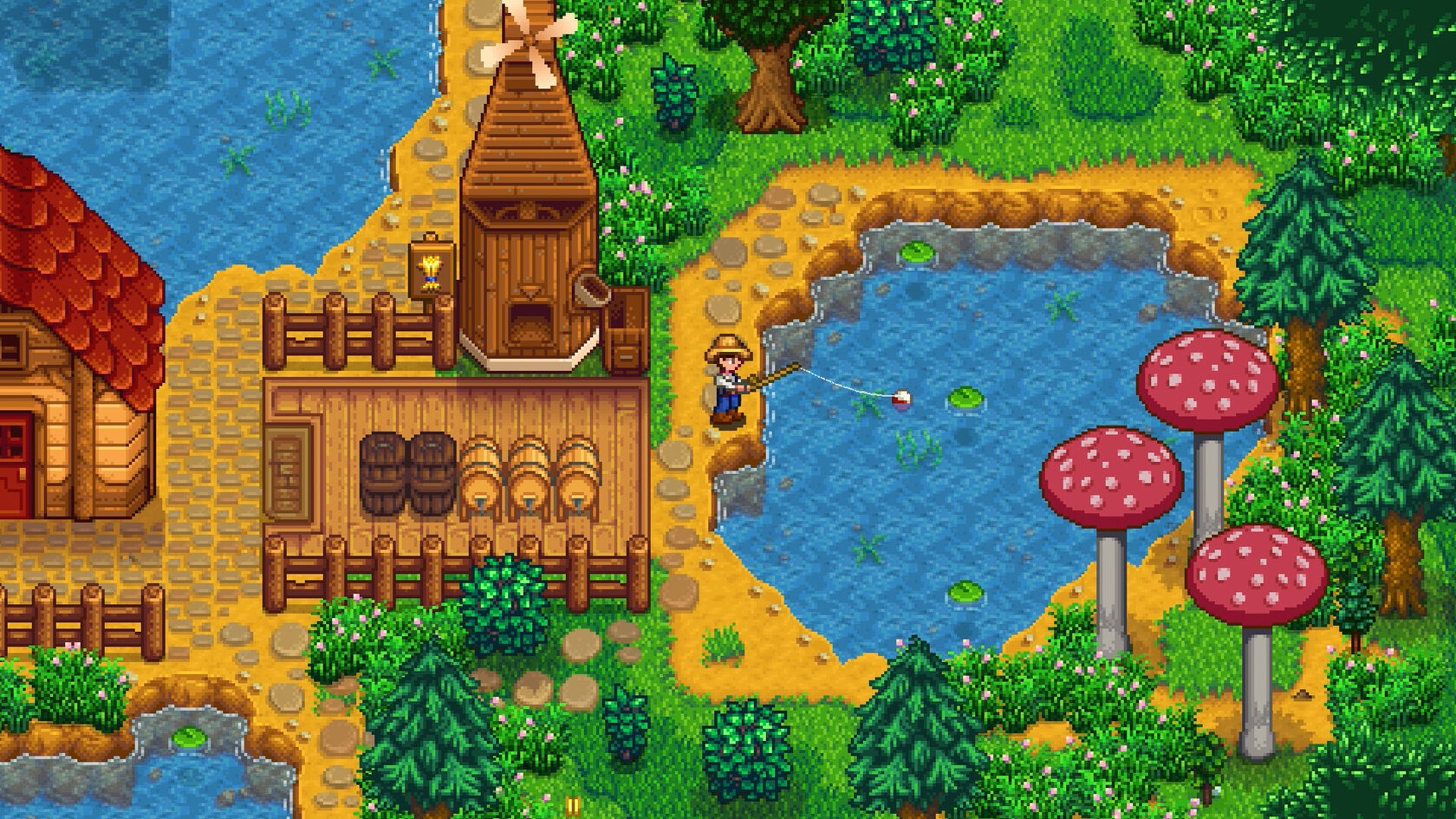
Take Stardew Valley. The draw is that it caters to a wide variety of players. Whether you find relaxation in farming, completing bundles for a sense of achievement, or excitement with mine exploration, the title bends to what you desire. That kind of flexibility makes players feel like the game was designed specifically for them.

The Role of Game Mechanics in Shaping User Experience
Game mechanics determine how players interact with the designer’s world, what they are allowed to do, and how they progress. If game mechanics are well designed, they become invisible in the best way: players don’t think about them as part of the playing experience; rather, they just play.
Consider Minecraft as an example. The core mechanics of collecting resources, crafting tools, and building structures are simple yet allow for infinite possibilities in creativity. Whether players wish to build a large fortress or dabble with redstone circuitry, the game adapts to player goals, appealing to everyone from casual explorers to hardcore builders. This flexibility played one of the key roles in its success.
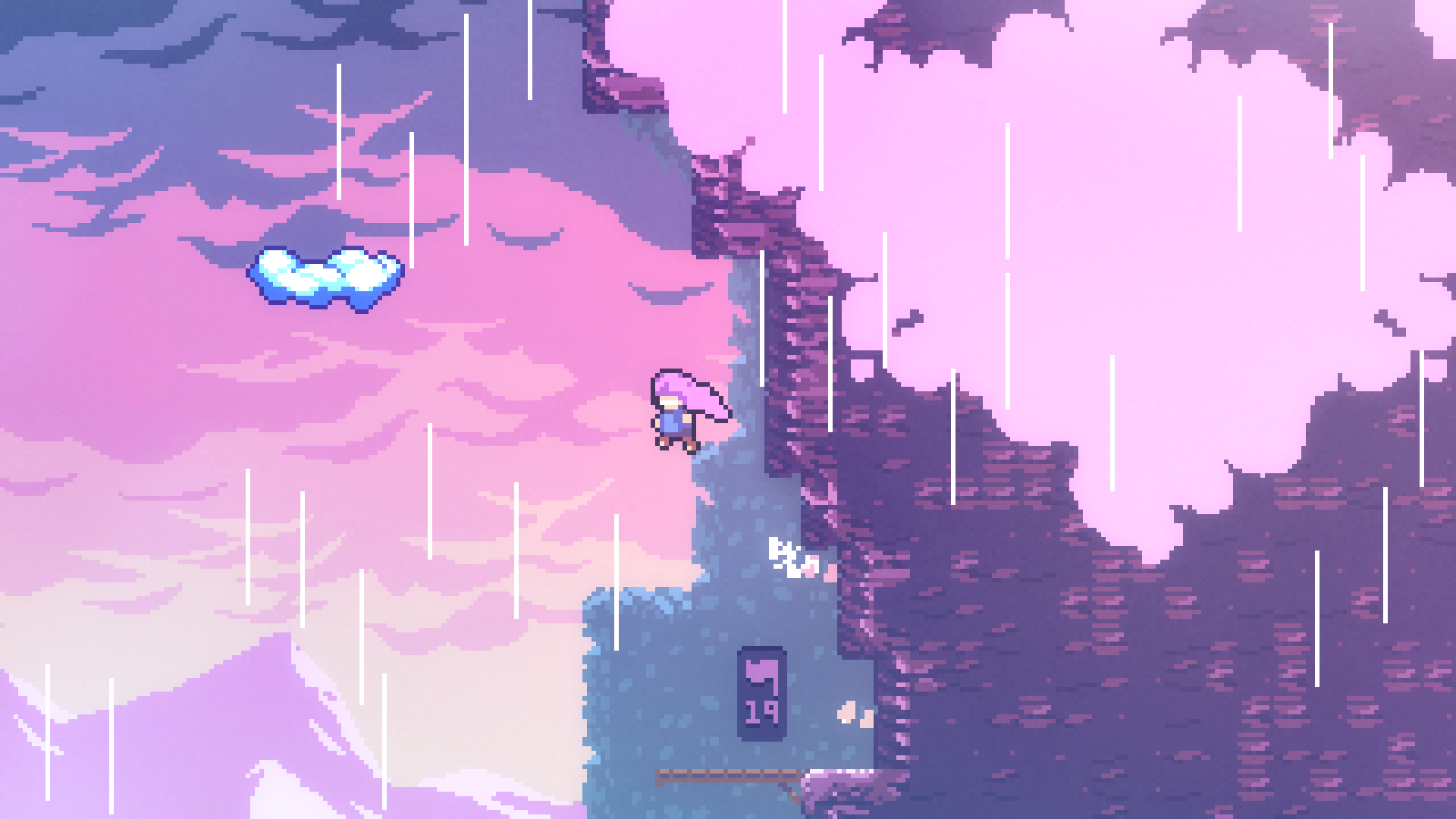
On the other hand, Celeste is very straighforward. No jump or dash can be accidental; each introduces deliberate failure as part of the learning curve. This allows a try-fail-improve dynamic and, consequently, a flow state where challenges are perceived as tough yet fair, making every win highly rewarding.
Interactive Storytelling: Crafting Narratives That Drive Player Motivation
Game storytelling goes beyond simply narrating a plot—it’s about making the player an active participant in the unfolding drama. The most successful examples of interactive storytelling go beyond mere tales: They invite players to co-create the narrative, empower them to change results, bond with characters, and imprint their uniqueness on the game world.
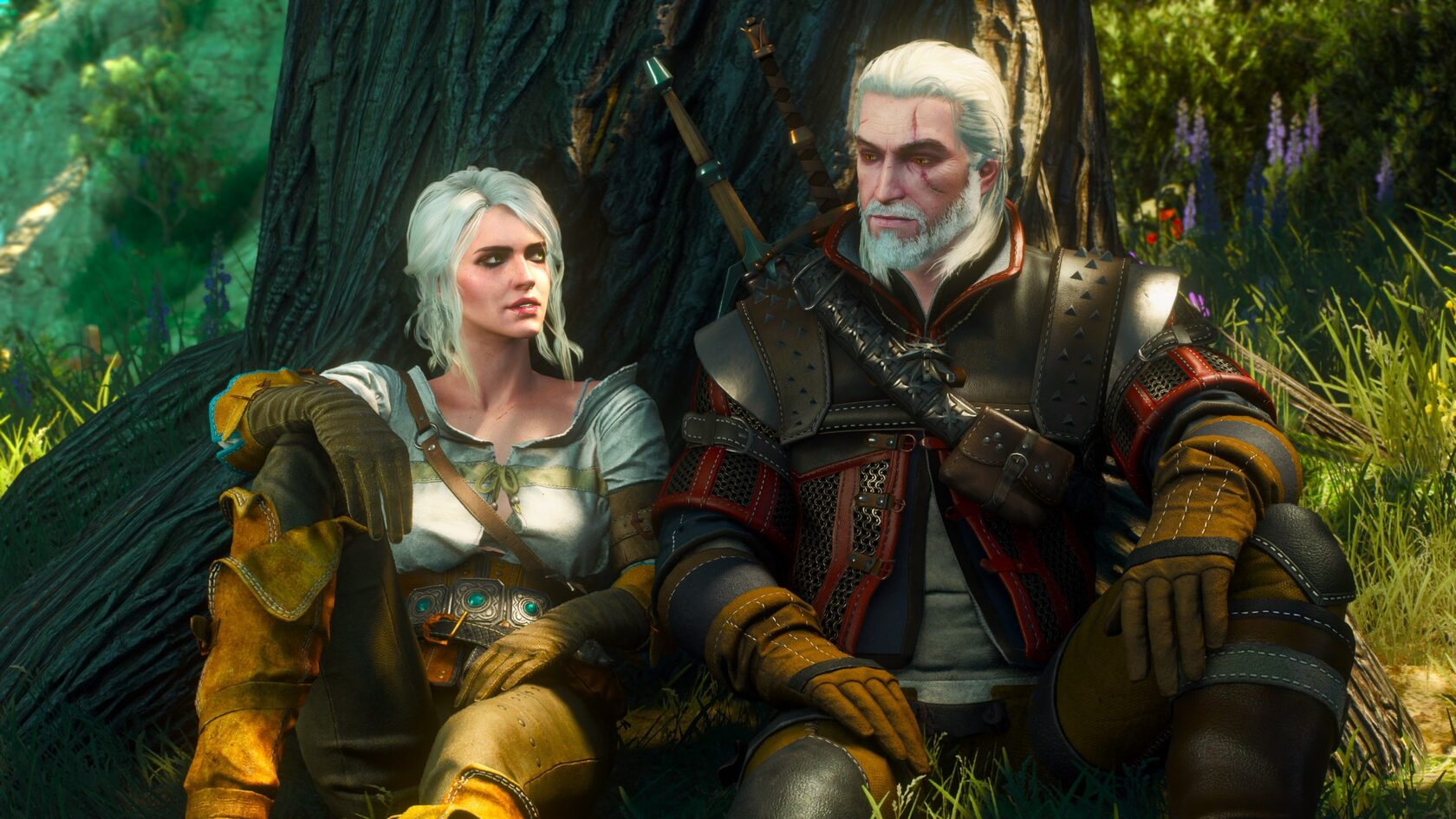
Consider The Witcher 3: Wild Hunt, an excellent example of player agency and narrative complexity. Every decision Geralt makes—from the interaction with an agitated villager to the alliances established within political intrigues—echoes throughout the game world. These choices affect the immediate plot and the world’s characters, and they respond in many different ways. Players feel much more involved because their decisions seem to matter in the yarn that makes up the game’s story.
Reward Systems That Fuel Player Retention Strategies
Reward systems are the unseen forces that keep players engaged, turning their short bouts of playing into long-term commitments. They are based on human psychology, combining the excitement of achievement with the expectation of novelty. However, not all rewards are created equal—designing a system that captivates without frustration is an art.
Rewards can be intrinsic or extrinsic; the most effective systems combine both. Intrinsic rewards enhance the player’s experience of achievement and mastery over the game. For example, overcoming a challenging boss fight in Dark Souls is rewarding. It is not about loot or levels but proving to yourself that you can do it. Extrinsic rewards give concrete incentives, such as the rare skins in Fortnite or the sought-after characters in Genshin Impact. These become exclusive and prestigious, thus making players connect to play for that next unlock.
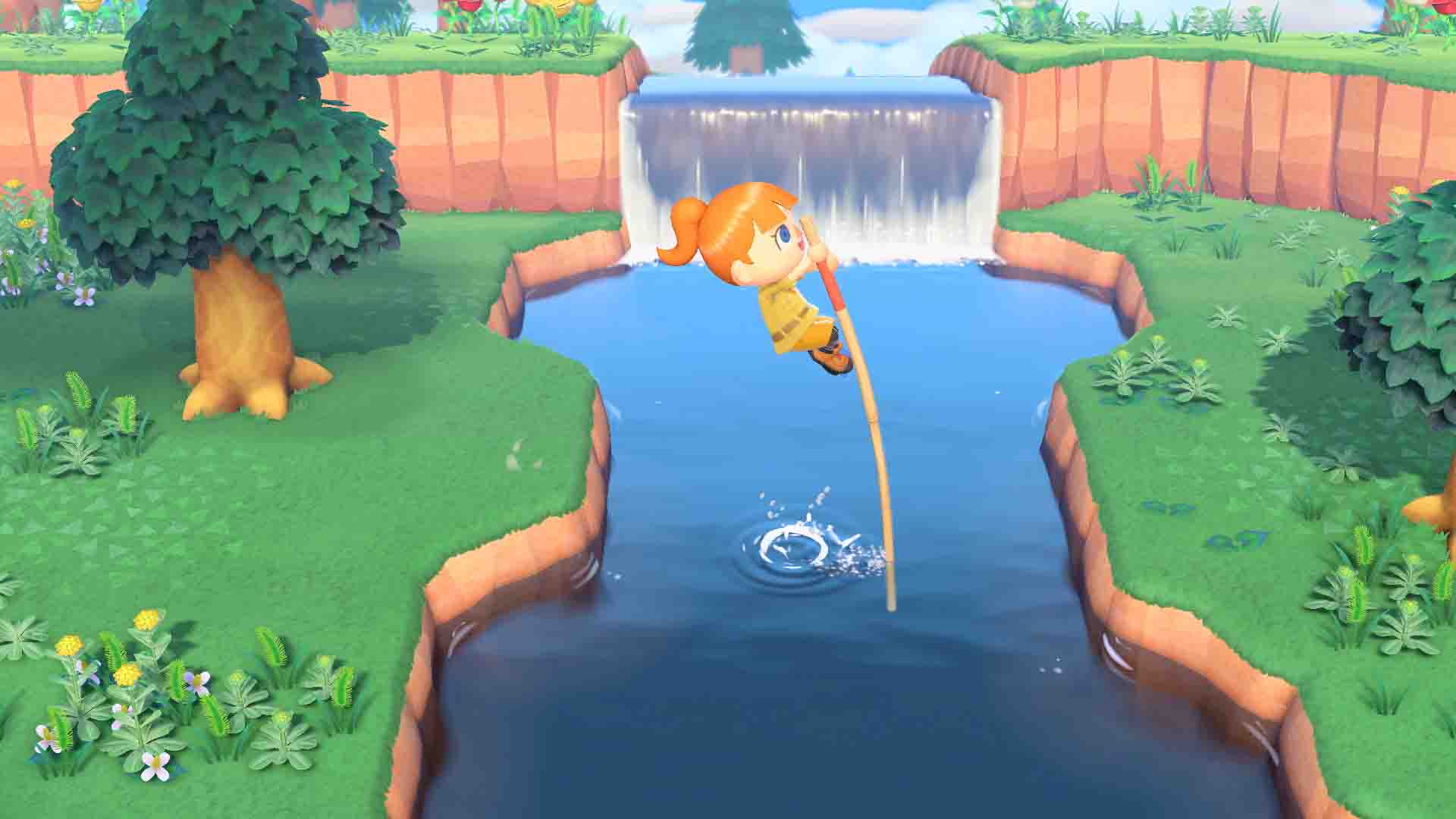
Some games push the reward systems even further and create engaging loops that become a part of the player’s everyday life. Animal Crossing: New Horizons is a great example of this. Its rewards are tied to real-time events, from seasonal festivals to ripening crops. This daily progress creates an unintrusive yet engaging rhythm that makes players return without pressure.
Iterative Design: The Key to Perfecting Your Gameplay
Game development isn’t about getting it perfect the first time; it’s about making something great on a thousand different tries. Iterative design involves testing, refining, and retesting until every mechanic system and detail comes together into a cohesive experience.
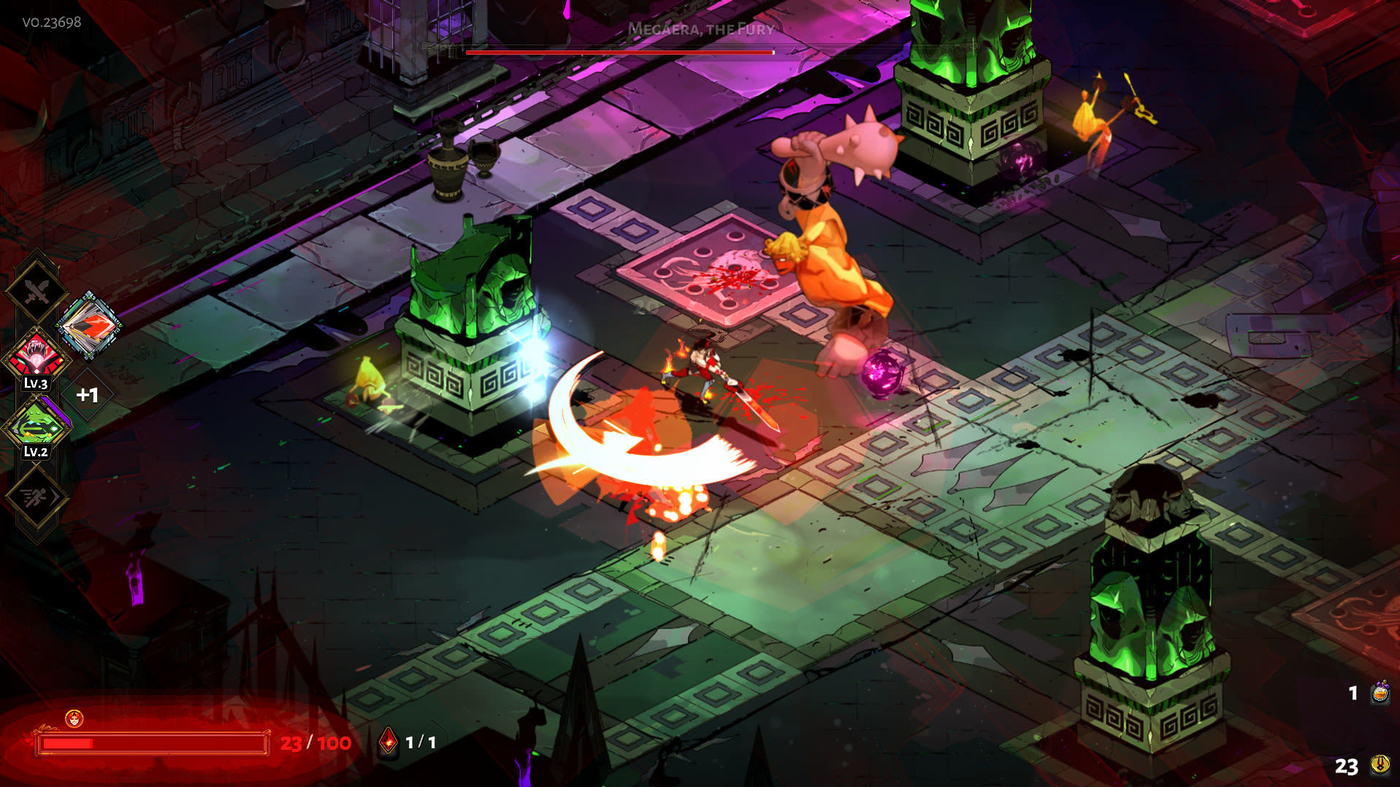
The Supergiant Games didn’t just make the Hades and then hope for the best; they ran it through extensive playtesting and got feedback at every step. Early builds were specifically tested for combat flow, story pacing, and interactions between characters. Each round of feedback identified pain points, blind spots, and opportunities for improvement. The result is a roguelike masterpiece where every dash, dialogue, and decision feels carelessly placed.
To stay in the spotlight, game creators must be aware of the latest elements that draw audiences in and keep them coming back. The following are some significant current trends affecting player motivation and retention.
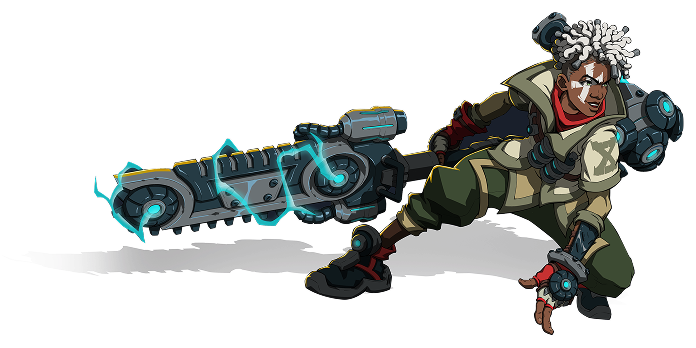
- Live-Service Models. The game is not “done” at launch anymore. There’s always something new added to the content calendar, whether it is a seasonal event or a big update that keeps players engaged for long periods. Apex Legends and Genshin Impact are perfect examples of this phenomenon, with regular events, new characters, and gameplay changes giving players reasons to come back week after week.
- In such an interconnected world, players seek social experiences that can bring people together. Cooperative gameplay, multiplayer options, and even asynchronous interaction, like in Dark Souls, enable players to share their journeys. Whether teaming up for a raid in Destiny 2 or constructing a virtual township with friends in Animal Crossing: New Horizons, social gameplay creates emotional connection in games through a sense of belonging.
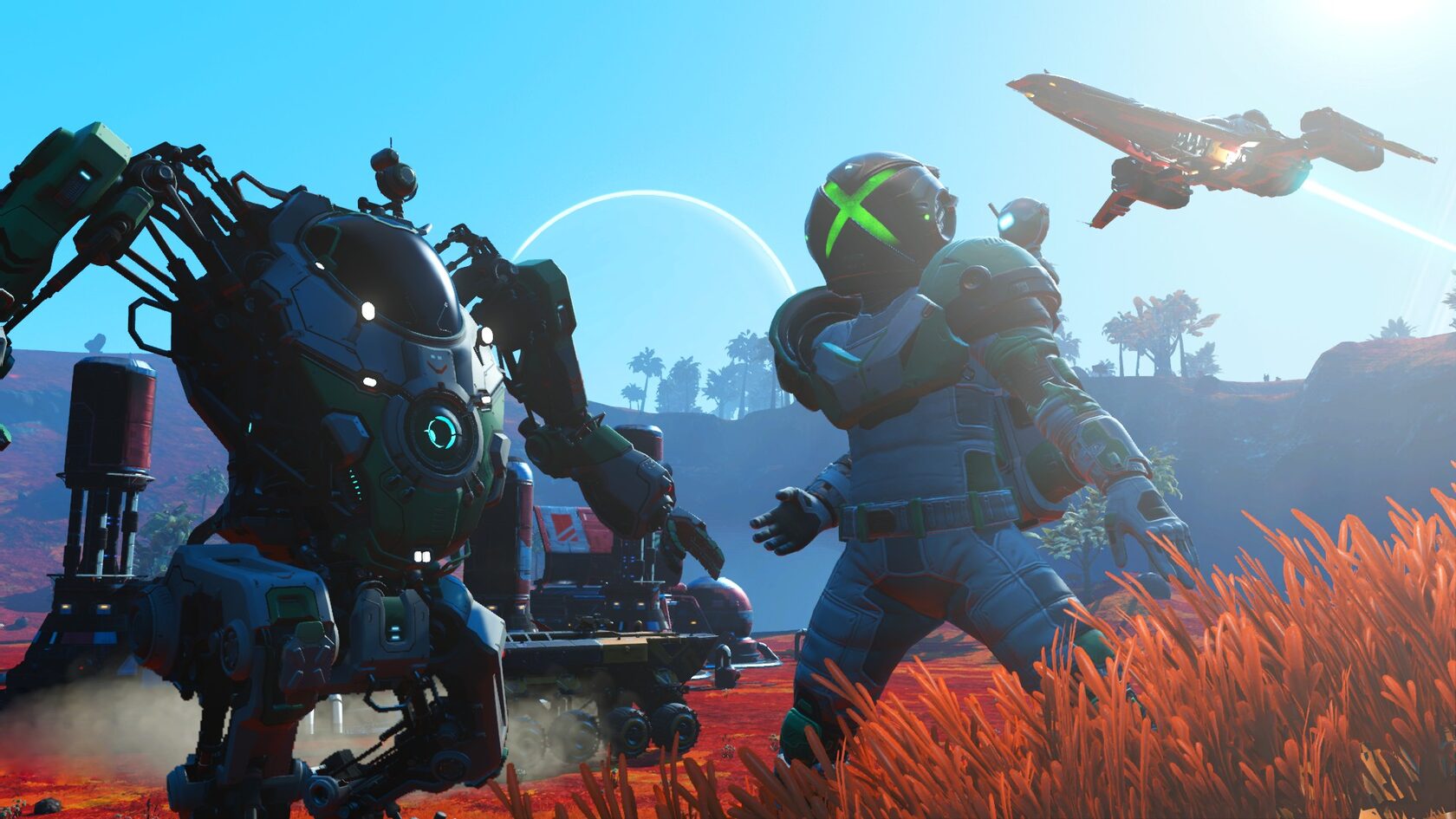
- AI in Games. AI is revolutionizing how games are designed and experienced. Procedural generation, as seen in No Man’s Sky, creates vast, ever-changing worlds for players to explore. Meanwhile, adaptive difficulty systems have also been developed that adjust challenges in real-time, keeping players within that sweet spot of engagement. Besides, dynamic NPCs that respond to player actions in Red Dead Redemption 2 make the game world seem alive and immersive by acting realistically.