What Is Concept Art and How Does It Shape Creative Projects
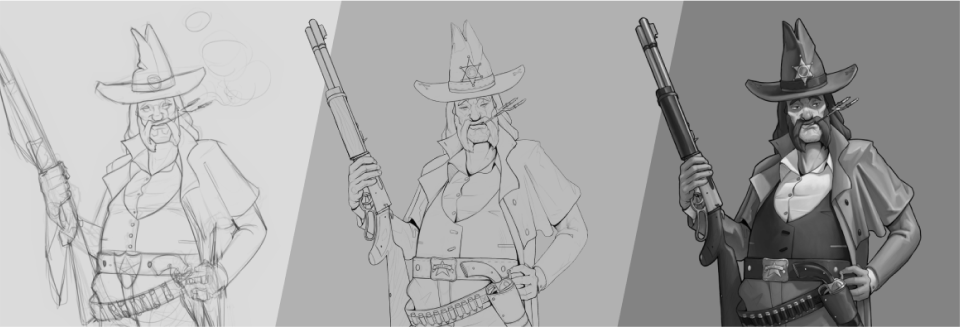
Concept art isn’t about perfection—it’s about vision. Unlike other forms of visual art, its role isn’t to dazzle but to define. It’s the first glimpse into a world that doesn’t exist yet, capturing ideas before they take shape. Every day, countless sketches, mood boards, and rough mockups are produced, not to be final, but to guide. These early visuals might lack polish, but that’s exactly the point. They serve as blueprints for 3D artists, environment designers, and animators who bring the ideas to life. Concept art is the heartbeat of visual storytelling—an essential part of any creative journey.
Where is concept art used?
Before a single pixel is rendered or a world comes to life, it begins with a spark—captured through concept art. In video game development, every visual element starts as an idea: a fleeting mood, a sentence, a shape in the imagination. Concept artists take these early impressions and turn them into vivid blueprints that guide entire productions, setting the tone for how players will experience the world.
Though concept art shapes animation, film, VFX, and advertising alike, its role in games runs even deeper. It doesn’t just influence aesthetics—it steers gameplay, narrative flow, level architecture, and pacing. A strong visual foundation can unify departments, sharpen creative decisions, and bring clarity to complex production pipelines.
In games, previsualization is where worldbuilding truly takes root. Cities, dungeons, landscapes, and lighting are sketched and refined to test their emotional impact long before 3D artists start modeling. It’s a way to answer key questions early: Does this open world feel alive? Does this corridor evoke tension? In this stage, concept art becomes a critical tool for shaping not just visuals, but emotions and interactions.
The same logic applies to what is character concept art. A simple silhouette can determine if a hero moves with the right energy, stands out in the environment, or supports the story’s emotional arc. Artists consider every detail—movement, role, personality—ensuring that characters are born not just to be seen, but to be played.
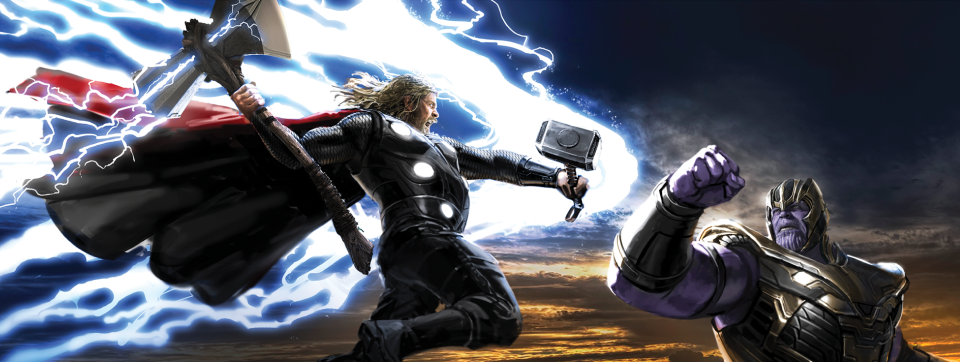
Avengers Endgame concept art by Ryan Meinerding
Concept artists step into the process early, helping to shape the foundation of a project before production kicks into full gear. Their ability to problem-solve visually, quickly, and at scale is critical for maintaining momentum. The sooner a team can align on a creative direction, the more smoothly development unfolds across every department.
Often, it’s a matter of pure exploration. Sketch it. Stress it. Scrap it. Try again. Concept art makes experimentation fast and low-risk, offering a far more efficient way to validate ideas than building full prototypes or animating scenes that may never make the final cut.
How Do Concept Artists Work?
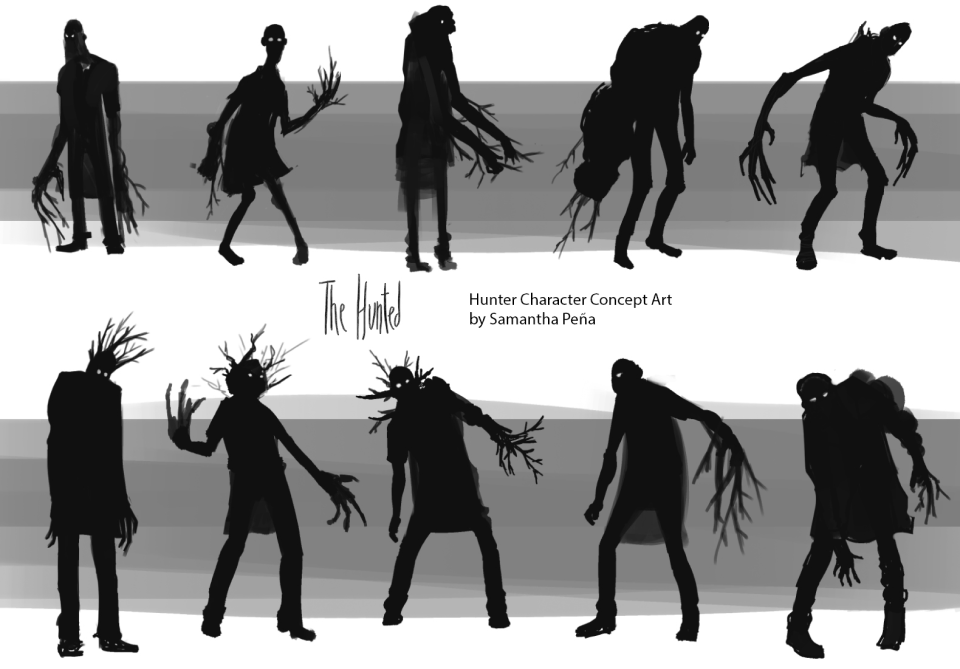
Monster silhouettes by Samantha Peña
Concept art design drives ideas forward with purpose and clarity. In game development, concepts act as working tools that shape the production pipeline. The process begins with structure and shape language. Before diving into finer details, artists focus on building strong, readable silhouettes. Characters must be recognizable at a glance, and their shapes should suggest their role, movement style, and attitude.
Take monster design, for example. Artists start with fast black-and-white thumbnails—quick experiments in form, posture, and proportions. Once a promising silhouette stands out, they block in major volumes, dividing the body into key areas like torso, limbs, and gear. They make early decisions about what demands attention and what can stay understated. A massive, armored frame might emphasize brute strength, while an exposed, flexible body could hint at agility and speed.
As the design sharpens, artists explore costume layers, gear functionality, and visual storytelling details. A jacket might signal survival instincts or ceremonial importance. Boots might look like military issue or scavenged parts stitched together. Each detail strengthens the connection between design, worldbuilding, and gameplay function.
Next comes material definition and surface detailing. Artists work out how metal reflects light, how leather bends and wears, and how bone fractures. They add seams, scratches, fasteners, and wear patterns that help 3D artists recreate the design with authenticity. Annotations for texture, scale, and movement references often accompany the concept to streamline the transition into production.
Color serves a tactical role within this process. Some studios establish color palettes early, especially for IPs where palette defines brand recognition and gameplay readability. Others introduce color later, once forms and structures are finalized. Whether early or late, color choices support emotional tone, gameplay clarity, and visual cohesion across the project.
Throughout development, artists build and maintain reference libraries—photo studies, material scans, real-world textures. These references ensure that teams stay aligned on tone, style, and authenticity across all assets and environments.
So, what is the purpose of concept art in a game pipeline? It defines style, supports gameplay, guides production, and accelerates creative decision-making. Video game concept art moves projects forward through exploration, refinement, and collaboration, helping build coherent worlds one step at a time.
Let’s Talk Concept Art—With Real Examples
Concept artists interpret. Working from briefs and loose ideas, they read between the lines to create art concepts that shape the look, movement, and feel of an entire game world. To stay sharp and effective, most specialize in one domain—character, environment, or asset design. That focus allows them to solve visual problems with precision and speed across complex production pipelines.