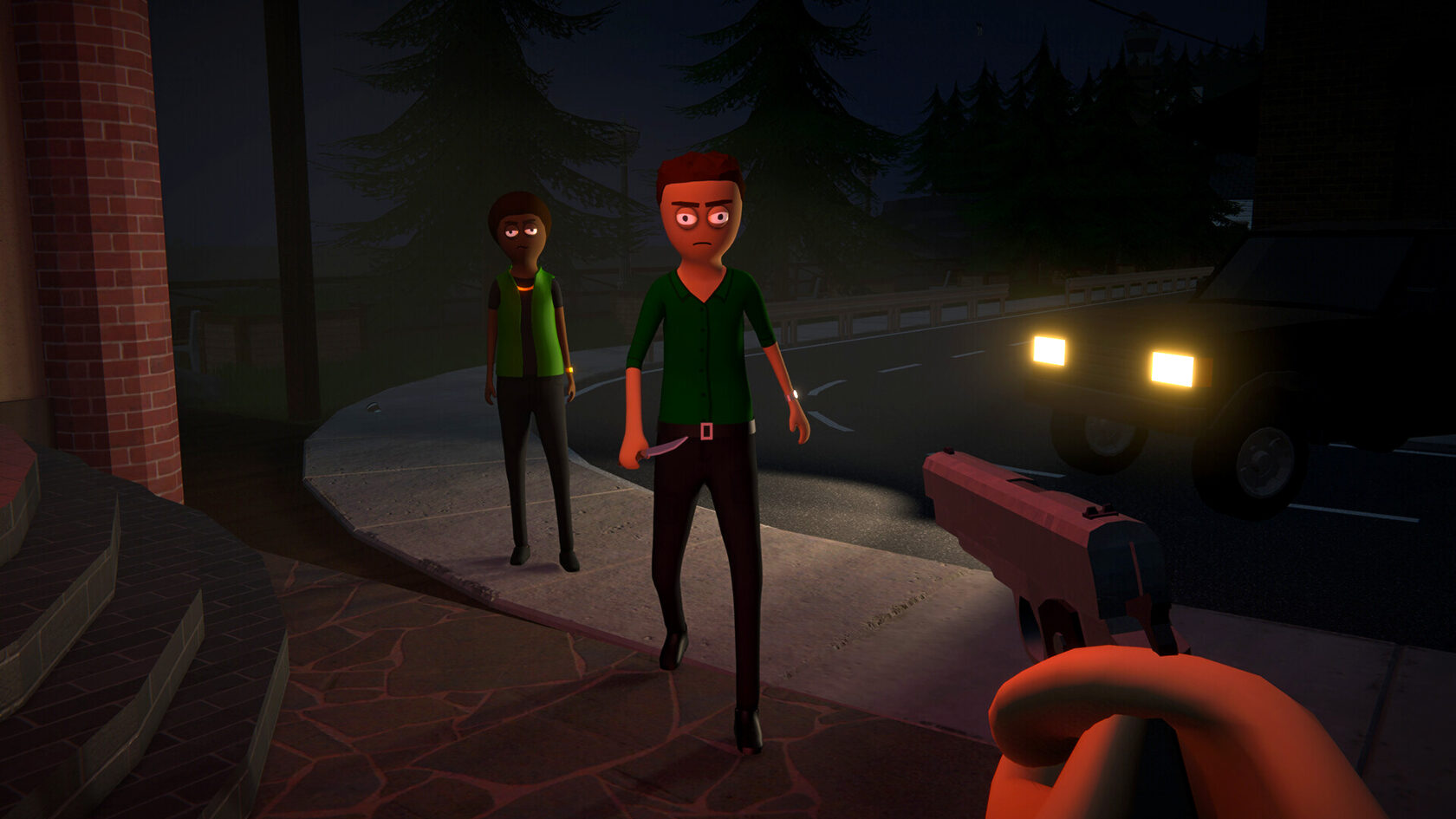
Schedule 1 PC game is an early-access title that turns the fantasy of running a criminal empire into deceptively relaxed management. Based in a small, city-sized sandbox where players grow, cook, and distribute their products, it’s an odd combination of simulation and freedom. Schedule 1’s distinction from other open-world games lies in a balance between crime-triggered mechanics and an introspective routine: players skate around town, run operations, and discreetly expand territory without the usual chaos of the genre.
Quick Facts
- Title: Schedule 1
- Genre: Open-world simulation/management
- Developer: TVGS (solo developer)
- Publisher: Independent
- Release Date: March 25, 2025 (Early Access)
- Planned Full Release: 2027
- Platform: PC (Steam, Steam Deck support planned)
- Mode: Single-player and 4-player co-op
What Is a Schedule 1 Game?
Schedule 1 places the player in control of an underdog entrepreneur maneuvering through multiple layers of the economy in Hyland Point. In this decaying urban sandbox, each transaction and upgrade drives the city’s pulse. The experience reads like a procedurally generated simulation that responds to recent logics of contemporary video game development, mixing narrative growth with resource management and territorial control.
Built around a missions game Schedule 1, the design emphasizes fluid progression through expanding networks and evolving city dynamics. And each milestone has its own impact on the ecosystem, bringing new pressures and opportunities for action. Instead of distinguishing between management and immersion, Schedule 1 blends them into a single loop, one in which each fudged gamble, coded system, or procedural aftermath works to deepen the illusion of a world that writhes and squirms.
Gameplay Schedule 1
Underneath all those layers, Schedule 1 reveals itself as a big open-world simulator that makes a particular type of everyday repetition its main design principle. The player will begin in a humble motel room in dimly lit Hyland Point and must quietly climb toward absolute control and influence. What initially feels intimate and grounded gradually expands into a wide, interconnected economy that rewards attention to detail and patience over spectacle. The world itself functions as a slow, methodical machine, utterly satisfying to master and deceptively predictable.
Key Features Of The Game
Internal Economy, Upgrades, and Growth Bottlenecks
The economy in Schedule 1 functions as a living network that mirrors small-scale production cycles. Prices shift with product quality and customer loyalty, while expansion depends on balancing efficiency and reputation. Early upgrades, like basic grow tents or starter laundering businesses, create a sense of tangible progress.
Risk and Reward System
From both ends, Hyland Point is held under pressure. Police stop-and-search points that can throw a game’s hard-earned progress in the bin, particularly when inventory is tight. A wise player knows to keep only what’s necessary and stow the rest in safehouses or vehicles. As systems evolve, the threat of exposure turns from chaos into pressure: a muted alert that this next good-for-nothing delivery might cost you everything. This tension between control and exposure shapes the rhythm of the entire gaming experience.
The World and Its Exploration
Hyland Point feels grounded and absurd at the same time. The player moves between districts and watches a city that runs on habit. Each area offers a distinct tone: Uptown hides wealth behind closed doors, while Downtown crowds its alleys with opportunity. Exploration happens through routine rather than adventure; buying dirt at Dan’s Hardware and changing cash at the Laundromat start to feel like part of the city’s slow pulse. It’s a small but glassy setting, a subdued labyrinth of errands, storefronts, and shortcuts.
Interaction with NPCs
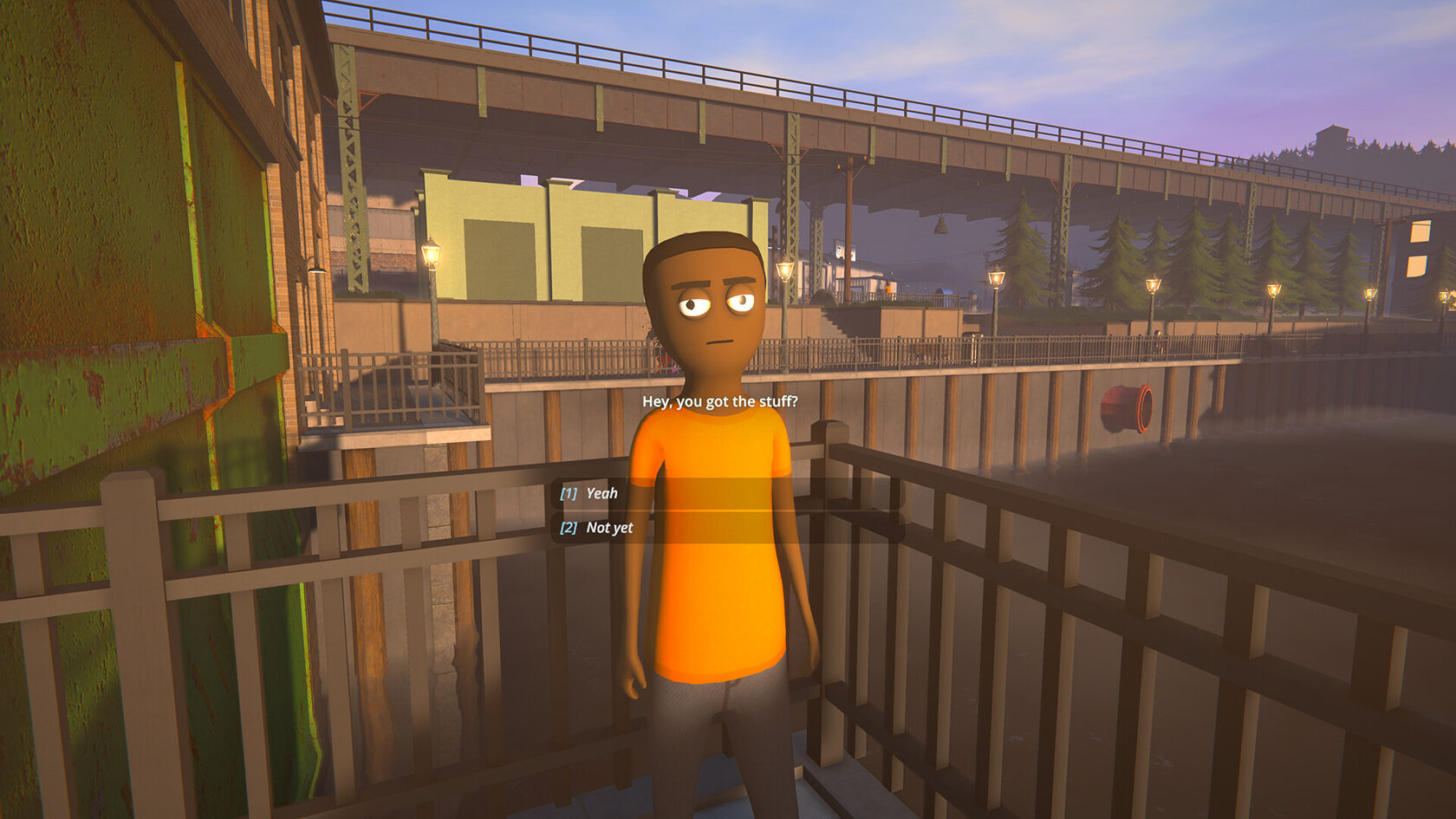
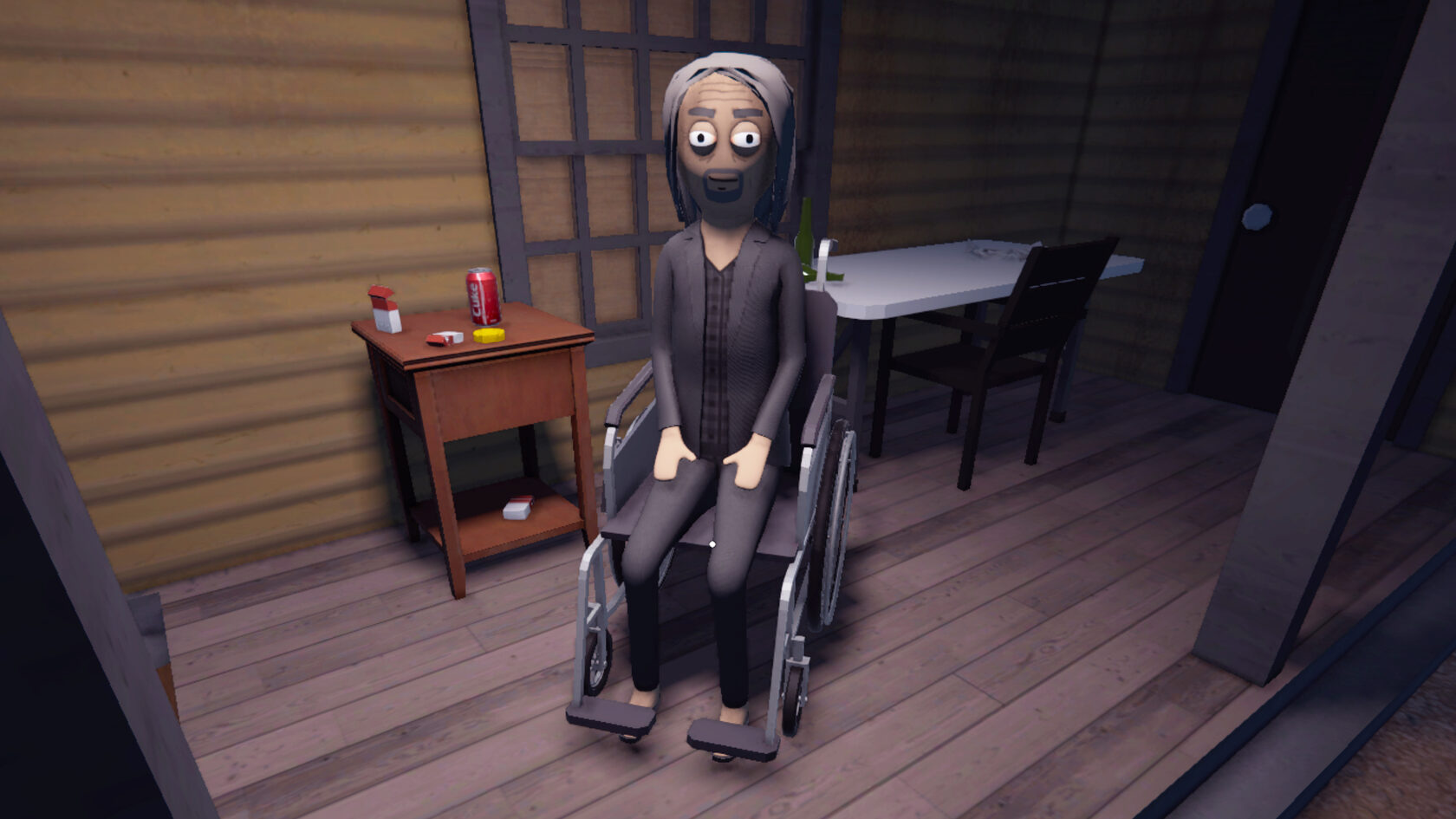
The social layer is composed of dealers, customers, and suppliers who respond to the consistency of supply and the quality of the produce. Schedule 1 NPC, like Benji or Molly, serves as an extension of the player’s growing network. They turn isolated hustles into citywide operations. Customers remember their favorite effects and reward reliability and experimentation. Conversations stay functional, yet they reveal bits of humor (largely discussed on game forums) and human imperfection that give the world warmth. These relationships with Schedule 1 characters help the simulation feel personal despite its routine.
Camera View and Core Mechanics
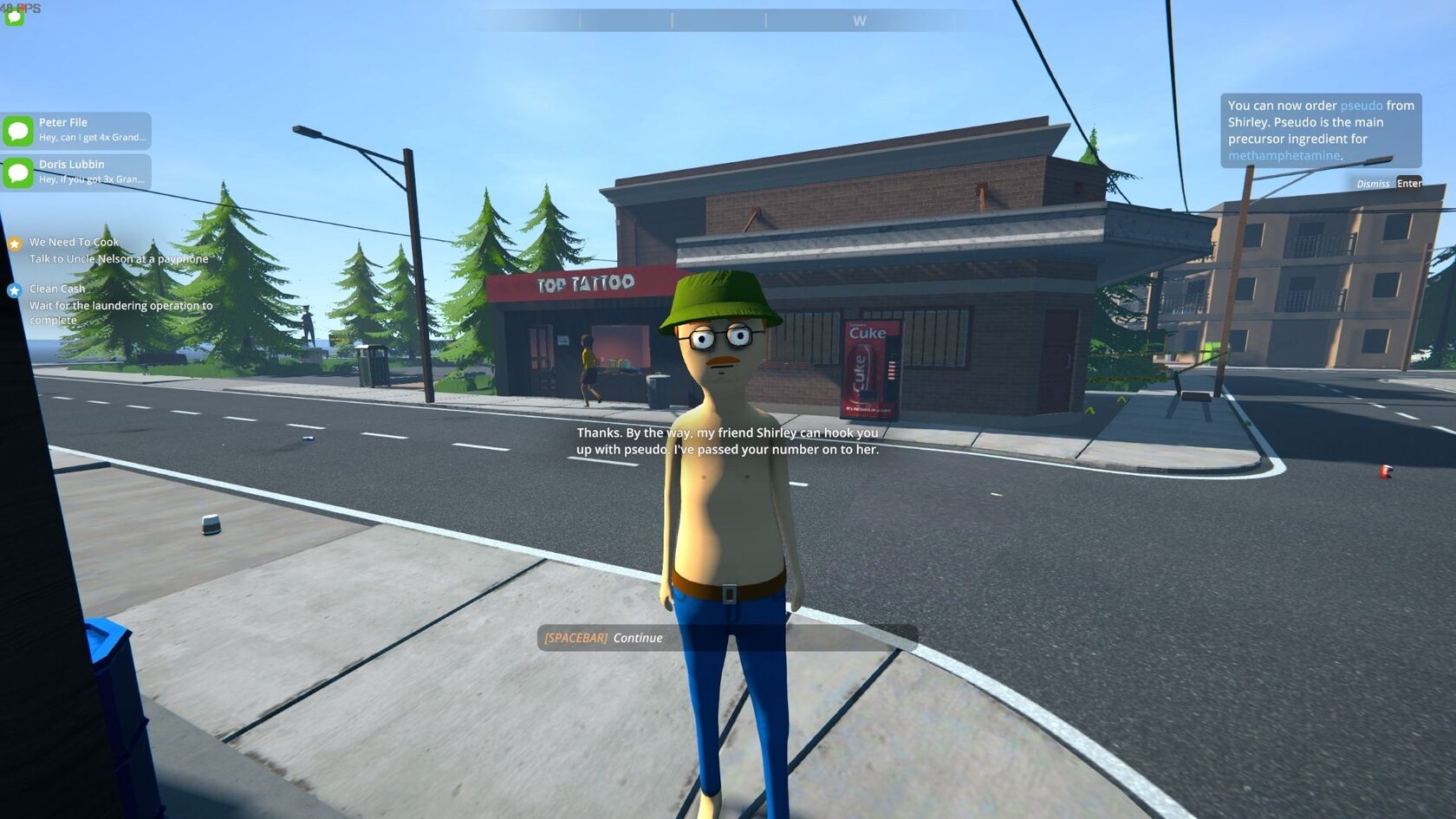
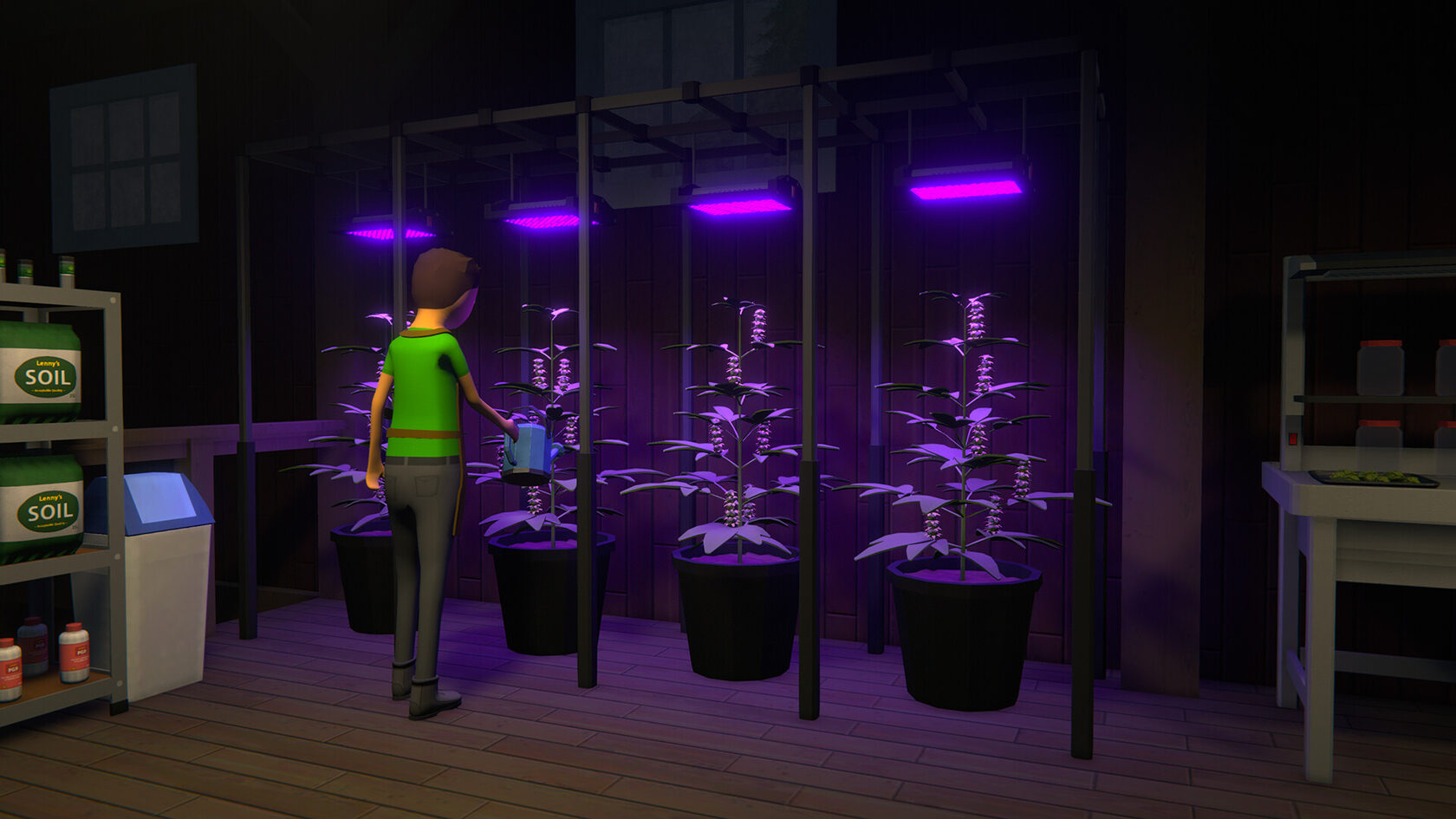
Schedule 1’s first-person camera is deployed to ground each and every one of its mechanics in movement. Tasks such as watering, trimming, and packaging turn into short interactive sequences. The player’s hands are their means of making progress: each small action feeds a bigger production cycle. Progressing through Hyland Point never feels abstract; each delivery or improvement, each additional property, is encountered on foot, further cementing a direct relationship between labor and growth.
Inventory and Resource Management
Inventory operates as a mechanic and a source of tension. Carrying capacity is a constraint that requires thought: what to carry, where to store excess product, and when to clean up waste. By that reckoning, even the production waste can be carted off and sold for a small profit. This notion contributes to a faintly comic sense of responsibility in a society structured entirely around crime.
Properties are not only storage but also a safety net, but each trip back to store goods eats into the player’s time, which is already scarce. The race between safety and productivity dictates the pace, ensuring that there is always some risk involved in making progress.
UX and Onboarding
Schedule 1 arrives in a hurry and with a gentle incline that surprises. Opening with minimal direction, Uncle Nelson hands the player a negligible balance and one instruction: create something sustainable in Hyland Point. The game, consequently, resumes instruction through gesture, and before the player is presented with any opportunity to chat, it is their worldview companions who foster the notion.
The game is first-person and self-explanatory. Players learn how to play by interacting—the game’s composition, annexing soil, growing tents, and unwrapping options in-world, not menu systems. Each modest movement combines animation, game physics, and feedback into an intuitive, familiar loop.
Community And Cooperative Mode
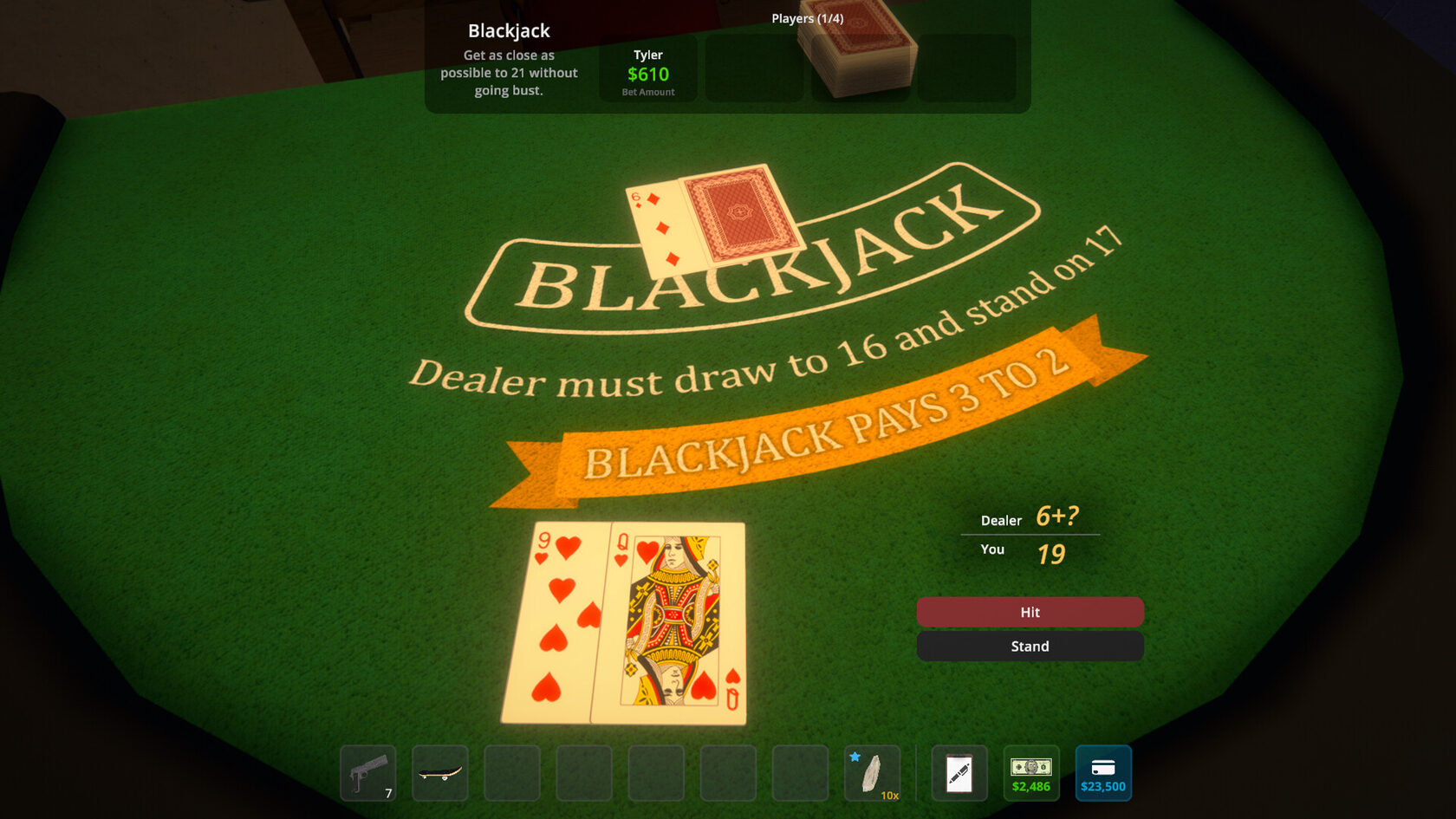
Unfortunately, there’s no Schedule 1 cross-platform, not now, not in the near future. However, they present something else. With the co-op multiplayer update, Schedule 1 can become a partnership. While both players run concurrent empires inside the same city, up to four people can divide tasks across growing, distribution, and management. After syncing up with the ongoing save progression, players build the empire while balancing tasks, and gameplay constructs develop into a new rhythm. The audiovisual grind of single-player is replaced by the energetic back-and-forth exchange of co-op multiplayer.
Developer's Conclusion
Schedule 1 is an atypical yet practical example of loop design and how it retains players’ interest. Its greatest accomplishment is transforming mundane repetition into engagement. What’s more, each task contributes to a cycle that rewards consistency over chaos. From a game-design perspective, this is loop-building done well: actions that start as simple interactions turn into a nested economy in which your progress will feel mechanical and personal.
Another clever design decision is the game’s risk management system. But where some games would lean on punishment or difficulty spikes, Schedule 1 exerts soft pressure to keep tension high without disrupting flow. The anticipation of risk is incorporated into the system rather than merely inserted into it
FAQ
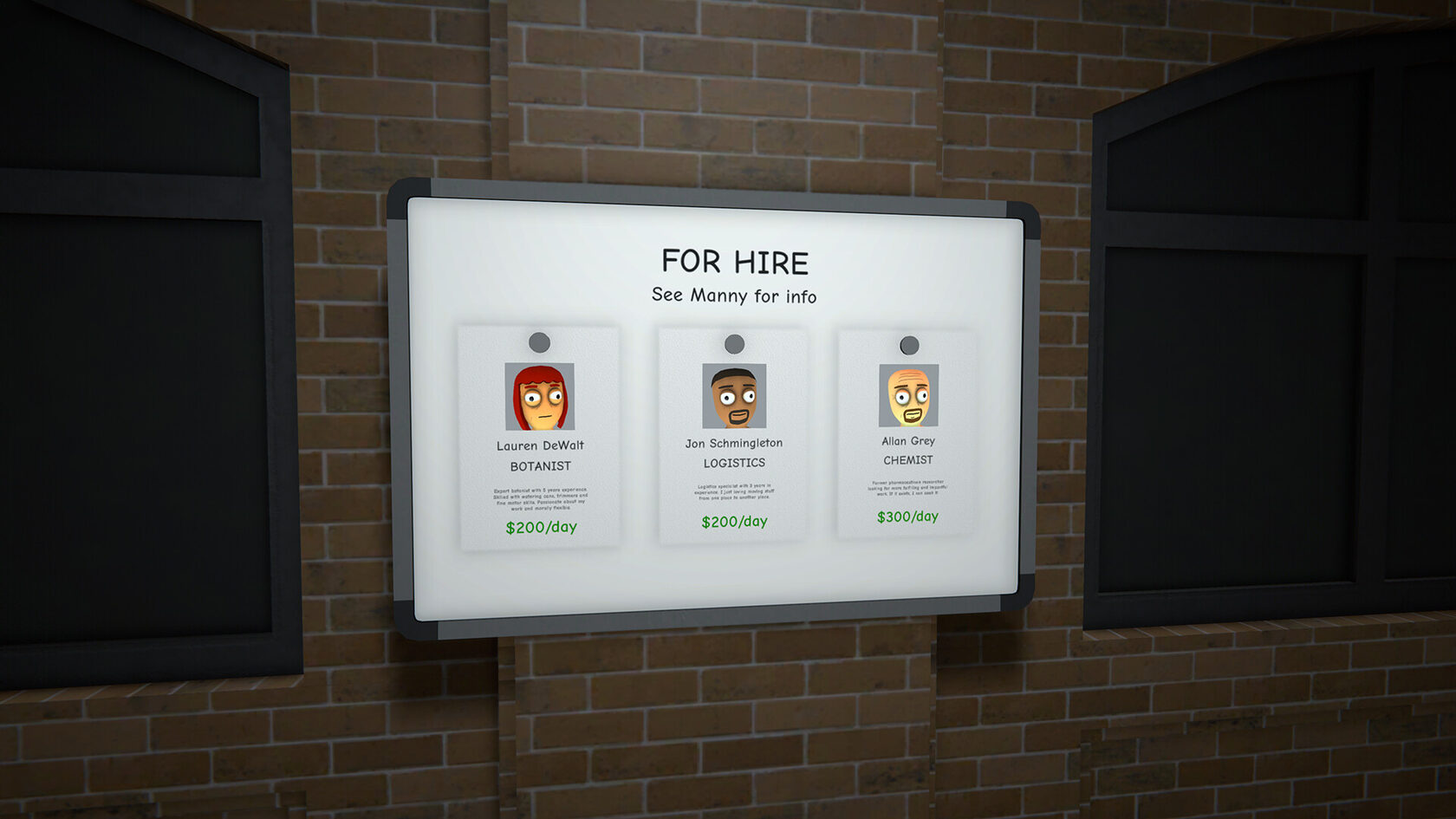
It’s currently in Early Access on Steam (released March 24, 2025). The developers (TVGS – mostly one guy, Tyler!) plan for it to be in EA for about 2 years. The current version has a rich open world, several drugs, properties, businesses, and employees. They’re adding more map locations, more drugs, more network stuff, and more late-game content later.
Skateboarding is key to speed. Focus on growing/producing a reliable mid-tier product (weed is usually easiest to start) and hitting up the customers that text you. Don’t be afraid to counter-offer in negotiations. Hiring an early dealer to handle distribution can free you up to focus on manufacturing. Also, you can smash ATMs and Vending Machines with a baseball bat for easy, if risky, starting cash.
You’ve probably hit the current progression wall before the missing back half of the campaign/main cartel storyline. Now is a good time to:
- Optimize automation (fully automated production/distribution chains).
- Experiment with all the drug mixing/special recipes (the goofy ones are hilarious).
- Try the co-op multiplayer.
- Explore the entire map for hidden areas/secrets.
- Check out the modding community for QoL/new content.