Sometimes we all want a break from the noise. Sometimes, a fast shooter is enough to shake off frustration. And sometimes we want something different: to step into experiences completely unfamiliar to us and see how they reshape our perspective. That’s when narrative-driven games take over, pulling the player toward worlds shaped through detail and intention.
The power of these stories comes from how closely they tie the player to the moment. Rather than let things take the lead and let them move on their own, the player sets the pace and takes in the world one deliberate choice at a time. This closeness in narrative-driven games creates a texture of engagement that film and television cannot replicate, because the emotional weight builds through participation.
Key Takeaways
- If you want psychological tension and layered narratives, Alan Wake 2, Death Stranding, Immortality, and Slay the Princess deliver intense, introspective experiences.
- If you’re in the mood for rich worldbuilding and character-driven arcs, Clair Obscur: Expedition 33, Ghost of Tsushima, and Red Dead Redemption 2 offer deep, cinematic journeys.
- If you prefer intimate, emotional stories, What Remains of Edith Finch, Firewatch, and Spiritfarer provide warm, reflective, and memorable single-session experiences.
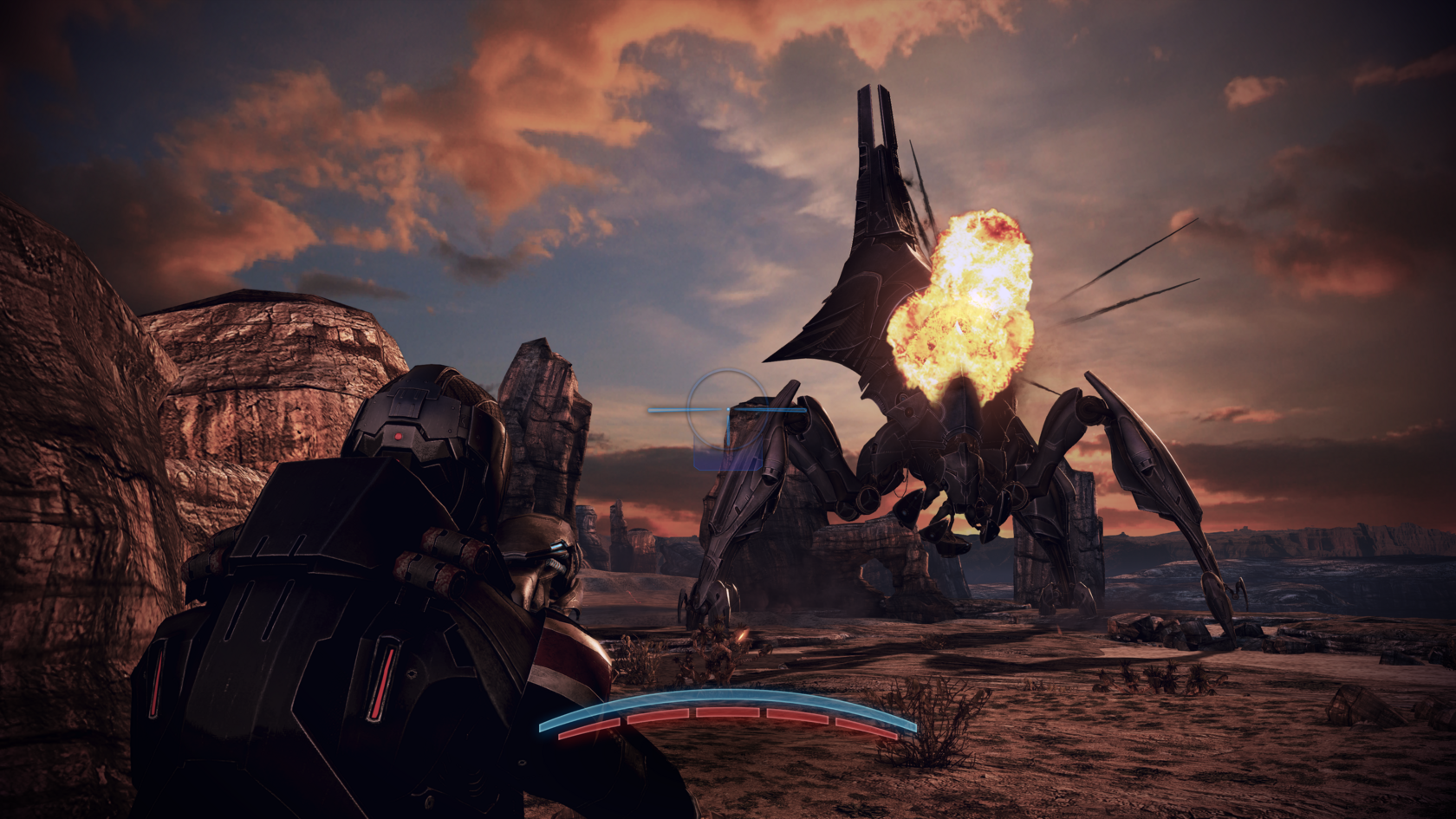
- We skipped universal classics like The Last of Us and Mass Effect to keep the list fresh and varied.
- And if you aim to create a story-driven game of your own but need a professional team, Argentics can help bring that vision to life.
What Makes a Story-Driven Game Truly Great
Choosing the right story-based games for this list requires looking at how well each title holds the player inside its narrative frame. Great story-driven design focuses on worldbuilding that feels inhabited and systems that keep player retention high because the plot refuses to loosen its grip.
The best narrative-focused titles use geography, architecture, soundscapes, and micro-details to communicate history long before a character speaks. Whether drawn from expansive game genres like narrative RPGs or built around tighter single-player structures, these environments carry enough weight to support long arcs players return to later.
Character work pushes the experience even further. Great video games with the best stories write their casts with motivations and vulnerabilities that shape decisions and conflicts that echo through later scenes. Emotional impact comes from accumulations, the gradual shaping of the player’s understanding.
Top 10 Best Story Mode Games
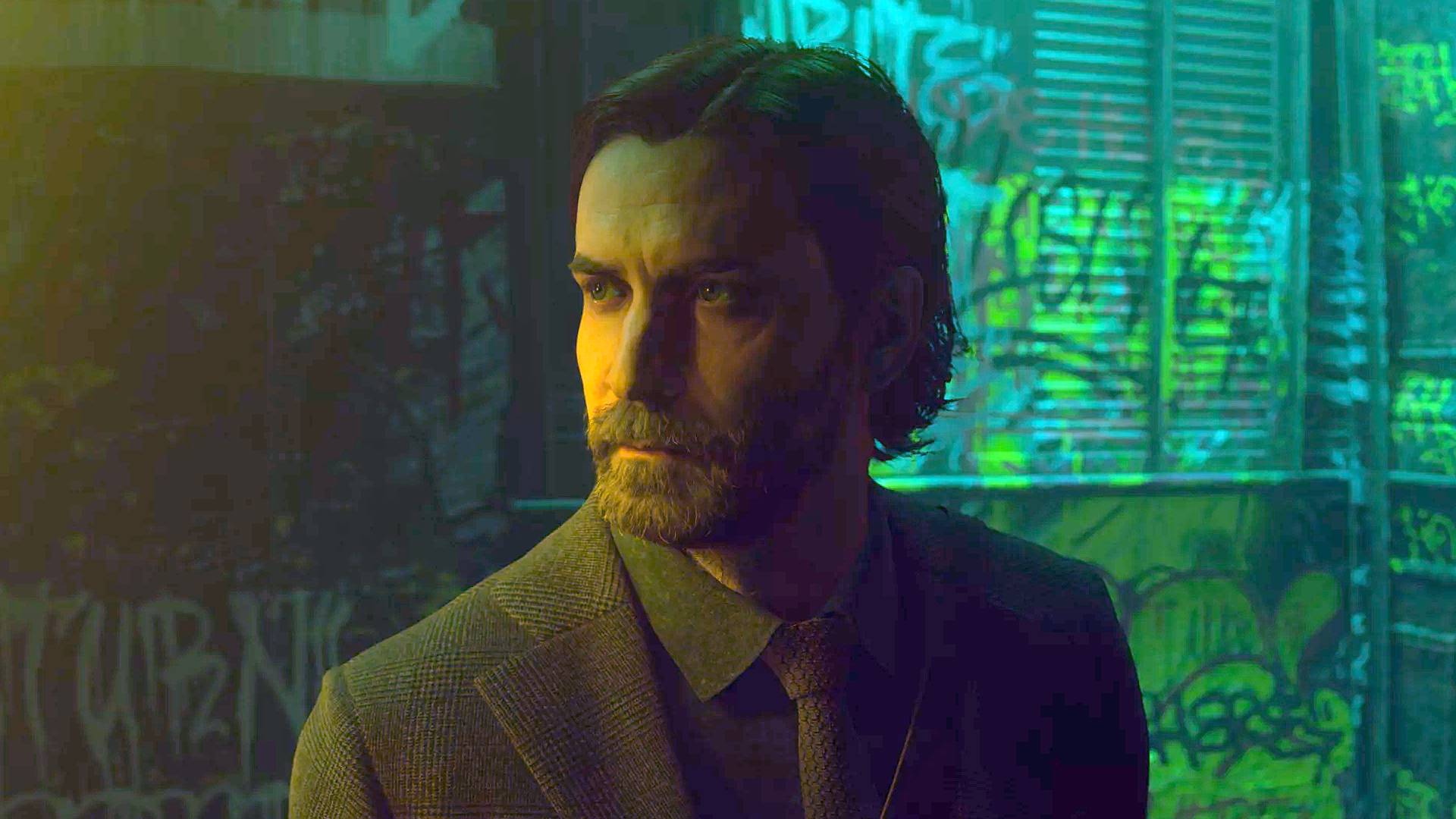
Alan Wake 2
Alan Wake II splits its story into two narrative frameworks that function on utterly differing energies. Saga Anderson’s investigation in Bright Falls begins with grounded procedural work: quiet interviews, environmental clues, and a steady build toward the inevitable collapse of normality. The pacing is deliberate, almost clinical.
Alan’s path in the Dark Place pushes hard in the opposite direction. His campaign views narrative construction as a skill the player can manipulate hands-on. It’s metafiction with practical weight: pitched for players who like psychological stories built on worldbuilding and narrative logic folding in on each other in the same frame of thought.
Clair Obscur: Expedition 33
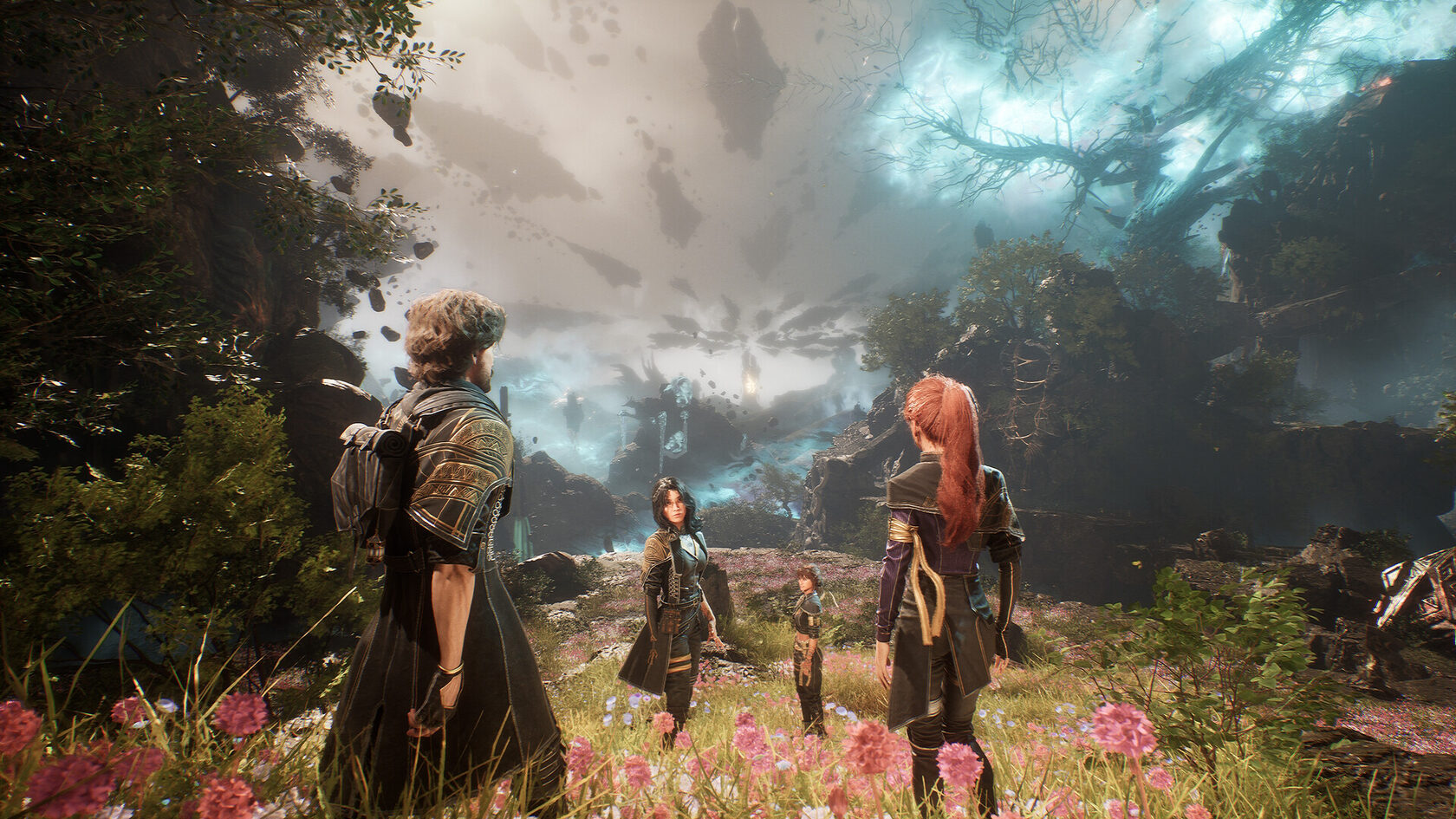
Clair Obscur: Expedition 33 approaches dark fantasy with a painterly precision, setting its story in a Belle Époque world where beauty and dread share the same palette. The annual Gommage (a ritual erasure that claims anyone who reaches the number painted on the Monolith) shapes the emotional stakes long before the party steps beyond the island of Lumière.
Their dynamic gives the narrative much of its texture. Gustave, Maelle, Lune, and Sciel approach their mission with different forms of resolve. The story uses those contrasts to build tension within the group. Encounters with figures like Renoir and Verso pull the narrative into heavier thematic territory about mortality and the cost of defying a system that has shaped generations.
Death Stranding
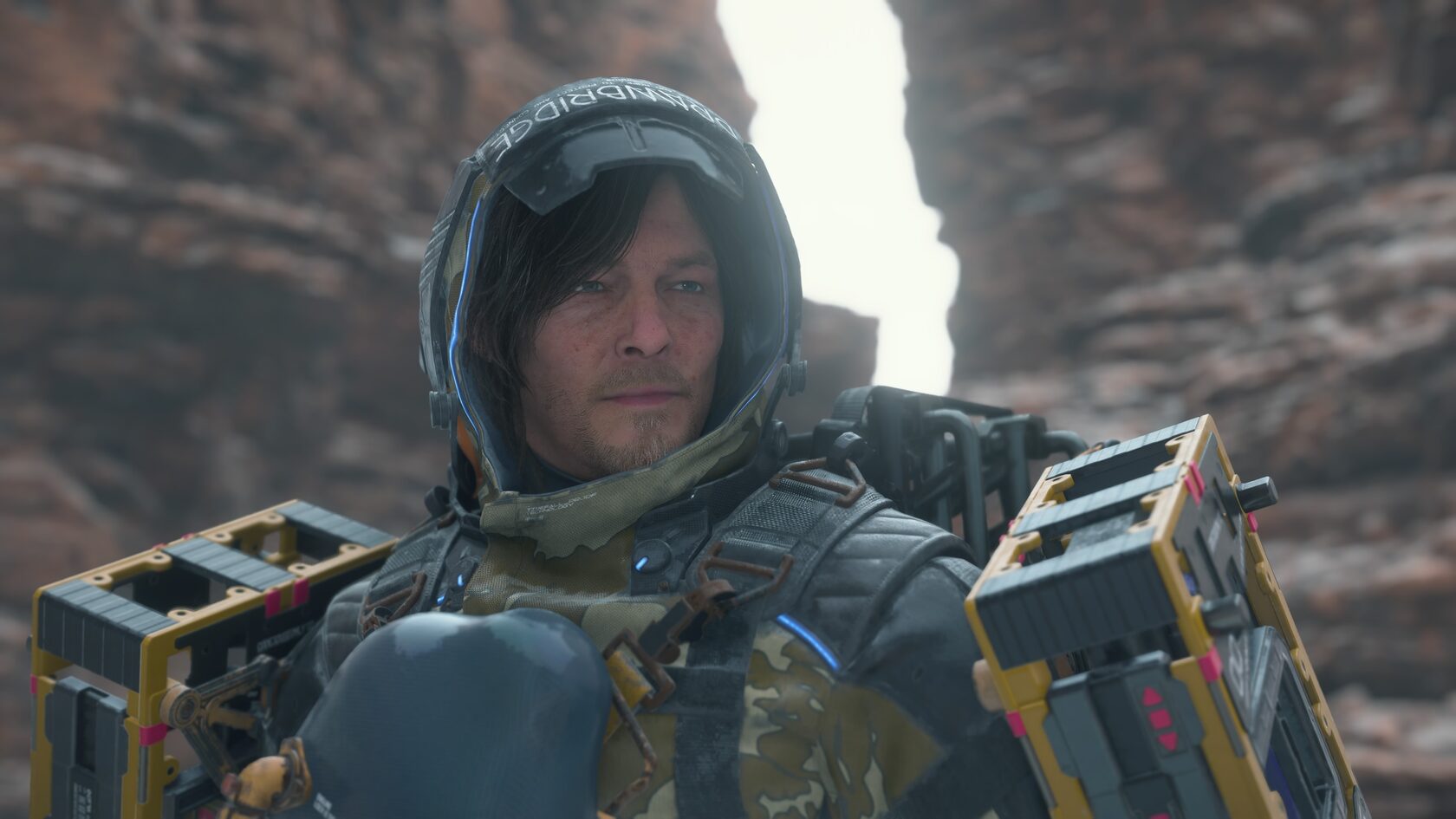
Death Stranding is a story about crossing distance (both physical and ideological, as well as emotional), and Kojima Productions makes that distance front and center. Sam Porter Bridges moves through a world reconfigured by the Death Stranding event, in which Timefall ages anything it touches. BTs drift through storms like half-formed memories. The last remnants of civilization have retreated underground into isolated cities.
Ghost of Tsushima
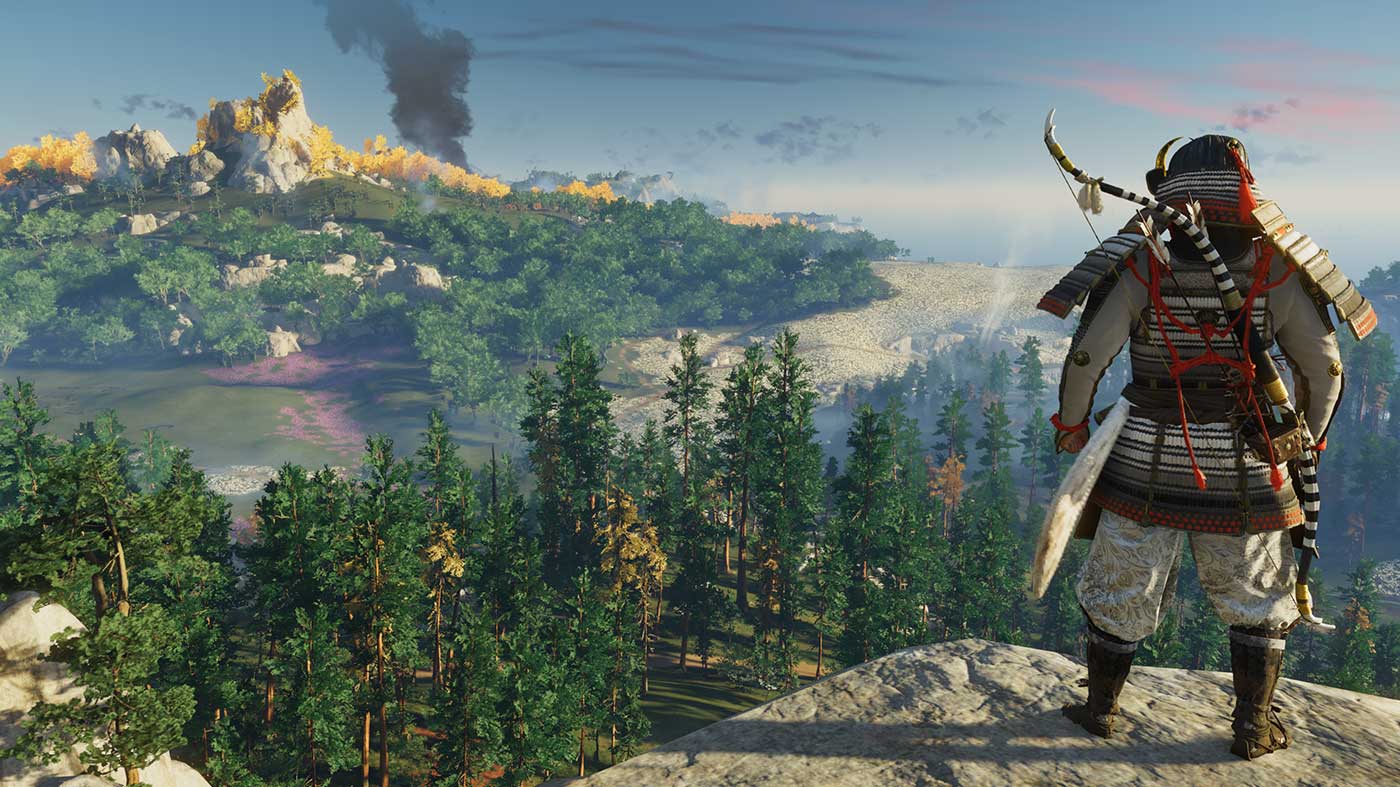
Ghost of Tsushima frames its narrative around a single question: how far can a samurai bend before the code breaks? The Mongol invasion at Komoda Beach sets the emotional and political stakes immediately. A disciplined army gets crushed in minutes, with the lord being captured. Jin Sakai was left to rebuild a resistance from the ashes. The plot keeps its focus on the cost of liberation. For players drawn to good story games that let character identity shift under pressure, this structure gives the narrative its staying power.
The world itself reinforces that arc. Tsushima Island is rendered with painterly composition. Such a visual approach places it firmly among unique video game art styles shaped by both historical reference and cinematic influence. The nods to classic samurai cinema are intentional: wind-driven framing, duel staging, and a “Kurosawa mode” that treats contrast as storytelling.
What Remains of Edith Finch
What Remains of Edith Finch stands as one of the most compelling examples of magical realism in story mode games. Developers used the Finch family home as both a physical space and a narrative device. The structure is simple on the surface. Edith wanders through a sealed-off, maze-like house, discovering the preserved rooms of her relatives. However, each discovery shifts the storytelling logic.
Immortality
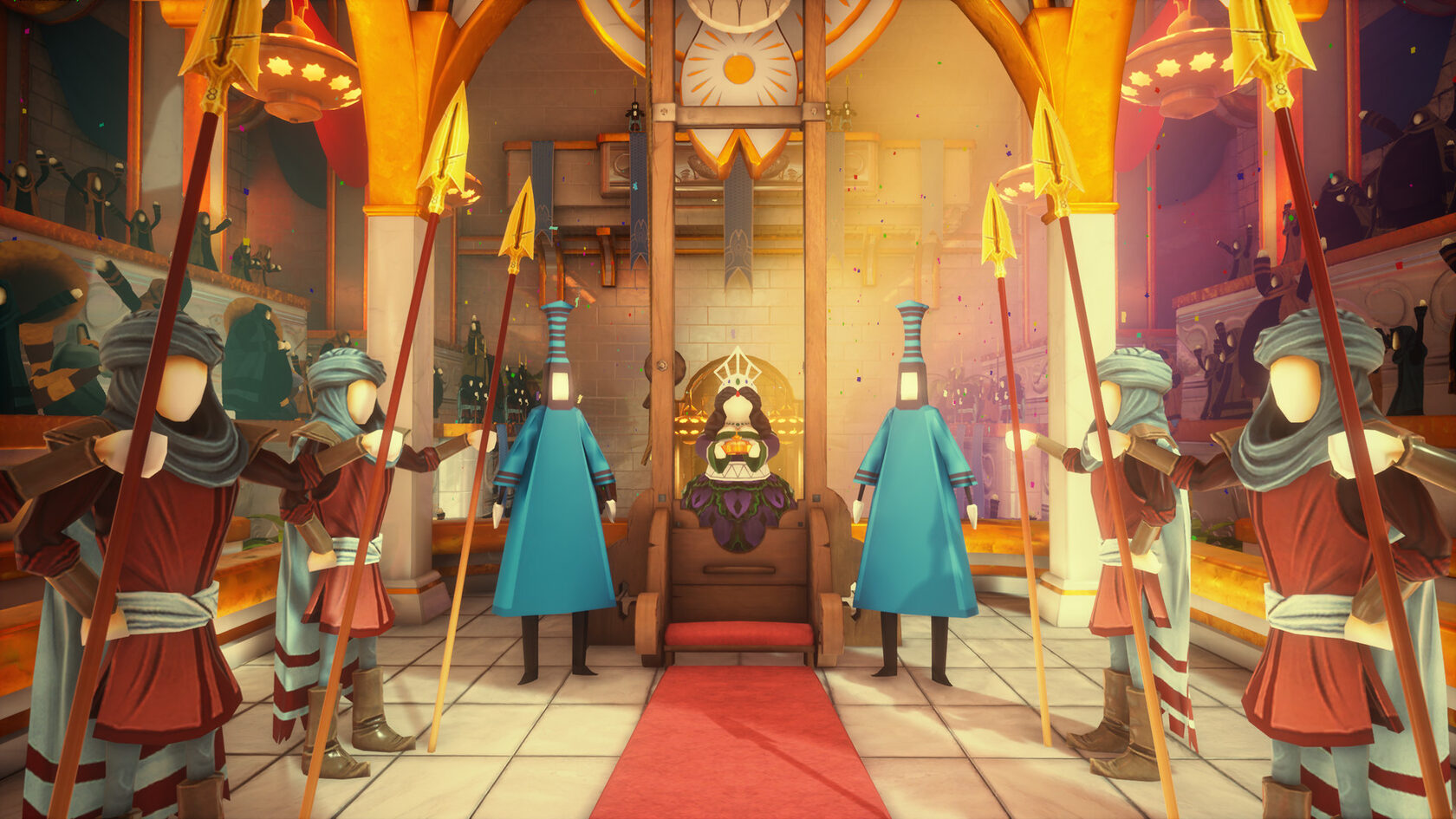
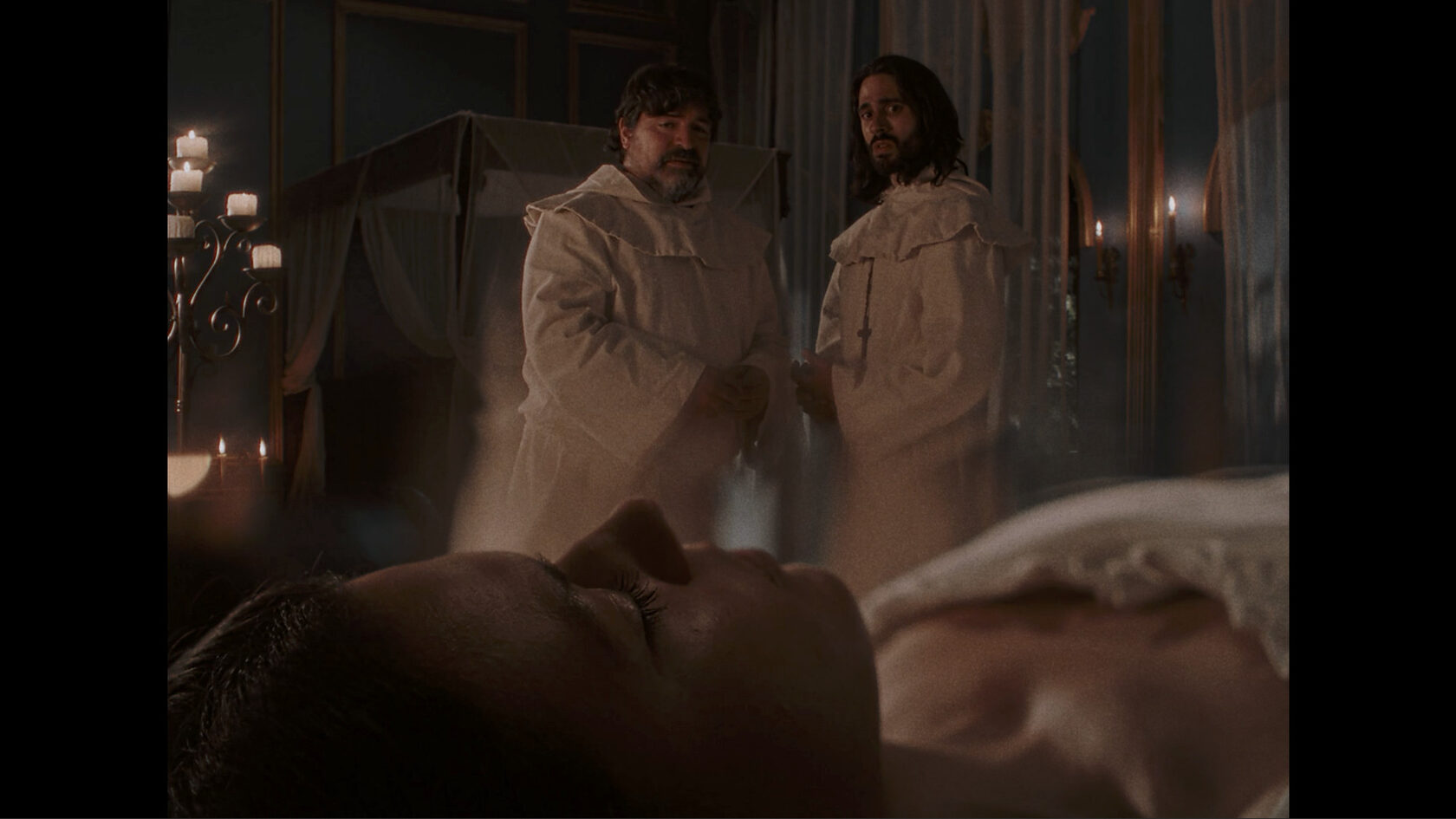
Immortality builds its story around the idea that a vanished actress can be reconstructed only through the scraps she left behind. The archive spans three unreleased films, each captured in fragments, leaving the player to sift through decades of material the way an editor might search for a lost throughline. Marissa Marcel’s presence holds the footage together: confident in a 1969 talk-show introduction, transformed in each subsequent project, and ultimately defined not by what she says but by the ruptures that appear in the margins of her performances.
Firewatch
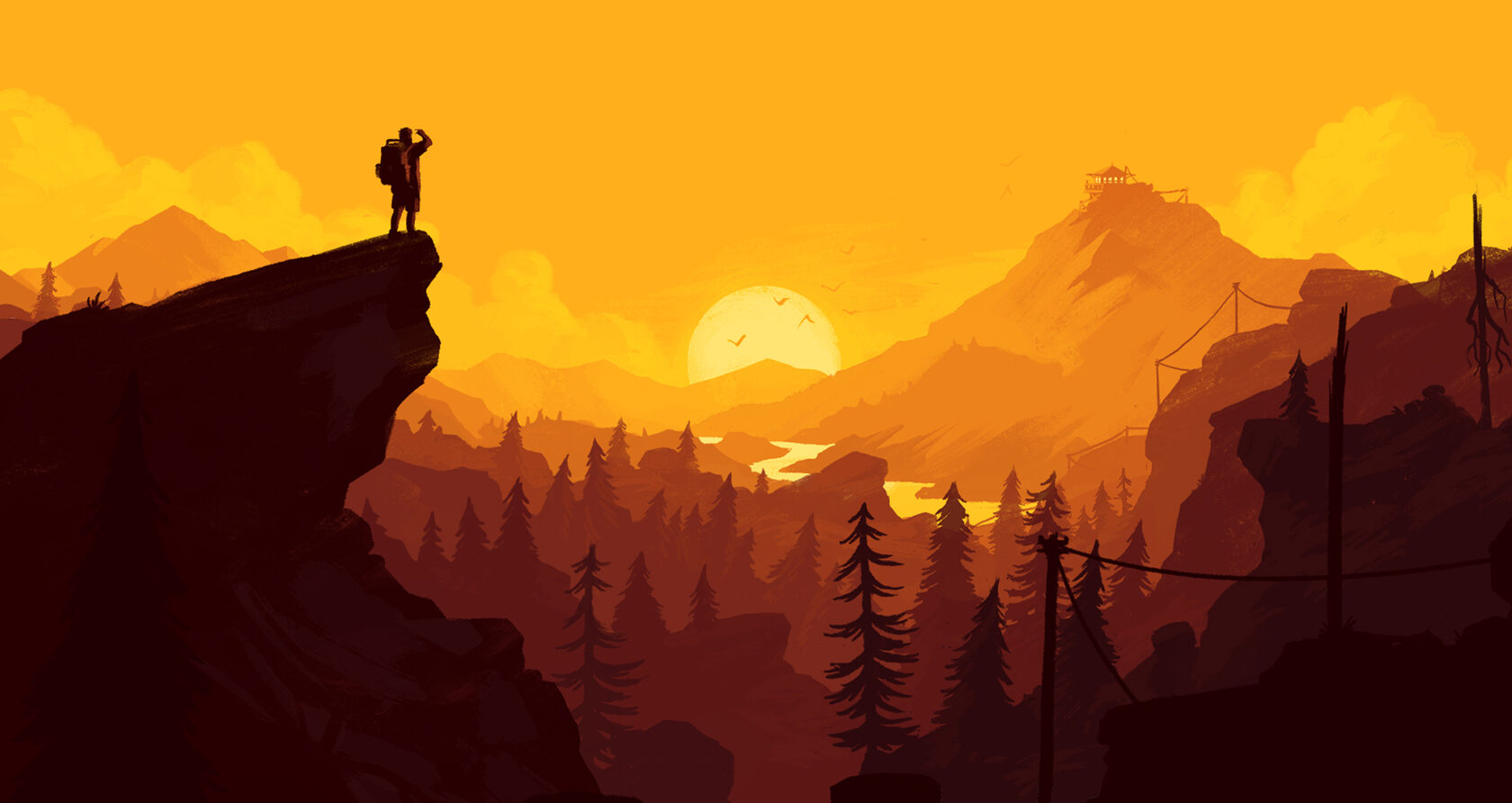
Firewatch builds its story around two people who never meet, yet shape each other’s summer across a stretch of Wyoming wilderness. Henry goes to Two Forks with a life that’s already fraying, a marriage that’s slipping into memory, and a longing to leave behind decisions he no longer knows how to make. Delilah, his supervisor on the other end of a radio, turns into the only persistent voice that cuts through the solitude.
Slay the Princess
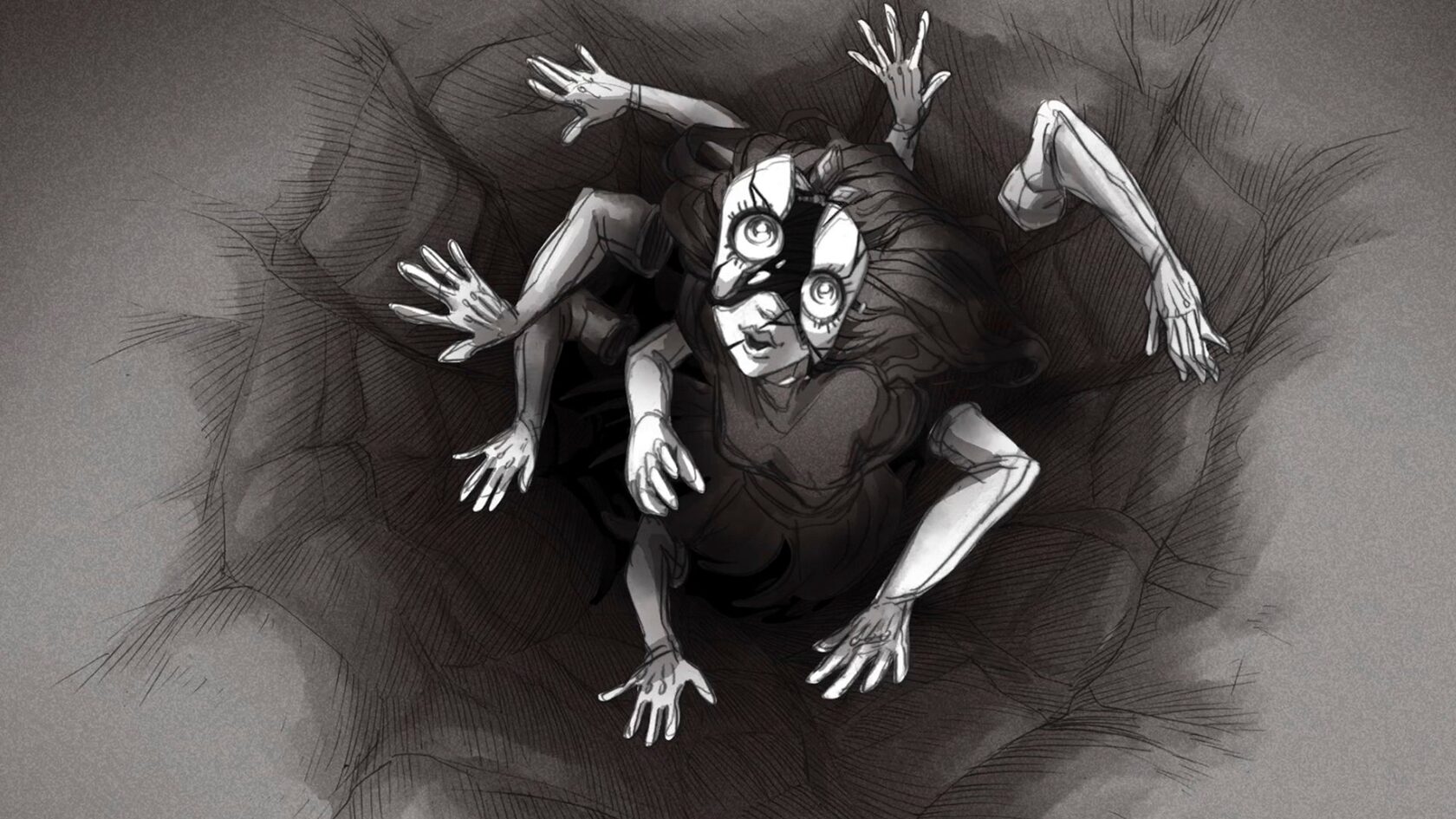
Slay the Princess introduces you to a basement and a girl bound in chains who insists she isn’t the threat you’ve been warned about. The moment you choose what to do with her, the story falls apart, reconstructing itself. Time resets, but the world doesn’t repeat itself neatly.
The Princess comes to you with a new temperament, a new shape, or a new way of understanding the situation, as if each time you meet, you feel an additional layer of the conflict that neither you nor she fully grasps. Loops of this sort work not on a back-and-forth but as a progression, echoing past choices back into later scenes, as the personalities of the hero start to argue for control, as the truth of the mission becomes harder to locate.
Red Dead Redemption 2
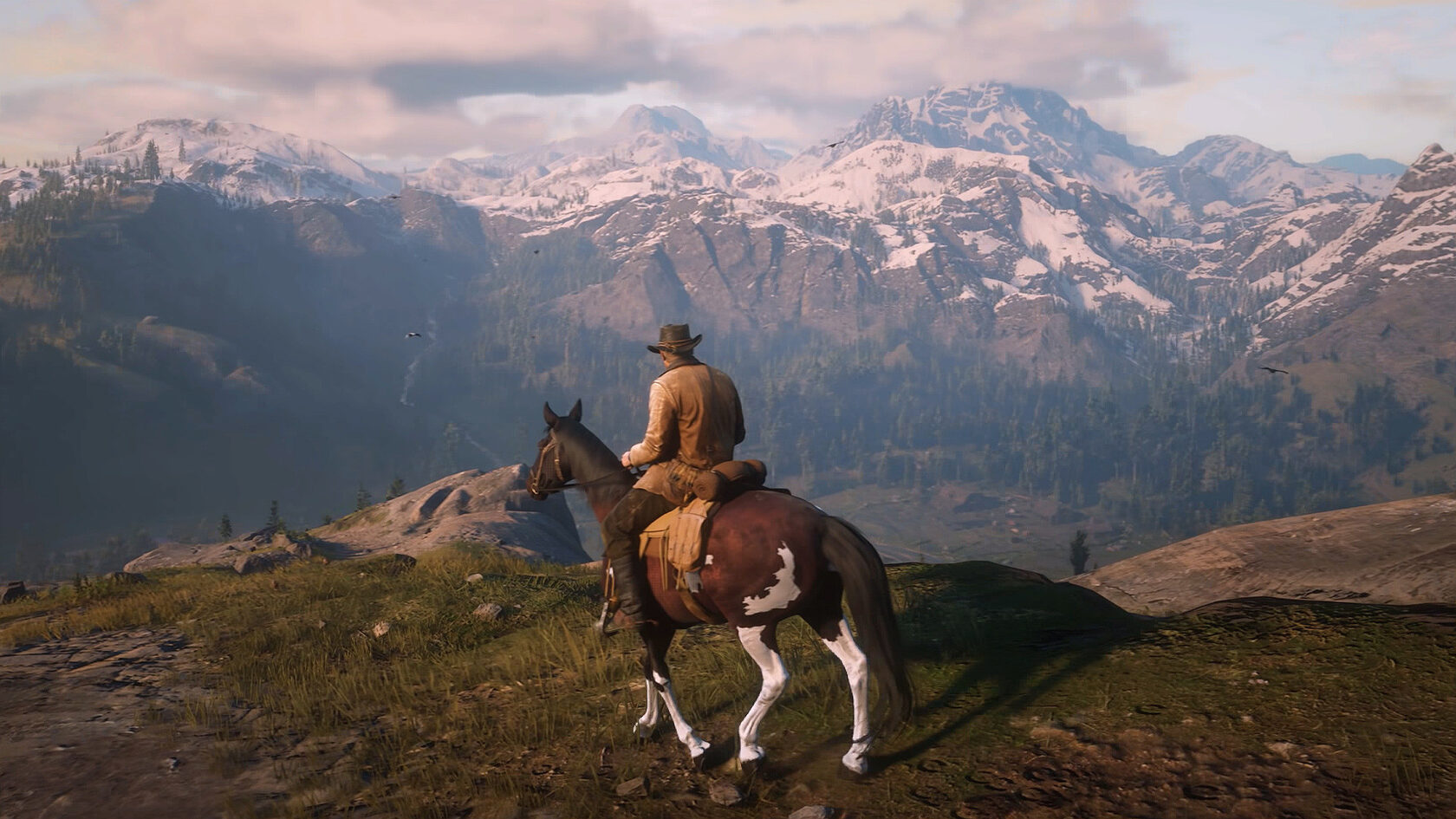
We can’t talk about top story mode games without mentioning this one. Red Dead Redemption 2 opens with the Van der Linde gang already in decline. Everything that follows is all about people having to scramble to outrun a future that won’t sit still for them. Arthur Morgan is at the heart of that dissolution, torn between loyalty to a man he has followed for half his life and a dawning realization that the world that Dutch promised no longer exists, in which he and his friends once lived.
Spiritfarer
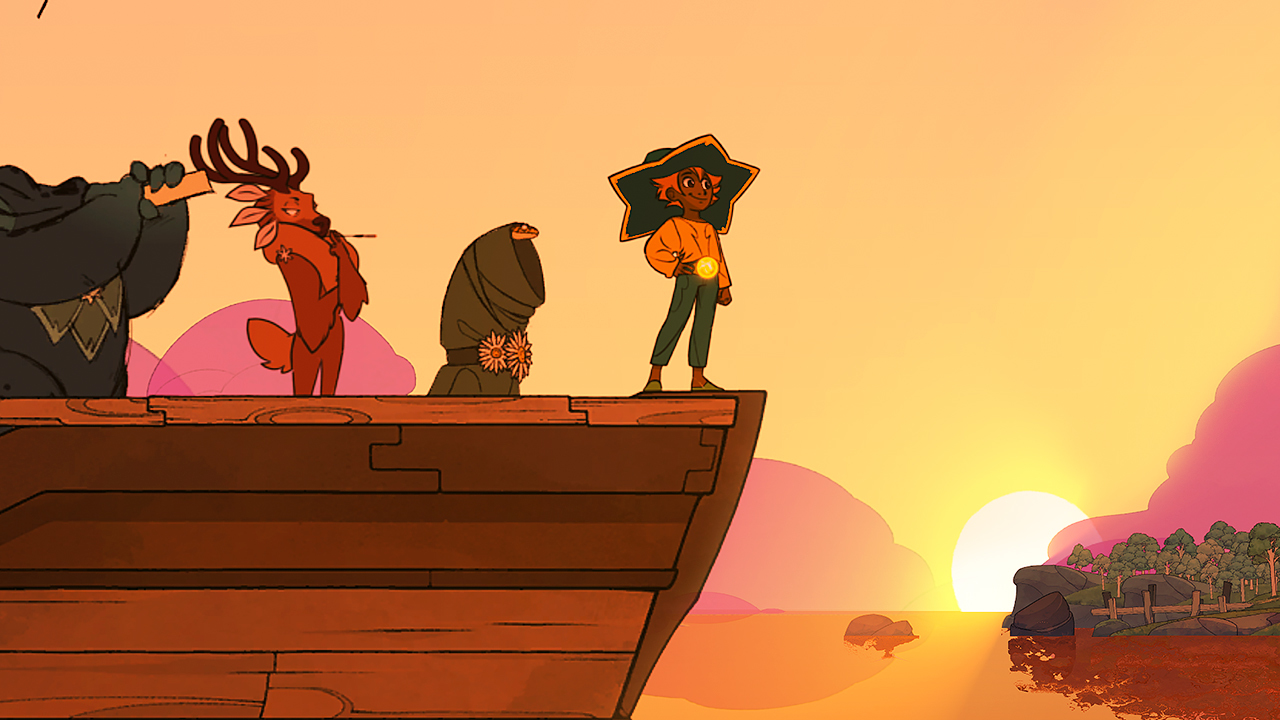
Spiritfarer approaches death from a direction few narrative games attempt: gentle, reflective, and built around the idea that endings can be warm, even though disheartening. Stella’s journey as the new ferrymaster to the afterlife progresses as a slow, steadily evolving relationship with the spirits who board her ship. Each one arrives with unfinished feelings. And the work of caring for them becomes the engine of the story.
Additional Tips for Players
Choosing a story game often comes down to matching the tone you want with the structure that delivers it. When you’re in the mood for a good storyline, RPGs are your most reliable bet. They give characters room to grow and let themes settle in at their own pace. Adventure titles and smaller indie-narrative projects do great work when you need focused, atmospheric, and intimate content.
Even if you’re typically a multiplayer player, though, story mode can deliver an alternative kind of momentum: controlled pacing, defined arcs, and the impression of inhabiting a world composed of intention. The most significant narrative releases stick with you past the end credits, and the most memorable games tend to have something to offer that nothing other than a single-player format can.
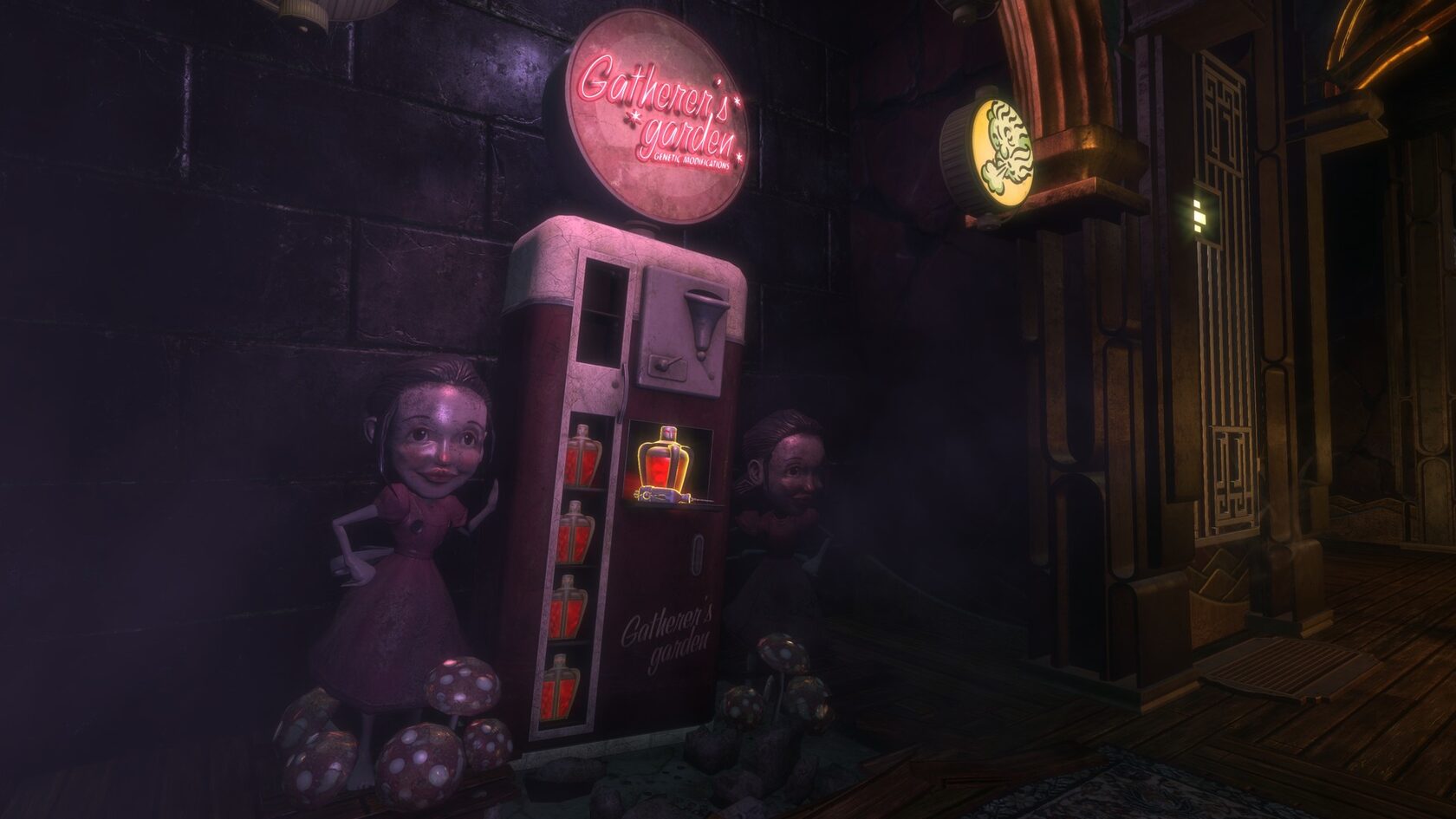
You’ll notice this list doesn’t include fixtures like The Last of Us, Silent Hill, Mass Effect, BioShock, Dragon Age, or the many other giants that have already earned their place in the canon. These games with the best story are understood to be must-plays. Or, let’s call them touchstones that any narrative-focused player eventually finds on their own. Instead, the goal here was to keep the selection varied and inclusive, highlighting story-mode experiences across genres, scales, and styles for every kind of player to find something that fits their mood.
And if you’re building a game of your own, one that deserves to stand among these titles and carry a story worth remembering but needs the talent to bring it to life, Argentics can help. Our team of experienced professionals understands narrative-driven video game development on both the creative and technical levels, and we’re equipped to turn strong ideas into fully realized worlds. Contact us, and we’ll help you share your tale with the world!
FAQ
It depends on the game and the player.
Story First: For games in genres like Visual Novels, Interactive Dramas (Telltale, Life is Strange), or highly narrative RPGs (Disco Elysium), the story is the absolute make-or-break element.
Gameplay First: For genres like Action-RPGs, Shooters, or Hack-and-Slash games, a fun and engaging gameplay loop is prioritized. A good story is a bonus, but bad gameplay can sink an otherwise great narrative.
This is a very common feeling, especially in massive open-world RPGs (e.g., The Witcher 3, Cyberpunk 2077). The community calls this “Urgency-Immersion Disconnect”: the protagonist is told the world is about to end, but they stop for 30 hours to play card games or deliver mail. The solution is often to create a balance or just accept the narrative dissonance for the sake of fun side content.
This is usually done to artificially inject longevity into the game and to reward players who experiment with different character builds (especially in RPGs like Souls or Yakuza), or to get all of the available story branches. For the average player, these are often the least-obtained achievements.